

The integration of Augmented Reality (AR) and Virtual Reality (VR) displays in surgical training is revolutionizing medical education by providing immersive and interactive experiences that significantly enhance skill acquisition. These technologies allow trainees to engage with complex surgical procedures in a risk-free environment, fostering confidence and competence before they step into real operating rooms. In this article, we will explore how AR and VR are transforming surgical training and the benefits they offer to both trainees and instructors.
Benefits of AR & VR in Surgical Training
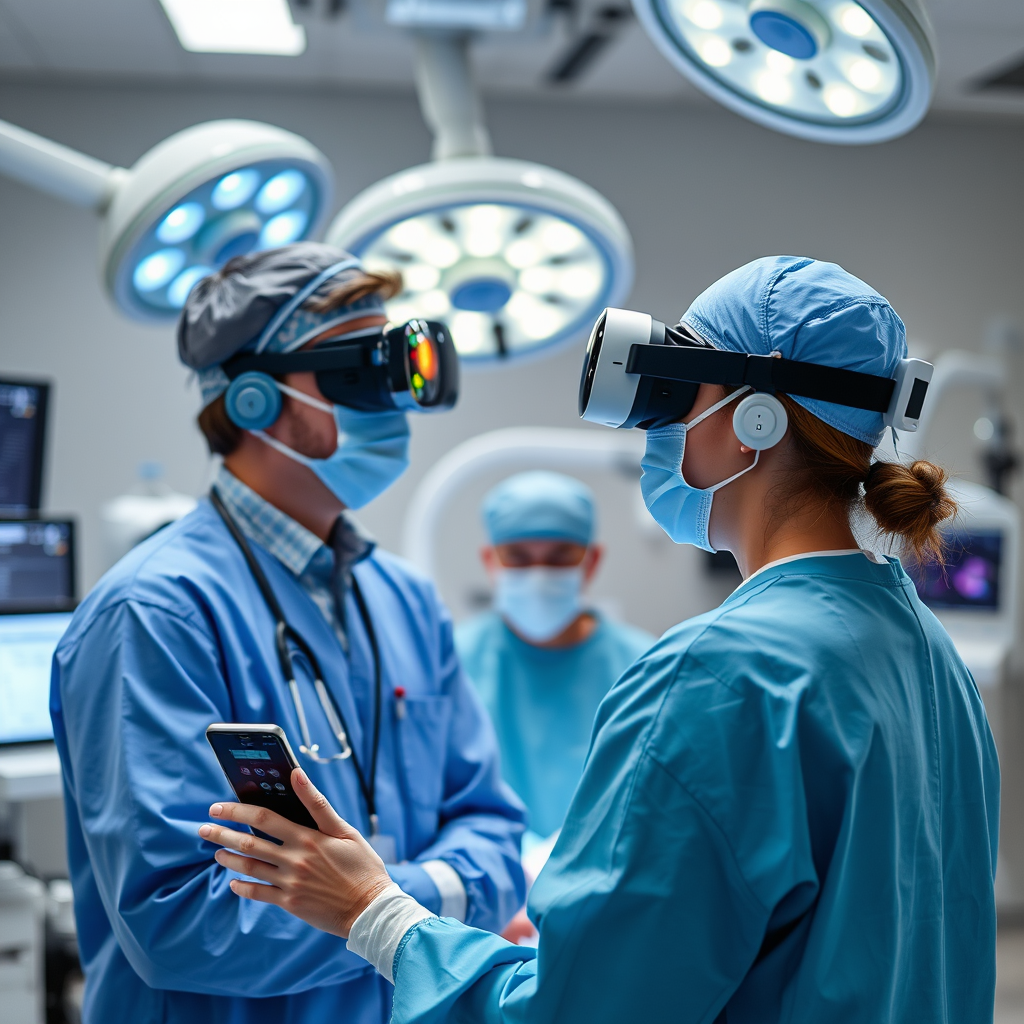
One of the most remarkable benefits of incorporating AR and VR into surgical training is the enhanced visualization of complex procedures. Trainees can experience surgeries from multiple perspectives, allowing them to understand intricate details that may be difficult to grasp through traditional methods. For instance, a VR simulation might allow a trainee to navigate a 3D model of human anatomy while performing a simulated surgery. This multi-angled view provides an unparalleled understanding of spatial relationships and procedural steps.
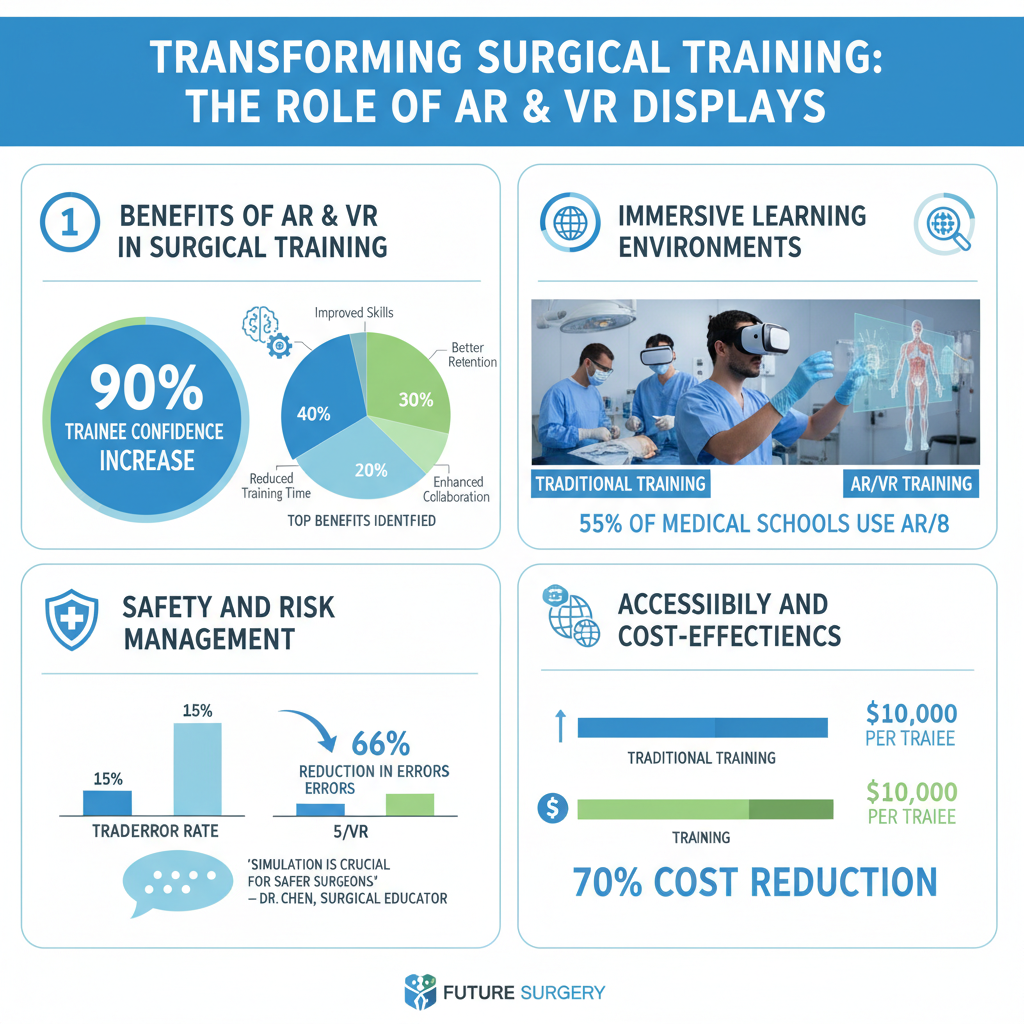
Moreover, increased engagement through interactive simulations fosters better retention of skills and knowledge. Studies have shown that learners engaged in interactive experiences tend to remember information longer than those who rely solely on passive learning methods. By manipulating virtual instruments and making decisions in real-time, trainees are not just observers but active participants in their learning process. This hands-on approach helps solidify the knowledge and skills needed for actual surgical procedures.
Immersive Learning Environments

AR and VR technologies create realistic scenarios that closely mimic operating room conditions, allowing trainees to practice in an environment that feels authentic. This immersive learning experience prepares them for the high-pressure situations they will face during actual surgeries. For example, AR can overlay critical information, such as patient vitals or anatomical diagrams, directly onto the surgical field, simulating real-life conditions in a way that traditional methods cannot.
Additionally, simulations can be tailored to individual learning needs, providing a personalized training experience. Each trainee can progress at their own pace, focusing on areas where they need improvement. This customization is especially beneficial for diverse learning styles; some trainees may excel with visual aids, while others may prefer hands-on practice. By offering a variety of scenarios that can be adjusted based on skill level, AR and VR can cater to the unique requirements of each learner.
Safety and Risk Management
Safety is paramount in medical training, and AR and VR provide a unique advantage by allowing trainees to practice procedures without the risk of harming patients. Virtual simulations enable learners to experiment with different techniques, face unexpected complications, and make mistakes—all in a controlled environment. For instance, a trainee might encounter a simulated surgical complication, such as excessive bleeding, allowing them to practice emergency response strategies without the fear of real-world consequences.
This safe practice environment encourages exploration and learning from errors, which may not be as readily available in traditional training settings. When trainees can safely make mistakes and learn from them, they build the confidence needed to handle real-life situations. This kind of risk management is invaluable in fostering skilled and prepared surgeons.
Accessibility and Cost-Effectiveness
Another significant advantage of AR and VR training is accessibility. These technologies can be accessed remotely, making it easier for healthcare providers in remote areas to receive quality education without the need to travel to major training centers. This is particularly important in regions where access to advanced medical training is limited. With AR and VR, healthcare professionals can participate in high-quality training sessions from the comfort of their own facilities.
In terms of cost-effectiveness, AR and VR can significantly reduce expenses associated with traditional training methods. Traditional surgical training often involves the use of cadavers, which can be costly and logistically challenging. Workshops and hands-on sessions may require travel and accommodation expenses, adding to the overall financial burden. By contrast, AR and VR training can be implemented using existing equipment, such as headsets and computers, making it a more affordable solution over time.
Assessment and Feedback Mechanisms
Advanced tracking technologies integrated into AR and VR systems provide immediate feedback on performance, which is essential for effective learning. As trainees practice procedures, the system can monitor their movements and decisions, offering real-time insights into their techniques. For example, if a trainee consistently struggles with suturing, the system can highlight this issue and suggest focused practice in that area.
Moreover, instructors can analyze trainee progress through detailed performance data collected during simulations. This data-driven approach allows educators to adapt their teaching methods and provide individualized support to each trainee. By understanding where a learner excels or needs improvement, instructors can enhance the overall training experience, ensuring that each trainee develops the skills required for successful surgical practice.
Future Trends in AR & VR Surgical Training
As AR and VR technologies continue to advance, we can expect more sophisticated simulations and training tools to emerge. Future developments may include even more realistic graphics, haptic feedback, and AI-driven scenarios that adapt to a trainee’s skill level in real-time. For instance, imagine a VR simulation where the virtual patient’s anatomy changes based on the trainee’s actions, providing a dynamic learning experience that reflects real-life unpredictability in surgery.
Furthermore, we anticipate increased collaboration between tech companies and medical institutions to develop cutting-edge training solutions. This partnership could lead to the creation of comprehensive training programs that integrate AR and VR with traditional learning methods, providing a well-rounded education for surgical trainees. The potential for innovation in this field is immense, and it will be exciting to see how these technologies evolve to further enhance surgical training.
The incorporation of AR and VR displays in surgical training is not just a trend; it’s a transformative approach that enhances learning, safety, and accessibility. As these technologies continue to evolve, they promise to deliver even greater benefits to the field of medicine. Embracing AR and VR in surgical training will better prepare the next generation of surgeons, ensuring higher standards of patient care. Consider exploring AR and VR training options to stay at the forefront of surgical education, and join the movement toward a more effective, engaging, and safer training environment for future medical professionals.
Frequently Asked Questions
What are the benefits of using AR and VR displays in surgical training?
AR (Augmented Reality) and VR (Virtual Reality) displays offer numerous benefits in surgical training, including enhanced visualization of complex anatomical structures and real-time feedback during procedures. These technologies provide a safe, risk-free environment for trainees to practice and hone their skills without the consequences of real-life errors. Additionally, AR and VR facilitate remote collaboration and mentorship opportunities, allowing experienced surgeons to guide trainees across distances.
How do AR and VR technologies improve surgical skill acquisition?
AR and VR technologies improve surgical skill acquisition by providing immersive simulations that replicate real-life surgical scenarios. These platforms allow trainees to engage in hands-on practice with realistic 3D models and interactive scenarios, enhancing their cognitive and psychomotor skills. By using these technologies, trainees can repeatedly practice techniques until they achieve proficiency, leading to better retention of knowledge and improved performance in actual surgical settings.
Why is immersive training crucial for the future of surgical education?
Immersive training is crucial for the future of surgical education because it addresses the limitations of traditional training methods, which often rely heavily on passive learning and limited hands-on experience. As surgical procedures become increasingly complex, immersive training with AR and VR ensures that future surgeons are equipped with the necessary skills and confidence to perform under pressure. Furthermore, this innovative approach to learning fosters adaptability and critical thinking, essential traits in modern surgical practice.
Which types of surgeries can benefit most from AR and VR training simulations?
AR and VR training simulations can significantly benefit a wide range of surgical specialties, particularly those involving intricate procedures such as neurosurgery, orthopedic surgery, and minimally invasive techniques. For example, neurosurgeons can utilize VR simulations to practice delicate brain surgeries, while orthopedic surgeons can rehearse joint replacement procedures using AR to visualize bone structures. The adaptability of these technologies allows for tailored training modules specific to various surgical disciplines.
What are the challenges faced when integrating AR and VR into surgical training programs?
Integrating AR and VR into surgical training programs presents several challenges, including high initial costs for technology acquisition and the need for comprehensive training for educators and trainees alike. Additionally, there may be resistance to change among traditionalists within the medical community who are accustomed to conventional training methods. Furthermore, ensuring that the simulations accurately reflect real-life scenarios and provide meaningful feedback is crucial for maximizing their effectiveness in surgical education.
References
- https://www.ncbi.nlm.nih.gov/pmc/articles/PMC7271689/
- https://www.sciencedirect.com/science/article/pii/S1877050919300622
- https://www.healio.com/news/orthopedics/20210615/arvr-in-surgery-training-what-you-need-to-know
- News | American Association for the Advancement of Science (AAAS)
- https://www.journalofmedicalinternetresearch.org/2020/9/e17761/
- https://www.wired.com/story/virtual-reality-surgery-training/
- https://www.frontiersin.org/articles/10.3389/fpsyg.2021.754568/full
- https://www.bbc.com/future/article/20210420-how-virtual-reality-is-transforming-surgery
- https://www.ama-assn.org/delivering-care/public-health/using-virtual-reality-training-surgeons-advance-skills