
3D cameras capture images in three dimensions, providing depth perception that enhances visual experiences. These innovative devices are revolutionizing various fields, from photography to medicine, by offering a more immersive way to visualize and analyze environments. In this article, you’ll learn how these cameras work, the technology behind them, and the diverse applications that make them indispensable in today’s world.
Understanding 3D Camera Technology
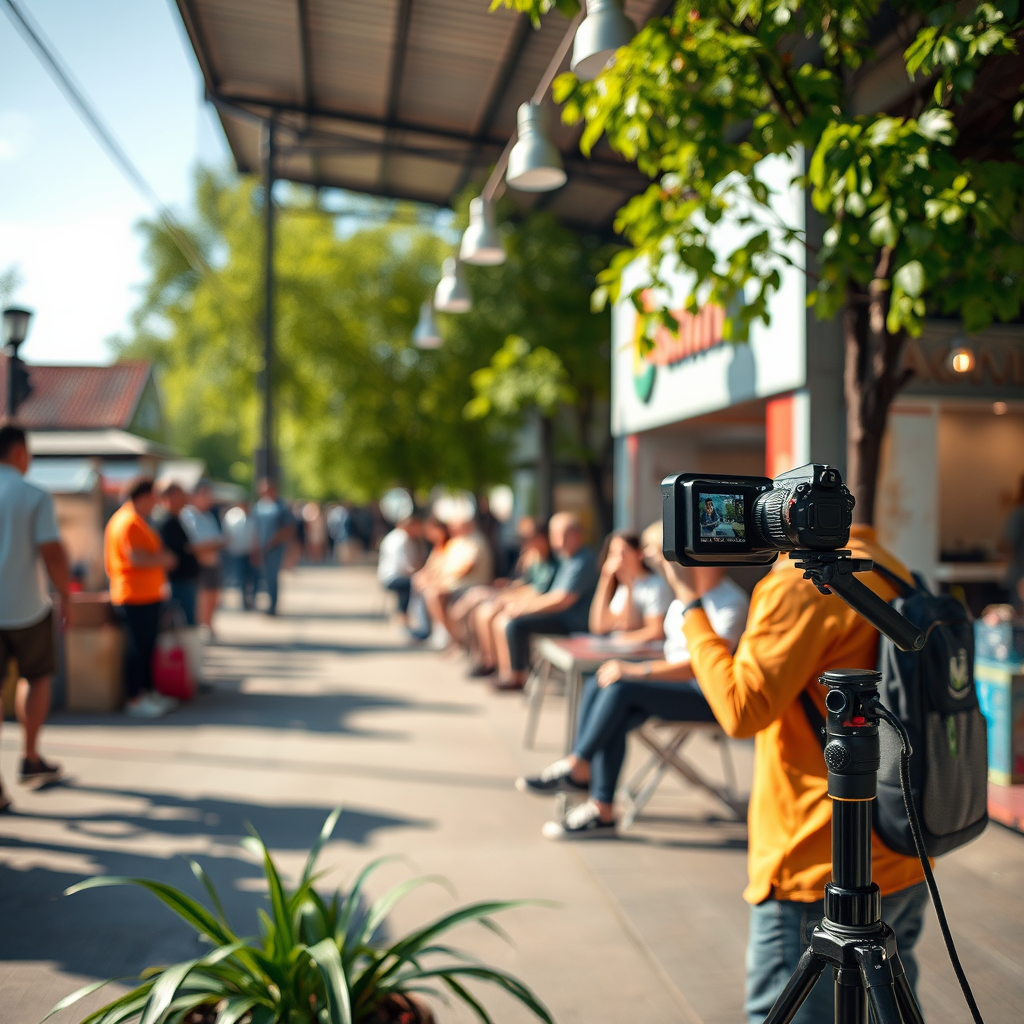
3D cameras differ significantly from traditional cameras, primarily in their ability to capture depth. While standard cameras take flat, two-dimensional images, 3D cameras utilize various technologies to gather information about the spatial relationships between objects in a scene. This depth capture creates a sense of immersion, allowing viewers to perceive objects as they would in real life.
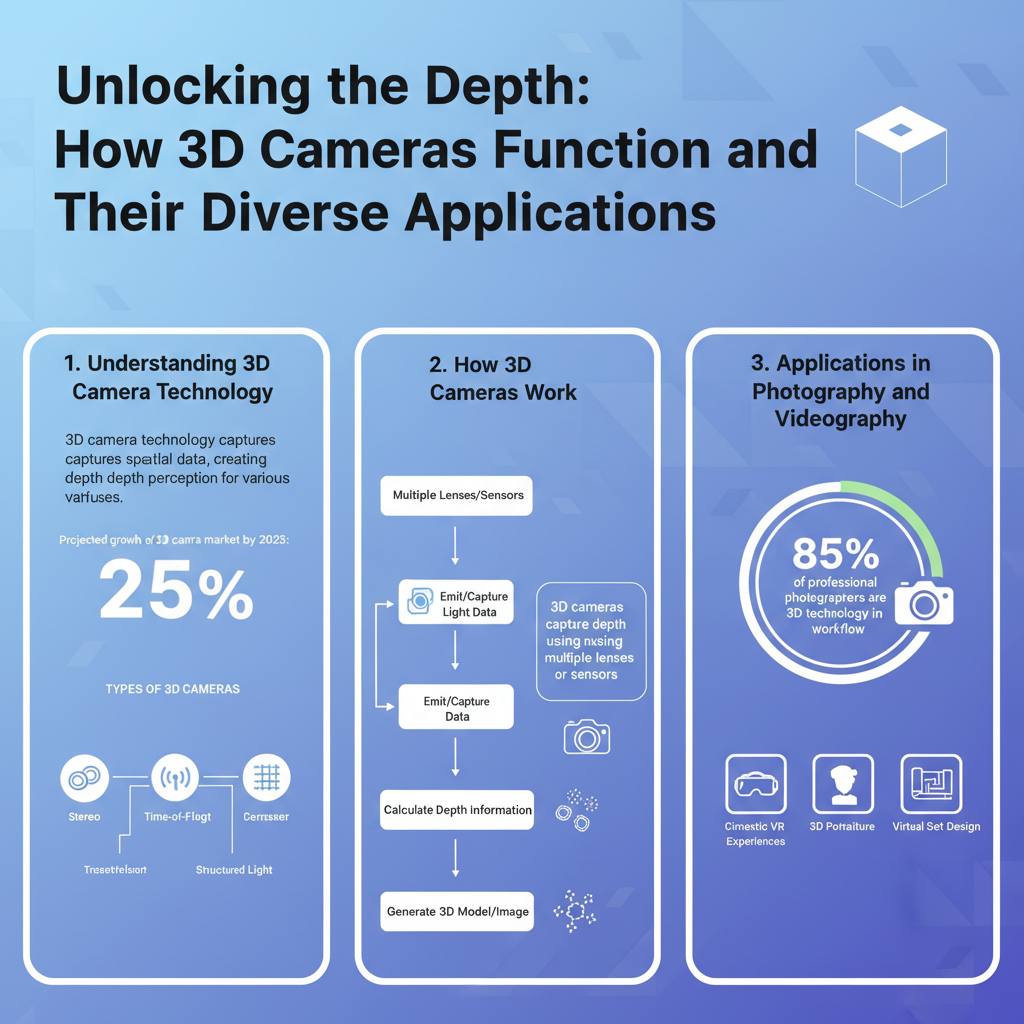
Two common technologies used in 3D cameras are stereoscopic imaging and time-of-flight (ToF). Stereoscopic imaging employs two lenses placed at slightly different angles, mimicking human binocular vision. This technique captures two images simultaneously, which can be processed to create a three-dimensional effect. On the other hand, time-of-flight cameras measure the time it takes for a light pulse to travel to an object and back, calculating depth based on these time measurements. Both methods have distinct advantages and are used in various applications, from gaming to medical imaging.
How 3D Cameras Work
At the heart of a 3D camera are several key components that work together to create depth perception. Sensors play a crucial role, capturing light and converting it into digital signals. High-quality lenses are essential for focusing light onto these sensors, ensuring clarity and detail in the captured images. Some advanced models might also incorporate infrared sensors or laser projectors to enhance depth mapping.
Once the images are captured, image processing techniques come into play. Algorithms analyze the differences between the two images obtained from stereoscopic cameras or process the time data from ToF cameras. These techniques combine the data to render a single 3D image, which can then be displayed on compatible devices like VR headsets or 3D monitors. The result is a lifelike representation of the scene that allows viewers to experience depth and dimension as they would in reality.
Applications in Photography and Videography
3D cameras have found a prominent place in filmmaking and virtual reality (VR), where they elevate the storytelling experience. In the film industry, directors use 3D cameras to create immersive environments that draw audiences into the story. Iconic films like “Avatar” and “Gravity” utilized 3D technology to enhance the visual spectacle, engaging viewers on a deeper level.
In the realm of virtual reality, 3D cameras allow creators to produce content that feels incredibly real. By capturing environments in three dimensions, VR applications can provide experiences ranging from virtual travel to gaming, where users can explore and interact with their surroundings. Popular 3D photography techniques, such as depth mapping and augmented reality applications, further enhance audience engagement, allowing them to feel a part of the narrative.
Use Cases in Medicine
In the medical field, 3D cameras are transforming imaging and diagnostics. They are used in various applications, including MRI scans and CT imaging, where the ability to visualize anatomy in three dimensions helps healthcare professionals make more accurate diagnoses. For instance, when evaluating complex structures like the heart or brain, 3D imaging offers a clearer view than traditional 2D scans.
3D imaging also plays a vital role in surgical planning. Surgeons can use 3D models created from camera data to practice procedures before operating on patients, improving precision and outcomes. Additionally, these models enhance patient education by providing visual representations of conditions, making it easier for patients to understand their diagnoses and treatment options.
Implementation in Industries
The manufacturing industry has embraced 3D cameras for quality control and design processes. By capturing precise measurements and details, companies can ensure products meet specifications and standards. For example, automotive manufacturers use 3D scanning to inspect parts and assemblies, identifying any deviations from design. This capability not only improves efficiency but also reduces costs associated with defects.
In architecture and construction, 3D cameras facilitate project visualization. Architects can create detailed models of buildings and spaces, allowing clients to experience designs before construction begins. This visualization helps in making informed decisions and adjustments early in the process, ultimately leading to better results and increased client satisfaction.
Future Trends in 3D Camera Technology
As technology continues to advance, the future of 3D cameras looks promising. Predictions suggest that the integration of artificial intelligence (AI) and machine learning will significantly enhance 3D imaging capabilities. AI algorithms could improve depth perception accuracy, optimize image processing, and even automate the creation of 3D models.
New markets and applications for 3D cameras are also on the horizon. For instance, the rise of augmented reality (AR) applications, particularly in retail and real estate, could open new avenues for 3D camera use. Imagine walking through a store and seeing 3D representations of products in real-time, or visualizing how a piece of furniture would look in your home before purchasing. The possibilities are endless, making 3D cameras an exciting area to watch in the coming years.
In summary, 3D cameras provide innovative solutions across various fields, blending technology with creativity. Their ability to capture depth and dimension enhances experiences in photography, medicine, manufacturing, and more. As you consider incorporating 3D imaging into your work or interests, explore the latest options and stay updated on emerging trends. The world of 3D cameras is evolving rapidly, presenting opportunities for those ready to embrace this transformative technology.
Frequently Asked Questions
What is a 3D camera and how does it work?
A 3D camera captures images by using two or more lenses to simulate the human eye’s perception of depth. Each lens captures a slightly different angle of the scene, which is then processed to create a stereoscopic image. This technology can be used in various formats, including active and passive 3D systems, allowing for a rich visual experience that enhances realism in photography and videography.
Where are 3D cameras commonly used?
3D cameras are utilized in a range of industries, including filmmaking, gaming, virtual reality, and medical imaging. In filmmaking, they create immersive experiences for audiences, while in gaming, they enhance realism and interactivity. Additionally, medical fields use 3D cameras for imaging techniques such as CT scans, providing detailed views of anatomical structures for accurate diagnoses and treatment planning.
Why should I consider using a 3D camera for my projects?
Using a 3D camera can significantly enhance the quality and depth of your visual content, making it more engaging for viewers. The ability to capture depth information provides a more immersive experience, especially in fields like virtual reality or augmented reality. Additionally, 3D images can be more compelling for marketing materials, product showcases, and educational content, ultimately attracting a broader audience.
Which are the best 3D cameras available in 2023?
Some of the best 3D cameras available in 2023 include the Intel RealSense D435i, which is favored for its depth-sensing capabilities, and the Fujifilm FinePix 3D W3, known for its excellent image quality. The Insta360 EVO is also popular for its versatility, allowing users to switch between 2D and 3D modes effortlessly. When choosing a 3D camera, consider factors like resolution, ease of use, and intended application to find the best fit for your needs.
How can I edit 3D images or videos captured with a 3D camera?
Editing 3D images or videos typically requires specialized software that can handle stereoscopic content. Popular options include Adobe Premiere Pro for video editing and software like Blender or Autodesk Maya for 3D modeling and animation. These tools allow you to manipulate depth, adjust camera angles, and add effects that enhance the overall experience, ensuring your final product is polished and professional.
References
- 3D camera
- https://www.sciencedirect.com/science/article/pii/S0031320314003257
- https://www.nist.gov/news-events/news/2015/09/3d-imaging-technology-helps-capture-potentially-lost-artifacts
- https://www.igi-global.com/chapter/3d-camera-technology/204545
- https://www.ncbi.nlm.nih.gov/pmc/articles/PMC5827115/
- https://www.hindawi.com/journals/jece/2021/6689589/