
When it comes to enhancing your home theater’s audio experience, buying the right subwoofer is crucial. A quality subwoofer provides deep bass that can transform your viewing and listening experience, making it more immersive and enjoyable. To make an informed decision, you should consider factors such as size, power, and compatibility with your existing AV system. In this article, you will learn about the essential features to look for when purchasing a subwoofer to elevate your home entertainment setup.
Understanding Subwoofer Types
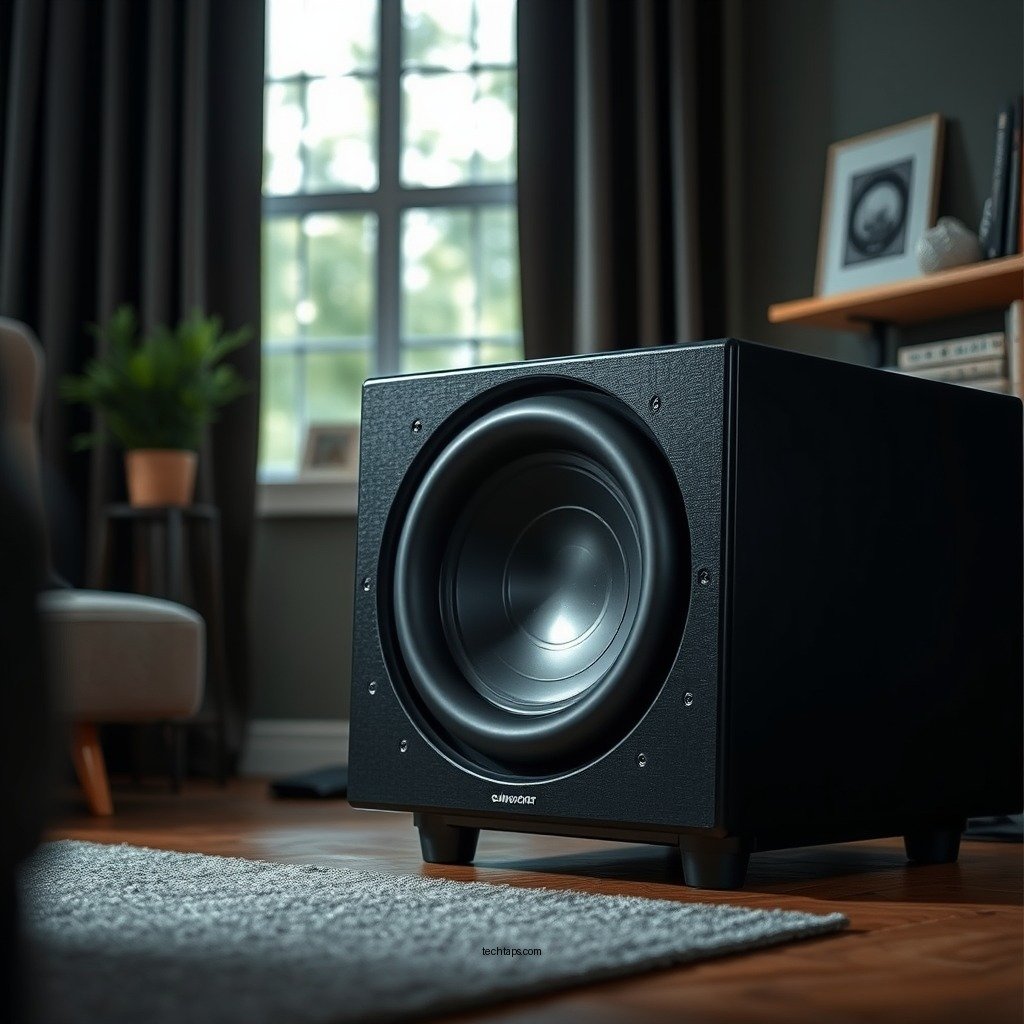
Choosing the right type of subwoofer is the first step in your selection process.
– Passive vs. Active Subwoofers: Passive subwoofers require an external amplifier to power them, making them ideal for audiophiles who prefer custom setups. Active subwoofers come with built-in amplifiers, offering convenience and ease of use, which is often preferred for home theater systems where plug-and-play functionality is desired.
– Ported vs. Sealed Enclosures: The enclosure type significantly affects sound quality and bass response. Ported enclosures allow for greater airflow, resulting in more powerful bass output, ideal for action movies and music genres that rely on deep bass. Sealed enclosures, on the other hand, provide tighter and more accurate bass, suitable for critical listening and smaller rooms.
Size Matters: Choosing the Right Subwoofer
The size of your subwoofer plays a crucial role in its performance and how it fits into your space.
– Room Size Considerations: The dimensions and acoustics of your room directly influence subwoofer performance. In larger rooms, a bigger subwoofer may be necessary to fill the space with sound. Conversely, a smaller subwoofer might suffice in compact environments, where overpowering bass could cause distortion.
– Driver Size Implications: The diameter of the driver (the part of the subwoofer that produces sound) affects the bass output. Generally, subwoofers with larger drivers (12 inches or more) can produce deeper bass, while smaller drivers (8 inches) may be better suited for tighter bass and smaller spaces.
Power Specifications and Performance
Understanding power ratings and frequency response is essential for optimizing your subwoofer’s performance.
– Wattage and Amplification: The power rating, measured in watts, indicates how much power the subwoofer can handle. A subwoofer with a higher wattage is capable of producing louder sounds without distortion. For most home theaters, a subwoofer with a power rating of 200 watts or more is recommended for optimal performance.
– Frequency Response Range: The frequency response range indicates the lowest and highest frequencies the subwoofer can reproduce. A lower frequency range (20 Hz to 200 Hz) is ideal for deep bass, making it suitable for movies and music that require low-end sound reproduction.
Top 7 Subwoofers for Home Theater (2024)
| # | Model | Power (W) | Driver Size | Frequency Response | Price |
|---|---|---|---|---|---|
| 1 | SVS SB-2000 Pro | 500 | 12″ | 24 Hz – 260 Hz | $1,199 |
| 2 | Klipsch R-120SW | 400 | 12″ | 29 Hz – 120 Hz | $599 |
| 3 | Polk Audio PSW10 | 100 | 10″ | 35 Hz – 200 Hz | $169 |
| 4 | Yamaha NS-SW300 | 250 | 10″ | 25 Hz – 200 Hz | $499 |
| 5 | BIC America F12 | 150 | 12″ | 25 Hz – 200 Hz | $199 |
| 6 | Sonos Sub | 250 | 12″ | 25 Hz – 30 Hz | $699 |
| 7 | MartinLogan Dynamo 800X | 450 | 12″ | 24 Hz – 200 Hz | $1,199 |
Connectivity and Compatibility
The connectivity options and compatibility of your subwoofer are vital for seamless integration into your home theater system.
– Wired vs. Wireless Options: Wired subwoofers typically provide better sound quality and reliability, especially for high-performance systems. Wireless subwoofers offer flexibility in placement and can reduce cable clutter, but the sound quality may vary depending on the technology used.
– Matching with Your Receiver: Ensuring compatibility with your AV receiver is essential for optimal performance. Check the subwoofer output options on your receiver and the input options on your subwoofer. Most modern receivers have subwoofer outputs (often labeled as LFE), making it easier to connect an active subwoofer.
Budgeting for Your Subwoofer
Determining how much to spend on a subwoofer requires careful consideration of your needs and preferences.
– Setting a Realistic Budget: Establishing a budget helps narrow down your options. High-quality subwoofers can range from $150 to over $1,500, depending on features and brand reputation. Decide on a comfortable price range that aligns with your audio expectations.
– Cost vs. Quality: While it may be tempting to opt for the cheapest option, investing in a higher-quality subwoofer often yields better sound performance. Consider models that balance affordability with features, looking for reliable brands with good reviews.
Listening Before You Buy
Testing subwoofers before purchasing is essential to ensure they meet your expectations.
– Importance of Testing: Listen to different models in-store if possible. Pay attention to how each subwoofer reproduces bass in various scenarios, such as movie soundtracks and music tracks. This firsthand experience can significantly influence your decision.
– In-Store vs. Online Purchases: While online shopping offers convenience, buying in-store allows you to test the sound quality and assess the fit with your home theater setup. If purchasing online, look for return policies that allow you to try the subwoofer in your space.
Installation Tips for Optimal Performance
Proper installation is key to maximizing your subwoofer’s potential.
– Placement Strategies: The placement of your subwoofer can dramatically affect sound quality. Common recommendations include placing the subwoofer in a corner for enhanced bass response or experimenting with various locations to find the “sweet spot” in your room.
– Calibration Advice: Many modern subwoofers come with built-in calibration tools or can be calibrated using your AV receiver. Follow the manufacturer’s instructions for setup, and consider using a sound level meter to ensure your subwoofer is properly integrated with the rest of your audio system.
By following these guidelines, you will be well-equipped to choose the right subwoofer that enhances your home theater experience. Whether you are a casual viewer or a serious audiophile, investing in the right subwoofer can make a significant difference in how you enjoy movies and music. Don’t hesitate to start your search today to find the perfect match for your setup!
Frequently Asked Questions
What should I consider when buying a subwoofer for my home theater?
When buying a subwoofer for your home theater, consider factors such as room size, subwoofer type (active vs. passive), power output, and frequency range. Additionally, look for features like wireless connectivity, adjustable crossover settings, and phase control to ensure optimal integration with your existing audio system.
How do I determine the right size subwoofer for my home theater?
The right size subwoofer for your home theater depends on the dimensions of your room and your listening preferences. Generally, a larger room may require a subwoofer with a higher wattage and larger driver size to deliver adequate bass, while smaller spaces might benefit from a compact model that still produces deep sound without overwhelming the space.
Why is the frequency range important when choosing a subwoofer?
The frequency range is crucial when choosing a subwoofer because it determines the lowest and highest frequencies the sub can reproduce. A subwoofer that can handle lower frequencies (typically around 20Hz to 200Hz) will provide a more immersive experience, especially for action movies and music with deep bass, ensuring that you capture the full audio spectrum.
Which brands are considered the best for home theater subwoofers?
Some of the best brands for home theater subwoofers include SVS, Klipsch, REL Acoustics, and Polk Audio. These manufacturers are known for their high-quality sound performance, durability, and innovative features, making them popular choices among audiophiles and home theater enthusiasts.
How can I properly position my subwoofer for optimal sound?
To achieve optimal sound, position your subwoofer in a corner or against a wall to enhance bass response, but avoid placing it directly in front of your main speakers. Experiment with different locations within the room, and use techniques like the “subwoofer crawl,” where you play music and listen from various spots to find the best placement for even bass distribution throughout your home theater.
References
- Subwoofer
https://en.wikipedia.org/wiki/Subwoofer - Subwoofer | loudspeaker | Britannica
https://www.britannica.com/art/subwoofer - Google Scholar Google Scholar
https://scholar.google.com/scholar?q=subwoofer+home+theater - https://www.sciencedirect.com/topics/engineering/subwoofer
https://www.sciencedirect.com/topics/engineering/subwoofer - https://pubmed.ncbi.nlm.nih.gov/
https://pubmed.ncbi.nlm.nih.gov/ - https://www.nature.com/articles/s41598-018-22107-5
https://www.nature.com/articles/s41598-018-22107-5 - Google Scholar Google Scholar
https://scholar.google.com/scholar?q=buying+a+subwoofer - https://www.cdc.gov/nceh/lead/acclocal.htm
https://www.cdc.gov/nceh/lead/acclocal.htm - https://www.nytimes.com/2021/01/25/technology/personaltech/home-theater-systems.html
https://www.nytimes.com/2021/01/25/technology/personaltech/home-theater-systems.html - https://www.bbc.com/future/article/20210120-how-to-build-your-own-home-theater-system
https://www.bbc.com/future/article/20210120-how-to-build-your-own-home-theater-system