LTPO (Low-Temperature Polycrystalline Oxide) display technology represents a significant advancement in screen technology, primarily focused on optimizing power consumption while enhancing performance in devices like smartphones and smartwatches. With the ability to adjust refresh rates dynamically based on content, LTPO delivers an impressive combination of energy efficiency and user experience. In this article, we’ll explore how LTPO technology functions, its various advantages, and its potential impact on the future of display devices.



Understanding LTPO Display Technology

LTPO display technology is a sophisticated blend of low-temperature polycrystalline oxide (LTPO) thin-film transistors and amorphous silicon. This combination allows for enhanced performance and greater control over how displays operate. One of the standout features of LTPO technology is its ability to support dynamic refresh rates. Unlike traditional displays, which might operate at a fixed refresh rate, LTPO screens can adjust their refresh rates based on the content being displayed. For instance, when you’re browsing through static images or reading text, the refresh rate can drop significantly to save power. Conversely, during fast-paced gaming or video playback, the refresh rate can ramp up to provide smooth visuals. This adaptability not only improves the user experience but also contributes to energy savings, making LTPO a game-changer in the display technology landscape.
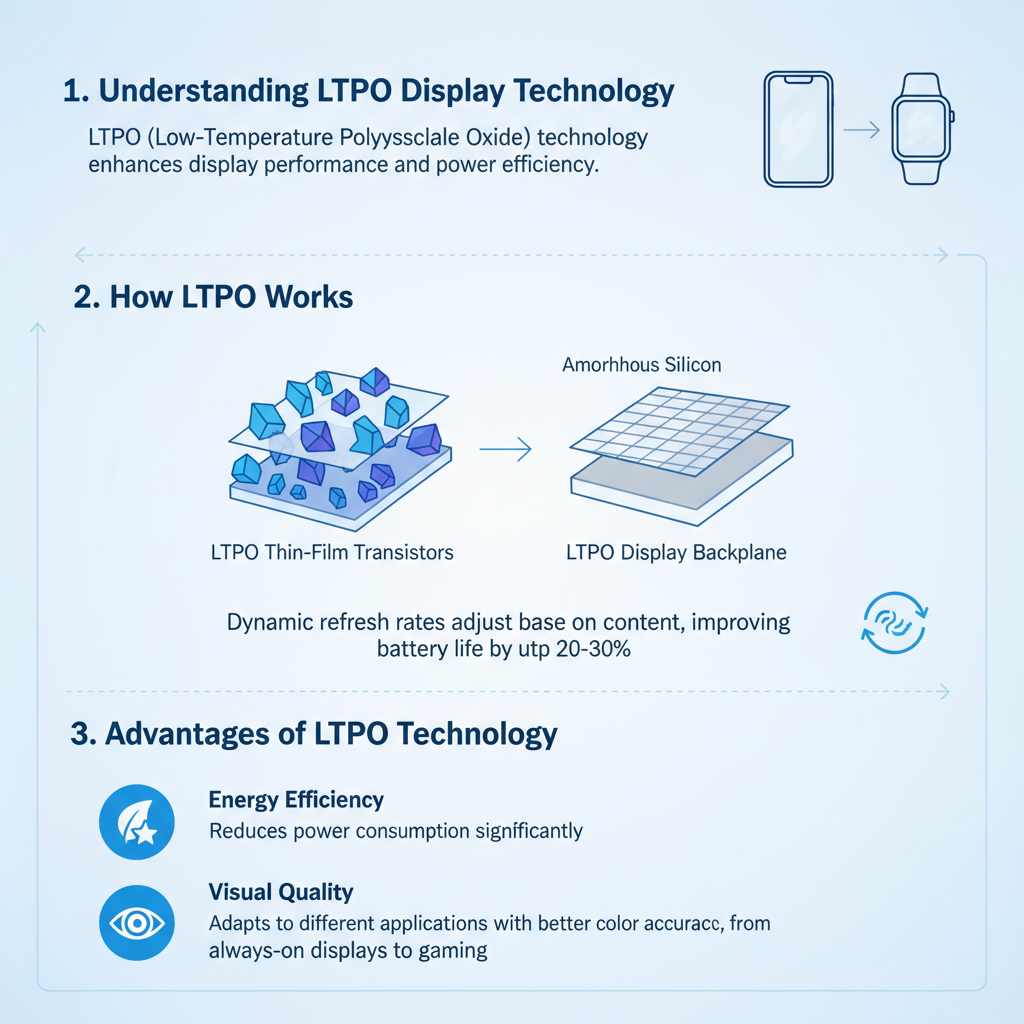
How LTPO Works

At the heart of LTPO technology is its capability to switch between different refresh rates seamlessly. When you interact with your device, the LTPO display can instantly adjust the refresh rate to match the demands of the content. For example, while scrolling through social media feeds, the screen can operate at a lower refresh rate to conserve battery life. However, when you launch a high-action game, the refresh rate can increase to provide fluid animation and responsiveness. This flexibility leads to significant energy savings, as the display isn’t constantly operating at its highest refresh rate.
Furthermore, LTPO technology supports features like always-on displays (AOD), allowing information such as notifications or time to be visible without significantly draining the battery. This is achieved through efficient power management, where only a fraction of the display’s pixels are activated at any given time. As a result, users can enjoy functionality without the constant worry of battery depletion.
Advantages of LTPO Technology
The advantages of LTPO technology are numerous and impactful.
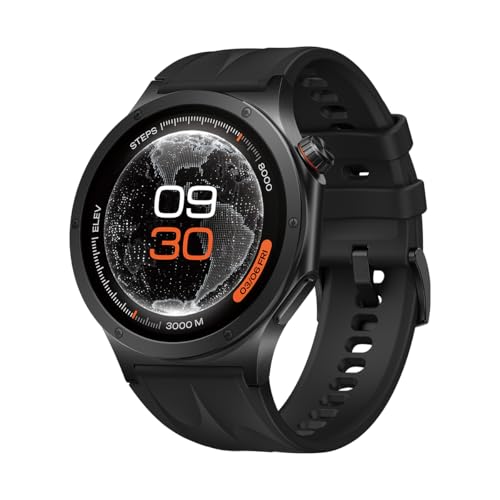
First and foremost, improved battery life stands out as a key benefit. By intelligently adjusting the refresh rate during static content, LTPO displays can significantly reduce power consumption. For instance, devices like the Apple Watch Series 5 utilize LTPO technology to maintain an always-on display while preserving battery life, allowing users to glance at the time or notifications without waking their device.
Additionally, LTPO displays enhance the user experience by providing smoother visuals during activities that demand fast refresh rates, such as gaming or watching high-definition videos. The adaptive refresh rate ensures that users enjoy a seamless experience without the lag or stuttering that can occur with fixed-rate displays.
Moreover, LTPO technology can lead to improved thermal management. By reducing the refresh rate during less demanding tasks, the device generates less heat, which can contribute to overall longevity and performance stability.
Applications of LTPO Technology
Currently, LTPO technology is predominantly found in high-end smartphones and wearable devices, where performance and energy efficiency are critical. For example, flagship devices from manufacturers like Samsung and Apple have started integrating LTPO displays to take advantage of their benefits. The Samsung Galaxy S21 Ultra and the Apple iPhone 13 Pro are notable examples where LTPO is used to provide dynamic refresh rates and extended battery life.
Looking ahead, the potential applications of LTPO technology are vast. As the technology matures, we may see LTPO displays in laptops and televisions, where energy consumption is a growing concern. The gaming industry, in particular, could benefit from LTPO technology, as it can enhance the performance of portable gaming consoles and high-spec gaming laptops, accommodating the need for high refresh rates without sacrificing battery life.
Comparing LTPO with Other Display Technologies
When comparing LTPO with other display technologies, two primary contenders emerge: OLED and traditional LCDs.
Starting with OLED, LTPO technology significantly enhances OLED displays by enhancing energy efficiency. While OLED screens are known for their vibrant colors and deep blacks, they traditionally consume more power, especially at higher brightness levels. LTPO optimizes this by allowing dynamic refresh rates, which means OLED displays can maintain their stunning visual quality while consuming less power during less demanding tasks.
On the other hand, when compared to traditional LCDs, LTPO offers superior flexibility. Fixed-rate LCDs operate at a constant refresh rate, which can lead to unnecessary power consumption during static content. In contrast, LTPO’s ability to adjust refresh rates allows for a more tailored experience, resulting in improved energy efficiency and enhanced visuals.
Future of LTPO Technology
The future of LTPO technology looks promising, with ongoing research focused on improving manufacturing processes and reducing production costs. As more manufacturers adopt LTPO displays, economies of scale could lead to wider accessibility and lower prices for consumers.
Moreover, LTPO technology’s adaptability opens doors for innovations in augmented reality (AR) and virtual reality (VR) displays. As the demand for immersive experiences grows, the ability to dynamically adjust refresh rates can significantly enhance the realism and responsiveness of AR and VR applications, making them more user-friendly and engaging.
In summary, as LTPO display technology continues to evolve, it holds the promise of significantly enhancing device performance while conserving battery life. For those interested in cutting-edge technology, staying informed about LTPO developments can provide insights into the future of displays and how they will shape our interaction with digital devices. As we move towards a more energy-efficient future, LTPO technology stands at the forefront, ready to redefine our visual experiences.
Frequently Asked Questions
What is LTPO display technology and how does it differ from traditional OLED displays?
LTPO, or Low-Temperature Polycrystalline Oxide, is an advanced display technology that combines the benefits of OLED with dynamic refresh rates. Unlike traditional OLED displays that operate at a fixed refresh rate, LTPO displays can adjust their refresh rates dynamically, ranging from as low as 1Hz to 120Hz. This flexibility enhances battery efficiency by reducing power consumption during static images while maintaining smooth visuals during fast-moving content.
How does LTPO display technology improve battery life in smartphones and other devices?
LTPO display technology improves battery life by allowing devices to lower their refresh rates when displaying static content, such as text or images. By reducing the refresh rate to as low as 1Hz, the display consumes significantly less power, which leads to longer battery life. This is particularly beneficial for smartphones, where users often experience extended usage without frequent recharging, especially during activities like reading or browsing.
Why should consumers consider devices with LTPO displays?
Consumers should consider devices with LTPO displays because they offer a superior viewing experience with enhanced battery efficiency. The ability to dynamically adjust refresh rates means smoother scrolling and gaming experiences while conserving power during less demanding tasks. Additionally, LTPO displays can provide improved color accuracy and contrast, making them ideal for users who prioritize visual quality.
Which devices currently utilize LTPO display technology, and what are the advantages?
Currently, several flagship devices utilize LTPO display technology, including models from Apple, Samsung, and OnePlus. The advantages of LTPO displays in these devices include better battery management, improved performance during high refresh rate tasks, and enhanced visual fidelity. For example, the iPhone 13 Pro and newer models feature LTPO displays that allow for adaptive refresh rates, providing users with both fluid animations and energy savings.
What are the potential drawbacks of LTPO display technology?
While LTPO display technology offers many benefits, there are some potential drawbacks to consider. One concern is the manufacturing complexity, which can lead to higher production costs, making LTPO-equipped devices more expensive. Additionally, as with any technology, early iterations may experience issues such as uneven wear on the display pixels or potential software optimization challenges, though these are generally reduced in newer models as the technology matures.
References
- Low-temperature polycrystalline silicon
- https://www.sciencedirect.com/science/article/pii/S1369702119300745
- https://www.techradar.com/news/what-is-ltpo-display-technology
- https://www.wired.com/story/what-is-ltpo-display-technology/
- https://www.theverge.com/2020/5/18/21263485/ltpo-display-technology-explained-apple-iphone-android
- https://www.displaymate.com/DisplayMate_LTPS_Analysis_1.htm