
Upgrading to an 8K display can be worth it, especially for enthusiasts and professionals seeking ultra-high-definition visuals. However, for casual users, the benefits may not justify the cost. In this article, we will explore the advantages and disadvantages of 8K displays to help you make an informed decision.
Understanding 8K Resolution
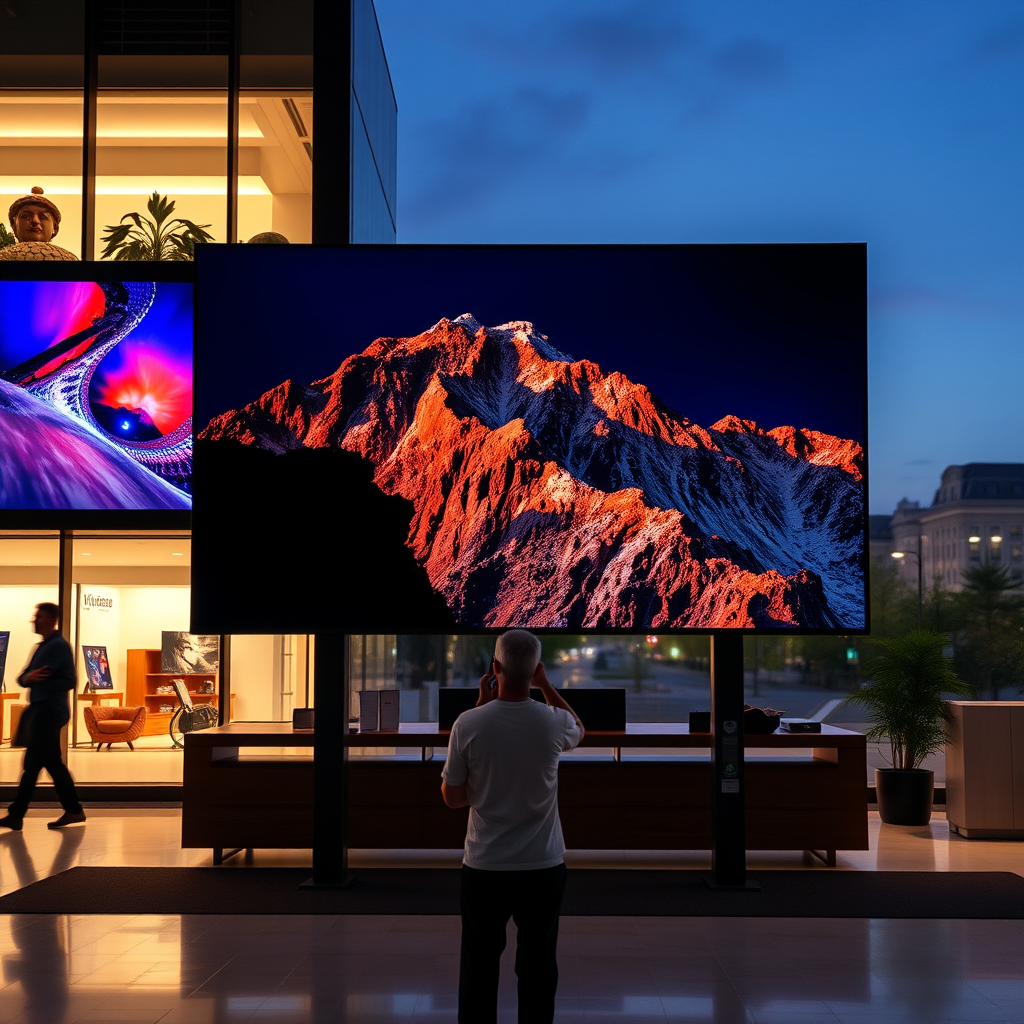
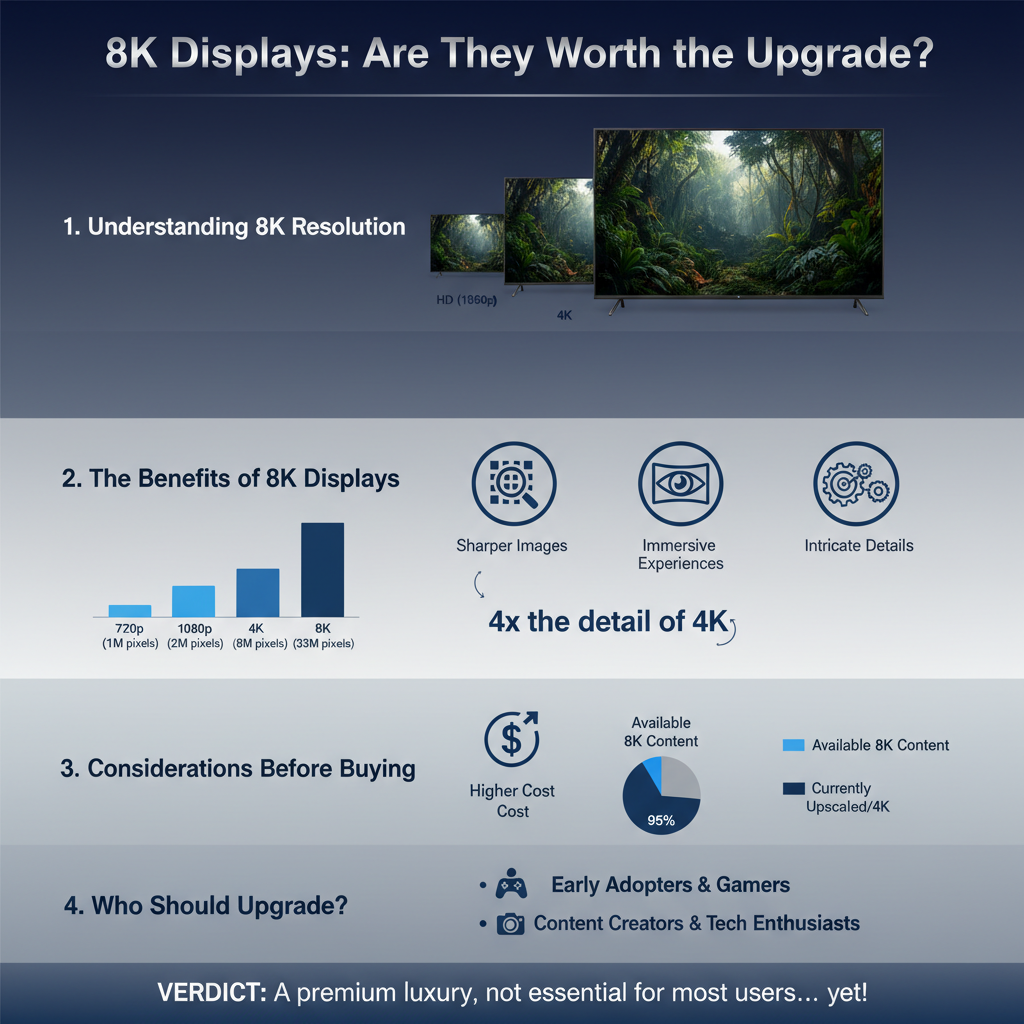
8K resolution measures 7680 x 4320 pixels, offering four times the detail of 4K. This incredible pixel count means that images are sharper, more detailed, and can display more intricate textures than ever before. For large screens—like those often used in home theaters or professional settings—this level of detail becomes crucial. Imagine watching your favorite movie and being able to see the individual strands of hair on an actor’s head or the subtle nuances in a landscape scene. The increased pixel density translates to a viewing experience that feels immersive and lifelike.
Furthermore, as screen sizes increase, the benefits of higher resolutions become more noticeable. If you’re sitting close to a large 8K screen, you’ll have a more enjoyable experience without the visible pixelation you might see on a lower-resolution display.
The Benefits of 8K Displays

One of the most compelling reasons to consider an 8K display is the enhanced visual clarity it provides. Images and videos appear incredibly lifelike, making it feel like you could reach into the screen and touch the subjects. This level of realism can elevate not only movies and gaming but also professional applications such as graphic design and video editing, where detail is paramount.
Moreover, 8K displays often come equipped with improved color accuracy and contrast enhancements. Many modern 8K screens utilize advanced technologies like HDR (High Dynamic Range) to deliver a wider range of colors and deeper blacks. This combination provides a more immersive viewing experience, pulling you deeper into the content. For example, a nature documentary will not only show vibrant colors of the flora but also capture the subtleties of light and shadow in a way that draws you in.
Current Availability of 8K Content
Despite the impressive specifications of 8K displays, the availability of native 8K content remains limited. Currently, most media is still primarily produced in 4K or lower resolutions, which means that unless you are watching specific 8K content, you may not fully realize the potential of your new display.
However, streaming services are gradually beginning to offer 8K options. Platforms like YouTube and some premium services are starting to produce and stream select content in 8K, but widespread adoption is still in progress. If you’re an early adopter, you might find yourself waiting for more content to justify your investment.
Additionally, upscale technology is becoming more commonplace, allowing 4K content to be enhanced to 8K quality. While this does provide some benefit, it’s essential to remember that upscaled content doesn’t match the quality of true 8K media.
Compatibility and Future-Proofing
As technology evolves, compatibility becomes a crucial factor in your purchase decision. Many current devices and cables may not support 8K resolutions, which could require additional investments in hardware to fully utilize your new display. For instance, HDMI 2.1 is the latest standard that supports 8K at 60Hz, and not all devices are equipped with it yet.
Buying an 8K display could be a future-proof choice, as more content and devices become available over time. If you’re planning to keep your display for several years, investing in an 8K model may mean you’re ready for the next wave of content as it arrives. This foresight can ultimately save you from having to upgrade your display again too soon, ensuring you stay ahead of the curve.
Price Considerations
Price is an important factor when considering an upgrade to an 8K display. These screens come with a premium price tag, often significantly higher than their 4K counterparts. The cost can range anywhere from a few hundred to several thousand dollars, depending on the make and model.
Before making a purchase, it’s essential to evaluate your budget and how much you value the potential benefits of 8K. For many consumers, the price may not justify the upgrade, especially if they primarily watch standard broadcast television or play games that are not optimized for 8K resolution. Consider how often you’ll be using the display and for what purpose. If the majority of your content is still 4K or lower, you might be better off investing in a high-quality 4K display that meets your needs without breaking the bank.
Alternatives to 8K Displays
If the idea of upgrading to an 8K display sounds appealing, but the price tag gives you pause, consider high-quality 4K displays. These models provide excellent visual quality at a lower cost and still deliver a fantastic viewing experience for most users. Many 4K displays also come with advanced technologies like OLED or Mini-LED, which enhance picture quality through better contrast and color reproduction.
Moreover, if you’re a gamer or an avid movie watcher, a top-tier 4K display can provide a visually stunning experience without the need for 8K. With many games and movies still being produced in 4K, focusing on getting the best 4K technology available might be a more sensible choice for the average consumer.
User Needs and Preferences
Ultimately, the decision to upgrade to an 8K display should align with your specific needs and preferences. Assess how you plan to use the display—whether for gaming, professional work, or casual viewing. If you’re a serious gamer looking to push the limits of your gaming experience, an 8K display may enhance your gameplay significantly. Conversely, if you mostly watch cable TV or stream content, you may not find the upgrade necessary.
Additionally, personal preferences in visual quality and screen size can heavily influence your decision. Some people may prioritize having a larger screen for a cinematic experience, while others may prioritize image quality over size. Think about what matters most to you in a display and how you typically consume content.
In summary, while 8K displays offer impressive visual benefits, their value largely depends on your specific needs and the current content landscape. If you’re a serious gamer or creative professional, an upgrade might be worthwhile. For most casual users, sticking with 4K could be the more sensible choice. Consider your viewing habits and budget carefully before making a decision, and explore options that best suit your lifestyle.
Frequently Asked Questions
What are the main benefits of upgrading to an 8K display?
Upgrading to an 8K display offers several benefits, including significantly higher resolution, which translates to sharper images and more detailed visuals. With four times the pixel count of 4K displays, 8K screens provide an immersive experience, especially for larger screens or when viewed at close distances. Additionally, 8K displays support advanced technologies like HDR (High Dynamic Range), enhancing color accuracy and contrast, making them ideal for gaming, professional photo editing, and cinematic experiences.
How does 8K resolution compare to 4K?
8K resolution measures 7680 x 4320 pixels, which is four times the pixel count of 4K resolution (3840 x 2160 pixels). This increase in resolution means that 8K displays can show finer details and deliver a more immersive viewing experience. However, for most consumers, the difference may not be noticeable unless viewed on larger screens or from closer distances, and the availability of native 8K content is still limited, making a 4K display sufficient for many users.
Why is there limited 8K content available, and will that change?
The limited availability of 8K content is primarily due to the high production costs and the current lack of consumer demand, as most content is still being produced in 4K or HD. However, as technology advances and 8K displays become more common, it’s likely that more content creators will begin producing native 8K material. Streaming services and broadcasters are gradually beginning to explore 8K options, which indicates that the availability of 8K content may increase in the coming years.
What should I consider before purchasing an 8K display?
Before purchasing an 8K display, consider factors such as your viewing habits, the size of the screen, and the type of content you consume. If you primarily watch 4K or HD content, you might not fully benefit from an 8K display at this time. Additionally, ensure your hardware (like graphics cards and cables) supports 8K resolution, as well as your internet bandwidth if you plan to stream 8K content. Lastly, evaluate your budget, since 8K displays can be significantly more expensive than their 4K counterparts.
Which brands offer the best 8K displays on the market?
Some of the leading brands offering high-quality 8K displays include Samsung, LG, Sony, and TCL. Samsung’s QLED 8K series is renowned for its vibrant colors and excellent contrast, while LG’s OLED 8K TVs are praised for their deep blacks and wide viewing angles. Sony’s Bravia series combines advanced processing technology with stunning visuals, and TCL provides competitive options at more affordable price points. When considering the best 8K display, look for features like HDR support, refresh rates, and smart capabilities to enhance your viewing experience.
References
- 8K resolution
- https://www.bbc.com/news/technology-50632667
- https://www.theverge.com/2022/3/15/22977323/8k-tv-display-worth-it-price-quality
- https://www.nytimes.com/2020/01/07/technology/ces-2020-8k-tv.html
- Don’t Buy an 8K TV: Why They’re Not Worth the Money – CNET
- https://www.techradar.com/news/what-is-8k-tv
- https://www.digitaltrends.com/home-theater/8k-tv-worth-it/
- https://www.sciencedirect.com/science/article/pii/S2212670917300366