Ultra-short throw projectors present a compelling alternative to traditional TVs, particularly for those seeking large images in limited spaces. While traditional TVs still lead in picture quality and ease of use, ultra-short throw projectors shine with their space-saving design and immersive viewing experience. In this article, you’ll discover how these two technologies differ in key areas like image quality, installation requirements, and overall user experience.


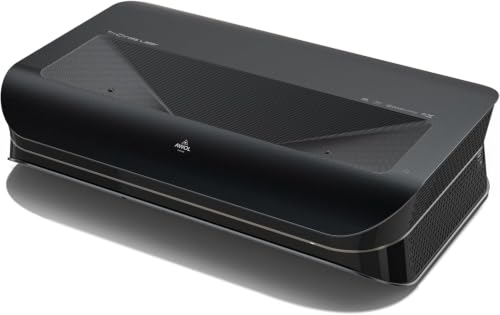

Image Quality: Projectors vs. TVs
When it comes to image quality, traditional TVs generally hold the upper hand. Ultra-short throw projectors can deliver impressive large images, but their brightness levels and color accuracy can vary significantly based on the model and ambient lighting conditions. For instance, projectors often struggle in well-lit environments, where reflections and light interference can diminish the viewing experience.
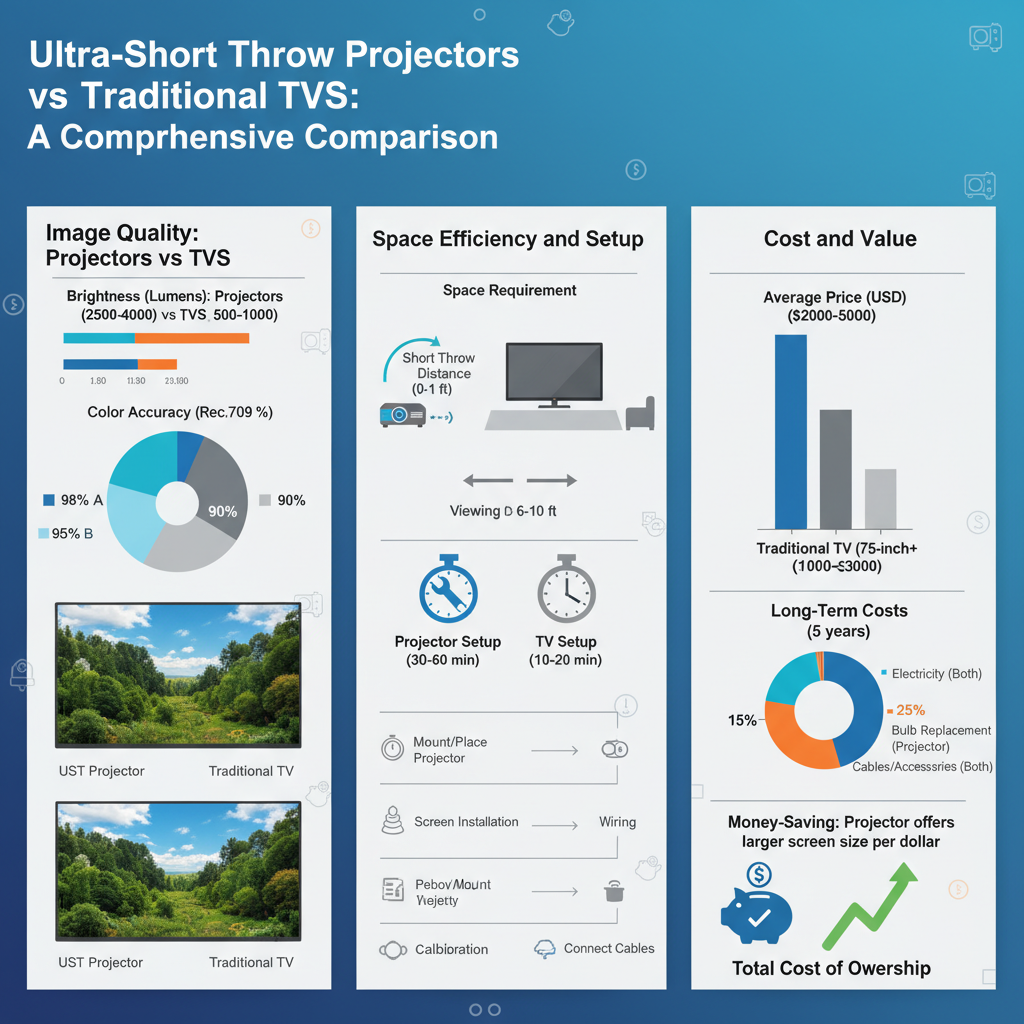
On the other hand, modern TVs, particularly those utilizing OLED and QLED technologies, offer superior picture quality. They achieve vibrant colors, deeper blacks, and sharper contrasts, making them ideal for bright rooms or daytime viewing. A high-end 4K TV can consistently provide an outstanding image, with resolutions that make details pop. If you’re a movie buff or a gamer who values picture fidelity, a traditional TV might be your best bet.
Space Efficiency and Setup
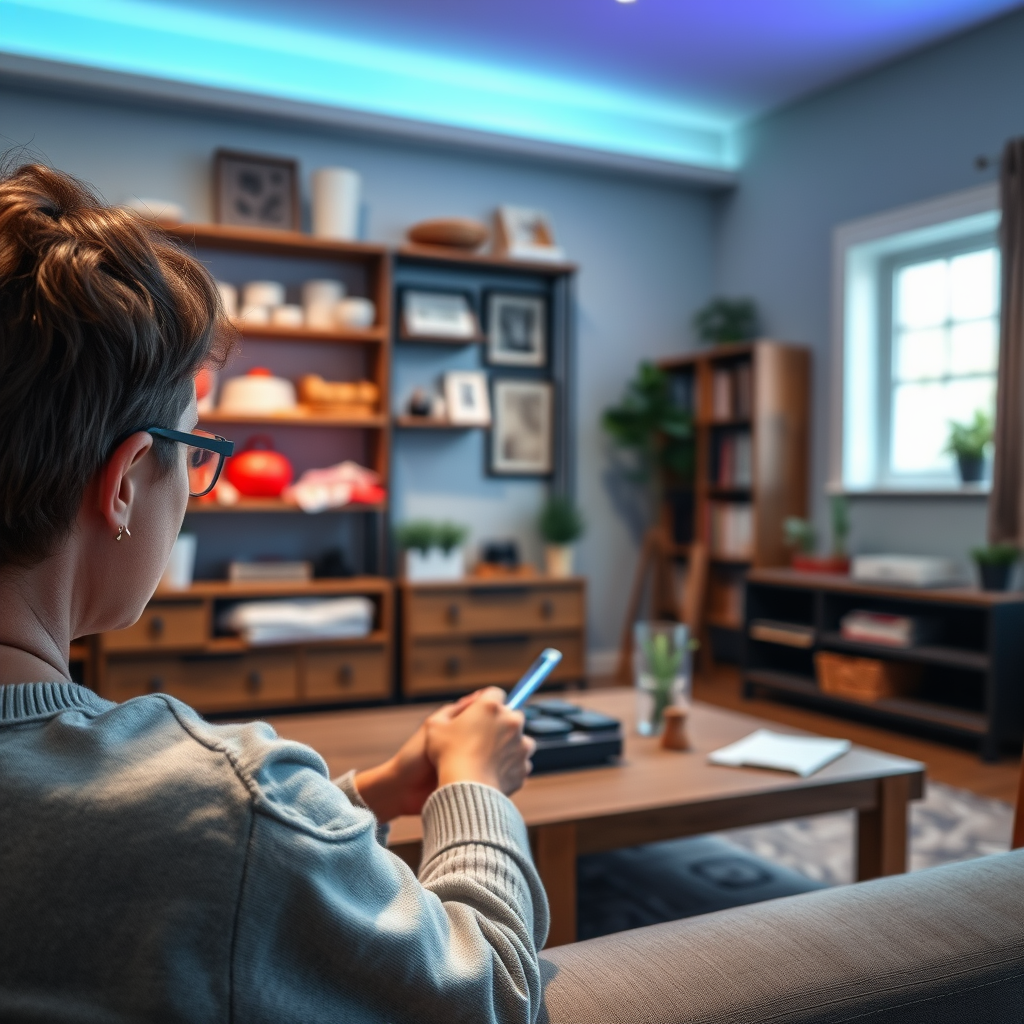
One of the standout features of ultra-short throw projectors is their ability to project large images from a very short distance. This makes them a great choice for apartments or smaller living spaces, where wall space may be limited. For example, a projector mounted just inches from the wall can create a massive 100-inch image, transforming a small room into a mini-theater without the need for extensive setup.
Conversely, traditional TVs require more space for larger screens. A 75-inch TV typically needs a viewing distance of about 10 feet for optimal enjoyment, which might not be feasible in compact living areas. If your living room is cozy, a traditional TV could dominate your space, while a projector allows for a big screen experience without overwhelming the room.
Cost and Value
When evaluating cost and value, it’s important to consider both the initial investment and long-term expenses. Ultra-short throw projectors often come with higher upfront costs, especially for high-quality models that deliver impressive performance. However, they can save you space and offer a larger viewing area compared to similarly priced TVs.
Traditional TVs, on the other hand, feature a wide range of pricing options. You can find budget-friendly models that still offer decent picture quality, making them accessible for various budgets. For example, brands like TCL and Hisense offer affordable 4K TVs that don’t compromise on performance. While the initial cost of a projector might be higher, the value it provides in terms of space-saving and immersive viewing experiences can be well worth it if it fits your lifestyle.
Connectivity and Smart Features
Connectivity and smart features are critical in today’s entertainment landscape. Many ultra-short throw projectors now come equipped with integrated smart features, allowing you to stream directly from popular platforms like Netflix and Amazon Prime. However, the operating systems on these projectors may not be as intuitive or user-friendly as those found on modern TVs.
Traditional TVs generally have a more robust app ecosystem, featuring a wider array of streaming services and applications. Brands like Samsung and LG invest heavily in user experience, ensuring their smart TVs are equipped with easy navigation and regular software updates. If you often use streaming services, a traditional TV might provide a more seamless experience.
Maintenance and Longevity
Maintenance and longevity are essential factors to consider when investing in home entertainment technology. Ultra-short throw projectors may require bulb replacements and occasional cleaning, which can add to long-term ownership costs. For example, some high-quality projectors have bulbs that last around 15,000 hours, but if you find yourself frequently using the projector, you could face replacement costs sooner than expected.
Traditional TVs typically have longer lifespans with less maintenance involved. Most modern TVs can last over a decade without any significant issues, and they don’t require bulb replacements. This durability makes TVs a reliable choice for many consumers who prefer a straightforward, hassle-free viewing experience.
Ideal Use Cases
The ideal use cases for these technologies vary based on lifestyle and viewing preferences. Ultra-short throw projectors are fantastic for home theaters, gaming, and immersive experiences, especially where space is a premium. They allow for a cinematic experience that can transform movie nights with family and friends into an adventure.
In contrast, traditional TVs excel in everyday viewing situations. They are perfect for watching the news, casual entertainment, or binge-watching your favorite series. Their ease of use, combined with consistent performance, makes them a reliable choice for families and individuals who want a straightforward setup.
Both ultra-short throw projectors and traditional TVs have their strengths and weaknesses. Your choice will ultimately depend on your space, budget, and viewing preferences. If you value a large screen and space efficiency, a projector may be the way to go. However, if picture quality and user experience are your top priorities, a traditional TV could be your best bet. Consider your specific needs and explore your options to make the best decision for your home entertainment setup.
Frequently Asked Questions
What are the main advantages of using an ultra-short throw projector over a traditional TV?
Ultra-short throw projectors offer several advantages compared to traditional TVs. Firstly, they require significantly less space, making them ideal for small rooms or apartments where wall space is limited. Additionally, they can produce a large screen size (often exceeding 100 inches) without the need for a large viewing distance, creating an immersive experience. Furthermore, many ultra-short throw projectors include features like 4K resolution and smart capabilities, providing a high-quality viewing experience similar to that of modern TVs.
How do ultra-short throw projectors perform in terms of image quality compared to traditional TVs?
Image quality is a critical factor when comparing ultra-short throw projectors to traditional TVs. While high-end projectors can deliver stunning visuals with excellent color accuracy and contrast, traditional TVs, especially OLED and QLED models, often excel in brightness and sharpness, particularly in well-lit environments. However, newer ultra-short throw projectors are continuously improving, with many models now offering 4K resolution and HDR support, making them competitive in terms of image quality, especially in controlled lighting conditions.
Why should I consider an ultra-short throw projector for gaming instead of a traditional TV?
If you’re a gamer, an ultra-short throw projector can enhance your gaming experience by providing a massive display size, which can be especially beneficial for immersive gameplay. Many modern ultra-short throw projectors also support low input lag and high refresh rates, making them suitable for fast-paced gaming. Additionally, their ability to project large images in smaller spaces means you can enjoy a cinematic experience without sacrificing room aesthetics or space, unlike traditional TVs which may require more distance for optimal viewing.
What is the best room setup for an ultra-short throw projector compared to a traditional TV?
The best room setup for an ultra-short throw projector typically involves a flat wall or a dedicated screen that is close to the projector. Since these projectors are designed to be placed just inches away from the wall, they are perfect for tight spaces. In contrast, traditional TVs can be placed at various distances depending on their size, and they generally require more space for optimal viewing angles. For both setups, controlling ambient light can significantly enhance the viewing experience, but ultra-short throw projectors tend to perform better in dimly lit environments.
Which is more cost-effective: ultra-short throw projectors or traditional TVs?
The cost-effectiveness of ultra-short throw projectors versus traditional TVs can vary based on individual needs and usage. While ultra-short throw projectors might have a higher initial purchase price, especially for models with advanced features, they can save space and provide a larger screen size, which may justify the cost for some users. On the other hand, traditional TVs, particularly LED models, can be found at a wide range of prices, often making them more accessible for budget-conscious consumers. Ultimately, the decision should factor in screen size, desired features, and the specific environment where the device will be used.
References
- https://en.wikipedia.org/wiki/Projector
- https://www.theguardian.com/technology/2020/nov/02/projectors-vs-tvs-which-is-better
- https://www.sciencedirect.com/science/article/pii/S1877050919311563
- https://www.nytimes.com/2020/11/23/technology/personaltech/tvs-vs-projectors.html
- https://www.edn.com/choosing-the-right-display-for-your-audio-visual-environment/
- https://www.wired.com/story/home-theater-projector-vs-tv/
- https://www.consumerreports.org/tvs/ultra-short-throw-projectors-vs-tvs-a8672079645/