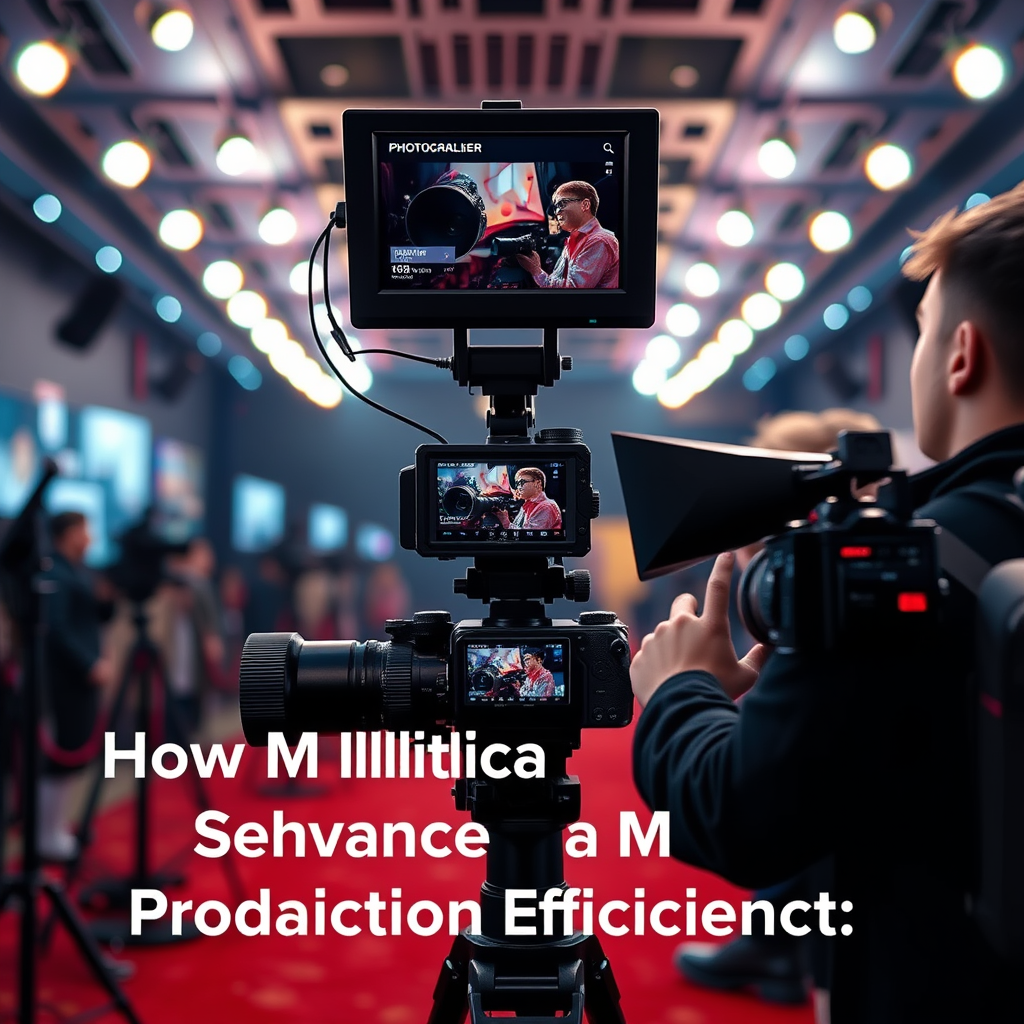

Multi-camera setups significantly enhance movie production efficiency by allowing filmmakers to shoot multiple angles simultaneously, which not only speeds up the filming process but also enriches the storytelling experience. By capturing various perspectives in a single take, filmmakers can make the most of their resources and time, creating a more dynamic and engaging final product. In this article, we will delve into the advantages of using multi-camera setups in film production, including efficiency, flexibility, and creative opportunities that can elevate any project.
Benefits of Multi-Camera Setups
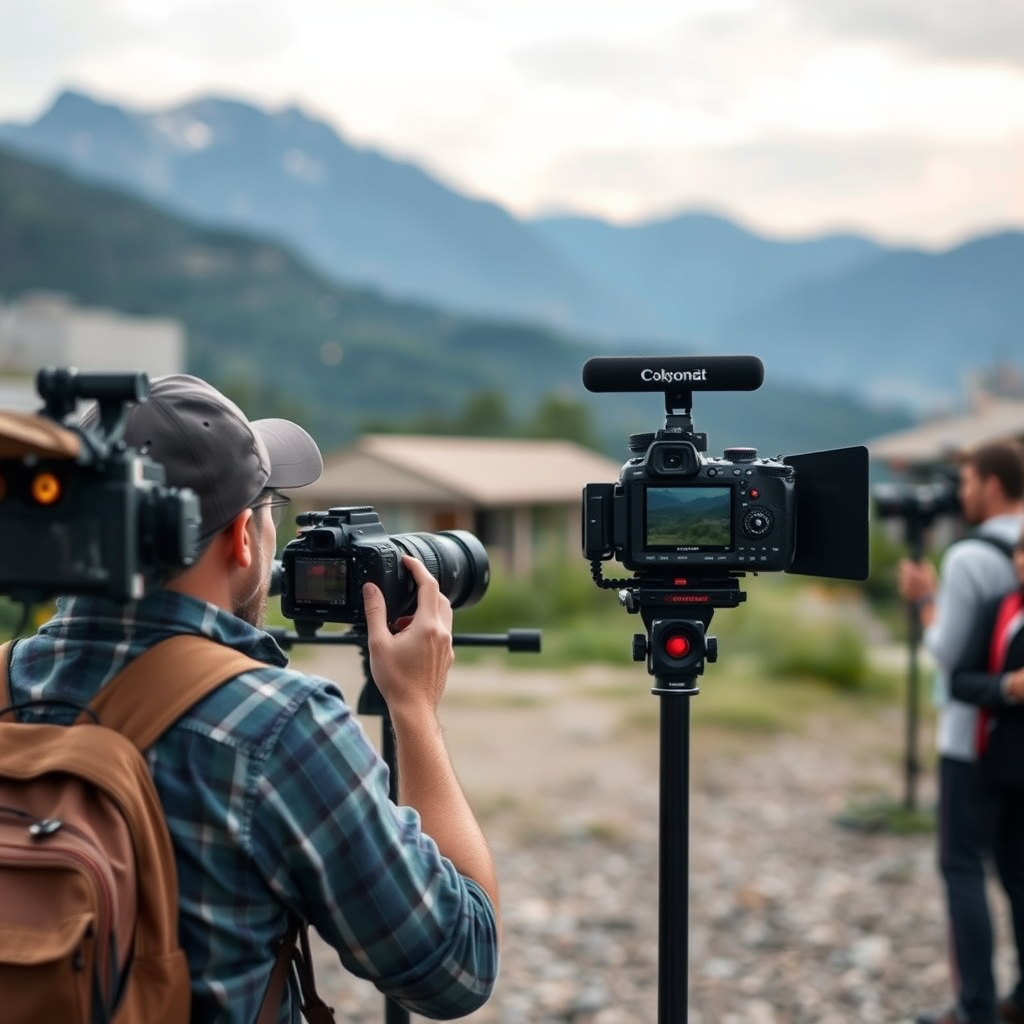
One of the most compelling reasons to adopt a multi-camera setup is the increased filming speed it provides. By capturing multiple angles in a single take, directors can significantly reduce the number of times a scene needs to be shot. For instance, consider a dramatic conversation between two characters; with a multi-camera approach, the director can film both actors’ performances from different angles simultaneously, eliminating the need to reshoot the scene multiple times for different perspectives. This not only saves time on set but also keeps the energy and emotional continuity intact.
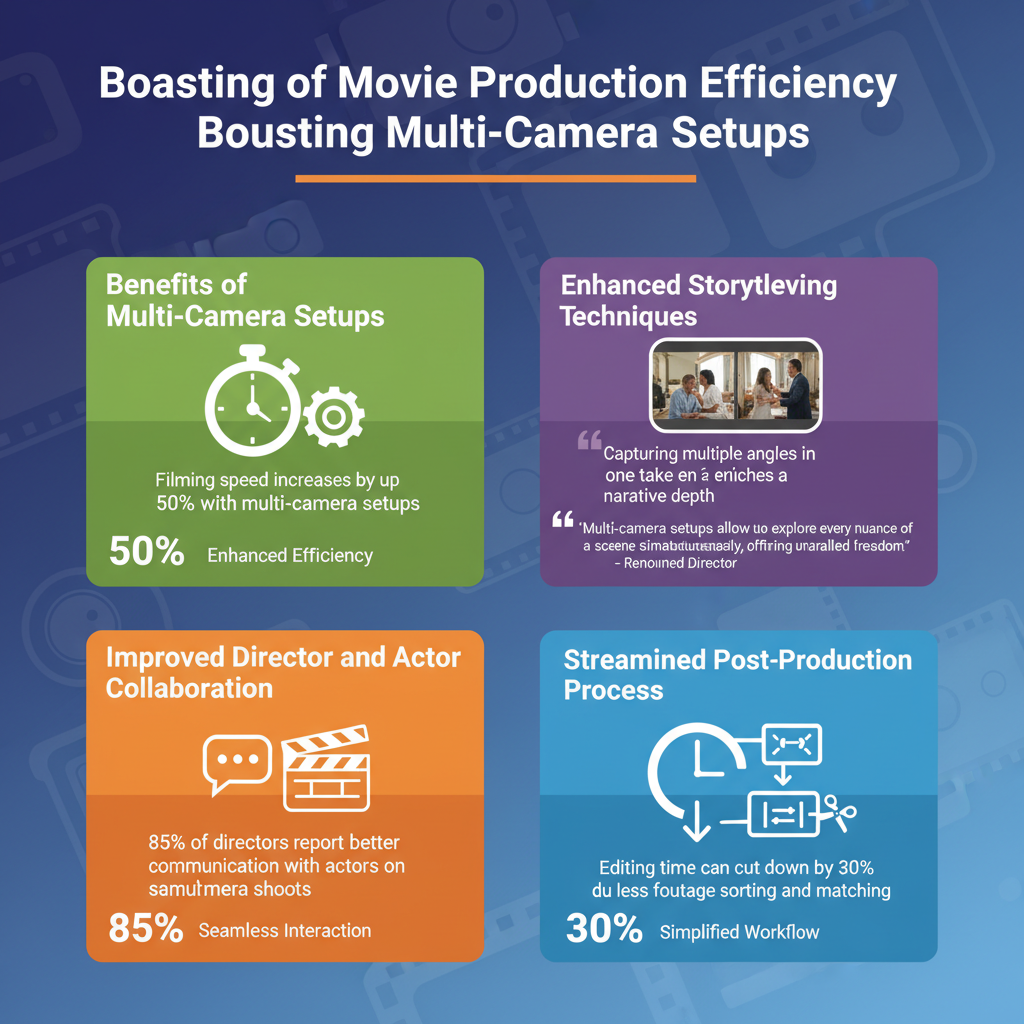
Moreover, the reduced production time and costs associated with multi-camera setups allow filmmakers to allocate their resources more efficiently. Imagine a tight shooting schedule on a low-budget indie film; by using a multi-camera approach, filmmakers can maximize their shooting days, minimizing the need for expensive overtime or additional days on location. This efficient use of resources can be a game-changer, especially for projects that have limited budgets but still aim for high production quality.
Enhanced Storytelling Techniques
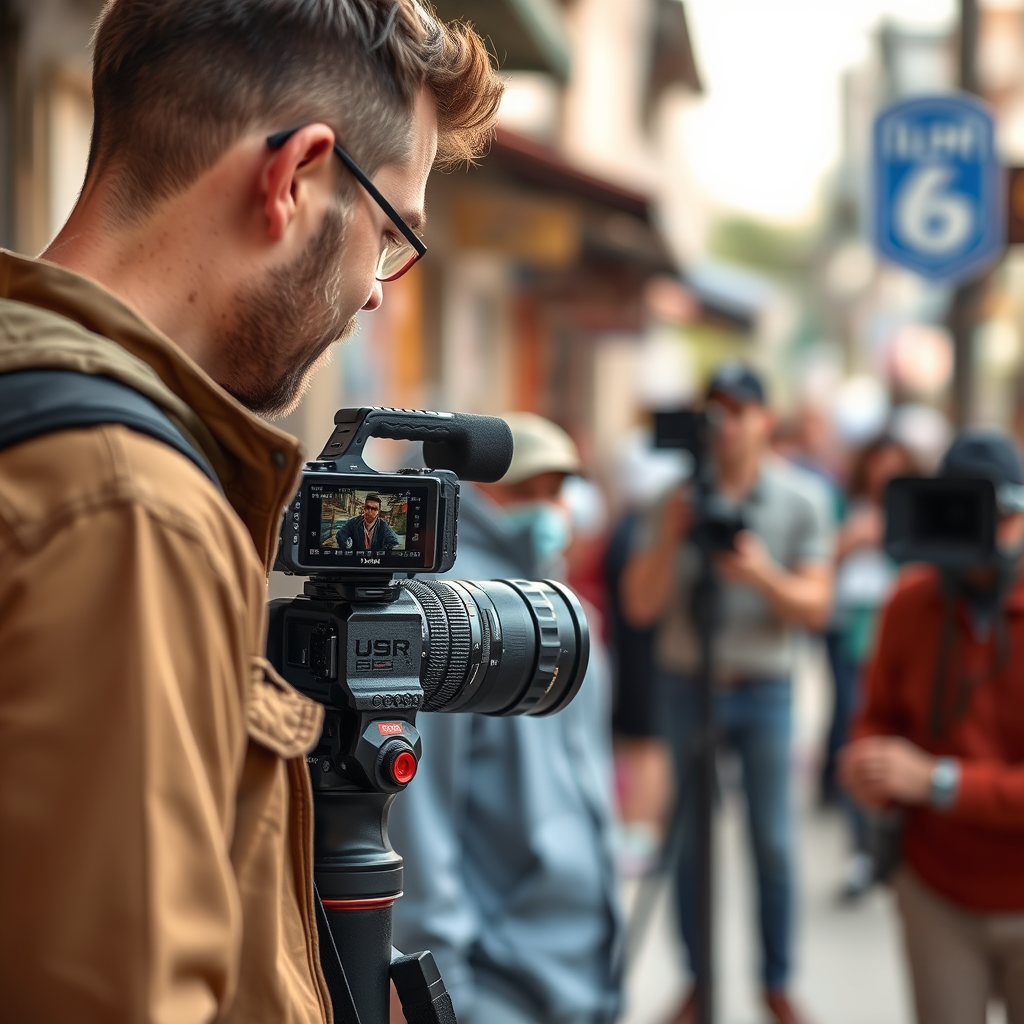
Multi-camera setups also provide filmmakers with the ability to capture nuanced performances from different perspectives, which can dramatically enhance storytelling depth. For example, in a tense scene where emotions run high, having multiple cameras can help capture subtle facial expressions and body language that might be missed in a single-camera setup. This variety allows editors to choose the most impactful shots, ultimately crafting a more engaging narrative.
Additionally, multi-camera setups create greater opportunities for dynamic action sequences and emotional depth. In action films, for instance, directors can shoot complex stunts from various angles, ensuring that every thrilling moment is captured. This approach not only heightens the action but also adds layers to the emotional storytelling, as viewers can witness characters’ reactions from different perspectives. The result is a more immersive experience that draws the audience into the narrative.
Improved Director and Actor Collaboration
The collaborative environment fostered by multi-camera setups enhances the relationship between directors and actors. With the ability to view multiple takes in real-time, directors can make quicker decisions about which performances resonate best with the story they want to tell. This instant feedback loop can lead to a more efficient shoot, as any adjustments or re-takes can be identified and addressed immediately.
For actors, performing in a more natural environment with fewer interruptions can lead to more authentic performances. With a single-camera setup, actors may have to repeatedly perform the same scene, which can disrupt the flow of their performance. However, in a multi-camera setup, they can maintain their momentum and emotional continuity, allowing for a more genuine portrayal of their characters. This collaborative synergy not only enhances the quality of the performances but also contributes to a more positive working atmosphere on set.
Streamlined Post-Production Process
The benefits of multi-camera setups extend beyond the filming phase into post-production as well. With a variety of angles to choose from, editors can create a more polished final cut. The wealth of footage from different perspectives allows for greater creativity in editing, as editors can weave together the most compelling shots to tell the story effectively.
Additionally, synchronizing audio and video from multiple sources becomes easier, thanks to technological advancements in software solutions. Many editing programs now include features that automatically align audio tracks with video, streamlining the editing process. This can save hours of painstaking work, ultimately allowing for a quicker turnaround on the final product.
Versatility Across Different Genres
Multi-camera setups are not just limited to one type of film; they are incredibly versatile and beneficial across various genres, including action, comedy, and live performances. In comedy, for instance, timing is everything, and being able to capture multiple angles of a scene can help editors choose the best comedic timing for jokes and punchlines. This flexibility can make a significant difference in how the humor translates on screen.
In action films, the ability to capture dynamic sequences from multiple perspectives can enhance the intensity of the viewing experience. For live performances, such as concerts or theater productions, multi-camera setups allow for a comprehensive view of the event, ensuring that no moment is missed. This versatility enables filmmakers to experiment creatively with shot compositions and angles, ultimately enriching the storytelling experience.
Technological Advancements Supporting Multi-Camera Setups
The rise of multi-camera setups has been greatly supported by technological advancements in camera equipment and software. Innovations such as lightweight camera designs, high-definition capabilities, and wireless technology have made it easier than ever for filmmakers to implement multi-camera systems. This means that filmmakers can set up multiple cameras without the burden of heavy, cumbersome equipment, allowing for more agile shooting.
Furthermore, enhanced software solutions for live switching and monitoring during filming have revolutionized the way filmmakers approach production. Tools that allow for real-time switching between camera feeds enable directors to see how the scene looks from different angles as it unfolds. This instant feedback can help in making crucial decisions on the fly, ensuring that the final product aligns with the creative vision.
By utilizing multi-camera setups, filmmakers can significantly enhance their production workflow while also enriching the viewing experience. The combination of speed, creativity, and collaboration leads to more compelling films that resonate with audiences. If you’re involved in movie production, consider integrating multi-camera setups into your next project to maximize efficiency and creativity. The future of filmmaking is bright, and embracing these innovative techniques can set your work apart in a competitive industry.
Frequently Asked Questions
What are the primary benefits of using a multi-camera setup in movie production?
A multi-camera setup in movie production offers numerous benefits, including increased shooting efficiency, enhanced coverage of scenes, and improved continuity. By capturing multiple angles simultaneously, filmmakers can save time during filming and reduce the need for reshoots, ultimately streamlining the production process. Additionally, it allows for dynamic storytelling by providing diverse perspectives, which can enhance the emotional impact of key moments.
How does a multi-camera setup improve the editing process in film production?
A multi-camera setup simplifies the editing process by providing editors with a wealth of footage from various angles to choose from. This flexibility allows for smoother transitions between shots, maintaining continuity and rhythm in the final cut. Moreover, having multiple angles of the same scene can help editors select the best performances and reactions, creating a more engaging narrative for viewers.
Why is a multi-camera approach favored for live television and events?
A multi-camera approach is favored for live television and events because it captures real-time action from multiple angles, ensuring that viewers don’t miss any critical moments. This setup allows directors to switch between cameras seamlessly, creating a dynamic viewing experience that keeps audiences engaged. Furthermore, it minimizes production delays by allowing for immediate coverage of live events, which is crucial in maintaining the flow of the broadcast.
What types of films benefit the most from multi-camera setups?
Films that feature complex action sequences, ensemble casts, or intricate dialogue scenes benefit significantly from multi-camera setups. Action films, for instance, can capture thrilling stunts and choreography from various angles, enhancing the visual excitement. Similarly, comedies and dramas with extensive dialogue can utilize multi-camera techniques to capture the nuances of performances and reactions, ensuring the film’s emotional depth is conveyed effectively.
Which equipment is essential for setting up a multi-camera system in movie production?
Essential equipment for setting up a multi-camera system includes multiple high-quality cameras, tripods or stabilizers, and a robust switcher for live editing. Additionally, audio equipment, such as microphones and mixing consoles, is crucial to ensure synchronized sound across all cameras. Proper lighting setups are also necessary to maintain consistent visual quality, ensuring that all cameras produce a cohesive look during filming.
References
- Cinematography
- https://www.theguardian.com/film/2020/jan/20/how-technology-is-changing-the-way-films-are-made
- Karim Aïnouz talks new Algerian revolution doc ‘Nardjes, Algiers, March 2019’ (exclusive) | News …
- https://www.npr.org/sections/monkeysee/2013/10/17/236742389/a-multi-camera-approach-to-tv-comedy
- https://www.pbs.org/newshour/show/how-multi-camera-setups-are-changing-the-way-films-are-made
- https://www.filmschoolrejects.com/multi-camera-setups-advantage/
- https://www.wired.com/story/multi-camera-production/
- https://www.sciencedirect.com/science/article/pii/S1877050917315047