

Facial recognition technology in public surveillance is a double-edged sword that can enhance security while simultaneously raising significant ethical concerns. It poses serious questions about privacy, potential biases, and accountability, making it essential for us to navigate this complex landscape carefully. This article explores these critical issues, shedding light on the implications of facial recognition in public spaces and offering insights into how stakeholders can address these challenges effectively.
The Privacy Dilemma
Facial recognition technology can infringe on individual privacy rights, as it enables constant tracking and identification without consent. Imagine walking through a crowded city street, and every face is captured, analyzed, and logged without any awareness or agreement from those individuals. This reality can feel invasive and unsettling, especially as the technology becomes more pervasive in everyday life. The balance between public safety and personal privacy is a contentious issue that requires careful consideration. While proponents argue that facial recognition can help prevent crime and enhance public safety, opponents warn that it can lead to a surveillance state where individuals are constantly monitored, stifling free expression and eroding civil liberties.
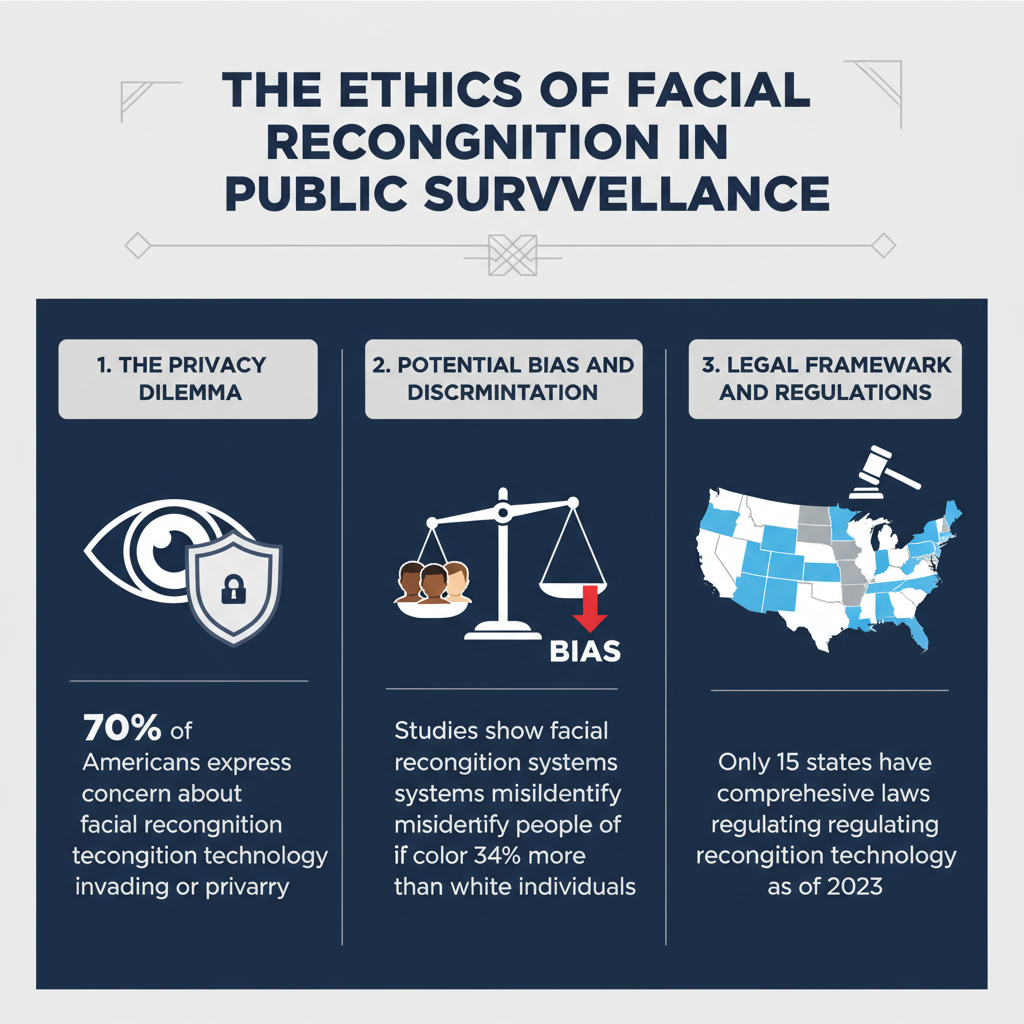
To illustrate, consider the deployment of facial recognition cameras in urban areas. Cities like London and San Francisco have experimented with such systems, claiming they enhance security and deter criminal activity. However, these initiatives often face backlash from privacy advocates who argue that the potential for abuse and misuse far outweighs the benefits. Engaging citizens in discussions about their privacy rights and the implications of surveillance technology is crucial for finding a middle ground that respects individual autonomy while addressing public safety concerns.
Potential Bias and Discrimination
Studies have shown that facial recognition systems can exhibit racial and gender biases, leading to unfair treatment of marginalized groups. For instance, a landmark study by the MIT Media Lab found that facial recognition software misidentified darker-skinned individuals, particularly women, at significantly higher rates than lighter-skinned individuals. This bias can lead to wrongful accusations and further entrench systemic inequalities, raising moral questions about the technology’s reliability and fairness.
The implications of biased algorithms extend beyond just misidentification. They can perpetuate existing stereotypes and contribute to discriminatory practices in law enforcement. For example, if a facial recognition system disproportionately flags individuals from specific racial or ethnic backgrounds as suspicious, it can fuel racial profiling and unjust policing practices. To combat these issues, it’s vital for developers to conduct rigorous testing across diverse demographic groups and to be transparent about the limitations of their technology. Regular audits and community feedback mechanisms can also help ensure that the systems serve all individuals fairly and equitably.
Legal Framework and Regulations
Current laws surrounding facial recognition use in public surveillance are often outdated and inconsistent, leading to gaps in protections. In the United States, for example, there is no federal law specifically governing the use of facial recognition technology, which means that regulations can vary widely from state to state. Some states have enacted bans or moratoriums on facial recognition in law enforcement, while others have embraced it without stringent oversight.
Advocacy for clearer regulations is essential to ensure ethical standards are upheld in technology deployment. Policymakers need to collaborate with technologists, civil rights organizations, and the public to draft comprehensive legislation that addresses privacy concerns, mandates transparency, and establishes accountability for misuse of the technology. For instance, requiring law enforcement agencies to obtain warrants before using facial recognition to surveil individuals could strike a balance between safety and privacy rights. As technology evolves, so too must our legal frameworks to protect citizens in an increasingly digital world.
Public Perception and Trust
Public attitudes towards facial recognition vary, with many expressing concerns over surveillance and the potential misuse of their data. A survey by the Pew Research Center found that a significant majority of Americans feel uneasy about the government using facial recognition technology to track individuals in public spaces. This skepticism can erode trust in law enforcement and other institutions if not addressed properly.
Building trust through transparency and community engagement is crucial for the responsible use of this technology. Law enforcement agencies should openly communicate how they intend to use facial recognition, include community input in decision-making processes, and provide assurance that there are safeguards against misuse. Initiatives like public forums, educational campaigns, and pilot programs can help demystify the technology and involve citizens in discussions about its ethical implications. By fostering an environment of openness, stakeholders can cultivate a sense of security around the use of facial recognition while respecting the public’s right to privacy.
Case Studies and Real-World Applications
Analyzing real-world implementations of facial recognition can highlight both successful uses and significant failures. For example, in 2017, the city of Orlando, Florida, used facial recognition technology to successfully identify a suspect in a homicide case, showcasing its potential to assist law enforcement in solving crimes. However, these successes are often overshadowed by instances of failure, such as the 2018 incident in Detroit where a man was wrongfully arrested due to a facial recognition system misidentifying him as a suspect.
Case studies can provide lessons learned and best practices for balancing effectiveness with ethical considerations. The experiences of cities that have implemented facial recognition can serve as valuable insights for others contemplating its use. For example, lessons from the Detroit incident underscore the importance of integrating human oversight in the decision-making process and ensuring that technology is complemented by robust investigative procedures. By learning from both successes and failures, stakeholders can better navigate the complexities of ethical facial recognition deployment.
Future Implications and Technological Advancements
The rapid evolution of facial recognition technology presents both opportunities and ethical dilemmas that society must navigate. As the technology advances, it becomes increasingly capable of performing tasks that were once deemed impossible, such as identifying individuals in crowded environments or even predicting behaviors based on facial expressions. However, with these advancements come heightened concerns about privacy, bias, and misuse.
Ongoing discussions about the direction of this technology will shape its role in public surveillance and individual rights. Engaging in proactive dialogues among technologists, policymakers, and civil rights advocates can help foster a balanced approach that ensures innovation does not come at the expense of ethical considerations. As society grapples with the implications of facial recognition, it’s crucial to envision a future where technology is harnessed responsibly, with a commitment to protecting individual rights and promoting social justice.
The complexities of facial recognition in public surveillance necessitate a thoughtful approach that prioritizes ethical considerations. By understanding the implications of this technology, stakeholders can work towards creating frameworks that protect individual rights while addressing public safety needs. Engaging in informed discussions and advocating for responsible policies is essential for a future where technology serves society ethically. Ultimately, the goal should be to leverage facial recognition in ways that enhance security without compromising the foundational values of privacy, equality, and trust.
Frequently Asked Questions
What are the primary ethical concerns surrounding facial recognition technology in public surveillance?
The primary ethical concerns surrounding facial recognition technology in public surveillance include privacy infringement, potential for misuse, and bias in algorithmic decision-making. Many argue that constant monitoring erodes individual privacy rights and can lead to unwarranted surveillance, particularly of marginalized communities. Additionally, studies have shown that facial recognition algorithms can exhibit racial and gender biases, raising questions about fairness and equality in law enforcement practices.
How does facial recognition technology impact personal privacy in public spaces?
Facial recognition technology significantly impacts personal privacy by enabling the tracking and identification of individuals without their consent in public spaces. This surveillance capability can create an environment where people feel constantly watched, leading to self-censorship and reduced freedom of expression. The lack of transparency regarding who is being monitored and how data is used adds to the privacy concerns associated with this technology.
Why is there a growing debate about the regulation of facial recognition in public surveillance?
The growing debate about the regulation of facial recognition in public surveillance stems from the rapid advancement of technology that outpaces existing legal frameworks. Advocates highlight the need for regulations to protect civil liberties, ensure accountability, and prevent abuse by authorities. Additionally, public concern over issues such as wrongful arrests due to misidentification and the potential for authoritarian control has intensified calls for comprehensive oversight and ethical guidelines.
What steps can be taken to ensure ethical use of facial recognition technology in public surveillance?
To ensure ethical use of facial recognition technology in public surveillance, several steps can be implemented, including establishing clear regulations that govern its use, requiring transparency in surveillance practices, and mandating oversight by independent bodies. Additionally, technology developers should prioritize bias mitigation in their algorithms and involve diverse stakeholders in the conversation about ethical standards. Public awareness campaigns can also help inform citizens about their rights and the implications of surveillance.
Which countries have established laws or guidelines regarding the use of facial recognition in public surveillance?
Several countries have established laws or guidelines regarding the use of facial recognition in public surveillance, including the European Union, which has proposed regulations to limit its use and protect individual privacy. In the United States, cities like San Francisco and Boston have enacted bans on facial recognition technology for municipal use. Other countries, such as Canada and Australia, are also developing frameworks to address the ethical implications of facial recognition, reflecting a global trend towards more stringent oversight.
References
- Facial recognition system
- https://www.aclu.org/news/privacy-technology/facial-recognition/
- https://www.bbc.com/news/technology-50545125
- https://www.nytimes.com/2020/01/24/technology/facial-recognition-surveillance.html
- https://www.privacyinternational.org/report/2597/facial-recognition-privacy-and-data-protection
- https://www.eff.org/deeplinks/2021/06/facial-recognition-privacy-and-surveillance
- https://www.ojp.gov/pdffiles1/nij/250650.pdf
- https://www.rand.org/pubs/research_reports/RR3087.html
- https://www.gao.gov/products/gao-21-468