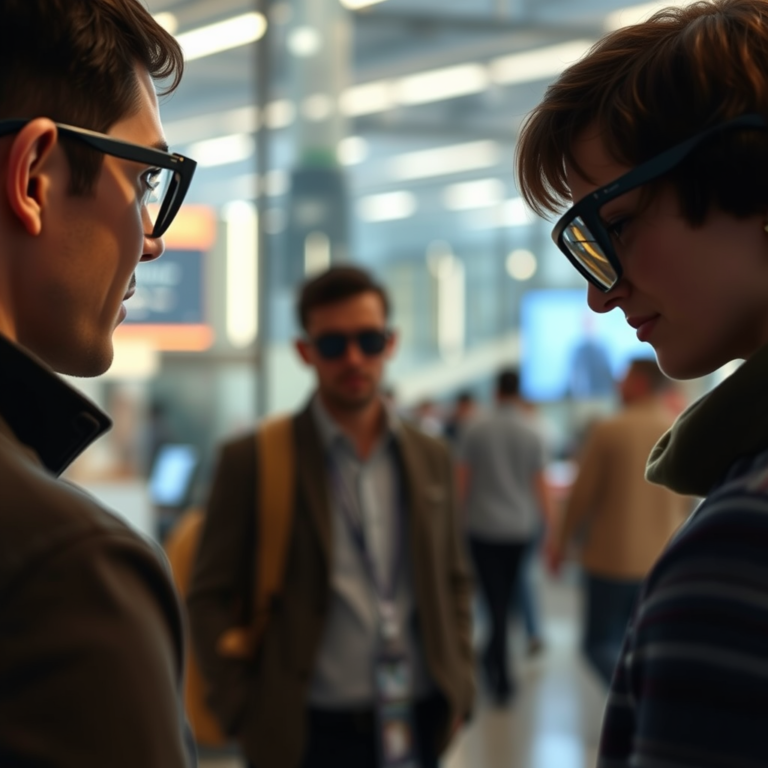

Leveraging advanced algorithms and cutting-edge technology, AI generates holographic advertisements in real-time by analyzing user data and environmental context. This innovative approach is not just a futuristic concept; it’s revolutionizing advertising, enhancing customer engagement, and transforming the way brands connect with their audiences. In this article, we’ll explore the intricacies of holographic advertising, the role of AI, the technology behind it, and its impact on user experience, providing you with a comprehensive understanding of this groundbreaking shift.
Understanding Holographic Advertising

Holographic advertising refers to the use of 3D holograms to promote products and services, creating an eye-catching visual experience that traditional advertising methods simply cannot match. This form of advertising is significant in modern marketing because it allows brands to stand out in a crowded marketplace, capturing consumer attention in a way that flat images and videos cannot. Unlike traditional advertising, which often relies on static visuals and passive consumption, holographic ads are dynamic and engaging, often involving elements that move or interact with the viewer.

The key distinction between traditional and holographic advertising lies in the level of engagement and immersion offered. Traditional ads, whether in print or digital formats, deliver messages through flat images or 2D videos that may not fully resonate with consumers. In contrast, holographic advertisements enable a three-dimensional interaction where viewers can walk around the display and see products from various angles, creating a memorable and impactful experience.
The Role of AI in Holographic Ads

AI plays a pivotal role in transforming the way holographic advertisements are created and delivered. By utilizing advanced algorithms, AI analyzes vast amounts of data, including user behavior, preferences, and even real-time environmental factors, to tailor content specifically for individual consumers. For instance, if someone is walking past a holographic ad in a shopping mall, AI can adjust the displayed content based on their past interactions or demographic data, ensuring relevance and increasing the chances of consumer engagement.
Machine learning processes are crucial in the real-time generation of these holographic ads. AI systems continuously learn from user interactions, refining their algorithms to enhance the personalization of advertisements. As users engage with holographic content, the system gathers insights and optimizes future displays, making the advertisements increasingly effective. This adaptability is what sets AI-generated holographic ads apart from more conventional marketing tactics.
Technologies Behind Real-Time Holography
Creating compelling holographic advertisements requires sophisticated hardware and software. The hardware typically includes high-resolution projectors capable of producing vivid 3D images, spatial computing devices, and augmented reality (AR) glasses or headsets that enhance the viewing experience. Companies like Microsoft, with their HoloLens, and Magic Leap are at the forefront of developing these technologies, making holographic experiences more accessible to brands.
On the software side, platforms like Unity and Unreal Engine are instrumental in enabling marketers to design and deploy holographic advertisements. These software solutions provide tools for creating interactive environments where holograms can be manipulated in real-time, allowing for a seamless blend of digital and physical worlds. Furthermore, cloud computing platforms facilitate the storage and processing of the data needed to deliver these holographic experiences efficiently, ensuring that ads can be updated and tailored on-the-fly based on user interactions.
Enhancing User Experience
One of the most significant advantages of holographic ads is their ability to provide immersive experiences that truly capture consumer attention. Traditional advertising methods often struggle to engage viewers in meaningful ways; however, holographic ads draw people in with stunning visuals and interactive elements that encourage exploration. For example, a holographic display of a new car model might allow users to open the car doors or change the color of the vehicle with a simple gesture, making the experience engaging and memorable.
Interactivity is a game-changer in promoting brand recall. When users actively participate in the ad experience, they are more likely to remember the brand and the message being conveyed. Furthermore, this level of engagement fosters emotional connections, as consumers feel more involved and invested in the brand narrative. Brands that utilize holographic advertising can effectively create lasting impressions, ultimately leading to higher conversion rates and customer loyalty.
Case Studies and Success Stories
Several brands have successfully implemented AI-generated holographic advertisements, showcasing the effectiveness of this innovative approach. For instance, PepsiCo launched a holographic campaign for its Mountain Dew brand, where a 3D hologram of a DJ performed live at a music festival. The interactive display not only attracted large crowds but also generated buzz on social media, significantly increasing brand visibility.
Another notable example is the use of holographic ads by fashion retailers. Companies like Dior have introduced holographic displays in their storefronts, allowing passersby to see models wearing their latest collections in lifelike 3D. This engaging presentation has led to a noticeable uptick in foot traffic and sales, demonstrating the measurable impact of holographic advertising.
Metrics from these campaigns indicate that brands leveraging holographic technology see higher engagement rates compared to traditional advertising methods. For example, campaigns utilizing holographic ads have reported up to a 30% increase in viewer engagement and a substantial boost in brand recall, showcasing the effectiveness of this cutting-edge approach.
Challenges and Limitations
Despite the exciting potential of AI-generated holographic advertisements, there are challenges and limitations to consider. Technical challenges may arise in the form of high production costs and the need for specialized skills to create and manage holographic content. Additionally, the infrastructure required for deploying holographic displays in public spaces can be costly and complex.
Ethical concerns also come into play, particularly regarding privacy and data security. As AI analyzes user data to personalize ads, there is a growing concern about how this information is collected, stored, and utilized. Brands must navigate these complexities carefully, ensuring they comply with privacy regulations and maintain consumer trust.
Future Trends in Holographic Advertising
Looking ahead, the evolution of holographic advertising technologies is set to continue at a rapid pace. As advancements in AI and augmented reality unfold, we can expect even more sophisticated and immersive advertising experiences. Future developments may include improved holographic displays that require less space and lower costs, making them more accessible to a wider range of businesses.
Moreover, as AI becomes more adept at understanding consumer behavior, the personalization of holographic ads will reach new heights. Brands will have the ability to create highly targeted campaigns that resonate with individual consumers based on their preferences and real-time context. This evolution will undoubtedly shape marketing strategies, pushing brands to innovate continually and adapt to the changing landscape.
The integration of AI-generated holographic advertisements marks a significant shift in advertising methods, offering brands unprecedented opportunities to engage with consumers. By understanding the technologies and strategies involved, marketers can harness this innovation to create captivating and effective campaigns. As we move forward, embracing the power of holography and AI will be essential for brands looking to stay ahead in the competitive landscape and connect with their audiences in meaningful ways.
Frequently Asked Questions
What are holographic advertisements and how do they work?
Holographic advertisements are three-dimensional visual displays that create the illusion of depth, enhancing viewer engagement. They utilize advanced technologies like light field displays and augmented reality to project images that appear to float in space. By combining this visual innovation with artificial intelligence, marketers can generate dynamic content that adapts in real-time to audience reactions and environmental factors, making advertisements more immersive and effective.
How does AI contribute to the generation of real-time holographic advertisements?
AI plays a crucial role in processing vast amounts of data to create personalized holographic advertisements in real-time. Through machine learning algorithms, AI analyzes user behavior, preferences, and even emotional responses to tailor holographic content that resonates with viewers. This capability allows for timely adjustments in the advertisement’s visuals and messaging, ensuring maximum engagement and relevance for the target audience.
Why should businesses consider using holographic advertisements powered by AI?
Businesses should consider AI-powered holographic advertisements because they offer a unique and captivating way to capture consumer attention in a saturated market. These ads can enhance brand recall and drive engagement by providing interactive experiences that traditional advertising formats often lack. Furthermore, real-time customization through AI ensures that advertising campaigns can efficiently adapt to consumer trends and behaviors, maximizing return on investment.
What are the best practices for creating effective AI-generated holographic advertisements?
To create effective AI-generated holographic advertisements, businesses should focus on several best practices. First, ensure that the content is visually striking and aligns with the brand’s identity to capture attention. Additionally, leveraging data analytics to understand customer preferences can enhance personalization. Finally, incorporating interactive elements can increase viewer engagement, making advertisements more memorable and impactful.
Which industries can benefit the most from real-time holographic advertisements powered by AI?
Various industries can greatly benefit from real-time holographic advertisements, particularly retail, entertainment, and real estate. Retailers can create immersive shopping experiences that showcase products in 3D, while the entertainment industry can enhance movie promotions with stunning visuals. Real estate companies can utilize holographic technology for virtual property tours, allowing potential buyers to visualize spaces without being physically present, making it a versatile tool across sectors.
References
- Holography
- https://www.sciencedirect.com/science/article/pii/S1877050920300310
- https://www.nature.com/articles/s41598-020-67614-8
- https://www.reuters.com/technology/holographic-advertising-2021-08-03/
- https://www.bbc.com/news/technology-54707754
- https://www.forbes.com/sites/bernardmarr/2021/03/01/the-future-of-holographic-advertising/
- https://www.techrepublic.com/article/how-holograms-could-revolutionize-advertising/
- https://www.wired.com/story/holograms-advertising/