AI-powered X-ray and MRI displays are transforming medical imaging by significantly enhancing both diagnostic accuracy and efficiency. By utilizing advanced machine learning algorithms, these displays analyze imaging data in real-time, enabling healthcare professionals to make quicker, more informed decisions. This breakthrough technology not only streamlines workflows but also paves the way for improved patient outcomes. In this article, we will delve into the advancements in AI technology, the benefits for healthcare professionals, the impact on patient care, the challenges of implementation, future trends, and inspiring case studies showcasing success stories in this burgeoning field.
Advancements in AI Technology
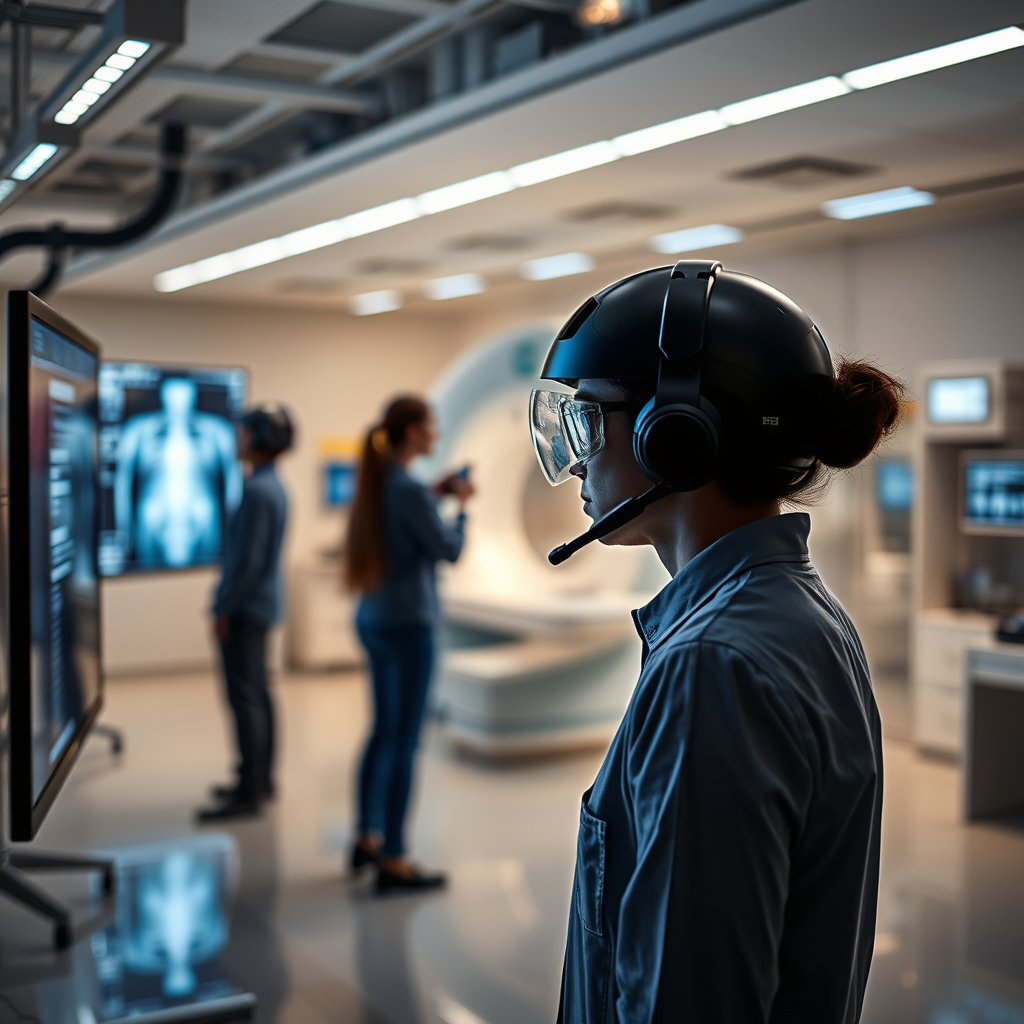
AI technology has made remarkable strides in the realm of medical imaging. One of the most significant advancements is the enhancement of image clarity and detail through sophisticated algorithms. Traditional imaging techniques often struggle with noise and artifacts that can obscure critical details. However, AI algorithms can process images to enhance their clarity, making it easier for radiologists to discern subtle variations that may indicate disease.

Moreover, the integration of deep learning techniques has revolutionized the ability to identify patterns and anomalies in imaging data. Deep learning models can be trained on vast datasets, allowing them to recognize complex patterns that may be imperceptible to the human eye. For instance, algorithms can be programmed to detect early signs of tumors or fractures, contributing to earlier interventions and better patient prognoses. This level of precision is not just a theoretical advantage; studies have shown that AI can match or even exceed the accuracy of human radiologists in specific scenarios, heralding a new era in diagnostic imaging.
Benefits for Healthcare Professionals
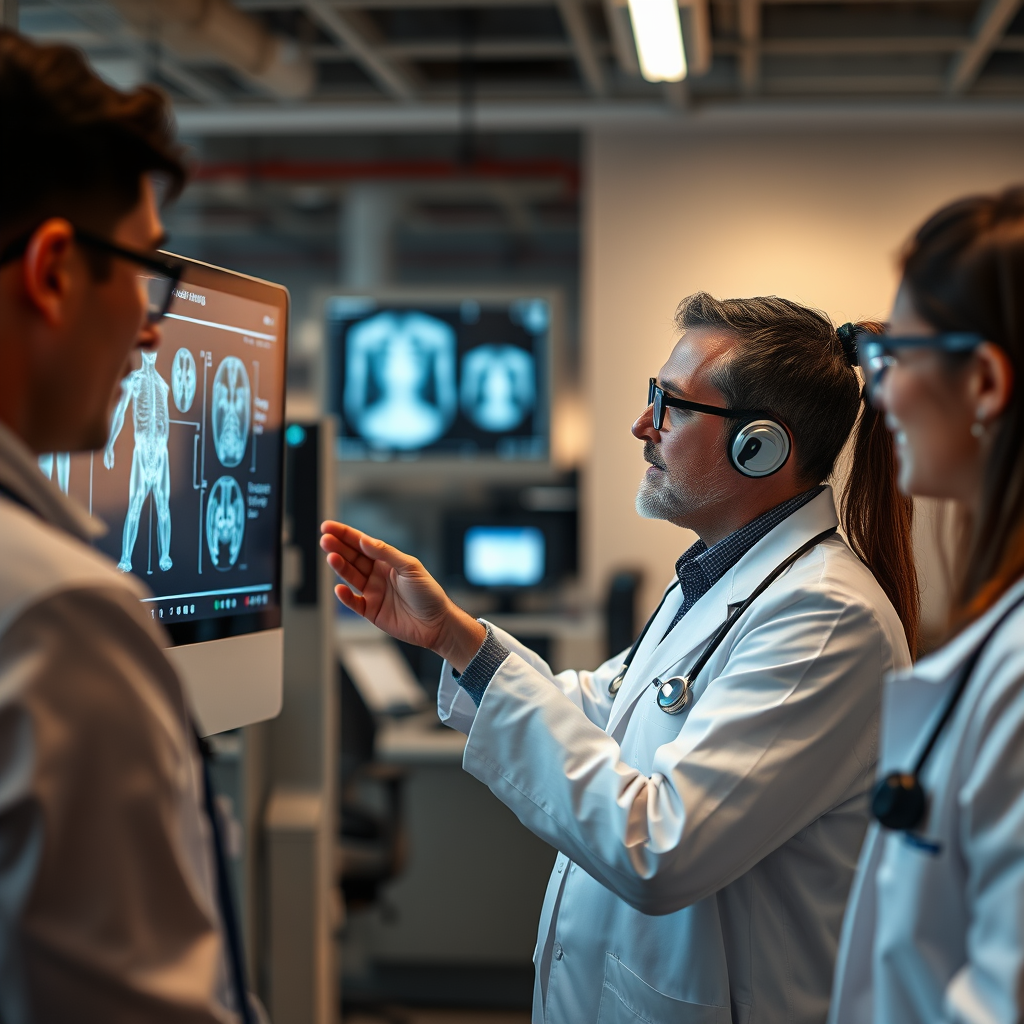
The benefits of AI-powered displays for healthcare professionals are manifold. Firstly, improved diagnostic accuracy leads to better patient outcomes. With AI’s ability to quickly analyze and highlight potential issues within imaging, radiologists can focus their expertise on interpreting the findings rather than sifting through images. This collaboration between human expertise and machine efficiency ensures that critical diagnoses are not missed.
Additionally, AI technology introduces time-saving features that streamline workflow and reduce fatigue among healthcare professionals. The automation of routine tasks, such as image sorting and preliminary assessments, allows radiologists to allocate their time more effectively. For example, AI can flag images that require immediate attention, enabling professionals to prioritize urgent cases. This efficiency not only alleviates the pressure on healthcare providers but also fosters a more balanced work environment, ultimately benefiting both staff and patients alike.
Impact on Patient Care
AI-powered imaging technologies have a profound impact on patient care, primarily through quicker diagnosis and treatment plans for urgent cases. In emergency scenarios, where every second counts, the ability to swiftly analyze X-rays and MRIs can be life-saving. For instance, AI can assist in rapidly identifying conditions such as strokes or traumatic injuries, enabling medical teams to respond with appropriate treatment without delay.
Furthermore, AI enhances communication of findings with patients through visual aids. Healthcare professionals can use AI-generated visualizations to explain complex medical conditions in a more comprehensible manner. Imagine a doctor showing a patient a side-by-side comparison of a healthy organ and the affected one, backed by AI insights. This not only empowers patients with knowledge but also fosters trust in their healthcare providers, leading to better cooperation in treatment plans.
Challenges in Implementation
Despite the promising advancements, several challenges accompany the implementation of AI-powered imaging solutions. One significant hurdle is the need for standardized protocols and guidelines for AI use. As this technology evolves, it is crucial to establish best practices that healthcare professionals can rely on, ensuring consistency and safety in patient care.
Another concern revolves around data privacy and security in patient imaging. The increasing reliance on digital data raises questions about how patient information is stored and protected. Healthcare organizations must prioritize robust cybersecurity measures to safeguard sensitive data from breaches while complying with regulations like HIPAA. Balancing innovation with ethical considerations will be paramount as the industry moves forward.
Future Trends in AI Imaging
Looking ahead, we can anticipate an increased adoption of AI in routine imaging practices. As confidence in AI technologies grows, more healthcare facilities will integrate these tools into their workflows, leading to a more standardized approach to diagnostics. This shift will likely be accompanied by significant investments in training healthcare professionals to work alongside AI systems, ensuring they can harness the technology’s full potential.
Moreover, the potential for personalized medicine through tailored imaging solutions is a thrilling prospect. AI can analyze not just images but also patient histories and genetic information to create customized imaging strategies. This could lead to more precise treatment plans that are uniquely suited to each individual, enhancing the efficacy of medical interventions.
Case Studies and Success Stories
Several hospitals around the world have successfully integrated AI-powered displays into their imaging departments, showcasing the technology’s impact. For example, a prominent hospital in Boston reported a 30% increase in the accuracy of breast cancer detection after implementing an AI system designed to assist radiologists in analyzing mammograms. This case highlights how AI can significantly enhance diagnostic rates and improve patient outcomes.
In another instance, a healthcare facility in the UK utilized AI tools to streamline its workflow, resulting in a 25% reduction in the time taken to report on urgent scans. This not only improved efficiency but also enhanced patient satisfaction, as patients received quicker diagnoses and treatment plans.
These success stories are just the tip of the iceberg. As more organizations adopt AI-powered imaging technologies, we can expect to see an increasing number of positive outcomes that further validate the efficacy of these innovations.
The rapid evolution of AI-powered X-ray and MRI displays promises to transform the landscape of medical imaging. By enhancing diagnostic accuracy, streamlining workflows, and improving patient care, these technologies offer a glimpse into a future where healthcare is more efficient and patient-centered. As we embrace these advancements, it is essential for healthcare professionals to navigate the associated challenges thoughtfully while leveraging the numerous benefits to improve patient outcomes. Staying informed about developments in this field will be key for medical practitioners looking to incorporate AI into their practices effectively.
Frequently Asked Questions
What are the main benefits of using AI-powered X-ray and MRI displays in medical imaging?
AI-powered X-ray and MRI displays enhance diagnostic accuracy and efficiency by providing advanced image analysis and interpretation. These systems can identify subtle abnormalities that may be overlooked by human radiologists, leading to earlier detection of diseases such as cancer. Additionally, AI algorithms can streamline workflow by automating routine tasks, allowing healthcare professionals to focus more on patient care.
How does AI improve the accuracy of X-ray and MRI interpretations?
AI improves the accuracy of X-ray and MRI interpretations through machine learning algorithms that are trained on vast datasets of medical images. By recognizing patterns and anomalies in imaging data that correlate with specific conditions, AI can assist radiologists in making more informed decisions. This reduced likelihood of human error ultimately enhances patient outcomes and fosters more reliable diagnostic processes.
Why is the integration of AI in medical imaging becoming essential for healthcare facilities?
The integration of AI in medical imaging is becoming essential due to the increasing volume of imaging studies and the corresponding need for timely and accurate diagnoses. As healthcare facilities face staffing shortages and rising patient numbers, AI technologies can help alleviate the burden on radiologists by speeding up image analysis and improving workflow efficiencies. This not only enhances patient care but also optimizes resource utilization within healthcare systems.
What are the best practices for implementing AI-powered X-ray and MRI systems in a clinical setting?
The best practices for implementing AI-powered X-ray and MRI systems include conducting thorough training for staff to ensure they are proficient in using the technology and interpreting its outputs. Additionally, facilities should establish clear protocols for integrating AI insights into clinical workflows and continuously evaluate the system’s performance against diagnostic accuracy. Collaborating with technology vendors for ongoing support and updates is also crucial for maximizing the benefits of AI in medical imaging.
Which challenges do healthcare providers face when adopting AI technologies for imaging displays?
Healthcare providers face several challenges when adopting AI technologies for imaging displays, including concerns about data privacy and security, as well as the need for substantial investment in infrastructure and training. Furthermore, there may be resistance from medical staff who are accustomed to traditional methods of interpretation. Ensuring that AI tools are user-friendly and demonstrate clear clinical advantages can help mitigate these challenges and facilitate smoother adoption.
References
- Radiography
- https://www.nature.com/articles/s41598-020-68958-5
- https://www.ncbi.nlm.nih.gov/pmc/articles/PMC7119415/
- https://www.sciencedirect.com/science/article/pii/S1361841519300939
- https://www.fda.gov/medical-devices/products-and-medical-procedures/radiation-emitting-products/medical-imaging
- https://www.healthit.gov/topic/scientific-initiatives/health-it-infrastructure
- https://www.ncbi.nlm.nih.gov/pmc/articles/PMC7514161/
- https://www.reuters.com/article/us-health-ai-idUSKBN2A40Z0
- https://www.theguardian.com/technology/2021/jun/29/ai-medical-imaging-technology