

The use of artificial intelligence (AI) in diagnosing diseases through video analysis is revolutionizing the healthcare landscape. By leveraging advanced algorithms and machine learning, healthcare professionals can enhance diagnostic accuracy, reduce human error, and improve patient outcomes. This innovative approach not only streamlines the diagnostic process but also provides invaluable insights that traditional methods might overlook. In this article, you will learn how AI technology analyzes video data to identify symptoms and assist in clinical decision-making.
Understanding AI in Healthcare
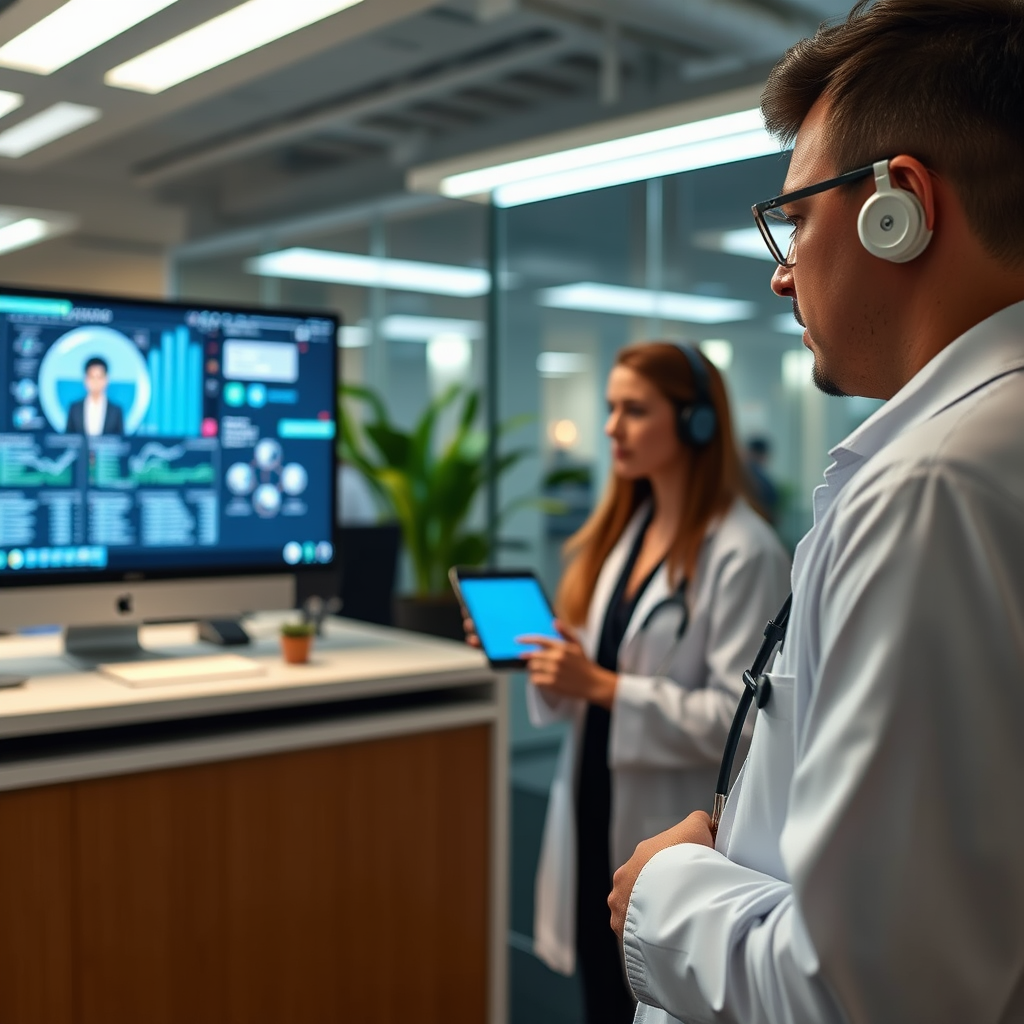
AI technology has become a game changer in healthcare, particularly in the field of diagnostics. Machine learning, a subset of AI, enables systems to learn from data inputs and improve over time without human intervention. In diagnostics, AI algorithms can process vast amounts of data, identify patterns, and make predictions with impressive accuracy. This capability is especially beneficial in video analysis, where visual data can reveal critical signs of diseases that might be missed during a regular examination.
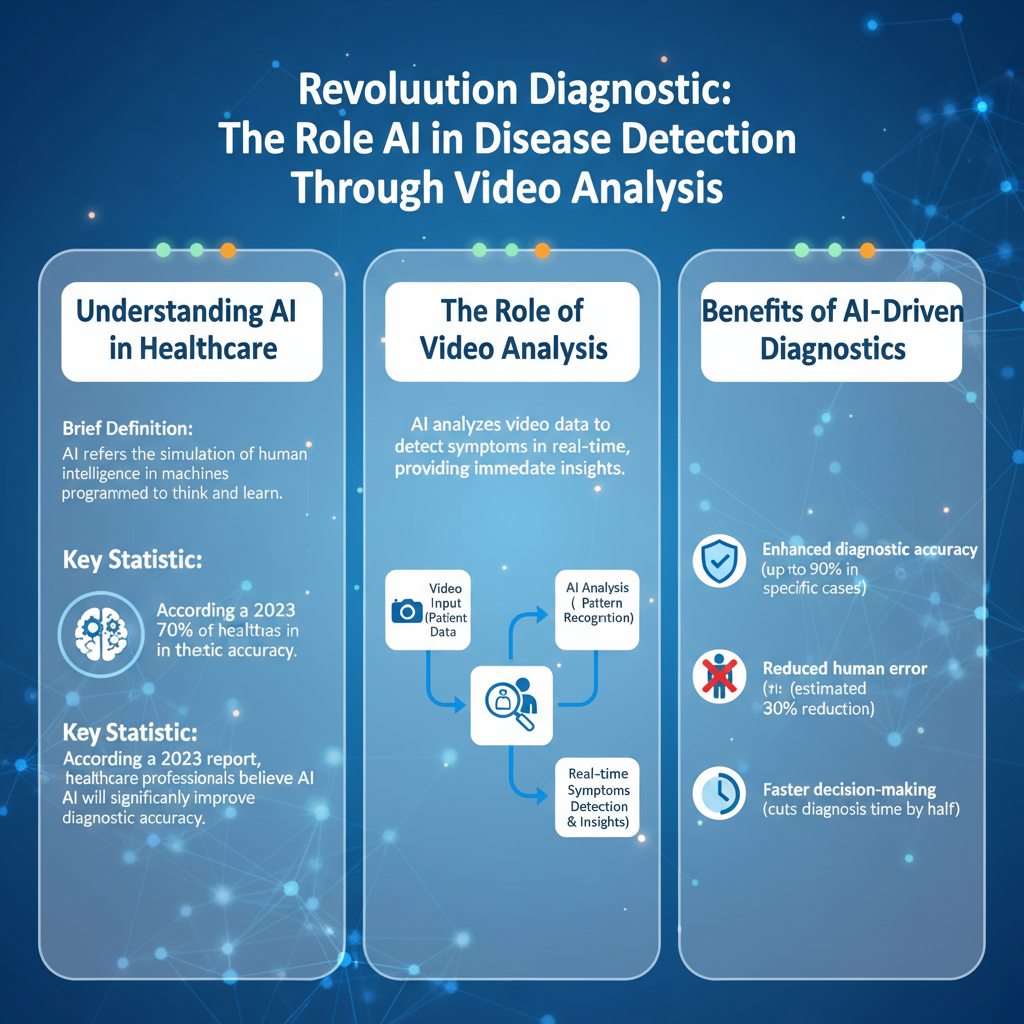
Video analysis complements traditional diagnostic methods by adding an additional layer of insight. While physicians rely on clinical examinations, lab tests, and patient histories, AI video analysis can observe real-time patient behavior and physiological changes. For example, video data can capture a patient’s gait, breathing patterns, or movements, providing healthcare professionals with a more comprehensive view of the patient’s condition. This synergy between traditional methods and AI-powered video analysis is paving the way for a more holistic approach to disease diagnosis.
The Role of Video Analysis

Video analysis techniques have advanced significantly, employing various methodologies to identify diseases effectively. One such technique is motion tracking, which analyzes the way a person moves to detect abnormalities in gait or posture. This is particularly useful in diagnosing conditions like Parkinson’s disease, where changes in movement can be subtle yet significant.
Another powerful technique is imaging analysis, where AI algorithms scrutinize video frames to detect changes in physiological functions. For example, in respiratory issues, video analysis can monitor the rate and depth of breathing. By comparing these metrics against established norms, AI can flag potential respiratory disorders such as chronic obstructive pulmonary disease (COPD) or asthma exacerbations.
Moreover, video analysis has proven effective in identifying neurological disorders, such as stroke, by analyzing facial movements and expressions. Studies have shown that AI can detect signs of a stroke before a patient even reaches a hospital, allowing for quicker intervention and better outcomes.
Benefits of AI-Driven Diagnostics
The integration of AI-driven diagnostics offers numerous benefits, primarily enhanced accuracy and reduced misdiagnosis rates. Traditional diagnostic methods are often reliant on subjective observations, which can lead to human error. AI, with its ability to analyze vast datasets and recognize patterns, minimizes these risks. For instance, a study published in a leading medical journal found that AI algorithms could outperform human radiologists in detecting certain types of cancers from imaging data.
Time efficiency is another significant advantage. With AI handling initial assessments, healthcare providers can focus more on patient care rather than getting bogged down in data analysis. This not only improves the patient experience but also allows for a quicker turnaround on diagnosis and treatment plans. In emergency situations, where every second counts, AI can expedite the diagnostic process, leading to timely and potentially life-saving interventions.
Case Studies and Success Stories
Real-world applications of AI in diagnosing diseases through video analysis are already making waves in the healthcare sector. One notable case is the use of AI in diagnosing diabetic retinopathy through video footage of patients’ eye movements. A study conducted in a prominent hospital found that AI could accurately identify signs of the disease with an accuracy rate exceeding 90%. This has led to earlier interventions and a significant reduction in vision loss among patients.
Another success story is the implementation of AI-driven gait analysis in elderly care facilities. By using video analysis to monitor residents’ movements, healthcare providers can detect early signs of mobility issues or falls. This proactive approach has resulted in reduced fall rates and improved overall patient safety.
These case studies highlight not just the feasibility of AI in diagnostics but also its potential to transform patient care dramatically.
Challenges and Limitations
Despite its promise, the implementation of AI technology in clinical settings faces several challenges. One significant concern is data privacy. As video analysis often involves collecting sensitive patient information, ensuring compliance with legal standards such as HIPAA is crucial. Healthcare providers must navigate the complexities of data security while embracing technological advancements.
Another challenge is technology acceptance among healthcare professionals. While many are eager to adopt innovative solutions, there can be resistance due to fears of job displacement or a lack of understanding of AI capabilities. Education and training are vital to easing these concerns and fostering a culture of collaboration between AI systems and healthcare providers.
Moreover, current AI capabilities have limitations. While AI can analyze patterns and make predictions, it lacks the nuanced understanding of human emotions and experiences that healthcare professionals possess. AI should be viewed as a supportive tool rather than a replacement for human expertise.
Future of AI in Disease Diagnosis
Looking ahead, the future of AI and video analysis in healthcare diagnostics appears promising. As technology continues to evolve, we can anticipate more sophisticated algorithms capable of analyzing complex data sets with even greater accuracy. Ongoing research is focused on improving AI’s ability to interpret not just visual data but also integrating it with other diagnostic tools for a more comprehensive understanding of patient health.
Additionally, the development of real-time monitoring systems using wearable technology and video analysis could enable continuous health assessments, leading to preventive care rather than reactive treatment. Imagine a world where healthcare providers can identify potential health issues before they escalate, all thanks to AI advancements.
As these innovations unfold, the integration of AI into healthcare will not only enhance diagnostic capabilities but also improve the overall quality of patient care, making healthcare more proactive and personalized.
Incorporating AI in healthcare diagnostics through video analysis is not only transforming how diseases are diagnosed but also enhancing patient care significantly. As this technology continues to develop, it presents exciting opportunities for the future. If you’re interested in learning more or implementing AI solutions in your practice, explore further resources or reach out to experts in the field.
Frequently Asked Questions
How does AI analyze video data for disease diagnosis?
AI leverages advanced algorithms, particularly deep learning techniques, to analyze video data for disease diagnosis. By processing visual information captured through medical imaging or video feeds, AI systems can identify patterns and anomalies that may indicate specific health conditions. For instance, AI tools can detect irregular movements in patients with neurological disorders or analyze video from endoscopic procedures to identify gastrointestinal issues, enhancing diagnostic accuracy.
What types of diseases can be diagnosed using AI video analysis?
AI video analysis can be applied to diagnose a wide range of diseases, including neurological disorders like Parkinson’s disease, musculoskeletal issues, and various forms of cancer. Additionally, it is utilized in dermatology to assess skin lesions, in cardiology for monitoring heart conditions, and in respiratory medicine for analyzing breathing patterns. The versatility of AI in interpreting video data significantly expands the potential for early diagnosis and treatment options across multiple medical fields.
Why is AI video analysis considered beneficial in healthcare?
AI video analysis is considered beneficial in healthcare because it enhances diagnostic precision, reduces human error, and allows for faster decision-making. By automating the analysis process, healthcare professionals can focus on patient care rather than spending excessive time examining video data. Moreover, AI systems can continuously learn from new data, improving their accuracy over time, which ultimately leads to better patient outcomes and more efficient healthcare systems.
Which industries are currently utilizing AI for video disease diagnosis?
Various industries are utilizing AI for video disease diagnosis, with the healthcare sector being the most prominent. Within healthcare, hospitals and clinics employ AI tools in radiology, pathology, and telemedicine. Additionally, the sports and fitness industries use AI to monitor athletes’ movements for injury prevention, while the veterinary field is also exploring AI video analysis for diagnosing conditions in animals. This cross-industry application highlights the growing importance of AI in improving health outcomes across populations.
How can healthcare providers implement AI video analysis in their practices?
Healthcare providers can implement AI video analysis by integrating AI software solutions into their existing diagnostic tools. This involves partnering with technology companies specializing in AI healthcare solutions, training staff on how to use the technology effectively, and ensuring compliance with regulatory standards regarding patient data. Furthermore, providers should focus on validating AI tools with clinical studies to ensure reliability and accuracy in disease diagnosis, ultimately enhancing patient care through innovative technology.
References
- Artificial intelligence in healthcare
- https://www.ncbi.nlm.nih.gov/pmc/articles/PMC7787481/
- https://www.sciencedirect.com/science/article/pii/S2352914821000555
- https://www.healthit.gov/topic/scientific-initiatives/artificial-intelligence
- https://www.bbc.com/news/technology-54542088
- https://www.ama-assn.org/delivering-care/public-health/how-ai-helping-diagnose-disease
- Frontiers | Fuzzy Leaky Bucket System for Intelligent Management of Consumer Electricity Elastic …
- https://www.nature.com/articles/s41598-020-69154-7