

AI personalizes video content in real-time by analyzing viewer preferences and behavior to deliver tailored experiences. This cutting-edge technology enhances audience engagement and satisfaction by ensuring that each viewer receives content that aligns with their unique interests. As we delve into the fascinating world of AI and video personalization, we’ll explore how this technology achieves its magic, the innovative technologies powering it, and the profound impact it’s having on the video industry.
Understanding Real-Time Personalization

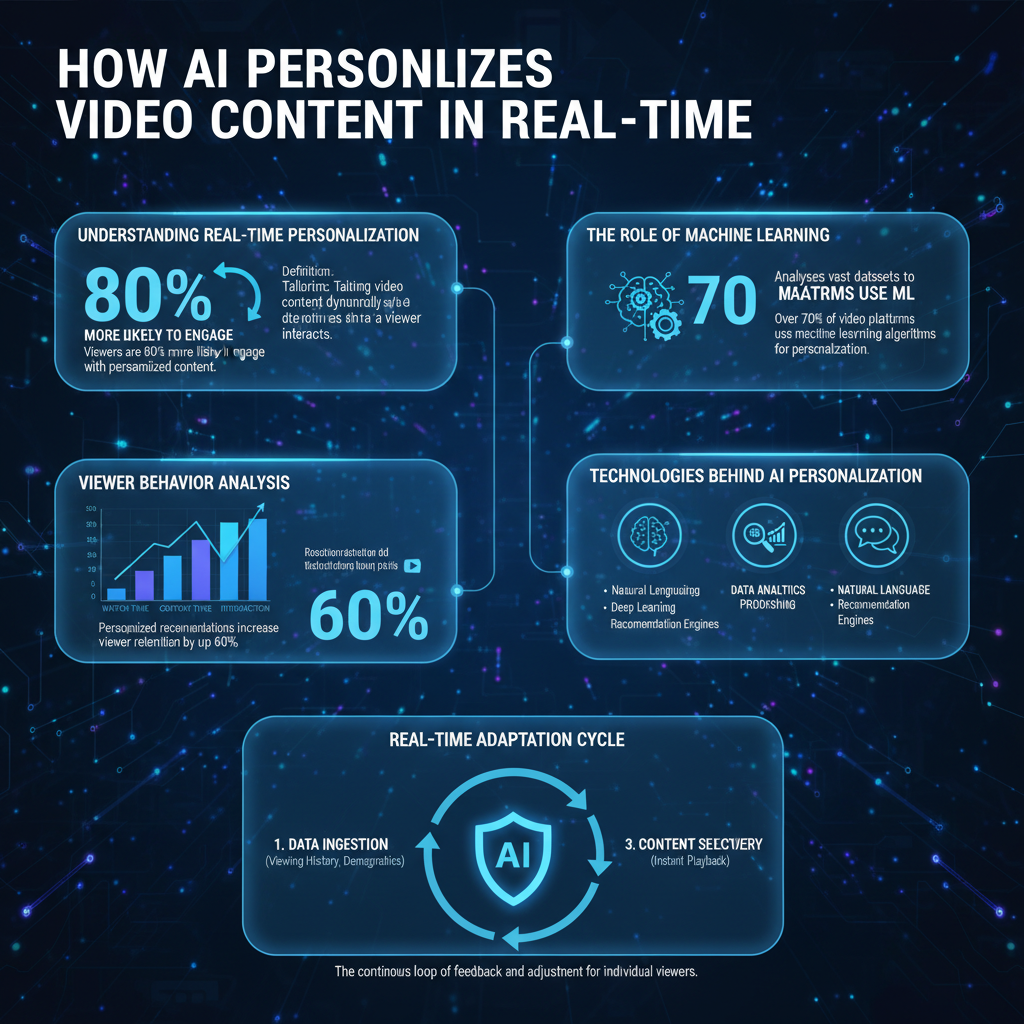
Real-time personalization in video content refers to the dynamic adaptation of video recommendations and experiences based on an individual viewer’s preferences at the moment of viewing. Instead of delivering a one-size-fits-all experience, real-time personalization tailors content to match viewers’ tastes, moods, and behavior patterns. This immediate customization is crucial for viewer engagement; when users find content that resonates with them, they are more likely to stay engaged, watch longer, and return for more. In a world where attention spans are shrinking, personalized experiences can make all the difference in retaining viewers and fostering loyalty.
The Role of Machine Learning

Machine learning (ML) algorithms are at the heart of AI-driven personalization. These sophisticated algorithms analyze massive amounts of data to identify patterns and preferences among viewers. By examining various data points such as viewing history, search queries, and even social media interactions, ML models can predict what type of content will resonate with a specific user. For instance, if a viewer frequently watches romantic comedies, the algorithm will prioritize similar films in their recommendations. The beauty of machine learning lies in its ability to learn and improve over time; the more data it processes, the more accurately it can tailor content to individual preferences.
Viewer Behavior Analysis
Tracking viewer behavior in real-time involves sophisticated data collection methods. Video platforms often use cookies, user accounts, and even AI-powered analytics tools to monitor how viewers interact with content. This can include metrics like watch time, likes, shares, and comments, all of which provide valuable insights into viewer preferences. For example, if a user skips past certain genres or prefers longer videos, this data informs the platform’s algorithms, prompting them to adjust recommendations accordingly. By continuously analyzing this behavior, AI systems can create a feedback loop, enhancing the personalization process and ensuring users are consistently served content that aligns with their interests.
Technologies Behind AI Personalization
The integration of various AI technologies is what makes real-time video personalization possible. Neural networks, which mimic the human brain’s interconnected neuron structure, are essential for processing complex data inputs. Additionally, natural language processing (NLP) plays a vital role in understanding user feedback and preferences expressed in text form, such as comments or searches. These technologies work together to create a seamless experience on video platforms. For instance, platforms like Netflix and YouTube combine these advancements to analyze viewer interactions and enhance their recommendation systems, resulting in highly personalized user experiences.
Case Studies of Successful Implementation
Numerous companies have successfully harnessed AI for video personalization, setting benchmarks in the industry. Netflix, for example, utilizes sophisticated algorithms to analyze viewer habits and preferences, resulting in a highly personalized homepage for each user. According to their data, about 80% of the content viewers watch is driven by these personalized recommendations. Similarly, YouTube’s algorithm uses machine learning to curate video suggestions based on individual watching patterns, leading to increased viewer retention and satisfaction. These success stories highlight how effective AI personalization can lead to measurable outcomes, such as higher engagement rates and improved viewer loyalty.
Challenges and Considerations
While the benefits of AI personalization are substantial, implementing these systems is not without challenges. One of the most significant hurdles is ensuring that the technology is accurate in its predictions. Misinterpreting viewer preferences can result in a poor user experience, leading to frustration and disengagement. Additionally, ethical considerations surrounding data privacy and user consent are paramount. Companies must navigate regulations like GDPR and ensure that users are aware of how their data is being collected and used. Balancing personalization with privacy is an ongoing challenge that requires transparency and responsible data practices.
The Future of AI in Video Content
Looking ahead, the role of AI in video personalization is poised for significant evolution. With advancements in deep learning and predictive analytics, we can expect even more tailored experiences for viewers. Potential innovations may include enhanced interactive content that adapts in real-time based on user reactions or the integration of augmented reality (AR) elements that personalize experiences further. As AI technologies continue to develop, the possibilities for creating engaging, immersive video content will expand, offering exciting opportunities for both creators and viewers.
By leveraging AI for real-time video content personalization, companies can significantly enhance the viewer experience and retention. This technology not only caters to individual preferences but also drives engagement and satisfaction. As AI continues to evolve, its application in video content will likely become more sophisticated, presenting exciting opportunities for both creators and viewers alike. As we embrace these advancements, it’s clear that personalized video experiences will redefine how we consume content in the digital age.
Frequently Asked Questions
How does AI personalize video content in real-time?
AI personalizes video content in real-time by analyzing user data such as viewing history, preferences, and demographic information. This technology utilizes algorithms to tailor the video experience, adjusting elements like scene selection, pacing, and even audio to match individual viewer preferences. By leveraging machine learning, AI can continuously improve its personalization strategies based on viewer feedback and engagement, resulting in a more relevant and engaging experience.
What are the benefits of AI-driven video content personalization?
The benefits of AI-driven video content personalization include enhanced viewer engagement, improved retention rates, and increased conversion opportunities. By delivering content that resonates with individual viewers, brands can foster a stronger emotional connection, leading to higher satisfaction and loyalty. Additionally, personalized content can optimize advertising strategies, as targeted ads are more likely to resonate with the audience, ultimately driving revenue growth.
Why is real-time personalization important for video marketing?
Real-time personalization is crucial for video marketing because it allows brands to adapt their content dynamically to meet viewer expectations immediately. This responsiveness can significantly enhance user experience, as audiences are more likely to engage with content that feels tailored to them. Moreover, in a competitive digital landscape, the ability to deliver personalized experiences can differentiate brands, helping them capture and retain audience attention effectively.
Which technologies are used for AI personalization in video content?
Various technologies are utilized for AI personalization in video content, including machine learning algorithms, natural language processing, and computer vision. Machine learning enables platforms to analyze vast amounts of viewer data and identify patterns, while natural language processing can help understand viewer sentiments and preferences. Computer vision assists in analyzing visual content, ensuring that the most engaging and relevant clips are served to the right audience.
What challenges do companies face when implementing AI for video personalization?
Companies face several challenges when implementing AI for video personalization, such as data privacy concerns, the need for high-quality data, and the complexity of integration with existing systems. Ensuring compliance with data protection regulations can complicate the collection of user data necessary for effective personalization. Additionally, technical challenges in integrating AI-driven solutions with legacy systems can hinder the seamless execution of personalized video strategies, making it essential for organizations to have a clear roadmap and the right expertise.
References
- Artificial intelligence
- https://www.sciencedirect.com/science/article/pii/S0360132317300978
- https://www.forbes.com/sites/bernardmarr/2021/07/05/how-ai-is-personalizing-video-content/
- https://www.nature.com/articles/s41598-020-73589-3
- https://www.bbc.com/future/article/20220222-how-ai-is-changing-video-production
- https://www.technologyreview.com/2020/06/12/1002720/how-ai-is-making-video-more-personalized/
- https://www.jstor.org/stable/10.5325/jmediamasscommstud.10.1.0123
- https://www.pewresearch.org/fact-tank/2021/05/21/how-ai-is-transforming-the-way-we-make-and-consume-video/