

AI-powered public displays significantly enhance smart city infrastructure by providing real-time information, improving citizen engagement, and optimizing resource management. These innovative technologies are transforming urban environments, making them more responsive and efficient for residents and visitors alike. From providing live updates on public transportation to fostering community participation, AI displays are paving the way for smarter cities that prioritize the needs of their citizens.
The Role of AI in Public Displays
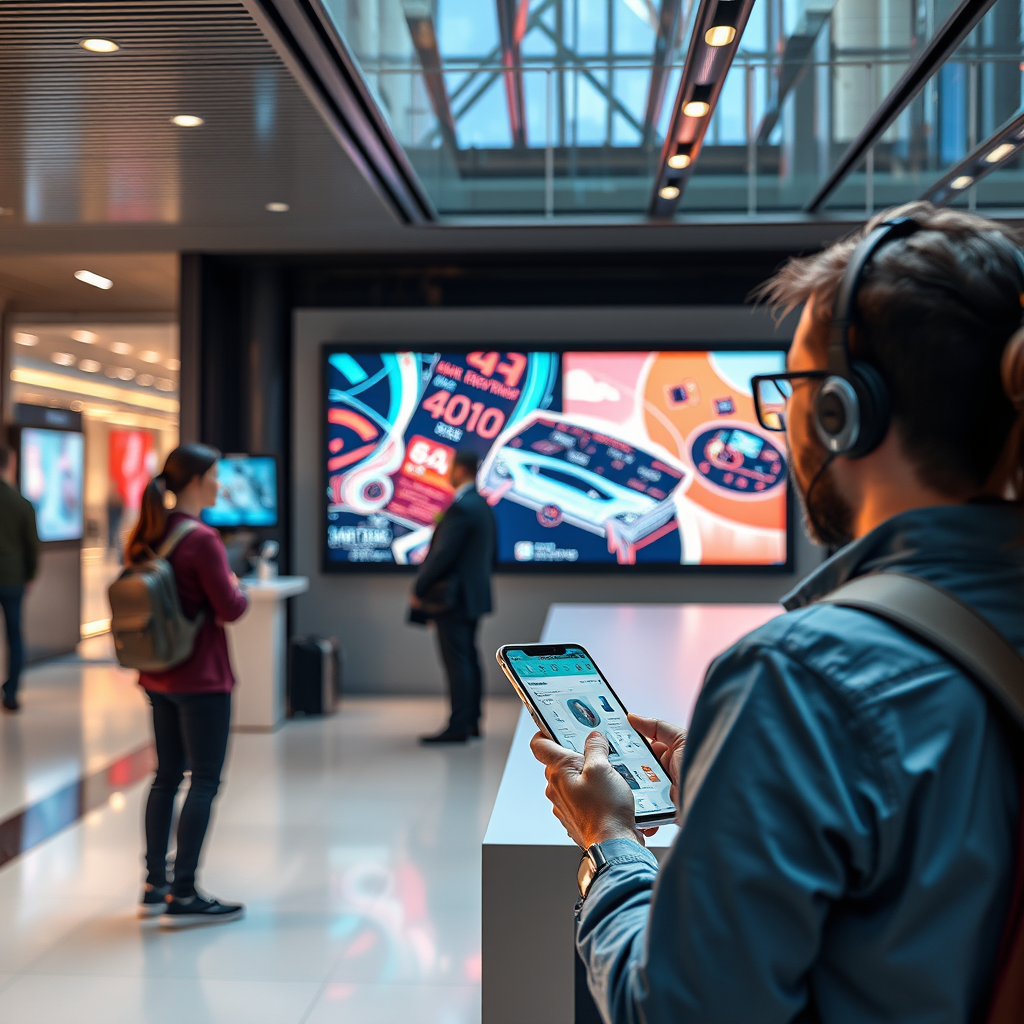
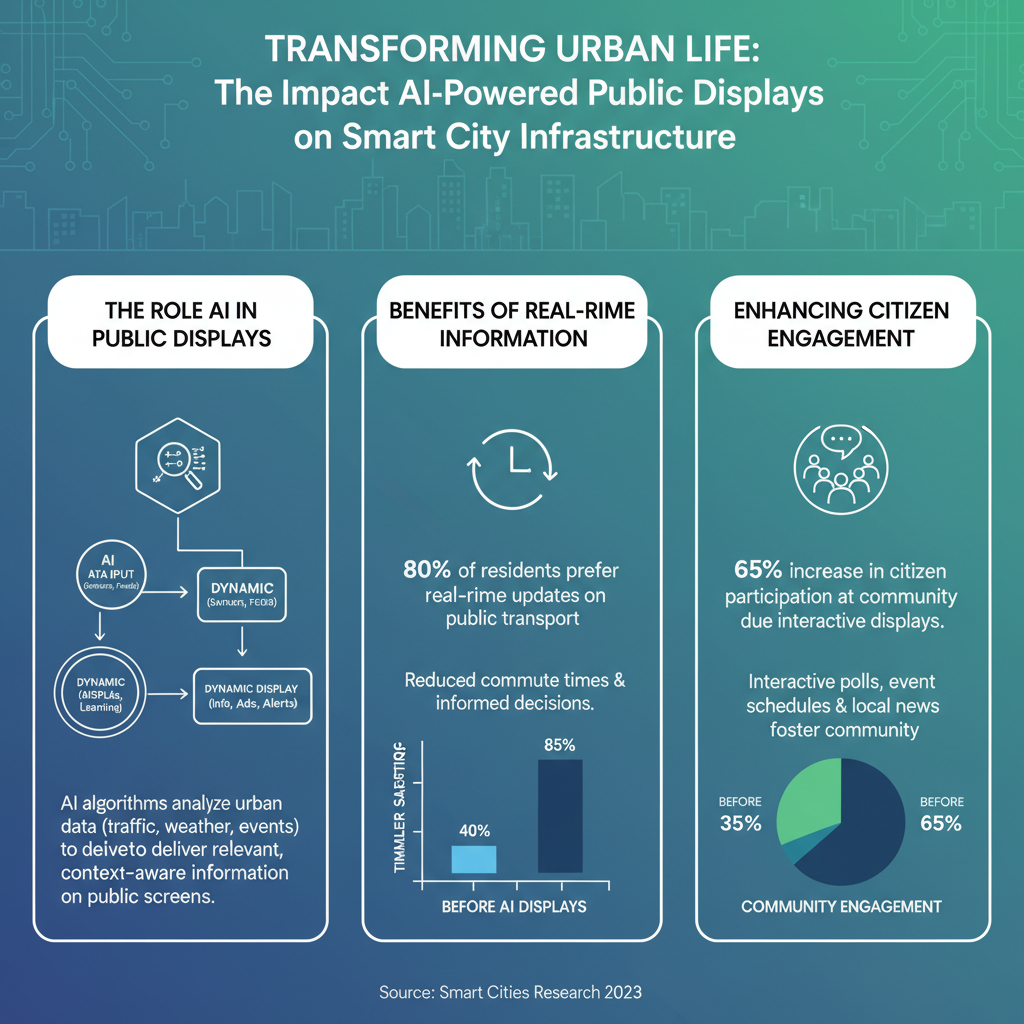
AI plays a crucial role in the functionality of public displays. At the core of these advancements are AI algorithms that analyze vast amounts of data to deliver personalized content to users. For instance, a display in a busy plaza might showcase weather updates, local event information, or even targeted advertisements based on the demographics of the audience it perceives. This level of customization ensures that the information is not only relevant but also engaging, encouraging citizens to interact more with their surroundings.
Machine learning further enhances the adaptability of these displays based on viewer behavior. As the system collects data on how people engage with the content—whether they stop to read or interact with touch features—it becomes smarter over time. This means that the displays can evolve with the community’s interests and needs, optimizing the user experience continuously. For example, if a display notices that more people stop at certain types of events, it can prioritize showing similar opportunities in the future, leading to a more engaged community.
Benefits of Real-Time Information

One of the most significant advantages of AI-powered public displays is their ability to provide real-time information. Imagine walking through a bustling city and encountering a display that provides live updates on transportation schedules. Commuters can see when the next bus or train will arrive, helping them plan their journeys more effectively and reducing wait times. This capability not only improves the efficiency of public transport systems but also enhances the overall user experience.
Additionally, these displays serve as critical tools for public safety. They can facilitate emergency alerts by broadcasting information about natural disasters, accidents, or other urgent situations quickly and effectively. For instance, during a severe weather event, a city might deploy displays to warn residents about impending storms, road closures, or evacuation routes. This immediate dissemination of information can save lives and keep communities informed, showcasing the importance of integrating AI technology into public safety measures.
Enhancing Citizen Engagement
AI-powered public displays are also a game-changer when it comes to enhancing citizen engagement. Interactive displays encourage community participation by soliciting feedback on local issues or gathering opinions on city projects. For example, a display might allow passersby to vote on potential park renovations or community events, fostering a sense of ownership among residents. By providing a platform for voices to be heard, cities can create a more collaborative atmosphere where citizens feel their opinions are valued.
Moreover, public art and localized content foster a sense of belonging within neighborhoods. Cities can utilize these displays to showcase local artists or highlight community events, creating a vibrant cultural atmosphere. For instance, a display could feature rotating artwork from local schools or community groups, making the environment feel more personalized and engaging. This not only beautifies the urban landscape but also strengthens community ties, as residents can feel a deeper connection to their local culture.
Optimizing Resource Management
Smart cities thrive on efficient resource management, and AI-powered public displays play a significant role in this area. These displays can monitor and report on energy usage in real-time, helping municipalities identify areas where energy consumption can be reduced. For instance, if a display shows that certain streetlights are using excessive energy during low-traffic hours, city managers can adjust lighting schedules to save power and reduce costs.
Furthermore, AI displays assist in managing public resources like waste collection and street lighting. Sensors embedded in displays can track waste levels in bins and alert authorities when they need to be emptied, ensuring that public spaces remain clean and sanitary. This efficient management reduces operational costs and promotes sustainability, showcasing how technology can lead to greener urban environments.
Case Studies of Successful Implementations
Cities around the globe are already reaping the benefits of AI-powered public displays, with notable examples from Barcelona and Singapore. In Barcelona, digital kiosks equipped with AI technology provide locals and tourists with real-time information about transportation, local attractions, and even city events. These displays have transformed urban navigation, making it easier for people to find their way around the city and discover hidden gems.
Similarly, Singapore has implemented innovative display strategies to boost public engagement. Their public displays not only provide essential information but also encourage citizen interaction through polls and feedback mechanisms. These initiatives have resulted in increased public participation in city planning and a stronger sense of community, proving that when cities invest in technology, citizens are more likely to engage and connect.
Future Trends in AI-Powered Displays
As technology continues to evolve, the future of AI-powered public displays looks promising. Anticipated advancements in AI technology will lead to even smarter and more responsive displays that can better cater to the needs of urban populations. For example, future displays may incorporate augmented reality (AR) features, allowing users to visualize information in dynamic ways, such as overlaying navigation routes directly onto the physical environment.
Moreover, the integration of these displays with Internet of Things (IoT) devices will further enhance their functionality. Imagine walking past a display that not only shows you the nearest bus stop but also gives real-time updates on the bus’s capacity, allowing you to make informed decisions about your travel. This level of interconnectedness will create a seamless urban experience, making cities more efficient and user-friendly.
The integration of AI-powered public displays is revolutionizing how cities operate and interact with their citizens. By improving accessibility to information, fostering engagement, and optimizing resources, these displays are paving the way for smarter, more sustainable urban environments. As cities continue to embrace technology, it’s essential for residents to stay informed on the latest innovations in smart city initiatives. Engaging with local initiatives or subscribing to related newsletters can be a great way to discover how these advancements can positively impact your community!
Frequently Asked Questions
What are AI-powered public displays and how do they work in smart cities?
AI-powered public displays are interactive screens integrated into urban environments that utilize artificial intelligence to provide real-time information and services to citizens. These displays can analyze data from various sources, such as traffic patterns, social media, and local events, to dynamically update content that caters to the needs of the public. By leveraging machine learning and data analytics, these displays enhance user engagement and improve the flow of information in smart city infrastructure.
How can AI-powered public displays improve traffic management in smart cities?
AI-powered public displays can significantly enhance traffic management by providing real-time updates on traffic conditions, accidents, and alternative routes. By analyzing data collected from sensors and cameras, these displays can communicate critical information to drivers, helping to alleviate congestion and promote safer driving behaviors. Moreover, they can suggest optimal travel times and routes based on current traffic conditions, ultimately improving overall urban mobility.
Why are AI-powered public displays essential for enhancing citizen engagement in smart cities?
AI-powered public displays are crucial for enhancing citizen engagement as they serve as interactive platforms that provide relevant information and foster community involvement. By showcasing local events, public services, and emergency alerts, these displays can encourage residents to participate in their communities. Additionally, their ability to personalize content based on user interaction and preferences makes information more accessible and engaging, promoting a sense of belonging among citizens in smart cities.
What are the best use cases for AI-powered public displays in urban environments?
The best use cases for AI-powered public displays in urban environments include providing real-time public transport schedules, displaying emergency alerts and weather conditions, and promoting local businesses and events. These displays can also serve educational purposes, offering information on sustainability initiatives or city services. By adapting to the needs of the community, these displays can optimize urban experiences and support the goals of smart city initiatives.
Which technologies are commonly integrated into AI-powered public displays for smart city applications?
Common technologies integrated into AI-powered public displays include machine learning algorithms, computer vision systems, and IoT (Internet of Things) sensors. Machine learning enables these displays to analyze vast amounts of data for personalized content delivery, while computer vision allows for user interaction through gesture recognition. IoT sensors can gather real-time environmental data, such as air quality or foot traffic, ensuring that the information presented is both timely and relevant to the urban population.
References
- Smart city
- https://www.sciencedirect.com/science/article/pii/S0360132319308110
- https://www.nytimes.com/2021/05/25/us/smart-cities-technology.html
- https://www.bbc.com/future/article/20210225-how-smart-cities-are-using-ai-to-improve-urban-life
- Managing the NIH Bethesda Campus Capital Assets for Success in a Highly Competitive Global Biomed…
- https://www.itu.int/en/ITU-T/AI/Pages/default.aspx
- https://www.europarl.europa.eu/news/en/headlines/society/20210129STO97213/smart-cities-what-are-they-and-how-do-they-work
- https://www.researchgate.net/publication/343213432_Smart_Cities_and_Smart_Transportation_Systems
- https://www.itu.int/en/ITU-T/focusgroups/ai4good/Pages/default.aspx