AI technology analyzes viewer reactions through facial recognition, eye tracking, and sentiment analysis to tailor video content to individual preferences. This innovative approach allows content creators to enhance viewer engagement by understanding emotional responses and attention patterns, ultimately leading to a more personalized viewing experience. In this article, you’ll discover how these tools work and the impact they have on video personalization.
Understanding Viewer Reactions

Viewer reactions are an invaluable resource when it comes to creating engaging content. These reactions can be measured through various means, including facial expressions, body language, and emotional responses. By capturing and interpreting these signals, content creators gain insights into audience engagement levels and preferences. For instance, a viewer’s smile might indicate enjoyment, while furrowing brows could signal confusion or dissatisfaction. This data provides a nuanced understanding of how different segments of a video resonate with audiences, enabling creators to refine their content strategies accordingly.
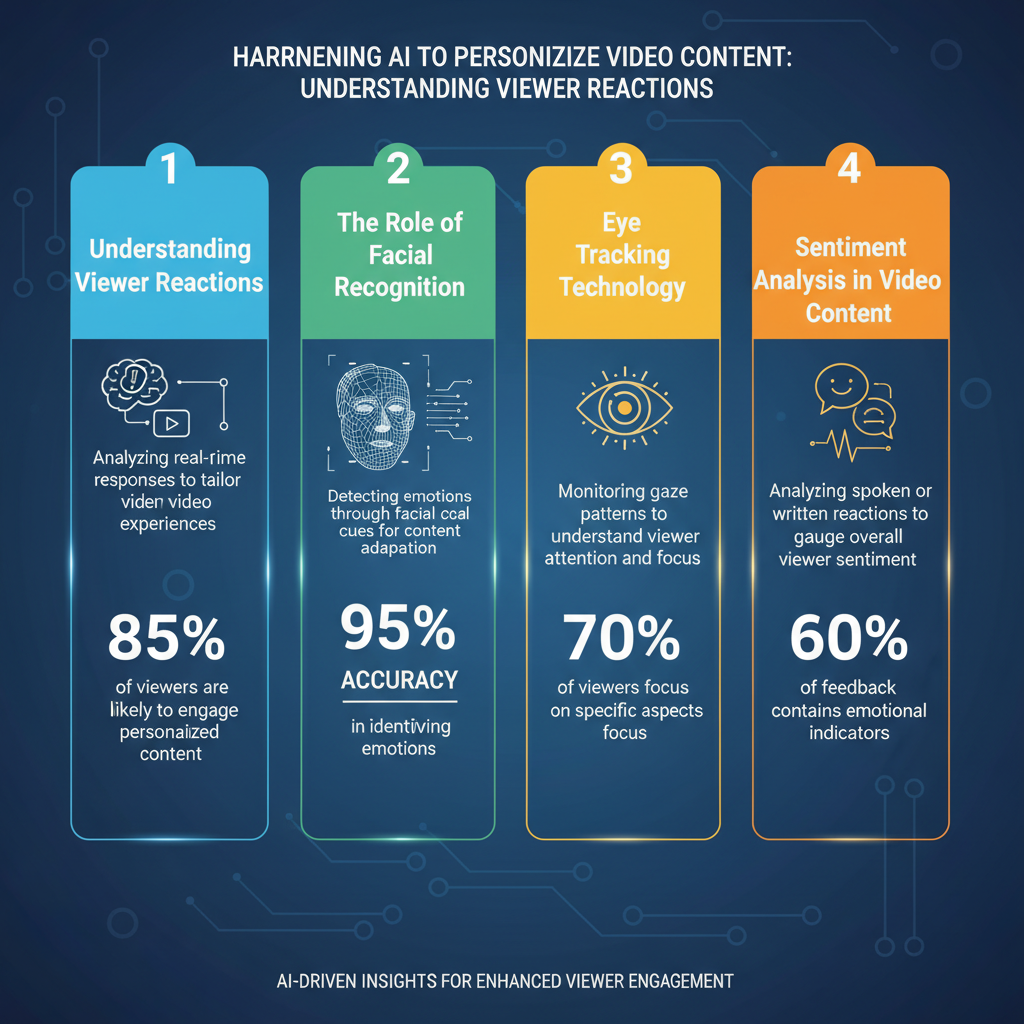
The ability to measure viewer reactions is particularly relevant in a world where attention spans are shorter than ever. By understanding what captures a viewer’s interest, brands can create more compelling narratives that hold attention longer. Tools like focus groups and surveys have traditionally been used, but AI offers a more immediate and scalable solution, allowing for real-time data collection and analysis.
The Role of Facial Recognition

Facial recognition technology plays a critical role in interpreting viewer emotions. AI algorithms can analyze facial expressions to detect emotions such as happiness, surprise, anger, and frustration. For example, if a character in a video elicits a smile or laughter from viewers, creators can identify these moments and consider amplifying similar elements in future content. This data is invaluable for assessing which segments of a video resonate most with viewers, allowing for a tailored approach in subsequent projects.
Moreover, facial recognition isn’t just limited to live viewers; it can also analyze recorded sessions to gauge emotional responses from previous audiences. By leveraging this information, content creators can refine their storytelling techniques and make informed decisions about pacing, tone, and content structure. With continued advancements in AI, the accuracy of these interpretations will only improve, opening up new avenues for personalized video content creation.
Eye Tracking Technology
Eye tracking technology is another powerful tool in the AI toolkit for understanding viewer engagement. By determining where viewers focus their attention during a video, eye tracking provides critical insights into what captures interest and what might be overlooked. For instance, if the AI detects that viewers frequently glance away during certain scenes or segments, this could indicate a lack of interest or engagement.
This data can be particularly useful for optimizing content placement and highlighting key messages. If a brand is launching a new product, eye tracking can help determine the best moments to introduce that product in a video, ensuring it receives the attention it deserves. Additionally, eye tracking can inform decisions about visual design elements, such as colors and layouts, that might draw viewers in more effectively. The result is a more engaging viewing experience that caters to the audience’s natural viewing habits.
Sentiment Analysis in Video Content
Sentiment analysis tools assess viewer comments, feedback, and social media interactions to gauge overall sentiment towards a video. This qualitative data complements quantitative measures, providing a fuller picture of viewer engagement. For example, if a video receives a high volume of positive comments, but the viewer retention rate is low, it may suggest that while the content is appealing, it fails to hold attention throughout.
By analyzing sentiments expressed in comments and shares, creators can identify themes or elements that resonate well with audiences. For instance, a video that sparks a lot of discussion about a particular topic could indicate an opportunity for further content development in that area. This feedback loop allows for continuous improvement, as creators can adjust content based on real-time viewer reactions and sentiments.
Personalization Techniques
The insights gathered through facial recognition, eye tracking, and sentiment analysis are instrumental for AI in recommending tailored content to individual viewers. For example, streaming platforms like Netflix use algorithms that analyze viewer preferences and behaviors to suggest similar content, enhancing the overall viewing experience. Dynamic content adjustments can also be made in real-time—for instance, altering video length, style, or themes based on immediate viewer responses.
Imagine a cooking show where the AI detects a viewer’s excitement when a specific recipe is introduced. The next episode could then include more similar recipes or even allow viewers to input preferences for future episodes. This level of personalization not only keeps viewers engaged but also fosters a deeper connection with the content, leading to higher satisfaction and loyalty.
Challenges and Ethical Considerations
While the potential for AI in video personalization is vast, challenges and ethical considerations must be addressed. Privacy concerns arise from the collection of viewer data, particularly regarding facial recognition and sentiment analysis. Audiences may feel uncomfortable with the idea of their reactions being monitored and analyzed.
Transparency and consent are critical in ensuring that viewers are aware of how their data is being used. Content creators and platforms must communicate clearly about data collection methods and provide users with the option to opt-out. Striking a balance between personalization and privacy will be essential in building trust with viewers, ensuring they feel safe and valued while engaging with content.
The Future of AI in Video Personalization
The future of AI technology in video personalization is promising, with continuous advancements likely to enhance accuracy and effectiveness in detecting viewer reactions. Emerging trends may include more immersive experiences, such as virtual and augmented reality, where viewer engagement can be measured in real-time, allowing for immediate content adaptation.
Moreover, as AI becomes more sophisticated, we may see the rise of fully interactive videos where viewers can influence the storyline based on their preferences and reactions. This kind of dynamic storytelling could revolutionize content consumption, creating a richer and more engaging experience for audiences.
By understanding how AI detects viewer reactions and utilizes that information to personalize video content, creators can significantly enhance viewer engagement and satisfaction. As technology continues to evolve, exploring AI tools for your content strategies is a wise move to stay ahead in this dynamic digital landscape. Embracing these innovations will not only improve viewer experiences but also help creators forge deeper connections with their audiences.
Frequently Asked Questions
How does AI analyze viewer reactions to personalize video content?
AI analyzes viewer reactions by using advanced algorithms that track various metrics such as facial expressions, eye movement, and engagement levels during video playback. These technologies often incorporate machine learning models that interpret data from webcams or built-in sensors, allowing AI to assess emotional responses in real-time. By understanding which parts of a video evoke positive or negative reactions, content creators can tailor future videos to enhance viewer engagement and satisfaction.
What types of viewer data does AI collect to enhance video experiences?
AI collects a variety of viewer data, including demographic information, viewing history, engagement metrics (like pauses, rewinds, and skips), and emotional responses derived from facial recognition technologies. This data helps in understanding user preferences and behaviors, allowing for a more personalized viewing experience. Consequently, content can be adjusted not only to fit viewer tastes but also to optimize retention and increase the likelihood of sharing, thereby driving further engagement.
Why is it important to personalize video content using AI technology?
Personalizing video content using AI technology is crucial as it enhances viewer engagement and satisfaction, leading to higher retention rates and improved conversion metrics. By delivering tailored content that resonates with individual preferences, brands can create a more compelling narrative that speaks directly to their audience’s needs. This not only fosters a stronger connection with viewers but also improves the overall effectiveness of marketing strategies in an increasingly competitive digital landscape.
What are the best practices for using AI to personalize video content?
The best practices for using AI to personalize video content include continuously monitoring viewer engagement data, implementing real-time feedback loops, and ensuring compliance with privacy regulations. It is also essential to test different content variations to see which formats resonate best with specific audience segments. Additionally, leveraging A/B testing can provide insights into what types of personalization yield the best results, allowing for data-driven decisions that optimize content delivery.
Which industries benefit the most from AI-driven video content personalization?
Several industries significantly benefit from AI-driven video content personalization, including entertainment, e-learning, marketing, and e-commerce. For example, streaming services like Netflix use AI to recommend shows based on viewing habits, while educational platforms tailor course materials to individual learning styles. In the marketing sector, personalized video advertisements can increase conversion rates by targeting specific audience segments with content that speaks directly to their interests and behaviors.
References
- Artificial intelligence
- https://www.sciencedirect.com/science/article/pii/S1877050921000058
- https://www.bbc.com/news/technology-51195466
- https://www.nytimes.com/2020/01/30/business/media/ai-personalization.html
- https://www.forbes.com/sites/bernardmarr/2021/06/07/how-ai-is-changing-the-way-we-consume-content/?sh=3a5e5ac3e9c7
- https://www.wired.com/story/ai-personalization-content-recommendations/