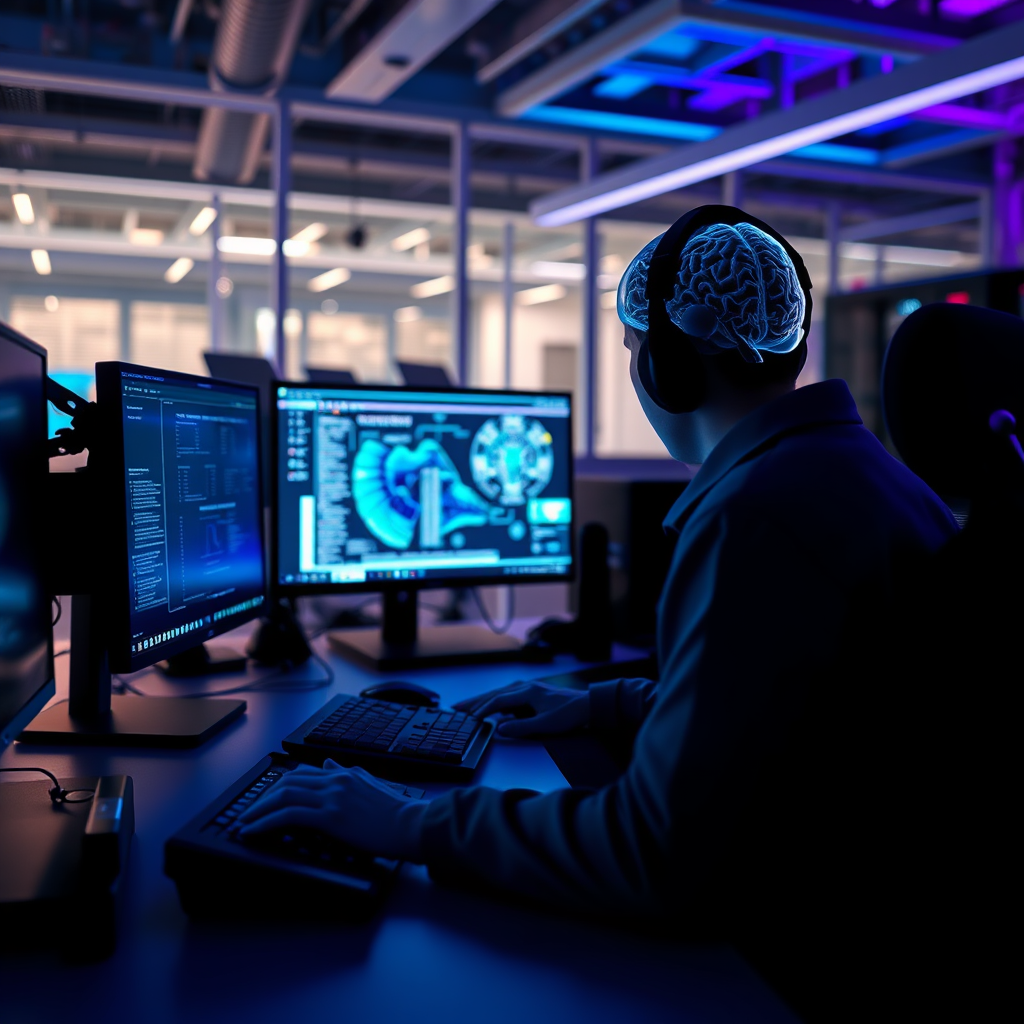

Brain-computer interfaces (BCIs) are revolutionizing how we connect with technology and each other, paving the way for significant advancements in various fields such as medicine, communication, and virtual reality. These cutting-edge innovations are transforming not only how we interact with our devices but also how we heal and communicate, making it increasingly important to grasp their implications and potential. In this article, you’ll discover the latest developments in BCIs, their diverse applications, and what lies ahead for this fascinating technology.
Understanding Brain-Computer Interfaces
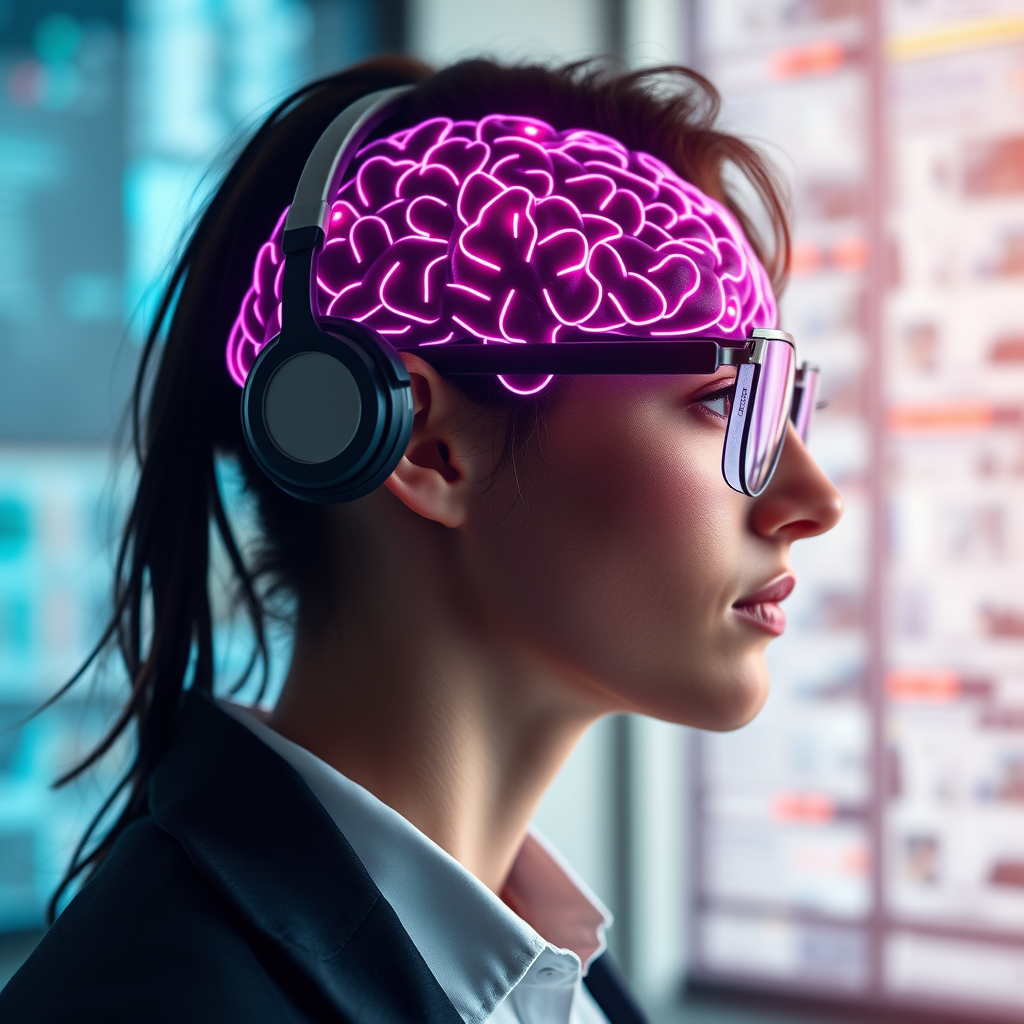
Brain-computer interfaces, or BCIs, serve as a direct communication pathway between the brain and external devices. Essentially, they allow users to control technology using their thoughts. This is achieved by translating neural signals into commands that can be understood by computers or other devices. BCIs work by capturing brain activity through various methods—most commonly through electrodes placed on the scalp or implanted in the brain. These electrodes detect electrical signals produced by neurons, which are then processed and decoded using sophisticated algorithms.
The technology behind BCIs involves signal processing techniques that filter out noise and enhance the quality of the brain signals captured. Advanced decoding algorithms are employed to interpret these signals, translating them into actionable commands for devices. This intricate interplay of hardware and software enables real-time communication, allowing users to interact with their environment in ways previously thought impossible. Understanding these foundational elements is crucial for appreciating the remarkable potential of BCIs.
Recent Technological Breakthroughs
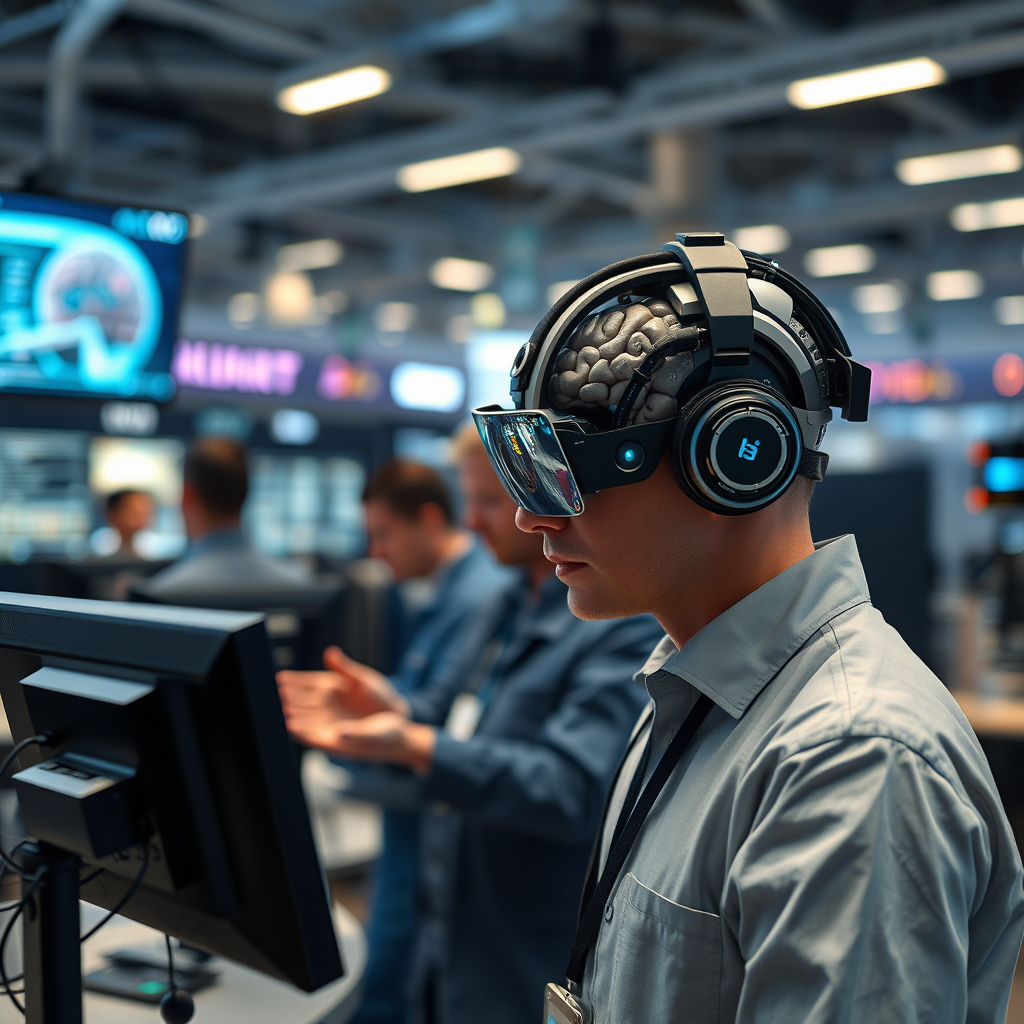
The field of BCIs has seen numerous innovations, especially in neural decoding algorithms. Recent advancements have led to more accurate interpretation of brain signals, drastically improving user experience. For example, machine learning techniques are now utilized to train models that can adapt to individual brain activity patterns, enhancing the precision with which thoughts are translated into actions.
Moreover, improvements in electrode design and placement have played a significant role in the evolution of BCIs. Traditional electrodes were often bulky and uncomfortable, but new designs are smaller, more flexible, and can be integrated seamlessly into the human body. For instance, research has led to the development of soft, stretchable electrodes that conform to the surface of the brain, minimizing the risk of damage and enhancing signal quality. These breakthroughs not only improve the functionality of BCIs but also make them more user-friendly and accessible.
Applications in Medicine
One of the most promising areas for BCIs is in medicine, particularly for treating neurological disorders. For individuals with conditions such as amyotrophic lateral sclerosis (ALS) or paralysis, BCIs can provide a new means of communication and mobility. By utilizing BCIs, patients can control computers or prosthetic limbs using only their thoughts, thus regaining some level of independence.
Brain-controlled prosthetics are an exciting development in rehabilitation. For example, researchers have created prosthetic arms that can be controlled by the brain, allowing users to perform tasks like grasping objects or writing. These devices are designed to interpret the user’s intentions through brain signals, making rehabilitation not only more efficient but also empowering for those affected by limb loss.
Impact on Communication
BCIs have also made strides in enhancing communication for individuals with speech impairments. Innovative systems are being developed that allow users to convey thoughts and feelings directly from their brain activity, bypassing traditional speech methods. For instance, a recent study showcased a BCI that enabled individuals with severe speech disabilities to generate text on a screen solely through their thoughts, giving them a voice in ways they had lost.
Moreover, the concept of brain-to-brain communication is no longer just science fiction. Research teams have begun exploring direct neural communication between individuals, allowing for the sharing of thoughts and experiences in a manner that could redefine interpersonal relationships. While this field is still in its infancy, the implications are vast and could lead to entirely new forms of communication.
The Role of AI in BCI Development
Artificial intelligence (AI) is playing a crucial role in enhancing BCI functionality. By leveraging machine learning algorithms, researchers can improve the accuracy and responsiveness of BCIs. AI systems can analyze vast amounts of data from brain activity, enabling them to identify patterns and make predictions about user intentions. This leads to a more intuitive and efficient interaction with technology.The integration of machine learning in signal interpretation allows BCIs to become more personalized. As users engage with the system, the AI can adapt to their unique brain activity patterns, resulting in increasingly accurate and reliable control. This symbiosis between AI and BCIs not only enhances usability but also opens doors for future innovations, making BCIs more accessible to a broader audience.
Ethical Considerations and Challenges
As with any groundbreaking technology, BCIs come with ethical considerations and challenges. One major concern is privacy related to brain data. The potential for unauthorized access to an individual’s thoughts raises significant ethical questions about consent and data security. Developers and researchers must navigate these issues carefully to ensure that users’ rights are protected.
Additionally, the potential for misuse of BCIs is a pressing concern. The idea of manipulating thoughts or controlling behavior through BCIs is alarming, and it highlights the importance of establishing clear ethical guidelines and regulations. As the technology continues to advance, ongoing discussions about consent, privacy, and the implications of brain data will be crucial.
The Future of Brain-Computer Interfaces
Looking ahead, the future of brain-computer interfaces is incredibly promising. Predictions for the next decade suggest that BCIs will become more integrated into everyday life, enhancing human capabilities in ways we are just beginning to imagine. We may see advancements that allow for seamless interaction between humans and machines, transforming the way we live, work, and communicate.
Emerging trends in BCI research include greater focus on non-invasive methods, making the technology more accessible to the general public. Additionally, interdisciplinary collaboration between neuroscientists, engineers, and ethicists will be essential for addressing challenges and maximizing the benefits of BCIs. As research progresses, we can expect innovations that not only enhance our understanding of the human brain but also redefine the boundaries of human potential.
As we look to the future, brain-computer interfaces are set to revolutionize numerous fields, from healthcare to entertainment. Understanding these advances is crucial for anyone interested in the intersection of technology and human capability. Stay informed and explore the potential of BCIs as they continue to evolve and shape our world.
Frequently Asked Questions
What are brain-computer interfaces (BCIs) and how do they work?
Brain-computer interfaces (BCIs) are innovative systems that enable direct communication between the brain and external devices, facilitating control without the need for traditional motor functions. They work by detecting brain signals through electrodes placed on the scalp or implanted in the brain, translating these signals into commands that can control computers, prosthetics, or other devices. This technology holds promise for applications in medicine, gaming, and rehabilitation, making it a revolutionary tool for individuals with mobility impairments.
How are brain-computer interfaces advancing in medical applications?
The advancement of brain-computer interfaces in medical applications is transforming patient care, particularly for individuals with neurological disorders or disabilities. BCIs are being utilized to restore sensory functions, such as allowing paralyzed individuals to control prosthetic limbs or communicate using thought alone. Research is ongoing to refine these technologies, making them more accessible and effective for rehabilitation after strokes or spinal cord injuries.
Why are brain-computer interfaces considered a game-changer in technology?
Brain-computer interfaces are considered a game-changer because they bridge the gap between human cognition and machine interaction, enabling unprecedented control over technology through thought alone. This fundamentally alters how we interact with devices, offering new possibilities for accessibility, enhancing productivity, and even creating immersive experiences in virtual reality. As BCIs continue to evolve, they have the potential to revolutionize various sectors, from healthcare to entertainment.
What are the best examples of brain-computer interface technology currently available?
Some of the best examples of brain-computer interface technology currently available include Elon Musk’s Neuralink, which aims to create high-bandwidth BCIs for medical and enhancement purposes, and the BrainGate system, which has successfully enabled paralyzed individuals to control computer cursors through brain activity. Additionally, companies like Emotiv and NeuroSky offer consumer-grade EEG devices that allow users to engage with games and applications based on their brainwaves, showcasing the growing accessibility of BCI technology.
Which challenges do researchers face in advancing brain-computer interfaces?
Researchers face several challenges in advancing brain-computer interfaces, including the need for improved signal accuracy and processing speed to ensure reliable communication between the brain and devices. Invasive BCIs pose risks associated with surgery and long-term implantation, while non-invasive methods may struggle with signal noise and resolution. Moreover, ethical concerns surrounding privacy, consent, and the potential for misuse of BCI technology must be addressed as advancements continue.
References
- Brain–computer interface
- https://www.nature.com/articles/s41582-018-0040-0
- https://www.sciencedirect.com/science/article/pii/S1877050919303920
- https://www.bbc.com/future/article/20200702-how-brain-computer-interfaces-could-change-our-future
- https://www.ninds.nih.gov/news-events/news-releases/researchers-develop-brain-computer-interface-restore-movement
- https://www.frontiersin.org/articles/10.3389/fnins.2020.00981/full
- https://www.reuters.com/technology/neuroscientists-test-brain-computer-interface-restore-movement-patients-2021-09-15/
- https://www.technologyreview.com/2021/09/15/1037091/brain-computer-interfaces-rehabilitation/
- https://www.nichd.nih.gov/health/topics/brain/conditioninfo/technology
- News | American Association for the Advancement of Science (AAAS)