
Selecting the right audio system for your commercial space is crucial for enhancing customer experience and facilitating clear communication. A well-chosen audio solution not only boosts the ambiance but also supports operational functions such as announcements and events. This article outlines the key factors to consider, helping you make an informed decision on audio equipment tailored to your specific environment.
Understanding Your Space
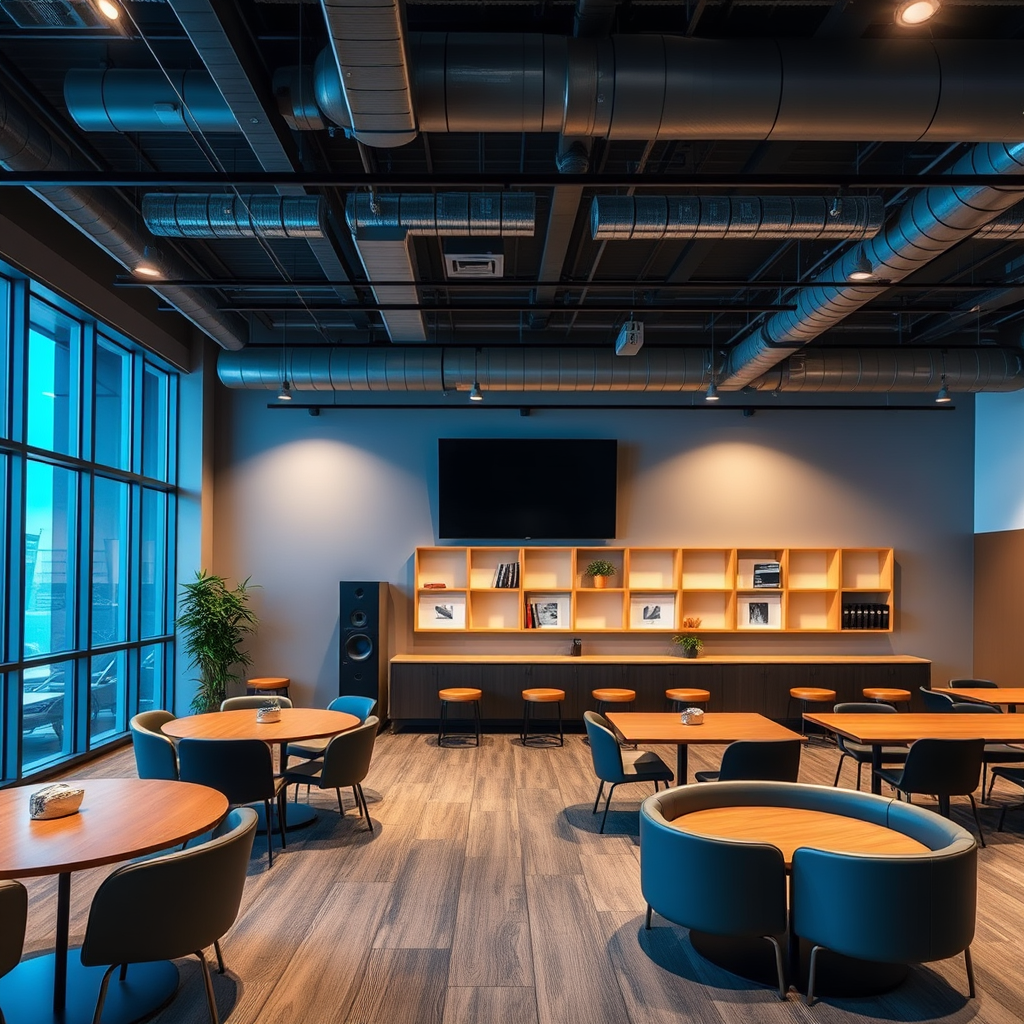
The first step in selecting an audio system is to assess your commercial space’s size and layout. Larger areas may require more speakers to ensure even audio coverage, while smaller spaces can often function well with fewer units. It’s essential to consider the dimensions and peculiarities of your environment—such as open layouts versus segmented rooms—which can significantly affect sound distribution.
Additionally, the acoustics of your commercial space play a pivotal role in audio quality. Hard surfaces, such as tile or concrete, can lead to sound reflections, causing echo and distortion. Conversely, spaces with softer materials like carpeting or acoustic panels may absorb sound, reducing clarity. Conducting an acoustic assessment can help determine whether you need equipment that compensates for these factors, such as sound-absorbing materials or specialized speakers designed to minimize echo.
Identifying Your Audio Needs
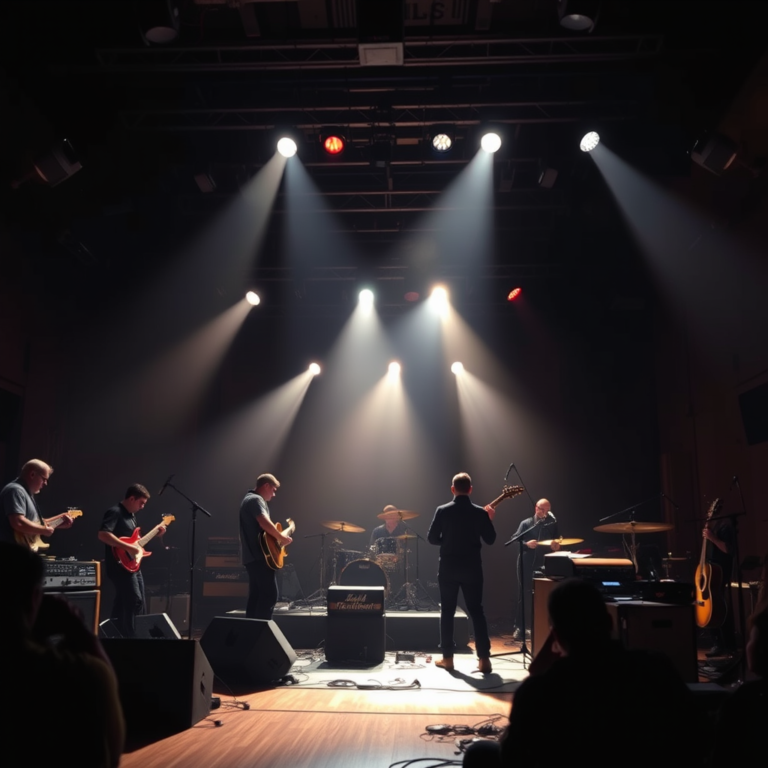
Next, define the purpose of your audio system. Will it primarily be used for background music to create an inviting atmosphere, or will it play a crucial role in announcements and live events? Establishing the primary function will guide you in selecting appropriate equipment. For instance, a restaurant may prioritize background music, while a retail store might need a system that facilitates announcements and promotions.
Audio quality is another critical component to consider. Depending on the activities that will take place in your space, you may require systems that deliver high-fidelity sound. Evaluate the types of media you will use—such as music playlists, live performances, or spoken announcements—and ensure the audio system can meet these demands without compromising sound clarity.
Types of Audio Equipment
When it comes to selecting audio equipment, a variety of options are available. Here are some of the most common types:
1. Ceiling Speakers: Ideal for environments where wall space is limited, ceiling speakers provide a discreet solution, ensuring audio coverage without compromising aesthetics.
2. Wall-Mounted Speakers: These are suitable for larger areas and can be strategically positioned to direct sound toward specific areas, enhancing the listening experience.
3. Portable Systems: Great for events and temporary setups, portable audio systems offer flexibility and can easily be moved as needed.
4. Digital Sound Processing Systems: These advanced systems can enhance audio clarity, allowing for adjustments based on the environment and specific needs.
5. Wireless Systems: These provide the convenience of mobility and easy installation, eliminating the need for extensive cabling.
6. Microphone Systems: Essential for announcements and presentations, consider wireless or wired options based on your needs.
The choice of equipment should align with the specific demands of your space and the audio experience you aim to create.
Top Audio Equipment Types for Commercial Spaces (2024)
| # | Equipment Type | Usage | Cost Range | Ideal For |
|---|---|---|---|---|
| 1 | Ceiling Speakers | Background Music | $100-$300 | Restaurants |
| 2 | Wall-Mounted Speakers | Announcements | $150-$400 | Retail Stores |
| 3 | Portable Systems | Events | $200-$600 | Corporate Events |
| 4 | Digital Sound Processing | Clarity Enhancement | $300-$800 | Concert Halls |
| 5 | Wireless Systems | Convenience | $250-$700 | Gyms |
| 6 | Microphone Systems | Presentations | $100-$500 | Meeting Rooms |
Integrating Technology
In today’s digital age, integrating technology into your audio system can enhance functionality and ease of use. Smart audio systems allow for remote control, enabling you to manage audio settings from a smartphone or tablet. This convenience can be particularly beneficial in environments where staff may need to adjust sound levels frequently or across multiple zones.
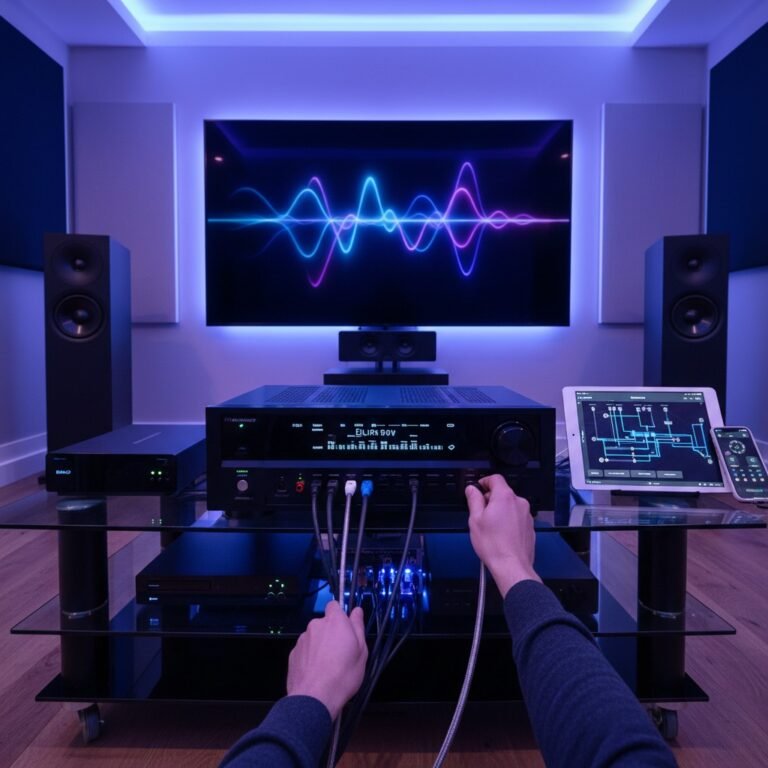
When selecting audio equipment, ensure compatibility with existing technology. For instance, integrating with video systems or mobile devices can streamline the overall experience, allowing for seamless transitions between audio and visual content during presentations or events. Additionally, consider systems that support various streaming services or applications, making it easy to access a wide range of audio content.
Budgeting and Cost Considerations
Establishing a budget is vital when planning your audio system. Consider not only the initial purchase of equipment but also installation costs, which can vary significantly depending on the complexity of the setup. Be clear about your financial limits and explore options within your budget.
Long-term maintenance should also be factored into your budget. High-quality equipment may have a higher upfront cost but could save you money in the long run through durability and fewer repairs. Additionally, consider future upgrades—audio technology is continuously evolving, and planning for potential enhancements can help you avoid future costs.
Seeking Professional Help
Deciding whether to hire an audio consultant can be pivotal for achieving optimal results. A professional can provide tailored recommendations based on your specific needs and space characteristics. They can also assist with the design and installation of the system, ensuring that everything is set up correctly for maximum performance.
When looking for an audio installation company, do thorough research to find reputable firms with experience in commercial spaces. Check reviews, ask for references, and evaluate their previous work to ensure you choose a partner that aligns with your vision and quality expectations.
Testing and Adjustments
After installation, it’s crucial to conduct a trial run to assess the audio performance in real-time. Gather feedback from staff and customers to understand how well the audio system meets their needs. Pay attention to areas where sound may be too loud or too soft, and make necessary adjustments to achieve a balanced audio experience throughout the space.
Testing should also include different audio sources to ensure versatility. Whether it’s background music, announcements, or live events, the system should perform well across various scenarios. Regularly revisit your audio setup to make any needed adjustments based on evolving needs or changes in the space.
Audio Equipment Usage in Commercial Spaces (%)
Summarizing the essential elements for choosing the right audio system for your commercial space can significantly enhance your establishment’s atmosphere and functionality. By understanding your specific needs, exploring equipment options, and seeking professional guidance, you can create an audio environment that meets your objectives. Take the next step and start evaluating your audio needs today!
Frequently Asked Questions
What factors should I consider when choosing an audio system for my commercial space?
When selecting an audio system for your commercial space, consider factors such as the size and layout of the area, the intended use of the audio (e.g., background music, announcements), and the acoustics of the environment. Additionally, think about your budget, ease of use, and whether you need wireless capabilities or integration with existing systems.
How do I determine the right size of speakers for my commercial audio system?
To determine the right size of speakers for your commercial audio system, assess the square footage of your space and the volume level required for effective sound coverage. Generally, larger areas may require more powerful speakers or additional units to ensure even sound distribution, while smaller spaces can utilize compact speakers without sacrificing audio quality.
Why is acoustics important in commercial audio system design?
Acoustics play a crucial role in commercial audio system design because they affect sound clarity and quality. Poor acoustics can lead to issues such as echoes or dead spots, making it difficult for customers and staff to hear announcements or enjoy music. Investing in acoustic treatments can enhance sound performance and overall customer experience in your commercial space.
What is the best type of audio system for a retail environment?
The best type of audio system for a retail environment is often a distributed sound system, which uses multiple smaller speakers placed throughout the space for even sound coverage. This setup allows for background music that enhances the shopping experience without overwhelming customers, and it can be easily customized to fit different store layouts and customer traffic patterns.
Which brands are recommended for high-quality commercial audio systems?
Recommended brands for high-quality commercial audio systems include Bose, JBL, and Yamaha, known for their reliability and superior sound quality. These brands offer a variety of options tailored for different commercial environments, ensuring you can find the right audio equipment that meets your specific needs and budget.
References
- Sound system
https://en.wikipedia.org/wiki/Sound_system - https://www.ncbi.nlm.nih.gov/pmc/articles/PMC7539708/
https://www.ncbi.nlm.nih.gov/pmc/articles/PMC7539708/ - https://www.sciencedirect.com/topics/engineering/audio-systems
https://www.sciencedirect.com/topics/engineering/audio-systems - https://www.britannica.com/topic/sound-system
https://www.britannica.com/topic/sound-system - https://www.researchgate.net/publication/331590004_Audio_Visual_Systems_for_Commercial_Applications
https://www.researchgate.net/publication/331590004_Audio_Visual_Systems_for_Commercial_Applications - Strategies to Expand and Improve Deployment of ITS in Rural Transit Systems | The National Academ…
https://www.nap.edu/catalog/23315/technology-for-audio-visual-systems-in-commercial-applications - Google Scholar Google Scholar
https://scholar.google.com/scholar?q=Audio+Systems+for+Commercial+Spaces - Google Scholar Google Scholar
https://scholar.google.com/scholar?q=Choosing+the+Right+Audio+Equipment - Google Scholar Google Scholar
https://scholar.google.com/scholar?q=Commercial+Audio+System+Design - Sorry! That Page Cannot Be Found
https://www.asha.org/publications/journal/