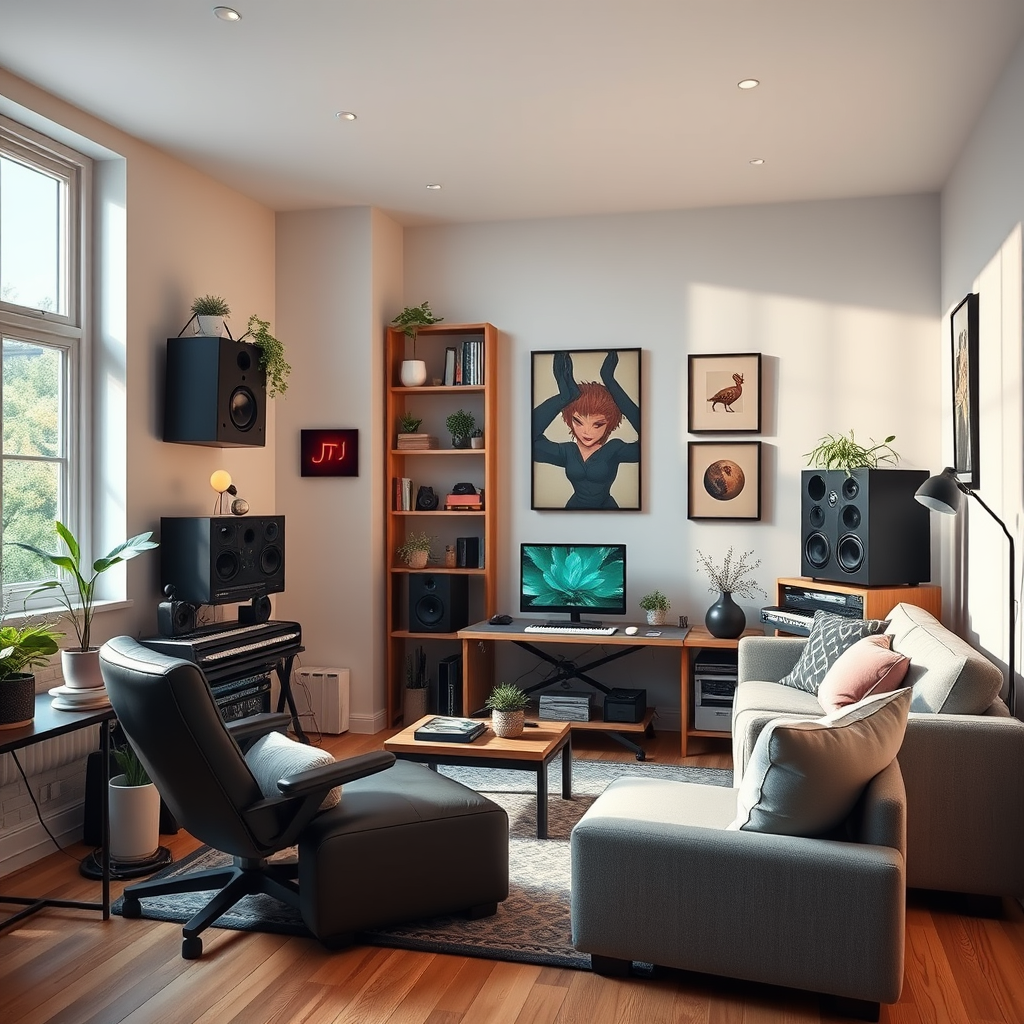

When setting up a home studio, the right audio interface can elevate your recordings from amateur to professional in no time. In 2023, the best audio interfaces offer a blend of superior sound quality, user-friendly features, and impressive versatility, catering to musicians and producers of all levels. Whether you’re just starting or looking to upgrade your setup, this guide will help you navigate the top options available this year, ensuring that your music production experience is nothing short of stellar.
Top Features to Consider

When choosing an audio interface, a few key features can make all the difference in your recording and mixing process.
– Sound Quality: The cornerstone of any good audio interface is its sound quality. Look for interfaces that utilize high-quality analog-to-digital converters (ADCs) and digital-to-analog converters (DACs). These components are essential for capturing every nuance of your sound, allowing for crystal-clear audio that translates well during mixing and mastering. A good rule of thumb is to aim for an interface with a minimum of 24-bit/192 kHz capability, which provides ample headroom for professional-quality recordings.
– Connectivity: Compatibility is crucial when integrating your audio interface with other devices. Most interfaces today connect via USB, but options like Thunderbolt can offer lower latency and higher bandwidth for more demanding setups. Additionally, consider whether you’ll need MIDI connectivity, which enables the connection of keyboards and other MIDI devices, expanding your creative possibilities.
Best Budget Audio Interfaces
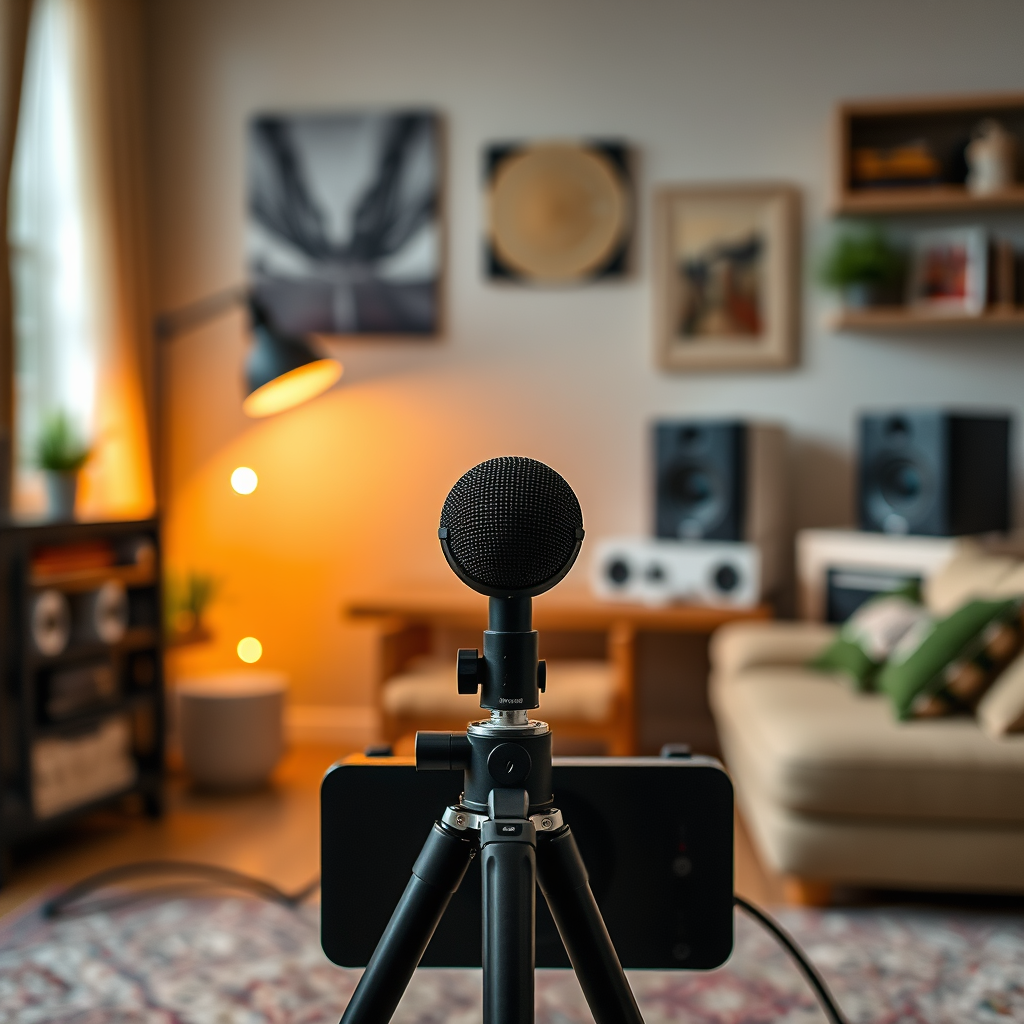
Just because you’re on a budget doesn’t mean you have to compromise on quality. Here are two fantastic options that prove you can get excellent sound without breaking the bank.
– Focusrite Scarlett 2i2: This interface is a favorite among beginners and seasoned musicians alike, thanks to its robust build and impressive sound quality. With two high-quality preamps and a simple USB connection, the Scarlett 2i2 allows you to connect microphones and instruments easily. Plus, it comes with a software bundle that includes Ableton Live Lite, making it a great starting point for any aspiring producer.
– Behringer UMC22: Another budget-friendly choice, the UMC22 offers fantastic value with its decent preamps and a solid set of features. It provides an easy-to-use interface and delivers reliable performance for home recording. Its compact design makes it an ideal choice for those who value portability, and it’s compatible with many popular DAWs.
High-End Audio Interfaces for Professionals
For those who are serious about their craft and willing to invest in top-notch equipment, the following high-end audio interfaces deliver exceptional quality and features.
– Universal Audio Apollo Twin X: Known for its stunning sound quality and powerful onboard processing capabilities, the Apollo Twin X is a go-to for professional musicians and producers. It includes UAD plugins, offering real-time processing that can greatly enhance your recordings. With its sleek design and robust build, this interface is as much a piece of art as it is a tool.
– RME Babyface Pro FS: If low latency and versatile connectivity options are what you’re after, the RME Babyface Pro FS is an industry standard. Its compact design houses a powerful audio engine, ensuring crystal-clear sound with minimal delay. This interface also features MIDI I/O and an intuitive control panel, making it perfect for complex setups that require extensive routing capabilities.
Portable Audio Interfaces for Mobile Recording
For musicians on the move, portability is key. Here are two interfaces that are compact yet powerful, perfect for recording wherever inspiration strikes.
– IK Multimedia iRig Pro I/O: This ultra-compact interface is designed for musicians who need flexibility. It connects easily to iOS devices, Android, and computers, allowing you to record high-quality audio from anywhere. The built-in preamp and MIDI connectivity make it a versatile tool for capturing ideas on the fly.
– Zoom U-24: The Zoom U-24 is a handy option for those needing a reliable interface while traveling. It’s lightweight and battery-operated, making it ideal for outdoor recordings or studio sessions away from home. With two inputs and phantom power for condenser microphones, it provides great sound quality in a portable package.
Multi-Channel Audio Interfaces for Larger Setups
If you’re looking to record multiple instruments simultaneously, a multi-channel audio interface will be your best friend. Here are two excellent options for larger setups.
– PreSonus Studio 1824c: This interface is perfect for multi-track recording, offering eight inputs and high-quality preamps. Its USB-C connection ensures fast data transfer, while the included Studio One Artist software provides a complete recording solution right out of the box. Whether you’re recording a full band or multiple instruments, the Studio 1824c has you covered.
– MOTU 828es: The MOTU 828es is renowned for its extensive routing options and superior audio quality. With 28 inputs and 32 outputs, this interface is ideal for complex setups where flexibility is essential. The built-in DSP allows for real-time effects processing, making it a favorite among sound engineers and producers.
Software and Compatibility
Understanding software compatibility is vital in maximizing the potential of your audio interface.
– DAW Compatibility: Before purchasing, ensure that the audio interface you choose works seamlessly with your preferred digital audio workstation (DAW), be it Pro Tools, Logic Pro, Ableton Live, or others. Most modern interfaces are designed to be compatible with multiple DAWs, but checking beforehand can save you a lot of headaches down the road.
– Included Software: Many audio interfaces come bundled with valuable software, such as virtual instruments, effects plugins, and recording software. This not only enhances the value of your purchase but also provides you with everything you need to start creating right away. Make sure to explore these bundled offerings as they can significantly expand your creative toolkit.
User Reviews and Recommendations
Before making your final decision, it’s always a good idea to consult user reviews and expert opinions.
– Customer Feedback: Analyzing reviews can provide insights into the real-world performance of each audio interface. Look for comments on ease of use, sound quality, and durability to gauge whether an interface meets your needs. Platforms like Amazon, Sweetwater, and Gearslutz are great places to start.
– Expert Opinions: Recommendations from sound engineers and music producers can offer additional perspectives on which interfaces perform best in professional settings. Many audio production blogs and YouTube channels regularly review and compare gear, so take advantage of these resources to make an informed choice.
The best audio interface can significantly enhance your home studio experience, impacting the quality of your recordings and mixing. By considering your specific needs, budget, and the features outlined above, you can make an informed decision. Explore the options listed and take your home studio to the next level! Remember, investing in a quality audio interface is an investment in your music, and it can open up new possibilities for creativity and expression. Happy recording!
Frequently Asked Questions
What features should I look for in the best audio interfaces for home studios?
When searching for the best audio interfaces for home studios, prioritize key features such as the number of inputs and outputs, the quality of the preamps, and the audio resolution (sample rate and bit depth). Additionally, consider the connectivity options (USB, Thunderbolt, etc.), latency performance, and any included software or plugins. These features will significantly impact your recording quality and overall workflow in your home studio.
How do I choose the right audio interface for recording vocals?
To choose the right audio interface for recording vocals, focus on an interface that offers high-quality preamps and at least one XLR input for your microphone. Look for interfaces with low latency to ensure you can monitor your vocals in real-time without noticeable delay. Additionally, consider models that provide phantom power if you’re using condenser microphones, as this will enhance the clarity and richness of the vocal recordings.
Why is an audio interface necessary for a home studio?
An audio interface is essential for a home studio because it converts analog signals from microphones and instruments into digital data that your computer can process. This conversion allows for higher sound quality compared to standard computer audio inputs, enabling you to capture detailed recordings. Furthermore, audio interfaces often come with better preamps and converters, which can improve the overall sound of your recordings and provide a more professional output.
What is the best budget audio interface for home studios?
The best budget audio interface for home studios is often considered to be the Focusrite Scarlett 2i2. It offers two high-quality microphone preamps, solid build quality, and USB connectivity, making it ideal for beginner musicians and podcasters. With a price point typically under $200, it delivers excellent sound quality and comes bundled with user-friendly recording software, making it a great choice for those just starting out.
Which audio interface is best for musicians who play multiple instruments?
For musicians who play multiple instruments, the PreSonus AudioBox 1818VSL is an excellent choice. This audio interface features eight inputs, allowing you to connect various instruments simultaneously without sacrificing sound quality. With its versatile connectivity options, low-latency monitoring, and robust software integration, it enables musicians to record full band arrangements or multi-instrument tracks efficiently in a home studio setting.
References
- Audio interface
- https://www.tonymack.com/blogs/news/best-audio-interfaces-for-home-studios
- https://www.izotope.com/en/learn/audio-interface-guide.html
- https://www.soundonsound.com/techniques/what-audio-interface
- https://www.musictech.net/guides/buyers-guide/best-audio-interfaces/
- https://www.soundonsound.com/reviews/guide-audio-interfaces
- Mix and Pro Sound News to Merge – Mixonline
- https://www.digitaltrends.com/music/best-audio-interfaces/