
To effectively soundproof a home theater room, you can utilize several DIY solutions that are both cost-effective and easy to implement. From adding acoustic panels to using soundproof curtains, these methods will help minimize external noise and enhance your viewing experience. In this article, you’ll discover practical tips to create a quiet and immersive environment for your home theater.
Creating a soundproof home theater involves understanding the fundamentals of how sound travels and how to effectively block or absorb it. With the right techniques and materials, you can transform your space into a cinematic sanctuary, free from distractions and external noise. Let’s explore the various DIY soundproofing solutions that can elevate your home theater experience.
Understanding Soundproofing Basics
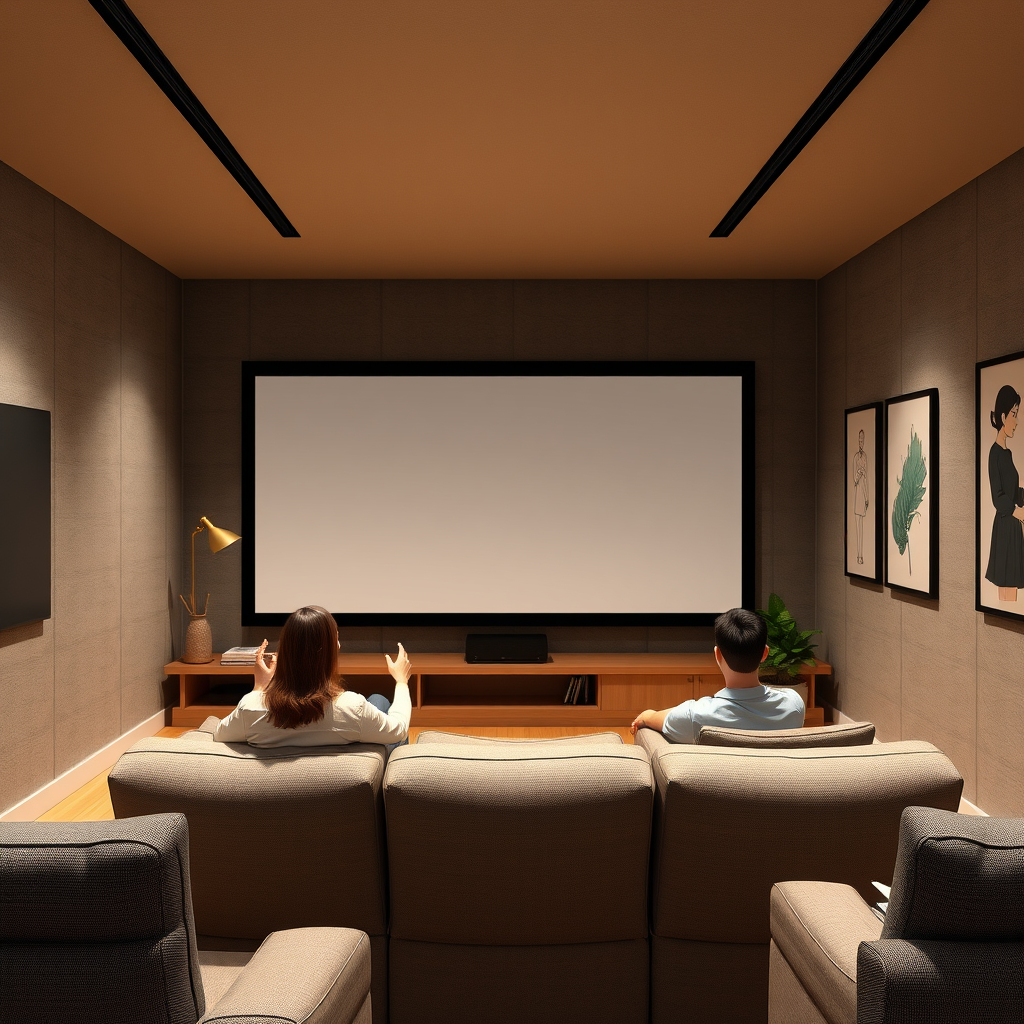
Soundproofing involves reducing sound transmission between spaces, a critical factor in creating a peaceful home theater environment. The effectiveness of soundproofing methods is defined by three key concepts: mass, absorption, and decoupling.
– Mass: Heavier materials tend to block sound better. This principle explains why adding mass-loaded vinyl or dense drywall can significantly reduce noise transmission.
– Absorption: This refers to materials that can absorb sound waves rather than reflecting them. Soft materials like carpets, curtains, and acoustic panels help minimize echoes and reverberations.
– Decoupling: This involves separating structures to prevent sound vibrations from traveling through walls, ceilings, and floors. Techniques like staggered stud walls or resilient channels can be employed to create a decoupled structure.
A comprehensive approach that utilizes these principles will yield the best results for soundproofing your home theater.
Acoustic Panels: A Must-Have
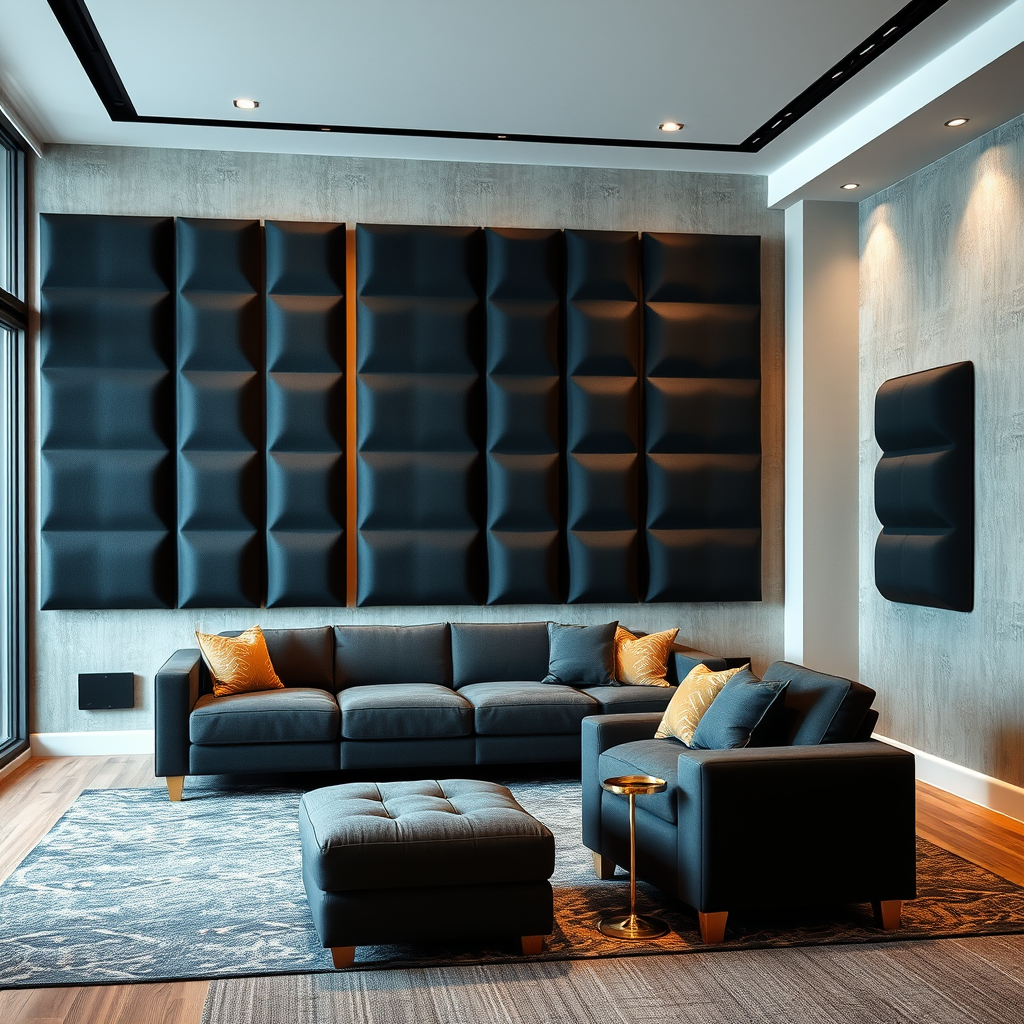
Installing acoustic panels can absorb sound waves and reduce echo, making them essential for any home theater room. These panels are designed to minimize sound reflection, which can otherwise lead to a muddy audio experience.
For an affordable DIY solution, consider creating your own acoustic panels using fabric-wrapped boards or foam tiles. Here’s a simple process to follow:
1. Materials: Purchase sound-absorbing foam or fabric, wooden frames, and adhesive spray.
2. Construction: Cut the foam to size and wrap it around the wooden frame, securing it with adhesive.
3. Placement: Position the panels strategically on walls where sound reflection is most pronounced, such as directly opposite the speakers and on the ceiling.
By incorporating these panels into your design, you’ll notice a marked improvement in sound clarity and quality, allowing for a more immersive viewing experience.
Insulating Doors and Windows
Gaps around doors and windows can be significant sources of noise infiltration. Weather stripping can seal these gaps effectively, blocking external noise and enhancing your home theater’s soundproofing.
1. Weather Stripping: Install adhesive weather stripping around the edges of doors and windows. This simple task can significantly reduce sound leakage.
2. Heavy Curtains: Consider adding heavy, soundproof curtains to your windows. These curtains are designed to absorb sound, further insulating your space.
3. Soundproof Window Inserts: For a more permanent solution, soundproof window inserts can be installed. These are custom-fit acrylic or glass panels that create an additional barrier against noise.
By improving the insulation of your doors and windows, you create a more controlled acoustic environment, which is crucial for enjoying movies and music without interruptions.
Top DIY Soundproofing Materials (2023)
| # | Material | Effectiveness (%) | Cost ($) | Ease of Installation |
|---|---|---|---|---|
| 1 | Acoustic Panels | 80% | 50 | Moderate |
| 2 | Soundproof Curtains | 75% | 100 | Easy |
| 3 | Weather Stripping | 70% | 20 | Very Easy |
| 4 | Mass-Loaded Vinyl | 85% | 150 | Moderate |
| 5 | Soundproof Window Inserts | 90% | 200 | Complex |
| 6 | Carpeting | 65% | 80 | Easy |
| 7 | Upholstered Furniture | 60% | 150 | Easy |
Flooring Solutions for Sound Dampening
The choice of flooring can significantly impact the sound dynamics in your home theater. Hard surfaces tend to reflect sound, while soft surfaces absorb it, making flooring a critical aspect of soundproofing.
1. Carpeting: Installing wall-to-wall carpeting can help absorb sound and reduce echo. Its fibrous texture offers excellent sound-dampening properties.
2. Area Rugs: If carpeting isn’t an option, consider using thick area rugs. They can be placed in key areas where sound reflection occurs, such as in front of speakers.
3. Soundproof Underlayment: If you have hard flooring, consider installing a soundproof underlayment beneath your flooring material. This extra layer can further absorb sound and reduce the transmission of vibrations.
Incorporating these flooring solutions will enhance the acoustic properties of your home theater, leading to a richer sound experience.
Ceiling Treatments for Better Sound Control
The ceiling is often overlooked in soundproofing discussions, yet it plays a crucial role in sound dynamics. Addressing ceiling surfaces can greatly improve sound quality in your home theater.
1. Acoustic Ceiling Tiles: Installing acoustic ceiling tiles can minimize sound reflection from above, creating a more immersive environment. These tiles can be easily installed and are available in various designs.
2. Mass-Loaded Vinyl: Adding mass-loaded vinyl to the ceiling can significantly reduce sound transmission. This dense material is effective in blocking low-frequency noises that can disrupt your viewing experience.
By paying attention to ceiling treatments, you can further enhance the sound quality in your home theater, ensuring that every dialogue and sound effect is crystal clear.
Soundproofing Effectiveness by Material Type
DIY Soundproofing with Furnishings
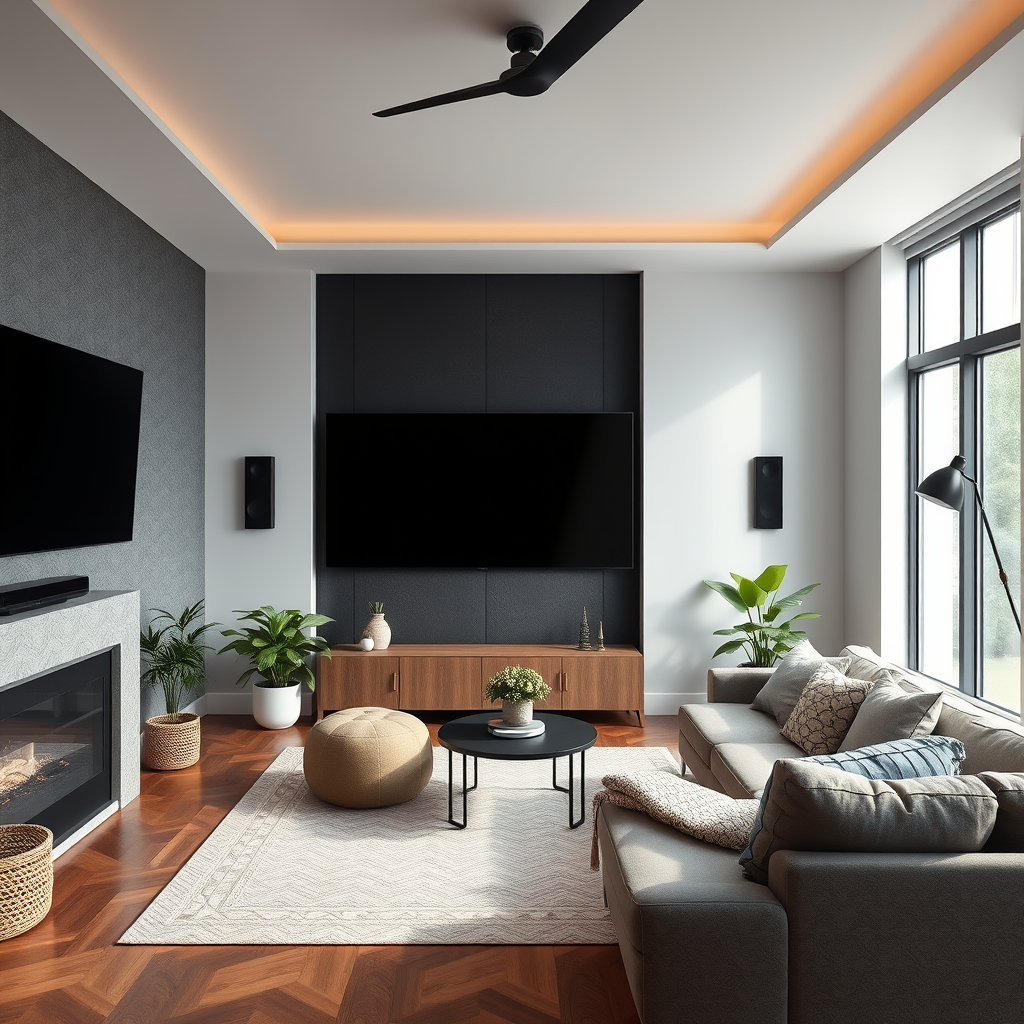
Furnishings can play a crucial role in soundproofing your home theater. Strategic placement of furniture can enhance sound absorption and create barriers against noise.
1. Bookshelves: Positioning bookshelves filled with books against walls can act as effective sound barriers. The dense materials absorb sound and reduce reflections.
2. Upholstered Furniture: Sofas, chairs, and other upholstered pieces absorb sound, lessening the overall noise level in the room. The more fabric and cushioning, the better the sound absorption.
3. Soft Furnishings: Incorporate cushions, throws, and rugs to further enhance sound absorption. These elements help to break up sound waves and reduce reverberation.
By thoughtfully selecting and arranging your furnishings, you can create a more acoustically friendly environment, amplifying your home theater’s sound quality.
Testing and Evaluating Your Soundproofing Efforts
After implementing your soundproofing solutions, it’s essential to evaluate their effectiveness. Conducting a thorough sound test can help identify areas that may need further improvement.
1. Sound Test: Play audio tracks at various volumes and listen for any echo or external noise interference. Pay attention to specific areas that may require additional treatment.
2. Adjustments: Based on your observations, you may need to reposition acoustic panels, add more furnishings, or enhance insulation in specific areas.
3. Continuous Improvement: Soundproofing is not a one-time effort. Regularly review your soundproofing measures as your needs and the room’s usage evolve.
By taking the time to test and fine-tune your soundproofing efforts, you can ensure that your home theater remains a quiet and enjoyable space.
In summary, utilizing these DIY soundproofing solutions can significantly improve the audio quality and overall experience in your home theater room. Start with the basics like acoustic panels and insulation, and gradually enhance your setup for the best results. Take action now and transform your space into a cinematic sanctuary!
Frequently Asked Questions
What are the best materials for DIY soundproofing a home theater room?
The best materials for DIY soundproofing a home theater room include mass-loaded vinyl, acoustic foam panels, and soundproofing curtains. Mass-loaded vinyl adds density to walls, while acoustic foam helps absorb sound waves, reducing echo. Additionally, soundproofing curtains can block external noise, creating a more immersive viewing experience.
How can I effectively soundproof my home theater on a budget?
To soundproof your home theater on a budget, consider using DIY methods like sealing gaps with acoustic caulk, adding rugs or carpets for floor insulation, and utilizing heavy curtains to cover windows. You can also create DIY acoustic panels using affordable materials like wood frames and insulation, which can significantly reduce sound transmission without breaking the bank.
Why is soundproofing important in a home theater room?
Soundproofing is crucial in a home theater room to enhance audio quality and prevent sound leakage that could disturb others in your home. Proper soundproofing ensures that sound remains contained within the room, allowing for a more enjoyable cinematic experience. It also minimizes external noise interference, creating a more immersive atmosphere.
Which DIY soundproofing techniques are most effective for walls?
The most effective DIY soundproofing techniques for walls include adding mass-loaded vinyl, constructing a double wall with insulation, and applying soundproofing paint. These methods help to dampen sound transmission by increasing wall density and absorbing sound waves, significantly improving sound isolation in your home theater.
What steps should I take to soundproof my home theater ceiling?
To soundproof your home theater ceiling, start by adding acoustic panels or tiles that absorb sound. You can also install resilient channels to decouple the ceiling from the structure, reducing sound transfer. Additionally, consider adding insulation within the ceiling space to further enhance soundproofing and improve overall audio quality in your home theater.
References
- Soundproofing
https://en.wikipedia.org/wiki/Soundproofing - https://www.ncbi.nlm.nih.gov/pmc/articles/PMC4997435/
https://www.ncbi.nlm.nih.gov/pmc/articles/PMC4997435/ - https://www.cdc.gov/nceh/hearing_loss/what_noises_cause_hearing_loss.html
https://www.cdc.gov/nceh/hearing_loss/what_noises_cause_hearing_loss.html - https://www.theguardian.com/technology/2021/jul/21/how-to-soundproof-your-home
https://www.theguardian.com/technology/2021/jul/21/how-to-soundproof-your-home - https://pubmed.ncbi.nlm.nih.gov/32613129/
https://pubmed.ncbi.nlm.nih.gov/32613129/ - https://www.sciencedirect.com/science/article/pii/S2351978921000269
https://www.sciencedirect.com/science/article/pii/S2351978921000269 - https://www.bbc.com/future/article/20210709-how-to-soundproof-your-home
https://www.bbc.com/future/article/20210709-how-to-soundproof-your-home - Google Scholar Google Scholar
https://scholar.google.com/scholar?q=DIY+solutions+for+soundproofing+home+theater - Google Scholar Google Scholar
https://scholar.google.com/scholar?q=soundproofing+techniques+home+theater - Google Scholar Google Scholar
https://scholar.google.com/scholar?q=soundproofing+benefits+home+theater