

Choosing between open-back and closed-back headphones can significantly impact your listening experience. Open-back headphones are known for their natural and spacious sound, making them ideal for audiophiles who prefer an immersive listening experience. In contrast, closed-back headphones excel at noise isolation and enhanced bass response, making them a perfect choice for on-the-go listening or noisy environments. In this article, we’ll delve into the key differences, advantages, and ideal use cases for both types to help you make an informed decision.
Understanding Open-Back Headphones
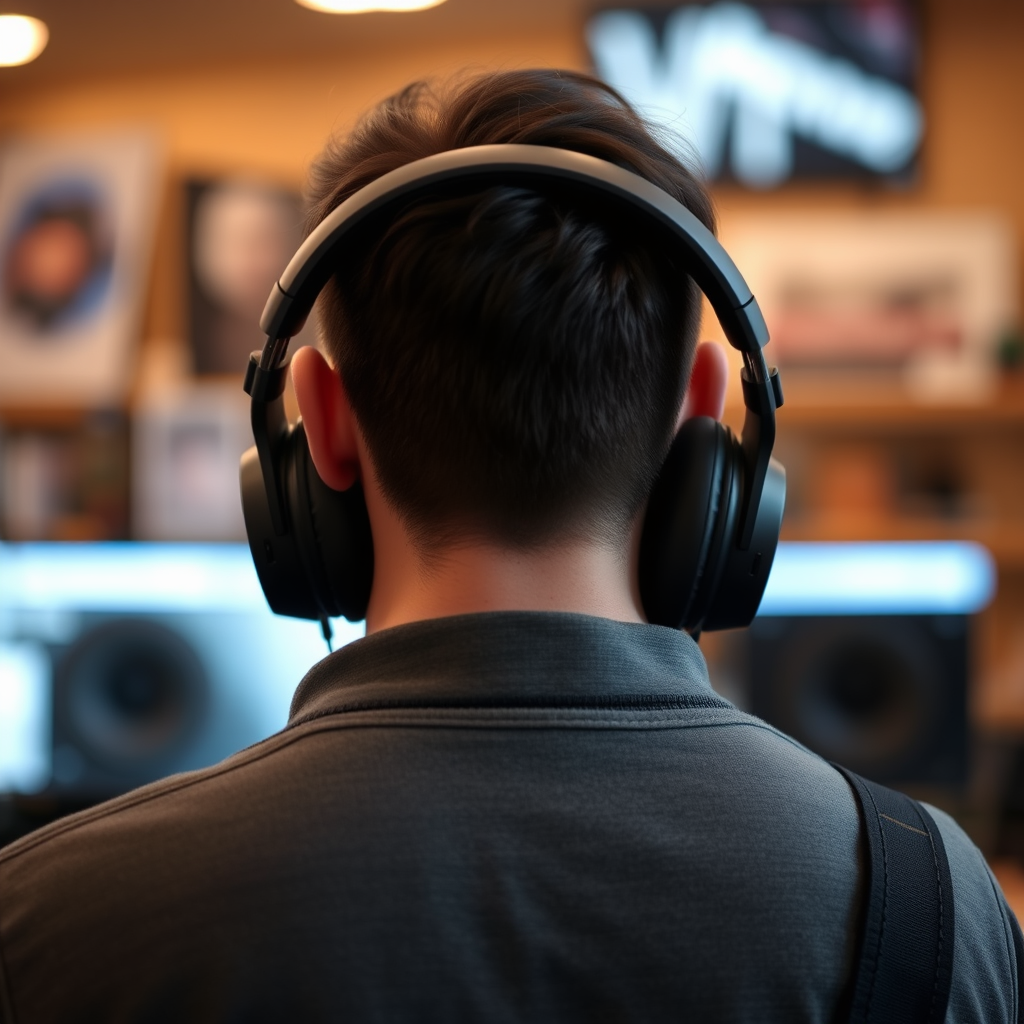
Open-back headphones have a unique design that allows air and sound to flow freely through the ear cups. This design creates a more expansive soundstage, which means listeners can experience a richer, more natural sound. The open nature of these headphones allows for sound to escape, which can enhance the overall listening experience by making it feel less confined.
Additionally, open-back headphones tend to be lighter and more comfortable for extended listening sessions. The vented design promotes airflow, reducing heat buildup, which can be a common issue with closed-back models. This makes them an excellent choice for long hours of music listening or audio mixing in controlled environments.
Advantages of Open-Back Headphones

One of the primary advantages of open-back headphones is their superior sound quality. The open design facilitates a more natural sound reproduction, allowing listeners to appreciate the nuances of their music. The spacious soundstage is particularly beneficial for genres like classical and jazz, where instrument separation and spatial accuracy are crucial.
Open-back headphones are ideal for home listening environments where external noise is minimal. They allow you to enjoy the full detail and dynamics of the music without the distraction of outside sounds. Furthermore, many audiophiles prefer open-back headphones because they can create a sense of being in a live performance, making the listening experience more engaging.
Understanding Closed-Back Headphones
Closed-back headphones feature a sealed design that prevents sound from leaking in or out. This isolation enhances the listening experience by blocking external noise, making them particularly effective in noisy environments. The design also helps to keep the sound contained within the ear cups, which can lead to a more focused listening experience.
In terms of durability, closed-back headphones often have a more robust construction, making them suitable for travel and public use. Many models are foldable or compact, allowing for easy storage and portability, which is a significant advantage for users who are frequently on the move.
Advantages of Closed-Back Headphones
Closed-back headphones offer excellent noise isolation, making them a great choice for users in loud environments such as public transit, cafes, or busy offices. This feature allows listeners to immerse themselves in their music without distractions from their surroundings.
In addition to noise isolation, closed-back headphones typically provide enhanced bass response, which is particularly appealing for genres like hip-hop and electronic music. The seal created by the closed design allows for improved bass reproduction, making the listening experience more powerful and impactful.
Key Considerations When Choosing
When deciding between open-back and closed-back headphones, it’s essential to assess your primary use case. Consider whether you’ll primarily be listening at home or on the go. If you often find yourself in noisy environments, closed-back headphones might be the better choice due to their superior noise isolation. Conversely, if you have a quiet space and prioritize sound quality, open-back headphones may be the way to go.
Additionally, consider the type of music you listen to and your audio quality preferences. If you enjoy genres that benefit from a wide soundstage and intricate details, open-back headphones may enhance your experience. On the other hand, if you prefer bass-heavy music and need effective isolation, closed-back models might be more suitable.
Budget and Brand Recommendations
When exploring options for open-back and closed-back headphones, it’s crucial to consider your budget. The market offers a wide range of options across various price points, from budget-friendly models to high-end audiophile headphones. Brands like Sennheiser, Bose, and Audio-Technica are well-regarded for their quality offerings in both categories.
For open-back headphones, models such as the Sennheiser HD 598 and the Beyerdynamic DT 990 Pro are popular choices that deliver exceptional audio quality without breaking the bank. In the closed-back category, options like the Bose QuietComfort 35 II and the Sony WH-1000XM4 provide superb noise cancellation and comfort, making them excellent for travel and everyday use.
Top 7 Headphone Models by Features (2024)
| # | Model | Type | Price ($) | Noise Isolation | Sound Stage |
|---|---|---|---|---|---|
| 1 | Sennheiser HD 598 | Open-Back | 199 | Low | Wide |
| 2 | Beyerdynamic DT 990 Pro | Open-Back | 149 | Low | Wide |
| 3 | Bose QuietComfort 35 II | Closed-Back | 299 | High | N/A |
| 4 | Sony WH-1000XM4 | Closed-Back | 349 | High | N/A |
| 5 | Audio-Technica ATH-M50X | Closed-Back | 149 | Medium | N/A |
| 6 | Focal Listen Professional | Closed-Back | 249 | Medium | N/A |
| 7 | Sennheiser Momentum 3 | Closed-Back | 399 | High | N/A |
Headphone Type Popularity by Listening Environment (2024)
Final Thoughts on Audio Quality Preferences
Ultimately, personal preference plays a significant role when choosing between open-back and closed-back headphones. While some users may prefer the airy and spacious sound of open-back models, others may value the isolation and bass response offered by closed-back designs. Testing both types whenever possible can provide invaluable insight into which suits your listening style best.
In summary, assessing your primary use case, considering the type of music you enjoy, and understanding the characteristics of each headphone type can empower you to make a well-informed decision. Each model has unique benefits tailored to different listening environments and preferences. Investing in the right headphones will undoubtedly enhance your audio experience, bringing your music to life in ways you never imagined.
Frequently Asked Questions
What are the main differences between open-back and closed-back headphones for audio quality?
Open-back headphones feature a design that allows air and sound to pass through the ear cups, creating a more natural and expansive soundstage. In contrast, closed-back headphones provide a sealed environment, which enhances bass response and isolates sound, making them ideal for noisy environments. The choice between the two often depends on personal preference and the listening environment.
How do open-back headphones enhance audio quality compared to closed-back models?
Open-back headphones typically offer superior audio quality due to their ability to create a more immersive listening experience with greater spatial awareness. This design reduces resonance and distortion, allowing for more accurate sound reproduction, particularly in mid and high frequencies. However, they may not be suitable for all situations, especially in noisy settings.
Why should I choose closed-back headphones over open-back for studio monitoring?
Closed-back headphones are often preferred for studio monitoring because they provide better isolation from external sounds, allowing for a clearer focus on the audio being produced or mixed. This isolation is crucial in preventing sound bleed, which can interfere with recordings, making closed-back models a practical choice for professional environments.
What are the best use cases for open-back headphones in terms of audio quality?
Open-back headphones excel in scenarios where sound quality and comfort are paramount, such as critical listening, audiophile experiences, or home setups with minimal background noise. They are particularly favored for genres like classical or acoustic music, where the spacious soundstage enhances the overall listening experience, making them a top choice for discerning listeners.
Which type of headphones offers the best bass response, open-back or closed-back?
Closed-back headphones generally provide the best bass response due to their sealed design, which helps to enhance low frequencies and prevent sound leakage. This makes them ideal for genres such as hip-hop or electronic music, where deep bass is essential. In contrast, open-back headphones may sacrifice some bass impact for a more balanced and airy sound profile.
References
- Headphones
https://en.wikipedia.org/wiki/Headphones - Headphone | Noise-Cancelling, Wireless & Over-Ear | Britannica
https://www.britannica.com/technology/headphone - Google Scholar Google Scholar
https://scholar.google.com/scholar?q=Open-Back+vs.+Closed-Back+Headphones - Google Scholar Google Scholar
https://scholar.google.com/scholar?q=Audio+Quality+Headphones - https://www.sciencedirect.com/topics/engineering/headphones
https://www.sciencedirect.com/topics/engineering/headphones - The Best Headphones We’ve Tested for 2026 | PCMag
https://www.pcmag.com/picks/the-best-headphones - https://www.nytimes.com/2021/06/08/technology/personaltech/best-headphones.html
https://www.nytimes.com/2021/06/08/technology/personaltech/best-headphones.html - https://www.theguardian.com/technology/2020/dec/15/best-headphones-2020
https://www.theguardian.com/technology/2020/dec/15/best-headphones-2020 - https://www.ncbi.nlm.nih.gov/pmc/articles/PMC6341313/
https://www.ncbi.nlm.nih.gov/pmc/articles/PMC6341313/ - https://www.nature.com/articles/s41598-019-40486-0
https://www.nature.com/articles/s41598-019-40486-0