
Choosing the right speaker cables can indeed make a noticeable difference in the sound quality of your Hi-Fi audio system. While some might argue that cables are merely a minor factor, high-quality speaker cables can significantly enhance clarity and detail in music playback, ensuring you get the most out of your audio equipment. In this article, we will dive into the factors that influence speaker cable performance and help you determine if investing in premium cables is truly worth it.
Understanding Speaker Cable Basics

Speaker cables serve a crucial role in transmitting audio signals from your amplifier to your speakers, and this transmission directly impacts sound quality. The electrical properties of the cables—resistance, capacitance, and inductance—are essential to understand when assessing their performance.
– Resistance refers to the opposition to the flow of electricity, and excessive resistance can lead to signal loss, resulting in diminished sound quality.
– Capacitance is the ability of a cable to store electrical energy, which can play a role in the frequency response of the audio signal.
– Inductance relates to how the cable reacts to changes in the electrical current, which can affect high-frequency sounds.
Another essential factor is the gauge or thickness of the cable. Thicker cables (lower gauge numbers) can carry signals more effectively with less resistance, making them a better choice for longer runs or higher power applications. For example, a 12-gauge cable is typically recommended for runs over 50 feet, while 14-gauge is often suitable for shorter distances.
The Impact of Cable Quality on Sound
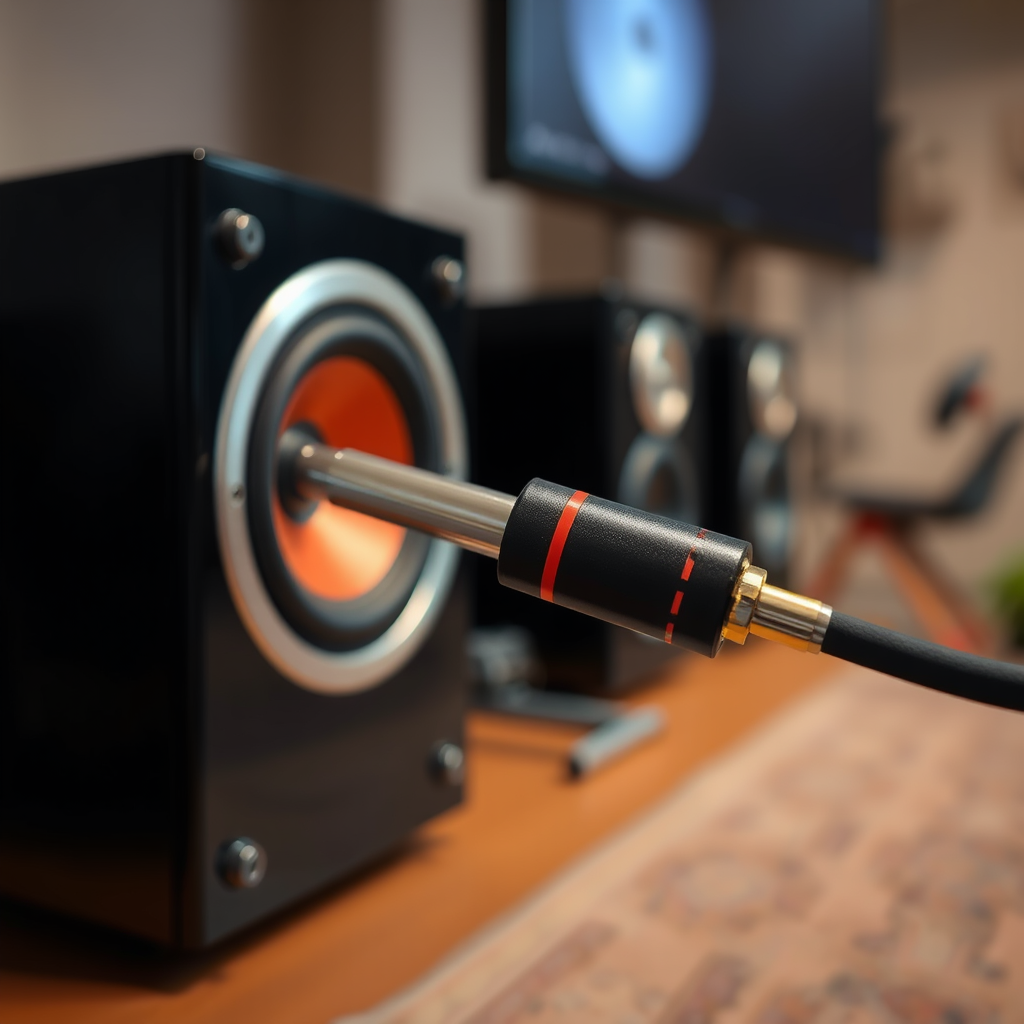
When it comes to speaker cables, quality really does matter. Higher-quality materials, such as oxygen-free copper (OFC), can reduce signal loss and distortion, ensuring that the audio signal remains as true to the original as possible. OFC is preferred among audiophiles because it has fewer impurities and offers better conductivity than standard copper.
The construction of the cable also affects sound quality. Cables that are well-shielded can minimize interference from external sources, which is particularly important in environments with multiple electronic devices. Additionally, the strand count can influence the overall sound presentation; cables with more strands can be more flexible and can sometimes offer improved sound dynamics.
While the differences in performance may seem subtle to the average listener, they can be quite significant for serious audio enthusiasts. For instance, a well-constructed, high-quality cable can bring out nuances in a recording that a lower-quality cable might mask.
Comparing Cable Types
When selecting speaker cables, you’ll encounter various materials and construction techniques, each with its unique characteristics and price points.
– Copper is the most common material used in speaker cables due to its excellent conductivity and affordability.
– Silver offers even better conductivity than copper but comes with a higher price tag. It can enhance clarity but may also introduce a brightness that isn’t suitable for all systems.
– Hybrid cables, which combine copper and silver, aim to provide a balance of performance and cost.
In terms of construction, you’ll find solid core and stranded cables. Solid core cables are typically more durable and provide a more stable connection, but they can be less flexible, making them harder to work with in tight spaces. Stranded cables, on the other hand, are more flexible and easier to manage but may not deliver the same level of performance in certain situations.
Understanding these nuances can help you choose the right cable type for your needs, ensuring that you get the most out of your Hi-Fi audio system.
The Role of Length and Gauge
The length of your speaker cables plays a critical role in both resistance and signal loss. Longer cables can introduce more resistance, which can affect audio quality, especially in systems that demand high fidelity.
For longer runs, thicker cables (lower gauge numbers) are generally recommended. For instance, if you’re connecting speakers that are situated far from your amplifier, a 12-gauge cable is often the best choice to minimize resistance and ensure optimal performance. Conversely, if you’re using shorter runs, a 16-gauge might suffice.
In finding the right balance between length and gauge, consider the power output of your amplifier and the impedance of your speakers. For high-power systems, it’s always wise to err on the side of using thicker cables to prevent any potential loss in performance.
Common Myths About Speaker Cables
One of the most pervasive myths in the audio community is that all speaker cables sound the same. This couldn’t be further from the truth; quality does matter. The materials, construction, and gauge of your cables can all influence the ultimate listening experience.
Another common misconception is that expensive cables always perform better than budget options. While it’s true that many premium cables offer superior performance, some budget options provide excellent value and sound quality. It’s essential to assess your specific audio needs rather than rely solely on price.
Lastly, personal experience and preference play a significant role in audio equipment. What sounds good to one person may not resonate with another, so don’t hesitate to experiment with different cables to discover what works best for your unique setup.
Tips for Choosing the Right Speaker Cables
When selecting speaker cables for your Hi-Fi audio system, consider the following tips:
1. Assess Your System’s Power Output and Speaker Impedance: Make sure your cables can handle the power your system delivers without compromising sound quality.
2. Look for Reputable Brands: Opt for well-known brands with positive reviews to ensure you’re investing in quality. Brands like Monster Cable, AudioQuest, and Blue Jeans Cable have established credibility among audiophiles.
3. Experiment: Don’t be afraid to try different cables. Sometimes, switching to a different gauge or material can yield surprising improvements in sound quality. If you have friends in the audiophile community, consider borrowing cables to test them in your own system.
4. Read Reviews: Researching user experiences can provide valuable insight into the performance of specific cables. Websites like Audioholics and What Hi-Fi? often provide detailed comparisons and reviews.
In conclusion, while the differences in speaker cables can vary depending on several factors, investing in quality cables can significantly enhance your Hi-Fi audio experience. Assess your audio system’s needs, explore various options, and don’t hesitate to test different cables to find the perfect match for your setup. Whether you’re a casual listener or an audiophile, the right speaker cables can truly elevate your sound, bringing your favorite music to life.
Frequently Asked Questions
What are the key factors to consider when choosing speaker cables for hi-fi audio systems?
When selecting speaker cables for hi-fi audio systems, consider factors such as gauge, material, length, and connectors. Thicker cables (lower gauge numbers) can minimize resistance and improve sound quality, especially over longer distances. Additionally, copper is the preferred material due to its excellent conductivity, while oxygen-free copper can reduce oxidation and enhance durability. Lastly, ensure you choose the right connectors (banana plugs, spade connectors, or bare wire) that fit your audio equipment securely.
How do speaker cables affect the sound quality of a hi-fi audio system?
Speaker cables can significantly impact the sound quality of a hi-fi audio system by affecting the signal transfer between the amplifier and speakers. High-quality cables reduce resistance and interference, allowing for clearer highs, deeper lows, and a more accurate overall sound. Conversely, inferior cables may introduce distortion or loss of signal fidelity, leading to a less immersive listening experience. Therefore, investing in good-quality speaker cables is essential for optimal audio performance.
Why do some people claim that expensive speaker cables make a noticeable difference?
Proponents of high-end speaker cables argue that factors like material quality, construction, and insulation can lead to improvements in sound clarity and detail. Premium cables often feature advanced technology and materials designed to minimize signal loss and electromagnetic interference. While the differences may be subtle, audiophiles believe that these enhancements can contribute to a more engaging and realistic listening experience, especially in high-resolution audio systems.
What is the best gauge for speaker cables in a hi-fi audio system?
The best gauge for speaker cables largely depends on the length of the run and the power of your amplifier. For most home audio setups, 16-gauge cables are suitable for runs up to 50 feet, while 14-gauge cables are ideal for longer distances or higher power applications. If you’re running cables over 100 feet, consider using 12-gauge cables to maintain optimal sound quality and minimize resistance. Always refer to your amplifier and speaker specifications to ensure proper gauge selection.
Which brands are known for producing the best speaker cables for hi-fi audio systems?
Several brands are renowned for their high-quality speaker cables, including AudioQuest, Monster Cable, and Kimber Kable. AudioQuest is praised for its innovative designs and use of premium materials, while Monster Cable offers a variety of options for different budgets and needs. Kimber Kable is known for its handcrafted cables that prioritize performance. Always read reviews and consider your specific audio requirements to choose the best brand that fits your hi-fi audio system.
References
- Speaker wire
- https://www.audioholics.com/audio-articles/speaker-cable-myths
- https://www.soundonsound.com/techniques/understanding-speaker-cables
- https://www.theabsolutesound.com/articles/the-great-speaker-cable-debate
- https://www.wired.com/story/speaker-cables-make-a-difference/
- https://www.techradar.com/news/do-speaker-cables-matter
- https://www.lifewire.com/speaker-cables-3134988