
To achieve optimal 360-degree surround sound, strategic speaker placement is crucial, tailored to your room’s layout and acoustic characteristics. Properly positioning your speakers enhances your auditory experience, whether you’re enjoying a cinematic feature or listening to your favorite music. This article will guide you through best practices for speaker placement, ensuring you immerse yourself in a rich audio environment.
Understanding 360-Degree Surround Sound
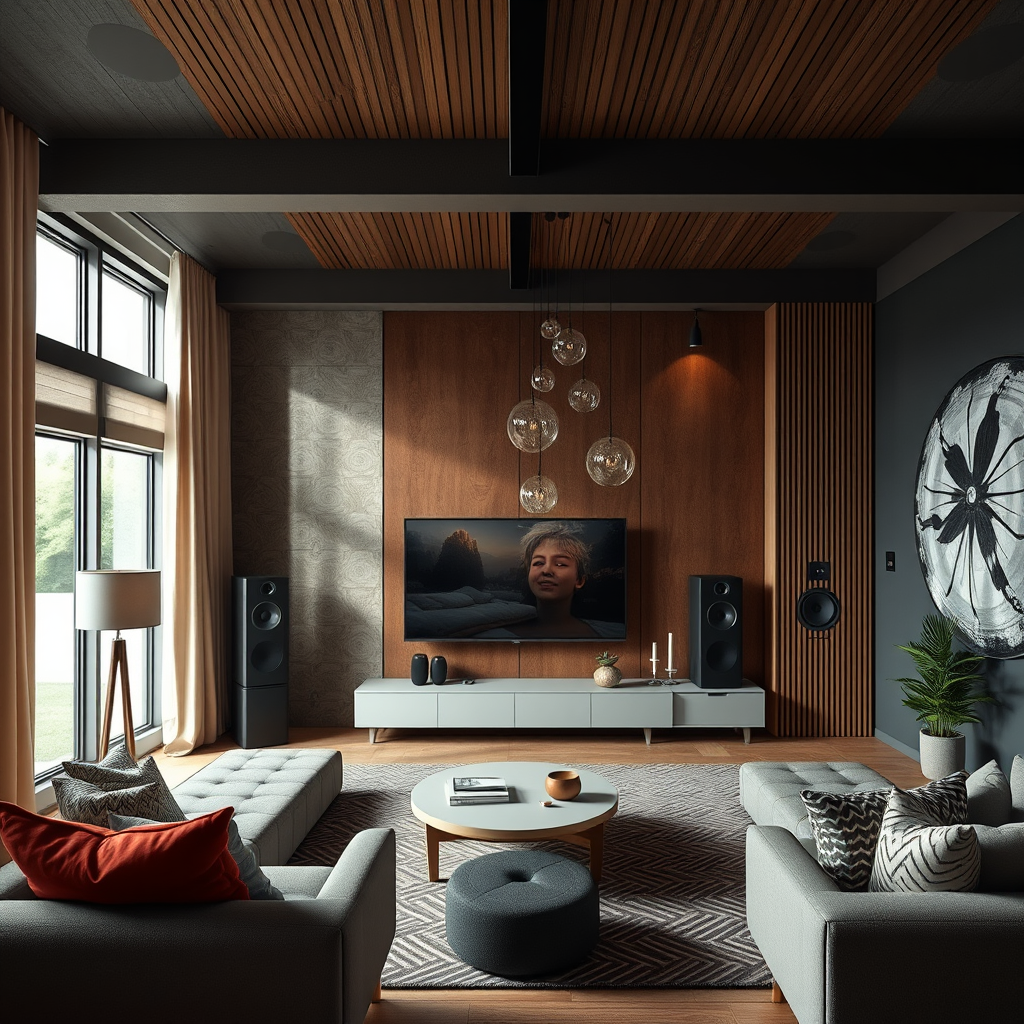
360-degree surround sound refers to a multi-channel audio system that creates an enveloping sound experience, making listeners feel as if they are at the center of the action. Unlike traditional stereo sound, which relies on two channels to create a left and right audio field, surround sound utilizes multiple channels positioned around the listener, producing a more immersive soundstage. This spatial audio experience is vital for modern entertainment systems, enhancing the realism of movies and the clarity of music. With the evolution of audio technology, formats such as Dolby Atmos and DTS:X have further refined surround sound, allowing for objects to move in a three-dimensional space, making it essential to understand the nuances of speaker placement.
Room Considerations for Speaker Placement
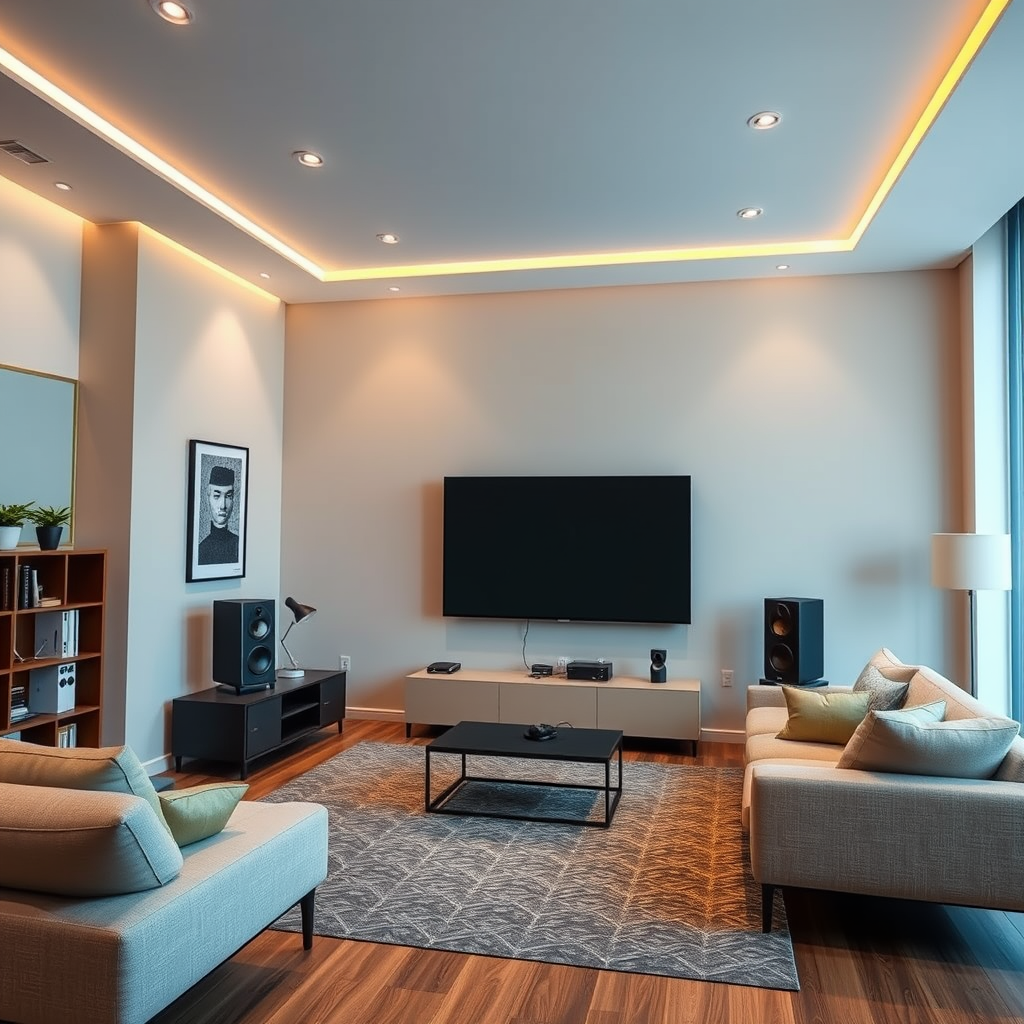
To achieve the best surround sound, it’s essential to assess the size and shape of your room. The dimensions of the space can significantly affect sound distribution. A large open area may require additional speakers to fill the sound field, while a smaller room may benefit from fewer, strategically placed speakers.
It’s also important to identify potential acoustic challenges within the room. Hard surfaces, such as tile or glass, can cause sound reflections that muddle audio clarity, while soft furnishings can absorb sound, diminishing its presence. Consider the following factors when evaluating your room:
1. Room Size: Larger rooms will require more powerful speakers and potentially more channels to ensure even sound distribution.
2. Room Shape: Rectangular rooms may have different acoustic properties than square rooms, affecting how sound waves travel.
3. Surface Materials: Reflective surfaces can create echoes, while carpet and upholstery can absorb sound and soften the audio experience.
Ideal Speaker Placement Techniques
When positioning your speakers, several techniques can enhance the effectiveness of your surround sound system. The following strategies will help you achieve optimal sound quality:
1. Distance from Walls and Corners:
– Front speakers should ideally be placed 1-2 feet away from walls to reduce unwanted reflections.
– Surround speakers should be positioned slightly above ear level and 1-2 feet away from the nearest wall to prevent sound from becoming too directional.
– Subwoofers can be placed in corners to take advantage of boundary gain, increasing bass response.
2. Equilateral Triangle Formation: For front speakers, arrange them in an equilateral triangle with the listening position. This setup enhances stereo imaging and sound staging, allowing sounds to originate from specific points in the room rather than blending into a single source.
3. Surround Speaker Placement: Ideally, surround speakers should be positioned at a 90 to 110-degree angle from the listening position, creating a wrap-around sound experience. For larger rooms, consider adding rear surround speakers to further enhance immersion.
Recommended Speaker Placement for 360-Degree Surround Sound
| # | Speaker Type | Recommended Distance from Walls | Ideal Height |
|---|---|---|---|
| 1 | Front Speakers | 1-2 ft | Ear Level (3-4 ft) |
| 2 | Surround Speakers | 1-2 ft | Above Ear Level (5-7 ft) |
| 3 | Subwoofer | Corner Preferred | N/A |
| 4 | Rear Surround Speakers | 1-2 ft | Above Ear Level (5-7 ft) |
Utilizing Multi-Room Systems
For those looking to extend their surround sound experience throughout the home, multi-room audio systems can be a game-changer. These systems allow you to connect speakers in different rooms, creating a seamless audio experience across your living space.
When setting up a multi-room system, consider the following:
1. Speaker Placement: Each room should have speakers optimally placed to provide the best audio experience, similar to the techniques discussed above for single-room setups.
2. Synchronization and Control: Ensure that all speakers are synchronized to avoid latency issues. This is crucial for maintaining audio quality when transitioning between rooms.
3. User Control: Invest in a user-friendly interface or app that allows for easy control of the audio in each room, enabling you to adjust volume levels and input sources with ease.
Calibration and Testing Your Setup
After placing your speakers, it’s essential to calibrate your system to ensure optimal performance. Calibration tools like sound meters and specialized apps can assist in fine-tuning speaker positions and settings.
1. Sound Meters: Use a sound meter to measure the audio levels from each speaker to ensure they are balanced. This process can help identify any discrepancies in volume that may affect the overall sound experience.
2. Listening Tests: Conduct listening tests by playing a variety of audio content—music, movies, and sound effects. Adjust speaker angles and locations based on your observations to achieve the best sound quality.
Common Mistakes to Avoid
Even seasoned audiophiles can overlook certain aspects of speaker placement that can drastically affect audio quality. Here are some common mistakes to avoid:
1. Furniture and Decor: Failing to consider the influence of furniture and decor can lead to unintended sound reflections or absorption. Ensure that your speakers are positioned where they can effectively project sound without obstruction.
2. Listener Position: Neglecting to consider the primary listening position can result in suboptimal audio experiences. Always center your speaker arrangement around the main listening area to enhance immersion.
Maintenance and Upgrades for Long-Term Performance
To ensure your surround sound system continues to perform at its best, regular maintenance and timely upgrades are essential.
1. Speaker Maintenance: Dust your speakers regularly and check for any loose connections to prevent audio quality degradation.
2. Upgrades: Stay informed about new technologies that enhance surround sound experiences, such as upgraded receiver technology or advanced speaker designs that provide better sound dispersion.
In summary, achieving 360-degree surround sound requires careful planning and execution in speaker placement. By understanding your room’s unique characteristics and following best practices for speaker positioning, you can create an immersive audio environment. As you explore these techniques, remember to regularly assess and adjust your setup for the best results. Start experimenting today to transform your audio experience into something extraordinary!
Frequently Asked Questions
What is the ideal placement for speakers to achieve 360-degree surround sound?
The ideal placement for speakers to achieve 360-degree surround sound involves positioning them at equal distances from the listening area and ensuring they are evenly spaced. For optimal results, place the speakers in a circular arrangement around the listener, typically at ear level, and avoid placing them too close to walls to prevent sound reflection issues.
How does room shape affect speaker placement for surround sound?
The shape of your room significantly impacts speaker placement for surround sound. In rectangular rooms, placing speakers along the longer walls can enhance sound distribution, while in square rooms, a more centralized placement may be effective. Additionally, consider acoustic treatments to mitigate sound reflections that can interfere with the surround sound experience.
Why is it important to have the right speaker height for surround sound?
The right speaker height is crucial for achieving an immersive surround sound experience, as it ensures that sound waves reach the listener at ear level. When speakers are too high or too low, it can lead to a disjointed audio experience, where sounds do not align with their visual sources. Aim for a height of approximately 3 to 4 feet for optimal sound clarity.
What are the best speaker types for creating a 360-degree surround sound environment?
The best speaker types for creating a 360-degree surround sound environment include omnidirectional speakers, which disperse sound evenly in all directions, and quality satellite speakers that can be strategically placed around the room. Additionally, adding a subwoofer can enhance the overall audio experience by providing deep bass that complements the surround sound.
Which common mistakes should be avoided when placing speakers for surround sound?
Common mistakes to avoid when placing speakers for surround sound include positioning them too close to walls, which can cause sound reflections, and failing to account for the listener’s position. Additionally, neglecting to calibrate the speakers and not considering room acoustics can detract from the surround sound experience, so take the time to test and adjust your setup for the best results.
References
- Surround sound
https://en.wikipedia.org/wiki/Surround_sound - https://pubmed.ncbi.nlm.nih.gov/28355482/
https://pubmed.ncbi.nlm.nih.gov/28355482/ - https://www.sciencedirect.com/topics/engineering/surround-sound
https://www.sciencedirect.com/topics/engineering/surround-sound - Google Scholar Google Scholar
https://scholar.google.com/scholar?q=Best+Speaker+Placement+for+360-Degree+Surround+Sound - Google Scholar Google Scholar
https://scholar.google.com/scholar?q=surround+sound+speaker+placement - https://www.bbc.com/future/article/20210303-how-to-set-up-a-surround-sound-system
https://www.bbc.com/future/article/20210303-how-to-set-up-a-surround-sound-system - https://www.nature.com/articles/s41598-021-97464-1
https://www.nature.com/articles/s41598-021-97464-1 - https://www.theguardian.com/technology/2021/mar/03/surround-sound-how-to-set-up-home-cinema
https://www.theguardian.com/technology/2021/mar/03/surround-sound-how-to-set-up-home-cinema - Benefits of Becoming a Better Listener With Psychiatrist Mark Goulston
https://www.verywellmind.com/the-benefits-of-surround-sound-5194155 - https://www.mayoclinic.org/healthy-lifestyle/consumer-health/in-depth/home-theater-systems/art-20046183
https://www.mayoclinic.org/healthy-lifestyle/consumer-health/in-depth/home-theater-systems/art-20046183