Choosing the right speaker wire alternatives for wireless setups can enhance your audio experience while eliminating clutter. Some of the best options include Bluetooth transmitters, Wi-Fi audio systems, and soundbars with built-in wireless technology. By opting for these alternatives, you can enjoy high-quality sound without the hassle of traditional wiring. This article will explore these alternatives, helping you decide the best fit for your needs.
Bluetooth Transmitters
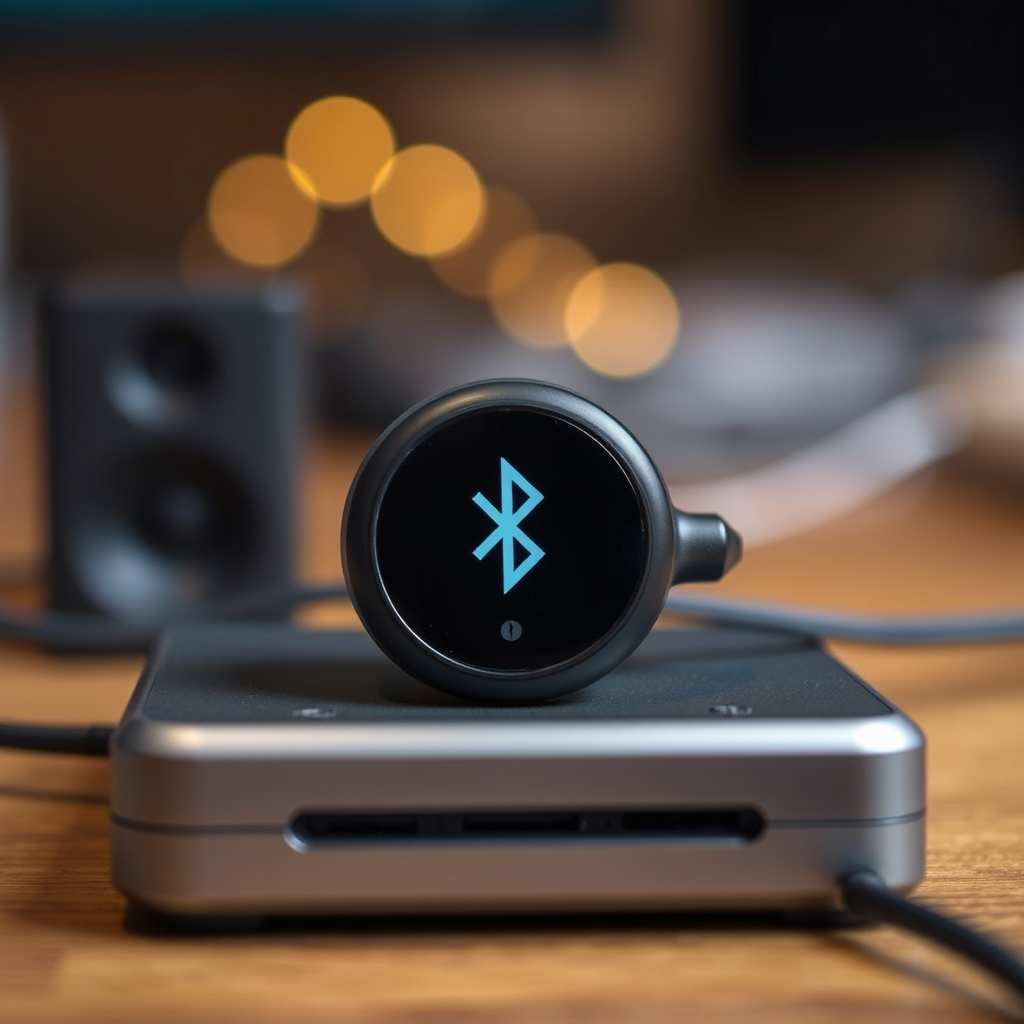
Bluetooth transmitters represent one of the most versatile and user-friendly solutions for creating a wireless audio setup. They allow for easy connection between devices without physical wires, making them ideal for various environments, from home theaters to portable setups.
These devices support various audio formats, ensuring compatibility across a wide range of audio sources, including smartphones, tablets, and computers. Many Bluetooth transmitters can connect to multiple speakers simultaneously, enabling a multi-room audio experience or the ability to share sound with friends and family. For instance, models like the TaoTronics Bluetooth 5.0 Transmitter can connect to two devices at once, allowing you to stream music to two different speakers or headphones.
Additionally, Bluetooth technology has seen significant improvements over the years, with enhanced range and sound quality. Many transmitters now support aptX and aptX HD codecs, which provide better audio fidelity, reducing latency and improving the listening experience.
Wi-Fi Audio Systems
Wi-Fi audio systems have gained popularity due to their ability to provide high-quality audio streaming with minimal latency. Unlike Bluetooth, which can struggle with larger distances and multiple obstacles, Wi-Fi systems can cover larger areas and maintain a stable connection, making them perfect for home installations.
One of the most significant advantages of Wi-Fi audio systems is their multi-room audio capabilities. Systems like Sonos and Google Nest Audio allow users to place speakers throughout their homes and control them from a single app. This feature enables seamless transitions between rooms, allowing you to enjoy your music wherever you go. Furthermore, many Wi-Fi audio systems support high-resolution audio formats, delivering a richer and more immersive sound experience compared to traditional Bluetooth setups.
Wi-Fi audio systems also integrate well with smart home technology. Users can control their audio systems through voice commands using devices like Amazon Alexa or Google Assistant, enhancing convenience and ease of use.
Soundbars with Wireless Technology
Soundbars are an excellent option for those looking to combine speakers and subwoofers into a single unit for a space-saving design. Many modern soundbars come equipped with built-in wireless technology, allowing for straightforward setup and operation without the need for additional speaker wires.
These devices often include smart features such as voice control and direct access to popular streaming services like Spotify and Apple Music. For example, the Sonos Beam not only provides immersive sound for movies and music but also integrates with smart home systems, enabling users to control their audio experience through voice commands.
Additionally, soundbars with wireless subwoofers deliver a more dynamic sound profile, enhancing low frequencies and providing a more robust listening experience for movies and music alike. The convenience of wireless technology means you can easily place the subwoofer in an optimal location without worrying about running cables across your room.
Wireless Speakers
Wireless speakers offer portability and versatility, making them perfect for both indoor and outdoor use. They come in various shapes and sizes, catering to different preferences and needs. Many options are battery-powered, allowing you to enjoy music on the go without needing to find a power outlet.
Brands like JBL and Ultimate Ears have developed portable wireless speakers that boast impressive battery life and sound quality. For instance, the JBL Charge 5 can play music for up to 20 hours on a single charge and features an IP67 rating, making it resistant to water and dust, perfect for outdoor activities.
Wireless speakers also allow users to pair multiple units together for a more expansive soundstage. This feature is particularly useful for parties or gatherings where ambient music is needed to set the mood. With advancements in wireless technology, many of these speakers now support high-quality audio codecs, ensuring that sound clarity is maintained even at higher volumes.
Streaming Devices
Streaming devices such as Chromecast Audio or Apple AirPlay can effectively turn wired speakers into wireless ones, providing a cost-effective solution for those who already own quality speakers but wish to upgrade their audio experience. These devices connect to your existing speakers through a simple auxiliary input, allowing you to stream music from various sources wirelessly.
The flexibility of streaming devices extends to audio sources as well. Users can easily switch between music services, podcasts, and other audio content without the need for physical connections. For instance, devices like the Amazon Echo Link allow you to connect to traditional audio systems and control them with a smart assistant, combining the best of both worlds.
Moreover, these devices often support multi-room audio setups, allowing you to synchronize playback across different speakers throughout your home. This feature creates a cohesive listening experience, making it easy to enjoy music no matter where you are.
Smart Home Integration
One of the most significant advantages of wireless speaker alternatives is their ability to integrate with smart home systems. Many of these devices can connect with platforms such as Amazon Alexa, Google Assistant, and Apple HomeKit, enabling easy control through voice commands.
This integration allows for automation of audio experiences, such as scheduling music playback or adjusting volume levels based on time of day or activity. For example, you can set your smart speakers to play soft jazz in the morning as part of your wake-up routine or blast party anthems during a gathering without lifting a finger.
Additionally, smart home integration can enhance security and convenience. Users can easily control their audio systems remotely, ensuring they never miss a moment of their favorite music or podcast, even when away from home.
Cost-Effective Solutions
For those on a budget, there are plenty of cost-effective solutions available when it comes to wireless audio. DIY options, such as using old speakers with wireless adapters, can provide an economical way to enjoy wireless sound without breaking the bank. Adapters like the Audioengine B1 Bluetooth Music Receiver can transform any wired speaker into a Bluetooth-enabled device, giving new life to older audio equipment.
Additionally, many budget-friendly brands offer reliable wireless audio solutions that do not compromise on quality. Brands like Anker and Tribit produce portable speakers and adapters that provide excellent sound quality at a fraction of the cost of premium brands.
When considering cost-effective solutions, it’s essential to weigh the performance against price. Investing in a good quality wireless adapter can significantly improve your existing audio setup without the need for extensive upgrades.
Top 7 Wireless Audio Solutions (2024)
| # | Device | Type | Battery Life | Price |
|---|---|---|---|---|
| 1 | Sonos One | Smart Speaker | 10 hrs | $199 |
| 2 | JBL Charge 5 | Portable Speaker | 20 hrs | $179 |
| 3 | Bose SoundLink | Bluetooth Speaker | 15 hrs | $249 |
| 4 | Amazon Echo Dot | Smart Speaker | 12 hrs | $49 |
| 5 | Google Nest Audio | Smart Speaker | 8 hrs | $99 |
| 6 | Anker Soundcore | Bluetooth Speaker | 24 hrs | $69 |
| 7 | Tribit StormBox | Portable Speaker | 20 hrs | $59 |
Wireless Speaker Battery Life Comparison
Summarizing the various alternatives available, it’s clear that there are effective ways to enjoy wireless audio without traditional speaker wiring. Whether you opt for Bluetooth transmitters, Wi-Fi systems, or soundbars, each option offers unique benefits tailored to different setups. Explore these alternatives to find the ideal solution that fits your audio needs and enhances your listening experience.
Frequently Asked Questions
What are the best speaker wire alternatives for wireless setups?
The best speaker wire alternatives for wireless setups include Bluetooth speakers, Wi-Fi-enabled audio systems, and soundbars with built-in wireless capabilities. These options eliminate the need for traditional wiring while providing high-quality audio performance. Additionally, some brands offer proprietary wireless technologies that enhance the listening experience without compromising sound quality.
How do wireless speakers compare to traditional wired speakers in sound quality?
While traditional wired speakers typically offer superior sound quality due to a direct connection, advancements in wireless technology, like aptX and Wi-Fi streaming, have significantly narrowed the gap. Wireless speakers can deliver impressive audio clarity and depth, making them suitable for most casual listeners. However, audiophiles may still prefer wired systems for their reliability and potential for higher fidelity.
Why should I consider wireless speaker options instead of using speaker wires?
Choosing wireless speaker options eliminates the clutter of speaker wires and provides greater flexibility in speaker placement, allowing for a cleaner aesthetic in your space. Additionally, wireless systems often come with features like multi-room audio and smart home integration. This convenience can enhance your overall listening experience while modernizing your home setup.
Which wireless technology is best for connecting speakers without wires?
The best wireless technologies for connecting speakers without wires include Bluetooth, Wi-Fi streaming, and proprietary systems like Sonos or Apple AirPlay. Bluetooth is widely used for its ease of use and compatibility, while Wi-Fi streaming offers better range and sound quality. For a seamless home audio experience, proprietary systems may provide advanced features like synchronization across multiple speakers.
What should I look for when choosing wireless speakers for my audio setup?
When choosing wireless speakers, consider factors such as sound quality, battery life, connectivity options, and compatibility with your existing devices. Look for speakers that support the latest audio codecs for better sound and check if they integrate well with smart home systems. Additionally, pay attention to the speaker’s range and power output to ensure it meets your audio needs.
References
- Speaker wire
https://en.wikipedia.org/wiki/Speaker_wire - https://www.sciencedirect.com/topics/engineering/speaker-wire
https://www.sciencedirect.com/topics/engineering/speaker-wire - https://pubmed.ncbi.nlm.nih.gov/
https://pubmed.ncbi.nlm.nih.gov/ - Nature
https://www.nature.com/ - Google Scholar Google Scholar
https://scholar.google.com/scholar?q=best+speaker+wire+alternatives+for+wireless+setups - Google Scholar Google Scholar
https://scholar.google.com/scholar?q=wireless+audio+transmission+technologies - Google Scholar Google Scholar
https://scholar.google.com/scholar?q=speaker+wire+alternatives - https://www.bbc.com/news/technology-57091601
https://www.bbc.com/news/technology-57091601 - https://www.theguardian.com/technology/2021/may/10/best-wireless-speakers
https://www.theguardian.com/technology/2021/may/10/best-wireless-speakers - https://www.nytimes.com/2021/11/02/technology/personaltech/best-wireless-speakers.html
https://www.nytimes.com/2021/11/02/technology/personaltech/best-wireless-speakers.html