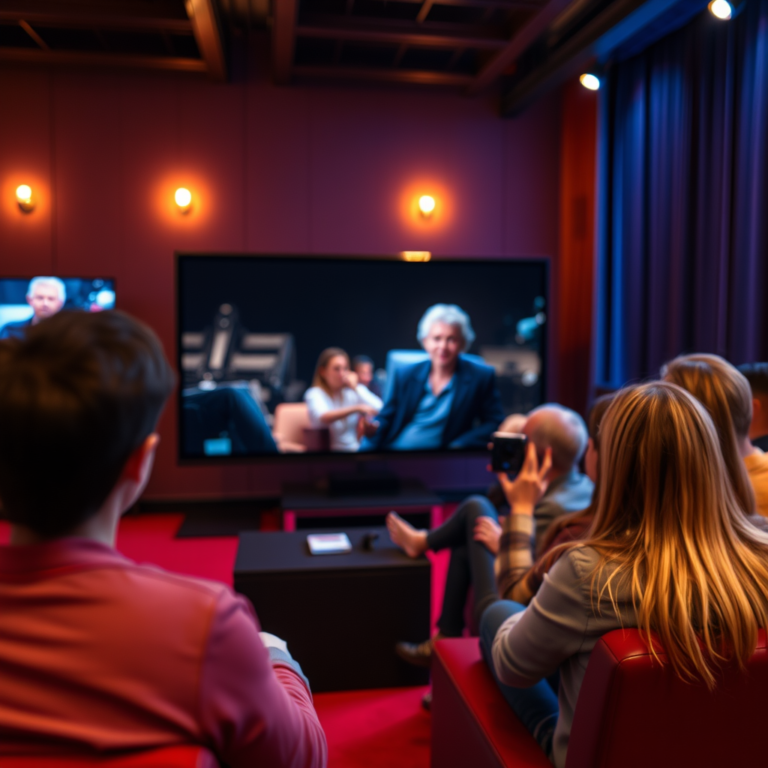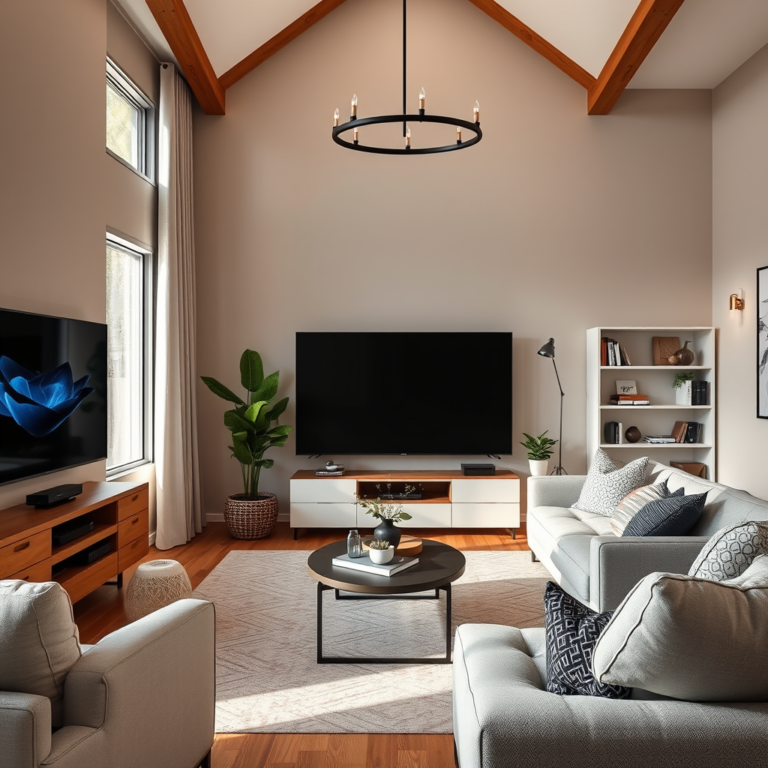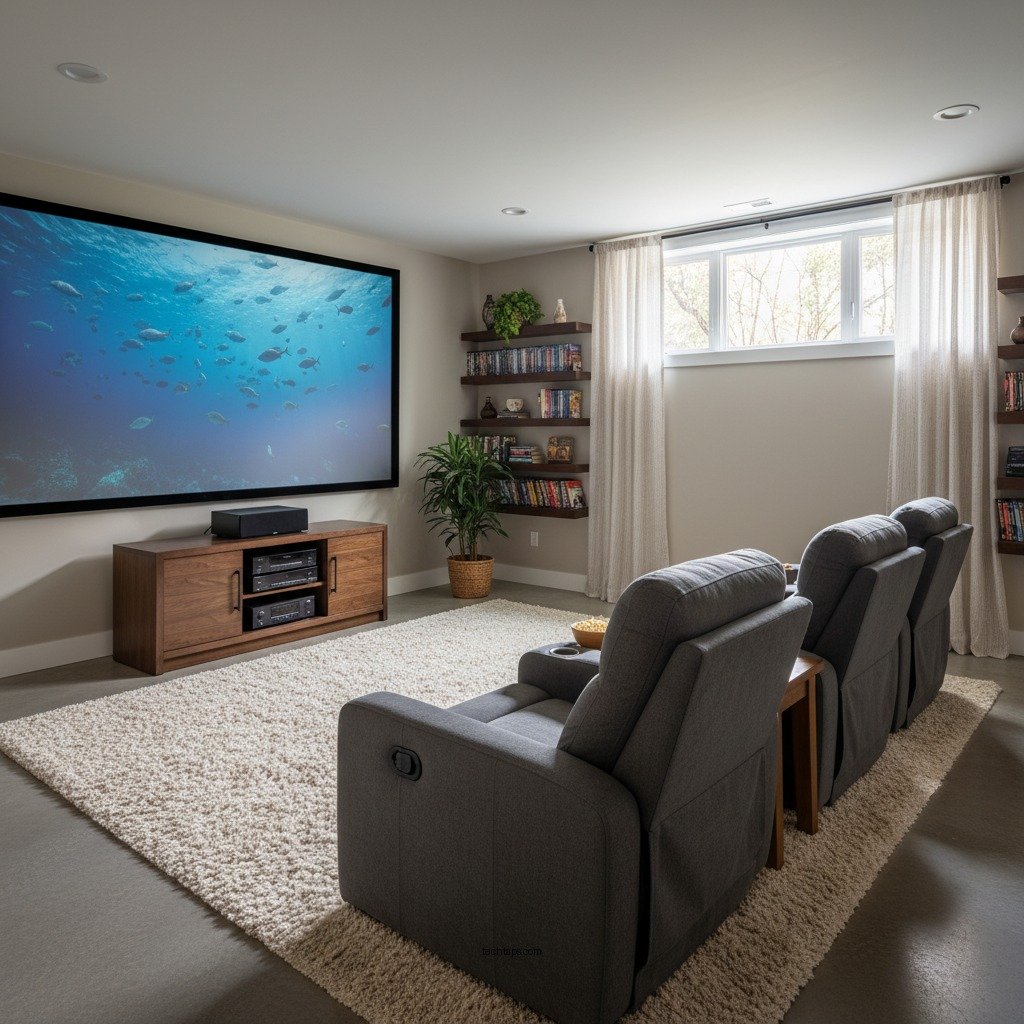

Creating a home theater in your basement can significantly enhance your entertainment experience, turning ordinary movie nights into cinematic adventures. With careful planning and the right equipment, you can design a space that offers superior sound and visual quality while ensuring comfort and style. This guide will walk you through the essential steps to optimize your basement into the ultimate movie-watching destination.
Assess Your Space
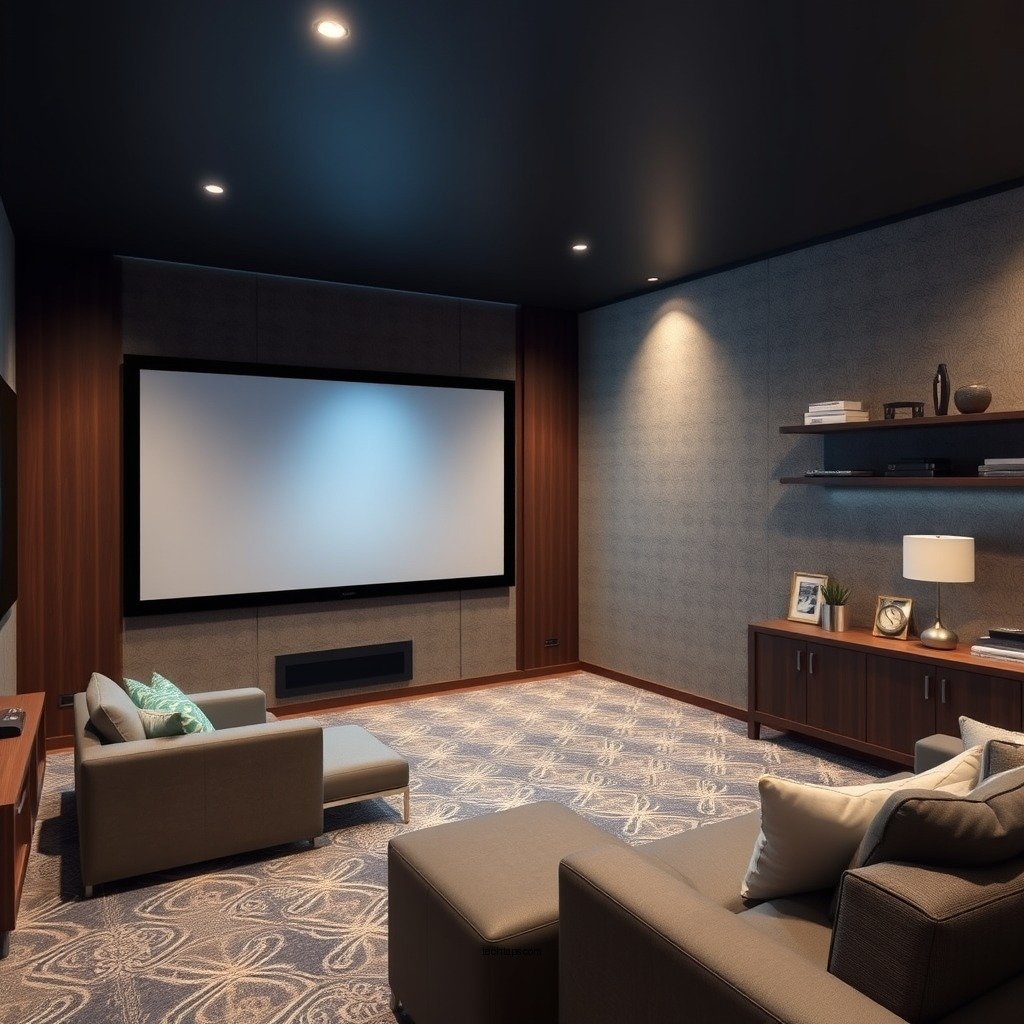
The first step in setting up your home theater is to thoroughly assess your basement space. Start by measuring the dimensions of the area to determine the most effective layout. A space that is too cramped can hinder the viewing experience, while a larger space provides more flexibility for seating and equipment placement.
During your assessment, identify any potential obstacles that could impact your setup. For example, support beams, low ceilings, or ductwork can limit where you position your screen or seating. Understanding these limitations early on will help you plan an effective layout that maximizes your space’s potential.
Choose the Right Equipment
Investing in the right equipment is crucial for creating an immersive home theater experience. Begin with the display; a quality projector or a large screen TV can make a significant difference in your viewing experience. Consider factors such as resolution (4K is ideal), screen size, and the space available for the screen.
Next, select a surround sound system that complements the size of your basement. A 5.1 or 7.1 surround sound system can deliver an enveloping audio experience, enhancing the realism of movies and games. Additionally, consider smart home integration options that allow you to control your system via a centralized hub or smartphone app.
Optimize Seating Arrangements
Seating is a vital component of any home theater setup. Arrange your seating to ensure optimal viewing angles; it is generally recommended that viewers sit between 1.5 to 2.5 times the diagonal size of the screen away from it. For instance, if you have a 100-inch screen, your seating should be approximately 8 to 12.5 feet away.
For larger basements, tiered seating can significantly improve sightlines, making it easier for everyone to see the screen without obstruction. You might also consider using recliners or cinema-style seating with built-in cup holders for added comfort and convenience.
Control Lighting
Lighting plays a critical role in the home theater experience. To minimize outside light interference, install blackout curtains that can effectively block sunlight during daytime screenings. These curtains not only improve picture quality but also enhance the overall cinematic feel of your space.
In addition to blackout curtains, consider using dimmable lighting options. This allows you to adjust the brightness according to the film or activity, creating the perfect ambiance whether you’re watching an action blockbuster or a romantic comedy.
Enhance Acoustics
The acoustics of your basement can greatly influence sound quality. To reduce echo and improve sound clarity, consider installing acoustic panels on the walls. These panels absorb sound waves, minimizing unwanted reverberations and enhancing the overall audio experience.
Incorporating soft furnishings such as upholstered sofas, thick carpets, or area rugs can also contribute to better acoustics. These materials can further absorb sound, making your home theater more comfortable and enjoyable.
Manage Cable and Wiring
A clean and organized setup is essential for both aesthetics and functionality. Plan your cable management carefully to keep wires organized and hidden. This not only improves the appearance of your theater but also prevents tripping hazards.
Consider using cable conduits or raceways to run wires safely along walls or ceilings. This approach allows you to easily access and change cables if necessary, without creating a mess of tangled wires.
Personalize Your Space
Finally, make your home theater uniquely yours by adding personal touches. Consider incorporating themed decor that reflects your favorite movies or genres. Artwork, posters, and memorabilia can create a visually appealing environment that enhances the viewing experience.
For added convenience, think about including a popcorn machine or a mini-fridge stocked with snacks and drinks. This not only elevates the movie-watching experience but also encourages guests to linger and enjoy the space.
Top 7 Home Theater Systems (2024)
| # | System | Resolution | Sound System | Price |
|---|---|---|---|---|
| 1 | Sony HT-A9 | 4K | 5.1.2 | $1,800 |
| 2 | Bose Lifestyle 650 | 4K | 5.1 | $3,500 |
| 3 | Samsung HW-Q950A | 8K | 11.1.4 | $1,600 |
| 4 | LG SN11RG | 4K | 7.1.4 | $1,500 |
| 5 | Yamaha YAS-209 | 4K | 2.1 | $400 |
| 6 | Sonos Arc | 4K | 5.0.2 | $800 |
| 7 | Klipsch R-820F | 4K | 5.1 | $1,200 |
Creating a home theater in your basement can be an exciting project that enhances your entertainment options and adds value to your home. By following these tips, you can ensure a well-structured setup that caters to your viewing preferences. Start planning today to transform your basement into the ultimate movie-watching destination!
Frequently Asked Questions
What are the essential components for setting up a home theater in a basement?
The essential components for a home theater in a basement include a high-quality projector or flat-screen TV, a surround sound audio system, comfortable seating, and effective lighting solutions. Additionally, consider investing in acoustic treatments to enhance sound quality, as basements can often create echo and distortion. Don’t forget about a reliable streaming device or media player for easy access to your favorite content.
How can I optimize the lighting in my basement home theater?
To optimize lighting in your basement home theater, install dimmable LED lights to create ambient lighting that can be adjusted according to your viewing needs. Use blackout curtains or shades to minimize natural light during the day and consider adding sconces or backlighting around the screen to reduce eye strain. An effective combination of ambient and task lighting will enhance the overall movie-watching experience.
Why is soundproofing important for a basement home theater?
Soundproofing is crucial for a basement home theater as it minimizes sound leakage, ensuring you can enjoy your movies without disturbing others in the house. Furthermore, soundproofing can improve the audio quality within the theater by reducing echoes and background noise. Utilizing acoustic panels, thick carpets, and insulated walls will create a more immersive viewing experience.
What are the best seating options for a basement home theater?
The best seating options for a basement home theater include recliners, theater-style seats, or sectionals that provide comfort and support during long movie marathons. Look for options with cup holders and storage compartments for added convenience. Additionally, ensure that the seating is arranged to provide an unobstructed view of the screen, maximizing the overall enjoyment of your home theater setup.
Which layout works best for a basement home theater?
The best layout for a basement home theater typically features a tiered seating arrangement that allows everyone an unobstructed view of the screen. Position the screen at eye level and ensure that the seating is at an appropriate distance—generally, 1.5 to 2.5 times the diagonal screen size for optimal viewing. Incorporating a dedicated area for audio equipment can also help maintain a clean and organized space.
References
- https://www.bbc.com/future/article/20200525-how-to-create-the-perfect-home-cinema
https://www.bbc.com/future/article/20200525-how-to-create-the-perfect-home-cinema - https://www.lifewire.com/how-to-build-a-home-theater-1846604
https://www.lifewire.com/how-to-build-a-home-theater-1846604 - Kids Ideas – an Ideabook by 1017kjm
https://www.houzz.com/magazine/home-theater-ideas-stsetivw-vs~22636041 - Google Scholar Google Scholar
https://scholar.google.com/scholar?q=Home+Theater+Setup+Tips - Google Scholar Google Scholar
https://scholar.google.com/scholar?q=Basement+Home+Theater+Design - https://www.sciencedirect.com/topics/engineering/home-theater
https://www.sciencedirect.com/topics/engineering/home-theater - https://www.nytimes.com/2020/12/18/technology/personaltech/home-theater-setup.html
https://www.nytimes.com/2020/12/18/technology/personaltech/home-theater-setup.html - https://www.britannica.com/topic/home-theater
https://www.britannica.com/topic/home-theater - Google Scholar Google Scholar
https://scholar.google.com/scholar?q=Best+Tips+for+Setting+Up+a+Home+Theater+in+a+Basement - Best Tips for Setting Up a Home Theater in a Basement – Search results
https://en.wikipedia.org/wiki/Special:Search?search=Best+Tips+for+Setting+Up+a+Home+Theater+in+a+Basement