
When deciding between OLED and LED displays, the key difference lies in OLED’s risk of burn-in versus LED’s superior longevity. OLEDs offer stunning visuals with vibrant colors and deep blacks but require careful handling to avoid permanent image retention. In contrast, LED displays are generally more durable and less prone to such issues, making them a safer choice for many users. In this article, we will explore the differences between OLED burn-in concerns and LED lifespan, helping you make an informed decision about which technology best suits your needs.
Understanding OLED Burn-in
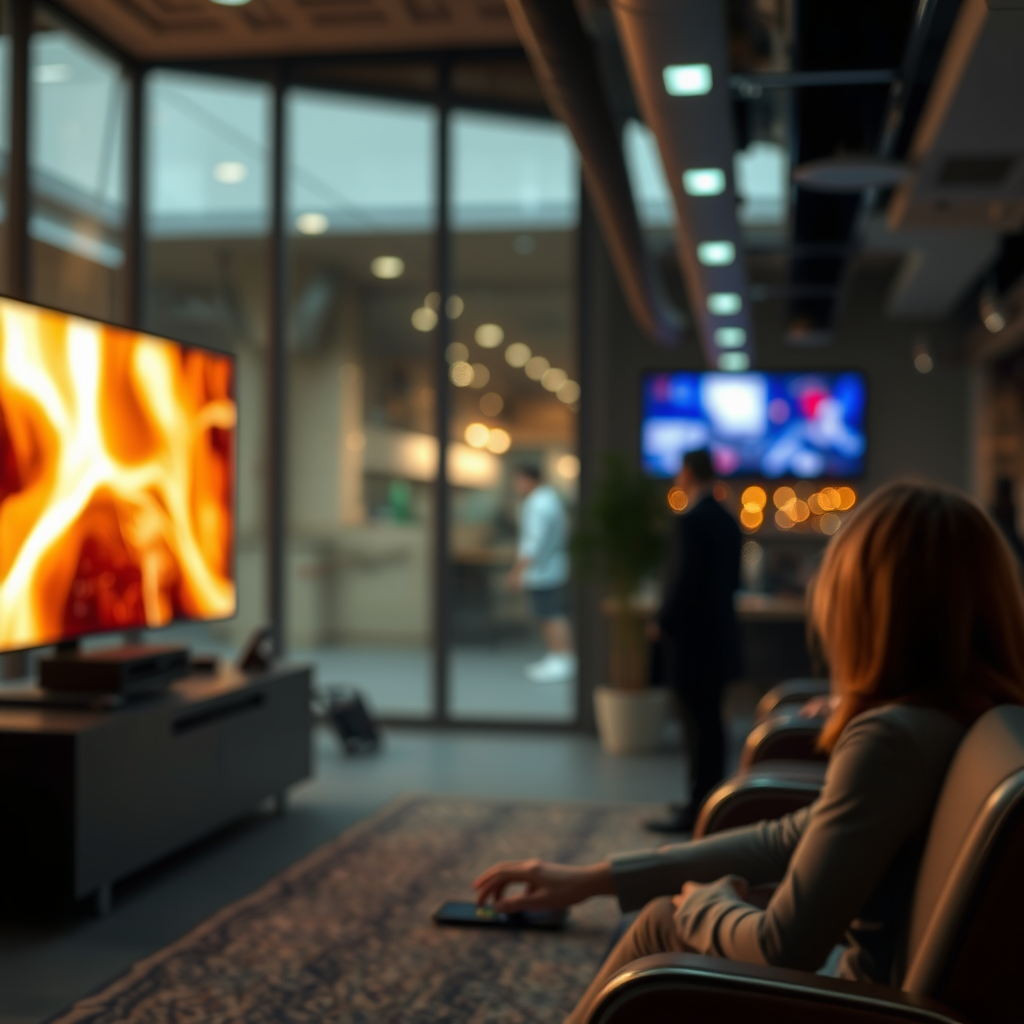
OLED (Organic Light Emitting Diode) technology creates images by using organic compounds that emit light when an electric current is applied. This allows OLED displays to achieve incredible color accuracy and contrast, resulting in stunning visuals. However, the same organic compounds that create these vibrant images can degrade over time, leading to a phenomenon known as burn-in. Burn-in occurs when static images are displayed for prolonged periods, causing uneven wear on the screen. For instance, if you frequently watch news channels with a persistent logo or play video games with static heads-up displays (HUDs), you may notice ghost images lingering on the screen long after the content has changed. This risk makes it essential for potential buyers to understand how to mitigate burn-in while enjoying the breathtaking visuals OLEDs provide.
The Longevity of LED Displays
LED displays utilize a backlight to illuminate the screen, which makes them distinct from OLED technology. This design generally results in a longer lifespan for LED displays, as they are less susceptible to issues like burn-in and image retention. Most LED screens can last anywhere from 50,000 to 100,000 hours, depending on factors such as usage patterns, brightness settings, and the quality of the components used. For example, if you keep the brightness at a moderate level and avoid static images, you can expect your LED display to perform well for many years. This longevity is particularly appealing for users who enjoy watching television or gaming for extended periods, as it means less frequent replacements and a better return on investment.
Factors Affecting Burn-in in OLEDs
Several factors can influence the severity of burn-in in OLED displays. One of the primary contributors is the brightness setting; using high brightness levels for extended periods can accelerate the degradation of the organic compounds. If you’re watching content with static elements, such as news tickers or video game HUDs, it’s advisable to adjust the brightness down to a more moderate level. Additionally, regularly changing the content you view can mitigate the risks associated with burn-in. Using screen savers or setting the display to dim or turn off during inactivity can also help preserve the screen’s integrity. Understanding and implementing these strategies can significantly extend the lifespan of your OLED display, allowing you to enjoy its stunning visuals without the worry of permanent damage.
Maintenance Tips for OLED Displays
To ensure the longevity of your OLED display and minimize the risk of burn-in, consider adopting some essential maintenance habits. First, adjust the brightness and contrast settings to lower levels during regular use. This simple step can help prevent the organic compounds from degrading too quickly. Another useful technique is to utilize pixel shifting, a feature that subtly moves the image on the screen to prevent static content from lingering too long in the same position. Additionally, screen savers are a great tool to keep your display from showing static images during periods of inactivity. By incorporating these practices into your routine, you can enhance the durability of your OLED display while still enjoying the remarkable picture quality it offers.
Comparing Color Accuracy and Performance
When it comes to color accuracy and overall performance, OLED displays typically outperform their LED counterparts. The ability to produce true blacks and a wider color gamut makes OLEDs a favorite among filmmakers and photographers who require precise color reproduction. For instance, when watching a movie with dark scenes, OLED displays can show rich, deep blacks that enhance the viewing experience. However, LED technology has made significant advancements in recent years, with many models now offering impressive color accuracy and brightness levels. Some high-end LED TVs even utilize quantum dot technology to enhance color performance, making them a strong contender in the market. Ultimately, your choice may come down to personal preference and the type of content you consume most often.
Practical Implications for Consumers
As a consumer, it’s vital to consider your viewing habits when determining whether an OLED or LED display is right for you. For gamers who often play games featuring static HUDs or logos, opting for an LED might be the wiser choice to avoid potential burn-in issues. On the other hand, cinephiles who prioritize stunning imagery and color accuracy may find OLEDs to be worth the extra care. Additionally, it’s essential to evaluate warranty options and manufacturer support related to burn-in for OLED displays. Many manufacturers offer limited warranties that may cover burn-in under specific circumstances, so be sure to read the fine print before making a purchase.
Future of Display Technologies
Looking ahead, emerging technologies like MicroLED hold great promise for the future of display technology. MicroLED combines the best features of both OLED and LED, offering the potential for superior brightness, color accuracy, and longevity without the risk of burn-in. As innovations continue to develop, staying informed about advancements in display technologies will help you make the best choice for your future purchases. Whether you opt for OLED, LED, or a new technology, understanding these differences will empower you to select the display that best fits your lifestyle and viewing preferences.
The differences between OLED burn-in issues and LED longevity highlight key considerations for consumers when choosing a display. OLEDs provide stunning visuals but require careful usage to avoid burn-in, while LEDs offer greater durability without the same concerns. By assessing your usage patterns and preferences, you can confidently choose the right technology for your needs. Explore options and reviews to find the perfect fit for your viewing experience, ensuring you enjoy remarkable quality for years to come.
Frequently Asked Questions
What is OLED burn-in and how does it compare to LED longevity?
OLED burn-in is a phenomenon where static images, if displayed for prolonged periods, leave a permanent ghost-like imprint on the screen. This issue arises due to the organic materials in OLED panels degrading unevenly. In contrast, LED longevity typically involves less risk of image retention, as LEDs use a different technology that doesn’t suffer from burn-in to the same extent. However, LED screens can still experience reduced brightness and color accuracy over time, though they generally have a longer lifespan compared to OLEDs.
How can I prevent OLED burn-in on my television?
To prevent OLED burn-in, users can adopt several best practices, such as avoiding static images like logos or news tickers on their screens for extended periods. Utilizing screen savers, varying content regularly, and enabling features like pixel shift or automatic brightness adjustment can also help mitigate this risk. Additionally, reducing the screen brightness can prolong the life of an OLED display, making it less susceptible to burn-in.
Why do OLED displays tend to have shorter lifespans compared to LED displays?
OLED displays tend to have shorter lifespans primarily due to the organic compounds used in their construction, which can degrade over time, especially when displaying bright colors. The blue subpixels in OLED displays wear out faster than red and green, leading to color imbalance and potential burn-in. In contrast, LED technology, which relies on inorganic materials, generally offers greater durability and longevity, allowing them to maintain brightness and color fidelity for a longer duration.
Which is better for gaming: OLED or LED displays?
Choosing between OLED and LED displays for gaming depends on personal preferences and gaming habits. OLED displays offer superior contrast ratios, vibrant colors, and faster response times, making them ideal for immersive gaming experiences. However, if you frequently play games with static HUD elements or long sessions of the same screen, a high-quality LED display may be more suitable, as it is less prone to burn-in and can provide consistent performance over time.
What are the signs of OLED burn-in and how can I identify it?
Signs of OLED burn-in include persistent ghost images of static content appearing on the screen, such as logos or menu interfaces, even when the display is showing different content. This can manifest as a faint shadow or discoloration. To identify burn-in, observe your screen for any unusual patterns or discoloration after viewing dynamic content. If you notice these issues, it may indicate that the OLED display has suffered from burn-in, which can significantly affect viewing quality.
References
- OLED
- https://www.sciencedirect.com/science/article/pii/S2351978917300839
- https://www.cnet.com/tech/home-entertainment/oled-vs-led-which-is-better/
- https://www.lg.com/us/oled-tvs/oled-burn-in
- https://www.nytimes.com/2020/11/11/technology/oled-tv-burn-in.html
- https://www.displayninja.com/oled-vs-led/
- https://www.researchgate.net/publication/332422225_OLED_and_LED_technology_comparison
- https://www.theguardian.com/technology/2021/oct/14/oled-burn-in-issue-explained
- https://www.techradar.com/news/oled-vs-led-which-is-best-for-you