The future of visual technology is leaning towards 3D volumetric displays as a potential replacement for traditional 2D screens. These futuristic displays enhance our viewing experience by providing immersive, three-dimensional images that allow for a deeper engagement with content. Imagine watching a movie where the action feels like it’s happening right in front of you or manipulating a 3D model in a classroom setting as if it were physically present. This article will guide you through the transformative potential of 3D volumetric displays in our daily interactions with visual media.
The Basics of 3D Volumetric Displays
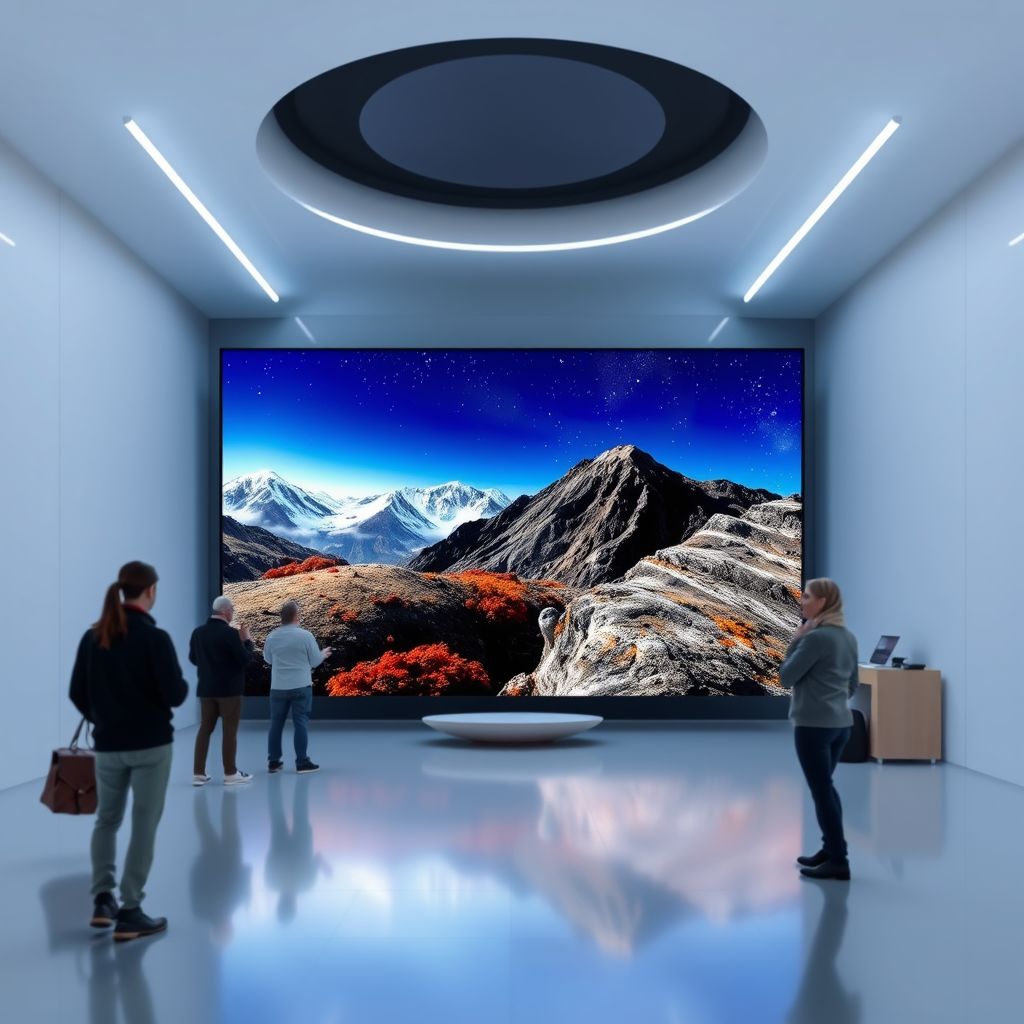
3D volumetric displays are devices that create three-dimensional images in real space, allowing viewers to perceive depth without the need for glasses or headsets. Unlike traditional 2D screens, which present flat images, volumetric displays project images that can be viewed from multiple angles, making it feel as though the content exists in the physical world. This is achieved through various techniques, such as rotating LED arrays, holographic displays, or even laser-based technologies that manipulate light to form images that occupy a volumetric space.
The user experience with 3D volumetric displays is significantly different from that of standard 2D screens. For instance, when you look at a 2D screen, you are limited to a flat perspective, which can sometimes lead to a disconnect between the viewer and the content. In contrast, with a volumetric display, the depth and dimensionality not only enhance realism but also allow users to interact with the content in a more intuitive manner, creating a sense of presence that is often lacking in traditional displays.
Advantages of 3D Volumetric Displays
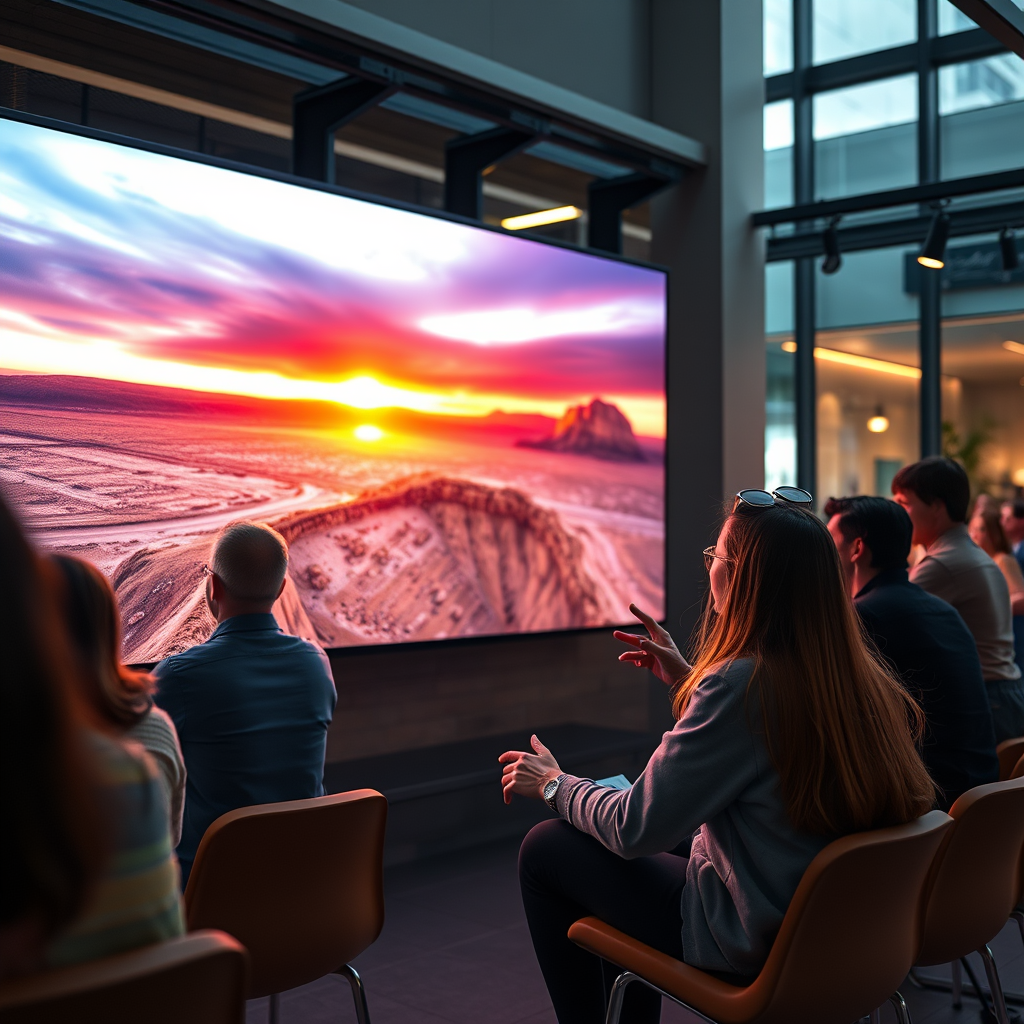
One of the most profound advantages of 3D volumetric displays is their enhanced depth perception, which facilitates a more natural viewing experience. This is particularly evident in fields such as medicine, where doctors can visualize complex anatomy in three dimensions, improving surgical planning and education. Such displays make it easier to grasp spatial relationships and details that might be missed on a flat screen.
Another significant benefit is the potential for reduced eye strain. Prolonged exposure to flat screens has been linked to increased discomfort and fatigue. With volumetric displays, the viewing experience can be more accommodating to the human eye, as they mimic the natural way we perceive the world. This can lead to longer and more enjoyable viewing sessions, whether you’re gaming, working, or learning.
Applications in Various Industries
The gaming and entertainment industries stand to gain immensely from 3D volumetric displays. Imagine playing a video game where characters and environments leap out of the screen, creating an unparalleled level of immersion. Developers are already experimenting with volumetric displays to create more engaging gaming experiences that pull players deeper into the narrative and gameplay.
In education, 3D volumetric displays can revolutionize how students interact with learning materials. For example, science classes can utilize these displays to visualize complex biological processes or chemical reactions, allowing students to manipulate and explore concepts in real-time. History lessons could see students walking through ancient ruins as if they were physically there, making learning not just informative, but also incredibly engaging.
Technological Challenges and Innovations
Despite their promise, the development of high-quality 3D volumetric displays faces several technological challenges. Current limitations include the difficulty in producing high-resolution images that are viewable from multiple angles without distortion. Additionally, the cost of manufacturing these displays can be prohibitive, limiting their accessibility.
However, recent advancements are paving the way for improvements. Companies are focusing on refining the technology behind holographic displays and developing new materials that can better manipulate light. Innovations in optics and display technology, such as advances in microLEDs and waveguide technology, are also promising to enhance the quality and affordability of volumetric displays, making them more viable for consumer and commercial use.
Future Trends and Predictions
As we look to the future, the market for 3D volumetric displays is expected to grow significantly. Analysts predict that as the technology becomes more refined and cost-effective, it will find applications beyond gaming and education, including sectors like architecture, automotive design, and even virtual tourism. This expansion could lead to a broader acceptance of volumetric displays as a standard in visual technology.
In terms of device design, we may see a shift towards integrating volumetric displays into everyday gadgets, such as smartphones and tablets. This could transform how we consume media, conduct business, and even interact socially, leading to a more interconnected and visually rich environment.
Comparison with Emerging Technologies
When comparing 3D volumetric displays to emerging technologies like augmented reality (AR) and virtual reality (VR), it’s important to understand their unique strengths. While AR overlays digital content onto the real world, and VR immerses users in entirely digital environments, 3D volumetric displays offer a hybrid experience that brings digital content into the real world without the need for headsets or glasses.
These displays can complement AR and VR by providing a shared experience for multiple users in the same physical space, allowing everyone to see and interact with the same 3D content simultaneously. This can be particularly beneficial for collaborative work environments or educational settings where group participation is key.
Consumer Adoption and Market Readiness
The adoption of volumetric displays by consumers will depend on several factors, including affordability, usability, and the availability of compelling content. As more companies invest in this technology, we can expect to see a wider range of applications that demonstrate its value. Current market players, such as Looking Glass Factory and Voxon Photonics, are already leading the charge in developing and distributing these displays, showcasing their potential in various sectors.
For widespread acceptance, consumers will need to experience the benefits firsthand. Demonstrations at tech expos and integration into popular products will be essential in raising awareness and enticing consumers to adopt this innovative technology.
As we look ahead, 3D volumetric displays represent a significant leap forward from conventional 2D screens, promising a more engaging and interactive viewing experience. With ongoing advancements and a growing array of applications, it is crucial for consumers and industry leaders alike to stay informed about this emerging technology’s potential. Explore your options and consider how you might integrate 3D volumetric displays into your life or business for a cutting-edge experience.
Frequently Asked Questions
What are 3D volumetric displays, and how do they differ from traditional 2D screens?
3D volumetric displays are advanced visual technologies that create three-dimensional images visible from various angles without the need for special glasses. Unlike traditional 2D screens that display flat images, volumetric displays generate images that occupy physical space, allowing for a more immersive viewing experience. This technology utilizes techniques such as light field displays or holography to render images that can be viewed from multiple perspectives, making them particularly valuable in fields like medicine, education, and entertainment.
How could 3D volumetric displays enhance user experience compared to 2D screens?
3D volumetric displays have the potential to significantly enhance user experience by providing more interactive and intuitive engagement with visual content. For instance, users can manipulate and examine objects in a 3D space, which can lead to better understanding in educational settings or improved design processes in industries like architecture and engineering. Additionally, the immersive nature of volumetric displays can create more engaging gaming and entertainment experiences, as well as facilitate more effective collaboration in remote work environments.
Why are 3D volumetric displays considered the future of visual technology?
3D volumetric displays are deemed the future of visual technology due to their ability to offer a more realistic representation of objects and environments, which aligns with the growing demand for immersive experiences. As virtual reality (VR) and augmented reality (AR) technologies continue to evolve, volumetric displays provide a key component that enhances user interaction and realism. Furthermore, they are seen as a solution to the limitations of existing flat displays, such as viewing angles and depth perception, making them a promising innovation across various industries.
What are the current challenges facing the adoption of 3D volumetric displays?
The adoption of 3D volumetric displays faces several challenges, including high production costs, limited content availability, and technical hurdles related to display resolution and refresh rates. Current technology often requires specialized equipment and software that can be expensive to produce and maintain. Additionally, the development of content specifically designed for 3D volumetric displays is still in its infancy, which limits the immediate usability of this technology across different sectors.
Which industries could benefit the most from transitioning to 3D volumetric displays?
Several industries stand to benefit significantly from the transition to 3D volumetric displays, including healthcare, education, entertainment, and design. In healthcare, volumetric displays can enhance surgical simulations and anatomical visualizations, improving training and patient outcomes. The education sector can utilize 3D displays to create engaging learning experiences that facilitate better understanding of complex concepts. Meanwhile, in entertainment and gaming, volumetric displays can transform how users interact with content, while design and architecture can leverage this technology for more interactive modeling and presentations.
References
- Volumetric display
- https://www.sciencedirect.com/science/article/pii/S1369702119302469
- https://www.nature.com/articles/s41598-018-21793-8
- https://www.techrepublic.com/article/how-volumetric-displays-work-and-why-they-matter/
- https://www.wired.com/story/volumetric-displays/
- https://www.bbc.com/future/article/20200219-how-volumetric-displays-could-transform-3d-viewing
- https://www.npr.org/sections/alltechconsidered/2018/09/13/647963758/3d-displays-and-the-future-of-3d-movie-making
- https://www.researchgate.net/publication/331354831_Volumetric_Displays_A_Review_of_Recent_Advances_and_Applications
- https://www.sciencedaily.com/releases/2021/03/210301081545.htm