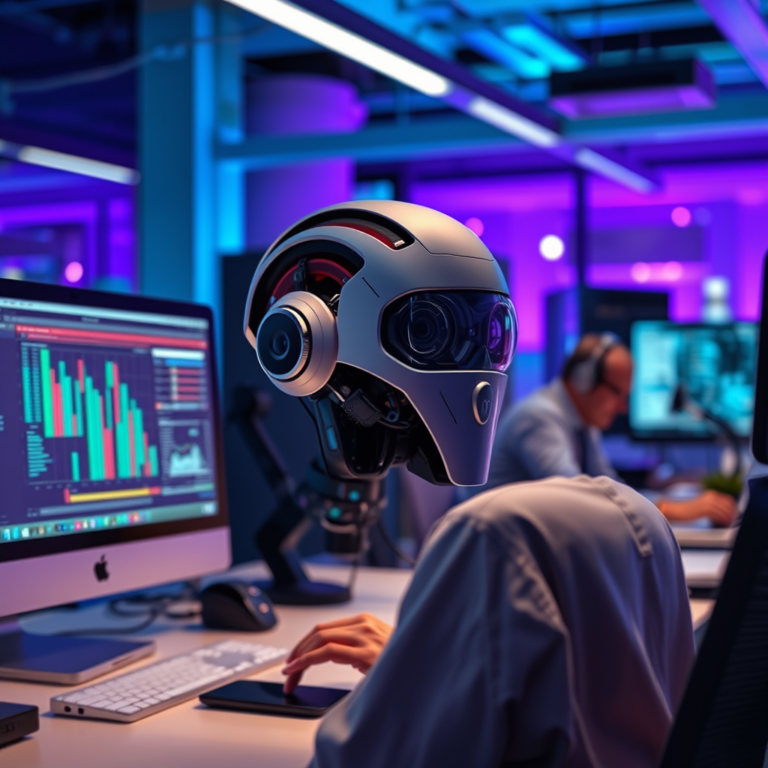

The integration of AI significantly enhances multi-user display adaptation by personalizing user experiences and optimizing content delivery. By employing intelligent algorithms that analyze user behavior in real-time, AI tailors the display to meet diverse needs, ensuring that every person in a shared environment enjoys an optimized viewing experience. In this article, we will explore how AI transforms the landscape of multi-user environments, making interactions smoother, more efficient, and highly engaging.
Understanding Multi-User Display Systems
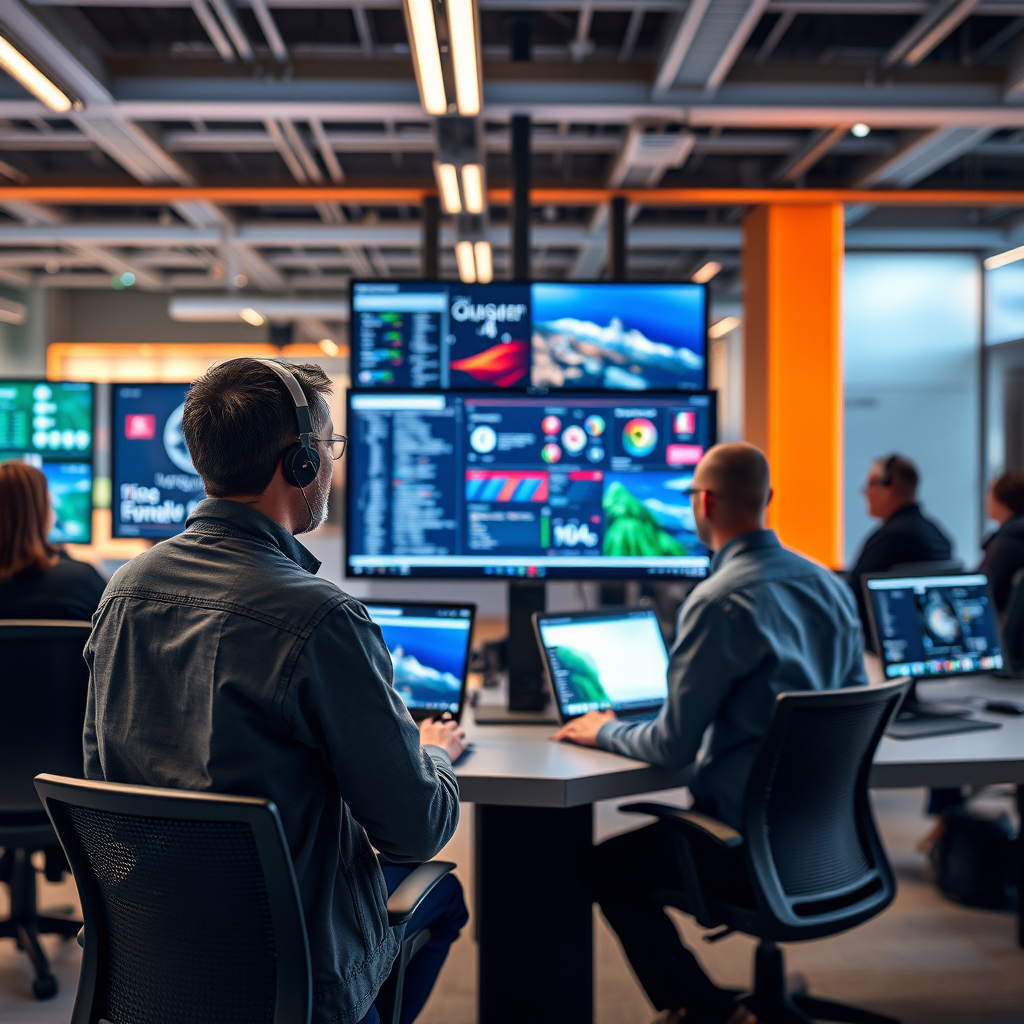
Multi-user display systems refer to setups where multiple users can interact with or view content simultaneously on a shared screen or projection system. These systems are commonly used in various environments, such as classrooms, corporate meeting rooms, public kiosks, and entertainment venues. The importance of adaptability in these shared environments cannot be overstated. Users come with varying preferences, backgrounds, and purposes for their interaction. A one-size-fits-all approach often leads to user frustration and disengagement. With AI, these systems can dynamically adjust to accommodate the unique needs of each user, resulting in a more personalized and effective experience.
For instance, in an educational setting, a multi-user display could adapt its content to cater to different learning styles, presenting visual aids for visual learners and interactive quizzes for kinesthetic learners, all in real-time. This adaptability ensures that every user feels included and engaged, enhancing the overall effectiveness of the shared experience.
The Role of AI in Personalization

AI algorithms are at the forefront of personalizing user experiences in multi-user display systems. By analyzing user preferences and interactions, these algorithms can understand what content resonates with different individuals. For example, AI can monitor user behavior, such as the types of content they engage with most, the time spent on various sections, and even facial expressions that indicate interest or confusion.
Machine learning plays a crucial role in this personalization process. As users interact with the display, the AI learns and improves its recommendations over time, becoming more adept at predicting what each user will find engaging. This continuous learning cycle enhances user satisfaction and encourages deeper interaction with the content. Imagine a group of people in a meeting room where the AI recognizes a particular team member’s interest in data visualization and subsequently highlights relevant charts and graphs tailored to their preferences, while also ensuring the rest of the team receives information suited to their roles.
Real-Time Content Adjustment
One of the most exciting aspects of AI in multi-user display adaptation is its ability to adjust content in real-time. Techniques such as image recognition, natural language processing, and user feedback mechanisms empower AI to modify display content on the fly. For example, if a user expresses confusion during a presentation, the AI can detect this through facial recognition or even voice tone analysis and respond by providing additional explanations or alternative content formats, such as infographics or videos.
A prime example of real-world applications can be found in retail environments. Imagine a smart advertising display that changes its promotional content based on the demographics of the audience in front of it. If a group of young adults approaches a digital billboard, the AI might display ads for trendy clothing and music events, while an older audience might see promotions for travel packages or health products. This level of responsiveness not only enhances user engagement but also drives sales and customer satisfaction.
Enhancing Collaboration through AI
AI tools are instrumental in facilitating collaborative tasks in multi-user settings. By streamlining communication and workflow efficiency, these tools create an environment where collaboration thrives. For instance, imagine a brainstorming session where team members are using a multi-user display to share ideas. AI can analyze the discussion and suggest relevant resources, articles, or templates that could aid in the ideation process.
Furthermore, AI can enhance communication by providing real-time language translation, ensuring that non-native speakers can participate fully in discussions. This capability is especially valuable in multinational companies or diverse classrooms where participants come from various linguistic backgrounds. The impact of AI on collaboration is profound, as it breaks down barriers, fosters creativity, and drives more effective teamwork.
Challenges in AI Implementation
Despite the numerous benefits of integrating AI into multi-user displays, several challenges persist. Common obstacles include technical limitations, such as the need for robust hardware to support advanced AI algorithms, as well as concerns regarding user privacy and data security. As these systems collect and analyze user data, ensuring that this information is handled ethically and securely is paramount.
Solutions and strategies to overcome these challenges involve investing in the right technology infrastructure and establishing clear data governance policies. Collaborating with AI experts can also help organizations navigate the complexities of implementation. Continuous user education about the benefits of AI can further alleviate concerns and foster acceptance among users.
Future Trends in AI and Multi-User Displays
The future of multi-user displays is bright, with emerging technologies poised to shape how we interact with shared environments. One notable trend is the increasing integration of augmented reality (AR) and virtual reality (VR) into multi-user displays, allowing for immersive experiences that transcend traditional viewing. Imagine a multi-user display where participants can interact with 3D models in real time, facilitating deeper understanding and engagement in fields such as architecture or healthcare.
Additionally, advancements in AI will continue to enhance personalization and adaptability. As algorithms become more sophisticated, we can expect even greater accuracy in content recommendations and real-time adjustments. The rise of edge computing will also play a role, allowing AI to process data closer to the user for faster response times and improved experiences.
In conclusion, the advancements of AI in multi-user display adaptation illustrate its potential to transform how users interact with shared environments. By leveraging personalization, real-time adjustments, and enhancing collaboration, AI not only improves user satisfaction but also drives innovation in multi-user systems. As we explore these technologies further, consider how they can be applied to your own multi-user environments for an optimized experience. With AI leading the charge, the future of shared displays looks more engaging, responsive, and collaborative than ever before.
Frequently Asked Questions
How does AI enhance multi-user display adaptation in collaborative environments?
AI enhances multi-user display adaptation by utilizing machine learning algorithms to analyze user behavior and preferences in real-time. This allows for dynamic adjustments to display settings, such as screen layout and content prioritization, ensuring that each user has an optimized viewing experience. By understanding factors like user attention and interaction patterns, AI can create personalized displays that cater to the specific needs of multiple users simultaneously.
What are the key benefits of using AI for multi-user display adaptation in workplaces?
The key benefits of using AI for multi-user display adaptation include improved collaboration, increased productivity, and enhanced user satisfaction. AI systems can automatically adjust display settings based on who is using them, allowing for seamless transitions between different users’ preferences. This personalized approach minimizes disruptions and helps teams work more effectively together, fostering a more efficient work environment.
Why is multi-user display adaptation important in educational settings?
Multi-user display adaptation is crucial in educational settings because it accommodates diverse learning styles and needs among students. With AI, displays can be tailored to present information in various formats—such as visual aids for visual learners or interactive elements for kinesthetic learners—maximizing engagement. This adaptability not only supports differentiated instruction but also ensures that all students can access and benefit from the learning materials being presented.
Which AI technologies are most effective for optimizing multi-user display adaptation?
The most effective AI technologies for optimizing multi-user display adaptation include natural language processing (NLP), computer vision, and user behavior analytics. NLP allows systems to interpret and respond to user commands or preferences, while computer vision can assess user proximity and engagement with the display. User behavior analytics helps systems learn from past interactions, continually refining display settings for optimal user experience.
How can businesses implement AI-driven multi-user display adaptation effectively?
Businesses can implement AI-driven multi-user display adaptation effectively by starting with a thorough assessment of user needs and preferences, followed by selecting appropriate AI technologies that suit their specific environment. Integrating user feedback loops and ongoing data analysis will enhance the adaptability of the system. Additionally, providing training for staff on how to leverage these AI tools will ensure that the technology is used to its full potential, ultimately leading to improved collaboration and efficiency in the workplace.
References
- Artificial intelligence
- https://www.sciencedirect.com/science/article/abs/pii/S0957417421000125
- https://www.nature.com/articles/s41598-021-83947-8
- https://www.researchgate.net/publication/331123456_Adaptive_Multi-User_Display_Adaptation_using_Artificial_Intelligence
- https://www.ncbi.nlm.nih.gov/pmc/articles/PMC7402384/
- https://www.bbc.com/future/article/20201130-how-ai-is-helping-everyone-see-the-same-thing
- https://www.technologyreview.com/2022/02/04/1044125/ai-adaptive-systems-multi-user-displays/