
The integration of AI technology in fashion displays is revolutionizing how brands connect with consumers by creating highly personalized shopping experiences. By utilizing data-driven insights, brands can tailor recommendations and visuals to individual preferences, making the shopping experience more engaging and relevant. In this article, you’ll discover how AI is reshaping the fashion landscape, enhancing not just the way products are presented but also how customers interact with their favorite brands.
Understanding AI in Fashion Retail
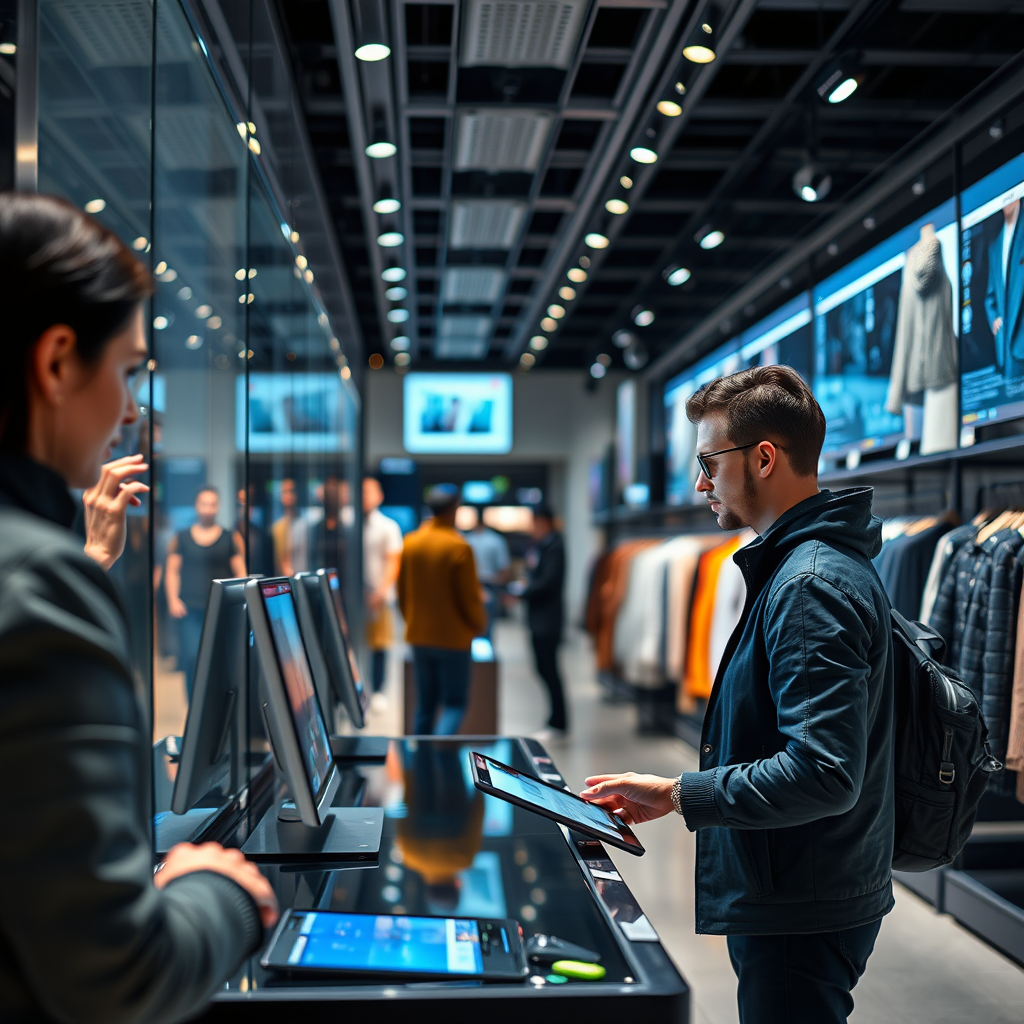
AI is making waves in the fashion retail sector primarily through the use of sophisticated algorithms that analyze vast amounts of consumer data. These algorithms can sift through browsing history, purchase patterns, and even social media behaviors to identify personal preferences and emerging trends. For example, if a customer frequently shops for eco-friendly brands or shows interest in a particular color palette, AI can recognize these patterns and make tailored suggestions accordingly.
Machine learning, a subset of AI, further enhances these capabilities by allowing systems to learn from past interactions and continuously improve personalization techniques. As more data is collected, the algorithms become better at predicting what a customer might love next. This dynamic nature of AI means that fashion retailers can adapt to changing consumer tastes almost in real-time, ensuring that the shopping experience remains fresh and relevant.
Tailored Recommendations

One of the most significant benefits of AI in fashion retail is the ability to offer personalized product suggestions. By analyzing an individual’s browsing history and purchase patterns, AI can recommend items that align closely with their tastes. For instance, if a shopper frequently purchases bohemian-style dresses, the system might suggest similar items or even accessories that complement those dresses, creating a cohesive outfit.
Moreover, dynamic content can enhance customer engagement by adapting in real-time. Imagine entering a fashion website and immediately seeing recommendations that have changed since your last visit, reflecting not only your previous interests but also new arrivals that match your style. This level of personalization not only increases the likelihood of a sale but also makes customers feel valued and understood, which is crucial for building brand loyalty.
Virtual Try-Ons
The use of AI-powered augmented reality (AR) is another game-changer in fashion retail. Virtual try-on technology allows customers to see how clothes fit without physically trying them on. Brands like Zara and ASOS have implemented AR features that let shoppers visualize how different pieces will look on them, using either their smartphone cameras or in-store smart mirrors.
This technology significantly reduces return rates, as customers can make more informed decisions about sizing and style before purchasing. For example, if a shopper is unsure about the fit of a particular dress, they can use AR to see how it looks on their body type and make adjustments accordingly. By providing a more accurate representation of sizes and styles, retailers not only enhance customer satisfaction but also save on costs associated with returns.
Data-Driven Insights
AI analytics are invaluable for fashion brands looking to stay ahead of the curve. By leveraging data, brands can identify emerging trends and consumer behaviors that inform their design and inventory strategies. For instance, if data shows a rising interest in sustainable fashion, brands can pivot their offerings to include more eco-friendly products, thus aligning with consumer values and increasing sales.
Additionally, AI can aid in inventory management by predicting which styles will be popular. This predictive capability helps brands avoid overstocking items that may not sell well and ensures that popular items are readily available. By using AI to analyze past sales data and current trends, brands can make informed decisions that optimize their operations and enhance overall efficiency.
Enhancing In-Store Experiences
The physical shopping experience is also being transformed by AI through innovations like smart mirrors and kiosks. These technologies provide personalized styling advice based on individual preferences and past purchases. For example, a smart mirror might suggest a specific jacket to complement a dress you’re trying on, making the shopping experience more interactive and enjoyable.
Interactive displays in stores can engage customers in ways that traditional setups cannot. Imagine walking into a store and interacting with a digital display that suggests outfits based on your style preferences or recent purchases. This level of interactivity not only enhances the customer experience but also fosters a stronger connection between the consumer and the brand.
Future Trends in AI and Fashion Displays
As AI technology continues to evolve, the potential for even more personalized experiences is enormous. Future trends may include further integration with social media platforms, allowing brands to tailor marketing strategies based on users’ online behaviors and preferences. Imagine receiving personalized outfit recommendations based on your Instagram likes or Pinterest boards!
Moreover, advancements in AI could lead to even smarter virtual assistants that can provide styling tips, answer questions, and help customers navigate both online and in-store shopping experiences. The possibilities are endless, and as technology continues to advance, the fashion industry will likely see even more innovative uses of AI to enhance consumer experiences.
The application of AI in personalized fashion displays is transforming the retail landscape, allowing brands to connect with customers in meaningful ways. By leveraging technology for tailored experiences, fashion retailers can enhance customer satisfaction and drive sales. Explore how your favorite brands are using AI to elevate your shopping experience and stay ahead in the ever-evolving fashion industry. Whether you’re a shopper looking for a more personalized experience or a retailer aiming to innovate, the future of fashion is undoubtedly bright with AI at the helm.
Frequently Asked Questions
How does AI enhance personalized fashion displays in retail?
AI enhances personalized fashion displays by analyzing customer data, such as browsing history, purchase patterns, and social media activity. This data is used to create tailored recommendations and dynamic displays that showcase items most relevant to individual shoppers. By utilizing AI algorithms, retailers can optimize product placements in-store and online, increasing customer engagement and driving sales.
What are the benefits of using AI for personalized fashion marketing?
The benefits of using AI for personalized fashion marketing include improved customer targeting, enhanced user experience, and increased sales conversion rates. AI enables brands to segment their audience more effectively and deliver customized content and offers that resonate with each shopper. Additionally, personalized marketing fosters customer loyalty and encourages repeat purchases, as shoppers feel understood and valued.
Why is personalization important in fashion retail?
Personalization is crucial in fashion retail because it meets the diverse needs and preferences of consumers, helping brands stand out in a competitive market. As shoppers increasingly seek unique and tailored shopping experiences, personalized fashion displays can significantly enhance customer satisfaction. This approach not only builds brand loyalty but also encourages higher spending, as customers are more likely to purchase items that align with their personal style.
Which technologies are commonly used in AI-driven personalized fashion displays?
Common technologies used in AI-driven personalized fashion displays include machine learning algorithms, computer vision, and natural language processing. Machine learning helps analyze vast amounts of data to identify trends and preferences, while computer vision allows for visual recognition of fashion items and styles. Natural language processing can enhance customer interaction through chatbots and virtual assistants, creating a more engaging shopping experience.
How can small fashion retailers implement AI for personalization without a big budget?
Small fashion retailers can implement AI for personalization by utilizing affordable AI tools and platforms that offer customer insights and analytics. Many cloud-based solutions provide user-friendly interfaces for data analysis, allowing retailers to create targeted marketing campaigns without extensive technical expertise. Additionally, leveraging social media analytics and customer feedback can help small businesses understand their audience better and personalize their offerings effectively.
References
- https://www.bbc.com/news/technology-56903476
- https://www.sciencedirect.com/science/article/pii/S1877050919311239
- https://www.wired.com/story/ai-fashion-personalization/
- https://www.forbes.com/sites/bernardmarr/2021/06/21/how-ai-is-revolutionizing-the-fashion-industry/?sh=4f1926e4537a
- https://www.researchgate.net/publication/348215456_Artificial_Intelligence_in_Fashion_Industry_Applications_and_Challenges
- https://www.frontiersin.org/articles/10.3389/frai.2021.00001/full
- https://www.theguardian.com/fashion/2021/jun/23/ai-fashion-technology-personalisation
- https://en.wikipedia.org/wiki/Artificial_intelligence_in_fashion
- https://www.acm.org/publications/proceedings-template/conferences/ai-fashion
- https://www.nature.com/articles/s41598-021-91682-7