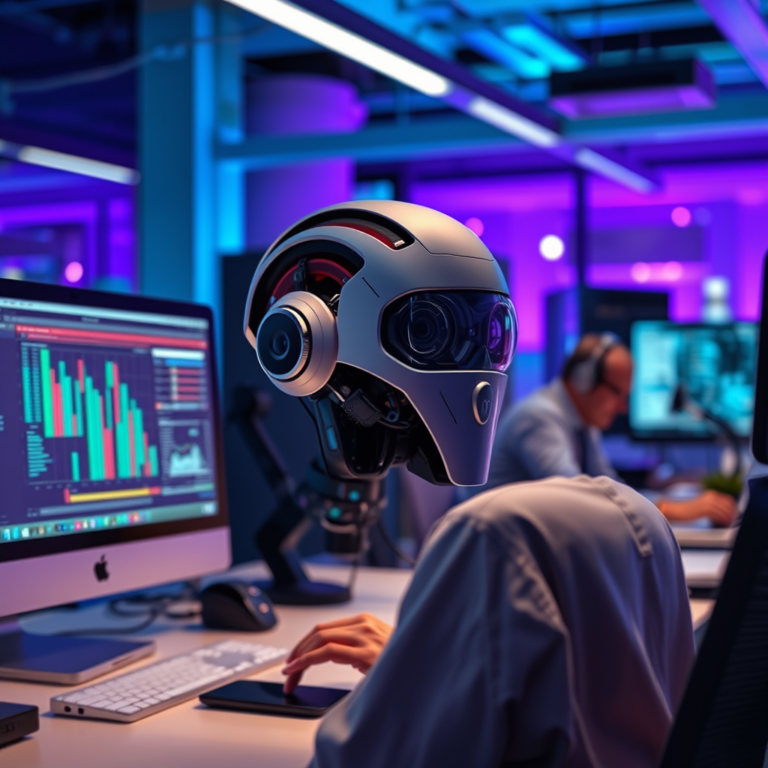
AI is fundamentally changing the landscape of dynamic user interfaces (UIs) in displays by creating experiences that are not only personalized but also adaptive to user interactions and environmental conditions. By harnessing the power of machine learning and data analytics, AI can tailor interfaces that respond in real-time to an individual’s behavior, preferences, and even the context in which they’re using a device. This article explores the various ways AI is enhancing display technologies through dynamic UI generation, making our interactions with screens more seamless and enjoyable.
The Role of AI in UI Design

AI plays a crucial role in modern UI design by enabling algorithms to analyze user interactions and optimize interface layouts accordingly. For instance, through tracking how users navigate an application or website—what buttons they click on, how long they stay on certain pages, and their scrolling behavior—AI can identify patterns and suggest changes that enhance overall usability. This leads to a more intuitive experience where users can find what they need without unnecessary clicks or confusion.
Predictive analytics is another powerful tool in AI’s arsenal. By analyzing historical data, AI can anticipate user needs and preferences, enabling interfaces to evolve proactively rather than reactively. For example, a streaming service can recommend shows based on a user’s viewing history, thereby presenting content that aligns closely with their tastes and increasing engagement. This ability to predict what users might want next saves time and enhances satisfaction.
Dynamic Content Generation

One of the most exciting aspects of AI in UI design is its capability for dynamic content generation. AI can produce tailored content that resonates with individual users by utilizing data about user behavior and preferences. Imagine a digital news platform that curates articles based on your reading habits or a shopping site that showcases products specifically aligned with your interests—this is the future AI is creating.
Adaptive layouts are also a game-changer in enhancing user engagement. These layouts can change in real-time based on user interactions. For example, if a user frequently clicks on certain categories of products, the interface can highlight those categories more prominently, making navigation easier and more efficient. This flexibility not only keeps the content fresh and relevant but also encourages users to spend more time interacting with the interface.
Personalization of User Experience
Personalization in user experience is perhaps one of the most significant contributions of AI to dynamic UIs. Machine learning models are adept at tracking individual user journeys, allowing for a high level of customization. For instance, AI can recognize that a user prefers dark mode at night and automatically adjust the display settings accordingly. This thoughtful level of personalization demonstrates an understanding of user behavior, which is vital for fostering loyalty and satisfaction.
Moreover, AI-driven suggestions can greatly enhance usability. Think of how e-commerce sites often use AI to recommend additional items based on what you’ve already placed in your cart. This not only streamlines the shopping experience but also feels like a helpful nudge from a friend rather than a sales pitch. By making interfaces more intuitive, AI can reduce friction and create a more enjoyable journey for users.
Real-time Adaptation to Environmental Factors
AI’s capacity for real-time adaptation to environmental factors is another remarkable feature in the creation of dynamic UIs. For example, smart displays can adjust their brightness based on the surrounding light conditions, ensuring optimal viewing experiences regardless of the environment. If you’re watching a movie in a dimly lit room, the display can automatically dim to reduce glare, making for a more comfortable experience.
Additionally, user interfaces can change based on location or device usage patterns. Consider a navigation app that alters its layout and features depending on whether you’re walking, biking, or driving. This level of adaptability ensures that users receive the most relevant information in a format that suits their current needs, enhancing the overall user experience.
Case Studies in AI-driven Dynamic UIs
Companies across various sectors are successfully implementing AI for dynamic displays, leading to increased user satisfaction. For example, Spotify uses AI to create personalized playlists that dynamically adjust based on user feedback and listening habits. This not only keeps users engaged but has also been shown to increase overall listening time.
Another example is Netflix, which employs AI algorithms to analyze viewing patterns and recommend shows or movies tailored to individual users. Their dynamic UI adjusts based on what similar users have enjoyed, making it easier for each viewer to discover new content they’ll love. User feedback consistently shows a higher satisfaction rate when interfaces are tailored to personal preferences, demonstrating the effectiveness of AI in enhancing user experiences.
Future Trends in AI and UI Development
As AI technology continues to evolve, we can expect to see several exciting trends shaping future display interactions. One promising area is the use of natural language processing (NLP) to create more conversational interfaces. Imagine being able to interact with your devices simply by talking to them, receiving responses that feel personal and relevant. This could lead to a new wave of user-friendly interfaces that feel less like tools and more like companions.
Additionally, the integration of augmented reality (AR) with AI can revolutionize how we experience displays. Envision a world where your smartphone interface overlays useful information onto the physical environment around you, enhancing your interaction with both digital and real-world elements. As these technologies converge, they’ll create even richer, more immersive user experiences.
The integration of AI in generating dynamic UIs is transforming the way we interact with displays, making them more responsive and user-centric. By harnessing machine learning and predictive analytics, businesses can create interfaces that not only meet but anticipate user needs. As AI continues to advance, it will be crucial for companies to adopt these innovative solutions to stay ahead of the competition and enhance their user interfaces. The future of dynamic UIs is bright, and it’s exciting to think about how these developments will continue to enhance our everyday interactions with technology.
Frequently Asked Questions
What is dynamic UI and how is AI used to create it?
Dynamic UI, or dynamic user interface, refers to a user interface that adapts in real-time based on user interactions, preferences, and context. AI is instrumental in generating dynamic UIs by utilizing algorithms that analyze user behavior and preferences, enabling the design to change accordingly. This helps to enhance user experience by presenting relevant content, adjusting layouts, and personalizing interactions, all of which contribute to improved engagement and satisfaction.
How does AI improve user experience in dynamic displays?
AI improves user experience in dynamic displays by analyzing vast amounts of data to anticipate user needs and preferences. Through machine learning and predictive analytics, AI can modify the UI elements, such as widgets and navigation structures, in real-time, thus providing users with personalized content and seamless navigation. This tailored experience not only enhances usability but also increases the likelihood of user retention and satisfaction.
Why should businesses implement AI-generated dynamic UI in their applications?
Businesses should implement AI-generated dynamic UI in their applications because it can significantly enhance user engagement and conversion rates. By leveraging AI to create responsive and personalized interfaces, companies can meet the unique preferences of their users, leading to better user retention and satisfaction. Moreover, dynamic UIs can reduce bounce rates and improve the overall effectiveness of digital marketing strategies, positioning businesses for greater success in competitive markets.
What are the best examples of AI-driven dynamic UIs in use today?
Some of the best examples of AI-driven dynamic UIs include streaming platforms like Netflix, which uses AI to recommend content based on viewing habits, and e-commerce sites like Amazon, which dynamically alters product recommendations and layouts based on user interactions. Additionally, social media platforms such as Facebook utilize AI to customize news feeds, ensuring that users see the most relevant content. These examples illustrate how dynamic UIs can lead to a more engaging and personalized user experience.
Which technologies are commonly used to develop AI-generated dynamic UIs?
Technologies commonly used to develop AI-generated dynamic UIs include machine learning frameworks like TensorFlow and PyTorch, which facilitate data analysis and predictive modeling. Additionally, natural language processing (NLP) tools help in understanding user queries and interactions. Front-end development frameworks such as React and Angular, combined with AI APIs, can create responsive and dynamic interfaces that adapt to user behavior in real time, ensuring a seamless user experience.
References
- User interface
- https://www.sciencedirect.com/science/article/pii/S0957417421007729
- https://www.nytimes.com/2020/09/14/technology/ai-design.html
- https://www.wired.com/story/ai-design-tools/
- https://www.techrepublic.com/article/how-ai-is-changing-the-way-we-design-interfaces/
- https://www.researchgate.net/publication/338087053_Artificial_intelligence_in_user_interface_design
- https://www.nist.gov/news-events/news/2021/07/using-ai-improve-user-experience
- https://www.microsoft.com/en-us/research/publication/ai-driven-interaction-design/