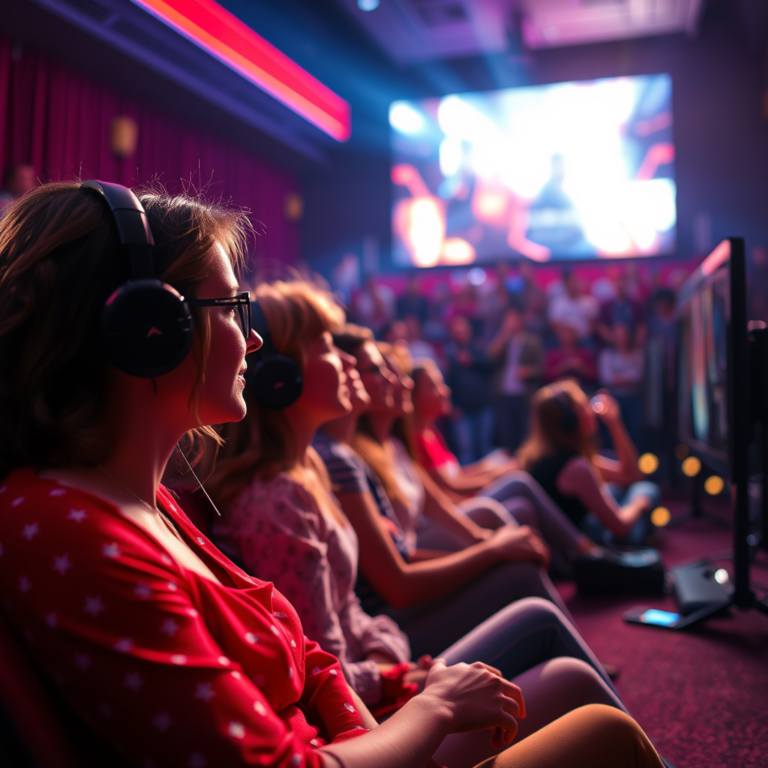
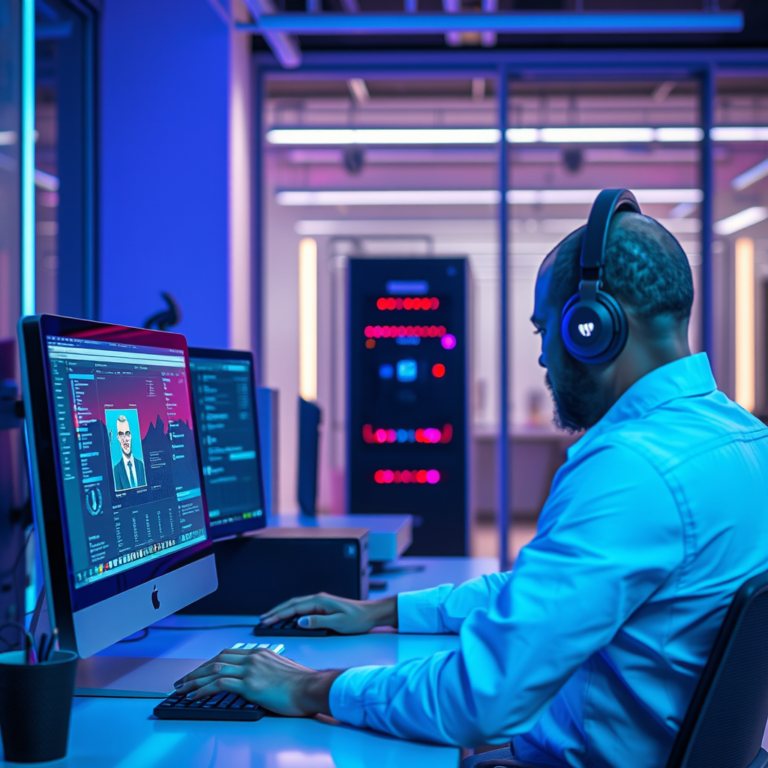
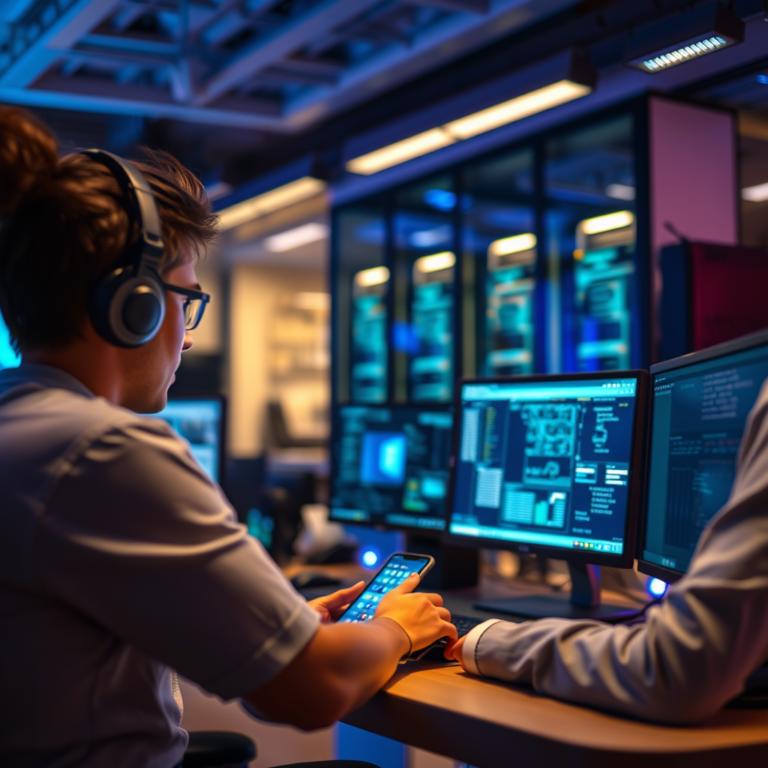
In competitive gaming, AI-powered displays significantly reduce input lag, enhancing player responsiveness and overall performance. By utilizing sophisticated machine learning algorithms, these displays can predict and process game inputs faster than traditional displays, allowing gamers to react swiftly during those critical moments that can determine victory or defeat. In this article, we’ll delve into how these advanced displays work and their impact on competitive gaming.
Understanding Input Lag
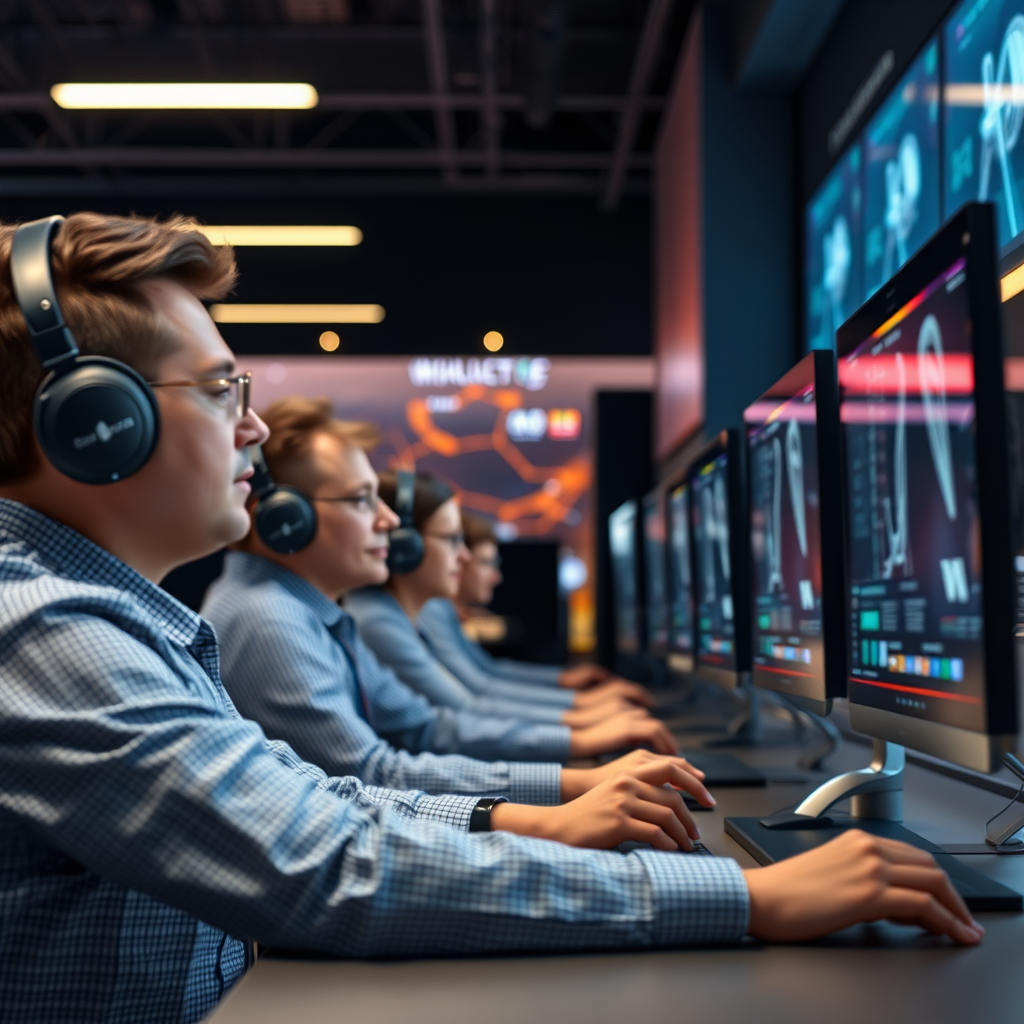
Input lag is the delay between a player’s action—like pressing a button or moving a joystick—and the corresponding response displayed on screen. In competitive gaming, where split-second decisions can mean the difference between winning and losing, even a few milliseconds of delay can hinder performance. High input lag can lead to frustrating experiences, as players may feel disconnected from their actions or unable to react timely to in-game events. Therefore, minimizing this latency is crucial for enhancing the overall gaming experience, especially in fast-paced genres like first-person shooters, fighting games, and multiplayer online battle arenas (MOBAs).
The Role of AI in Display Technology
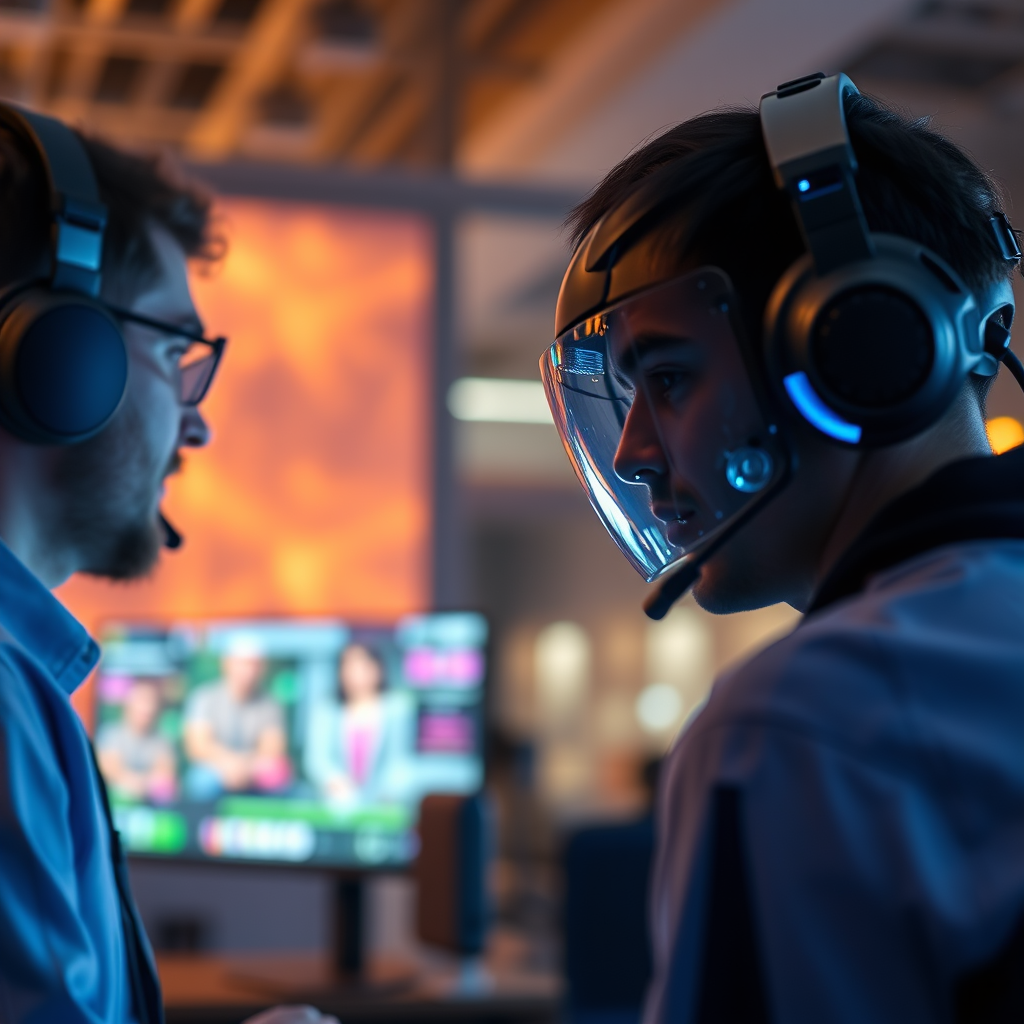
Modern displays are being revolutionized by the integration of AI algorithms that optimize performance in real-time. These AI systems analyze incoming data and utilize predictive models to enhance image processing and refresh rates. For instance, AI can assess the motion of objects in a game and adjust the display’s refresh rate accordingly, ensuring that what you see on screen is not only smooth but also closely aligned with your inputs. This means that instead of waiting for the display to catch up, players experience a more synchronized interaction with their games, ultimately leading to improved gameplay.
Real-Time Data Processing
One of the standout features of AI-powered displays is their ability to predict user input for quicker response times. By employing real-time data processing techniques, these displays can anticipate what a player is likely to do next and prepare the output in advance. This is achieved through frame prediction, where the display generates frames before they are needed based on predicted actions. For example, if a player is about to execute a quick dodge or a jump, the display prepares the next frame in advance, significantly reducing lag. This predictive capability allows gamers to react instantly, making AI-powered displays a game-changer in high-stakes environments.
Advantages for Competitive Gamers
The benefits of AI-powered displays for competitive gamers are manifold. One of the most pronounced advantages is improved reaction times; with minimized input lag, players can execute commands with unprecedented speed and precision. This is especially critical in competitive scenarios where every millisecond counts. Moreover, AI technology enhances the visual experience without sacrificing performance. Gamers can enjoy stunning graphics enhanced by features like adaptive sync, which ensures that the visuals remain smooth and tear-free, allowing for a more immersive gaming experience.
Comparison with Traditional Displays
When comparing AI-powered displays to traditional gaming monitors, the differences become clear. Conventional displays typically rely on fixed refresh rates and do not utilize predictive algorithms, leading to noticeable input lag and a less responsive feel. For example, a gaming monitor with an average input lag of 30 milliseconds can feel sluggish when compared to an AI-enhanced monitor that reduces this lag to around 5 milliseconds. Case studies have shown that competitive players using AI-powered displays consistently achieve higher scores and better performance metrics than their counterparts with traditional setups. The gap in performance is not just anecdotal; it’s backed by statistical data from competitive gaming tournaments where milliseconds can define the champions.
Future Trends in AI Display Technology
The landscape of AI display technology is ever-evolving, with emerging innovations poised to further enhance gaming experiences. Future displays may incorporate advanced machine learning techniques that adapt not only to gaming inputs but also to the individual preferences of players over time. This could include personalized settings that automatically optimize display parameters based on a player’s gameplay style. Additionally, as VR and AR technologies advance, we can expect AI-powered displays to play a crucial role in creating more immersive and interactive gaming environments. The next generation of competitive gaming monitors will likely offer even lower latency, higher resolutions, and enhanced color accuracy, making them indispensable tools for gamers seeking an edge.
Choosing the Right AI-Powered Display
When it comes to selecting an AI-powered display for competitive gaming, there are several factors to consider. Look for displays with low input lag, high refresh rates (at least 144Hz), and adaptive sync technologies like G-Sync or FreeSync. It’s also important to consider the size and resolution of the display to ensure it fits your gaming setup and provides the clarity you need during intense gameplay. Some top recommendations currently available include the ASUS ROG Swift PG259QN, known for its incredibly low input lag and high refresh rate, and the Dell Alienware AW2521H, which offers stunning visuals and rapid response times. Assess your specific gaming needs and preferences to find the display that will elevate your competitive edge.
By understanding how AI-powered displays work and their advantages in reducing input lag, competitive gamers can make informed decisions on their gaming setups. Embracing this technology can lead to better performance and an edge in competitive environments. Consider upgrading your display to harness the full potential of AI in your gaming experience, and watch as your skills reach new heights.
Frequently Asked Questions
How do AI-powered displays enhance the gaming experience by reducing input lag?
AI-powered displays utilize advanced algorithms to predict user actions and optimize screen refresh rates dynamically. By processing input data faster and adjusting display settings in real-time, these displays can significantly reduce the delay between a player’s action and the corresponding visual feedback. This results in a smoother and more responsive gaming experience, crucial for competitive gamers who rely on precision.
What is input lag, and why is it important in competitive gaming?
Input lag refers to the delay between a player’s input (like pressing a button) and the corresponding action displayed on the screen. In competitive gaming, even a few milliseconds of input lag can make a significant difference in performance, affecting reaction times and overall gameplay. Players often seek displays with minimal input lag to maintain a competitive edge and ensure a seamless gaming experience.
Which features should I look for in an AI-powered display to minimize input lag?
When choosing an AI-powered display to minimize input lag, look for features such as a high refresh rate (144Hz or higher), low response time (1ms to 3ms), and advanced synchronization technologies like NVIDIA G-SYNC or AMD FreeSync. Additionally, consider displays that incorporate machine learning algorithms to enhance performance dynamically, ensuring that they can adapt to various gaming scenarios efficiently.
Why should competitive gamers consider investing in AI-powered displays?
Competitive gamers should invest in AI-powered displays because these technologies offer substantial advantages over traditional displays, particularly in reducing input lag and improving overall responsiveness. The ability to predict and adapt to player behavior allows for a more immersive and fluid gaming experience, which can be critical in high-stakes competitive environments. This investment can lead to better performance and a higher chance of success in competitive gaming.
How do AI algorithms in gaming displays impact the overall latency in gaming systems?
AI algorithms in gaming displays impact overall latency by optimizing various parameters, including image processing and refresh rates, to ensure that the display responds as quickly as possible to user inputs. By leveraging machine learning, these algorithms can anticipate and adjust to changes in gameplay, minimizing processing delays. This reduction in latency is essential for competitive gamers who need immediate feedback, making AI-powered displays a valuable asset in enhancing performance.
References
- Lag (video games)
- https://www.researchgate.net/publication/311562014_Analysis_of_Motion_Blur_and_Input_Lag_in_Gaming_Monitors
- https://www.sciencedirect.com/science/article/pii/S187705091931157X
- https://www.techrepublic.com/article/how-ai-is-reducing-input-lag-in-gaming/
- https://www.nytimes.com/2021/06/29/technology/gaming-input-lag.html
- https://www.wired.com/story/monitor-refresh-rate-input-lag-gaming/