
The integration of AI-powered ultra-high FPS displays significantly elevates the gaming experience by delivering smoother visuals, reducing latency, and enhancing realism. These advanced technologies are game-changers, enabling players to engage in a more lifelike and responsive gaming environment. In this article, you will discover how these innovations work and the myriad benefits they bring to gamers of all levels.
What Are AI-Powered Ultra-High FPS Displays?
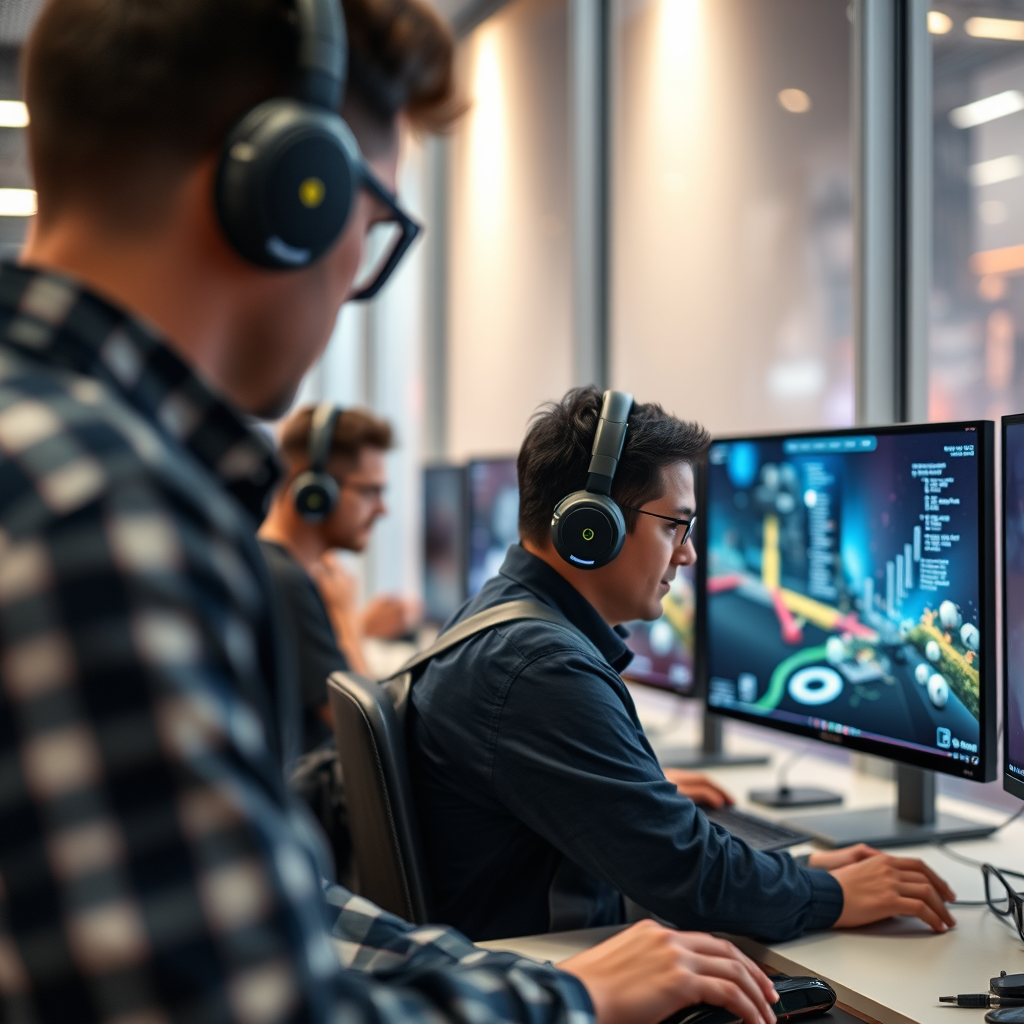
Ultra-high FPS (frames per second) in gaming refers to the number of images a display can render in one second, with counts of 120 FPS, 240 FPS, or even higher being common in advanced gaming monitors. This high frame rate produces incredibly smooth motion and responsiveness, making gameplay feel fluid and immersive. AI plays a crucial role in optimizing display performance by utilizing machine learning algorithms that adapt in real-time to the demands of the game being played. These algorithms analyze scenes, predicting frame transitions and ensuring that the display can keep up with fast-paced action without lag or stuttering.
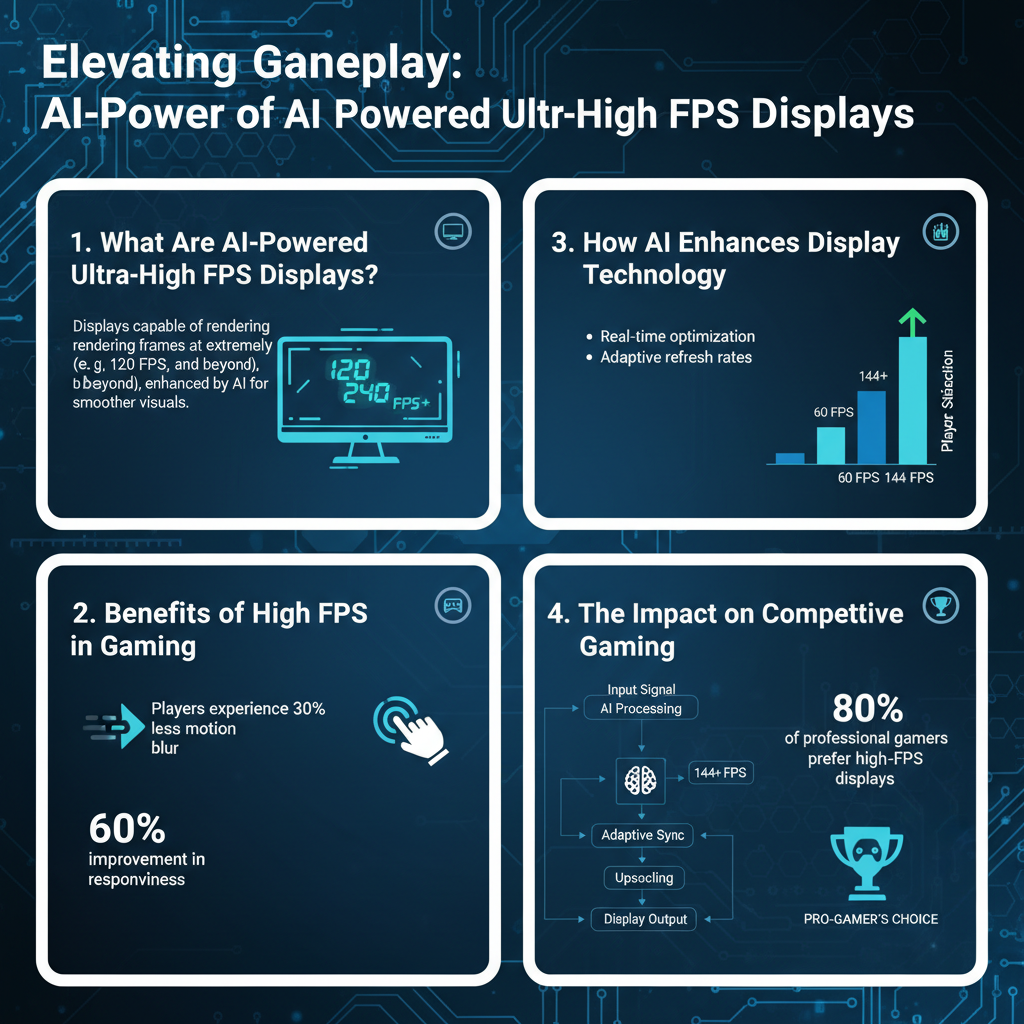
For example, AI can upscale lower-resolution content to match the monitor’s native resolution while maintaining image quality. This means that even games that aren’t designed to run at ultra-high FPS can benefit from the technology, allowing for a consistently high-quality experience across a wider range of titles.
Benefits of High FPS in Gaming

One of the most immediate benefits of high FPS is the smoother gameplay that leads to improved reaction times. In fast-paced games, such as first-person shooters or racing titles, every millisecond counts. Players can react more quickly to in-game events when the visuals are fluid and the motion is clear, giving them a distinct advantage in competitive scenarios.
Moreover, enhanced visual fluidity significantly reduces motion blur and stuttering. This is particularly important in immersive gaming experiences where the clarity of visuals can affect gameplay. High FPS ensures that even in fast-moving scenes, players can maintain focus and visibility, making it easier to track opponents or navigate complex environments. The result is a gaming experience that feels more responsive and engaging, allowing players to fully immerse themselves in the virtual worlds they inhabit.
How AI Enhances Display Technology
AI algorithms are at the forefront of display technology, offering capabilities that were previously unimaginable. One of the key functions of these algorithms is to predict and adjust frame rendering based on the current graphics load. For instance, if a game suddenly requires more resources due to complex graphics or rapid movements, AI can dynamically adjust the frame rate to maintain performance without dropping quality.
Real-time optimization is another area where AI shines. By continuously analyzing the game and display performance, AI can make instant adjustments to settings such as brightness, contrast, and color accuracy. This adaptability ensures that players receive the best possible visual experience regardless of the game’s demands or the lighting conditions in their environment. Not only does this enhance the overall aesthetics, but it also contributes to a more enjoyable and immersive gaming session.
The Impact on Competitive Gaming
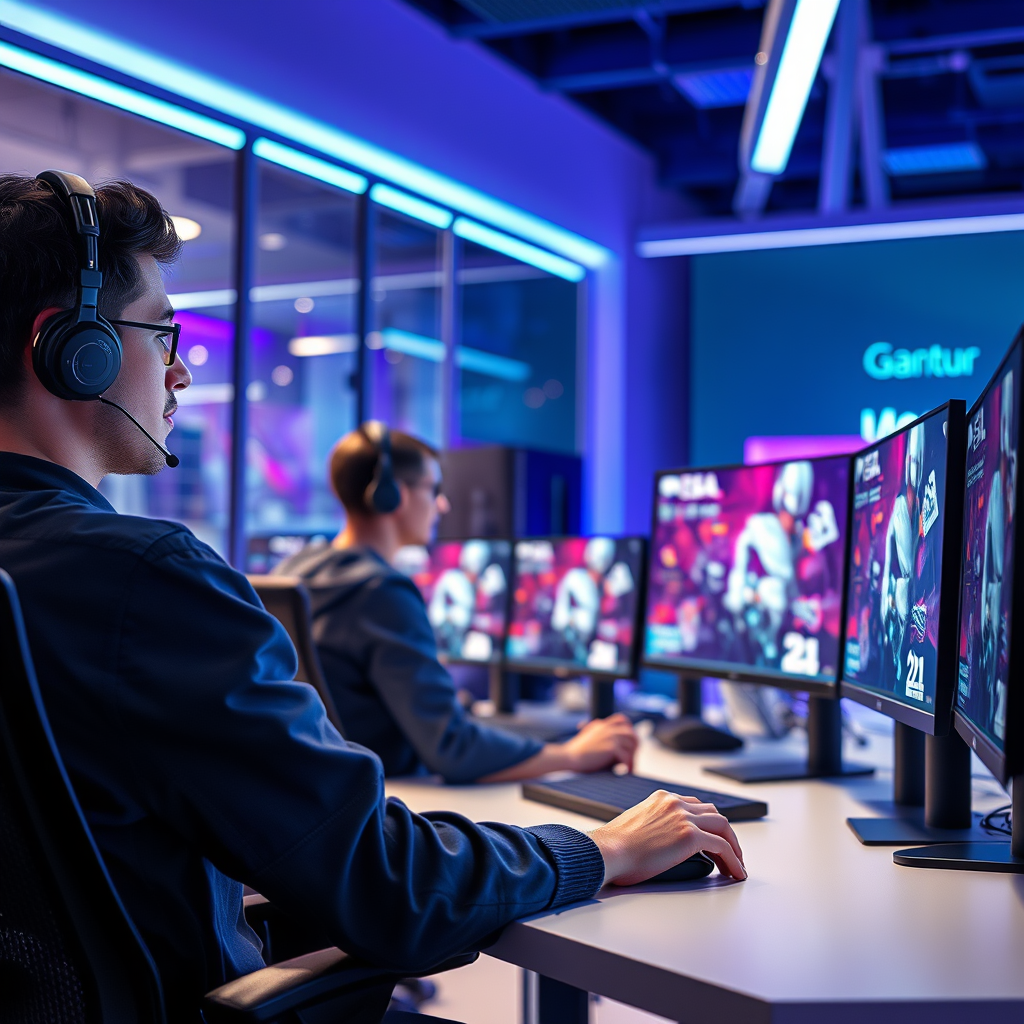
In the world of esports and competitive gaming, the importance of low input lag and high refresh rates cannot be overstated. Competitive gamers rely on every advantage they can get, and displays equipped with AI technology can provide that edge. High refresh rates, often found in ultra-high FPS monitors, allow players to see and react to in-game actions faster, which can be the difference between victory and defeat.
Professional gamers often use these advanced displays to enhance their performance. For example, many esports tournaments now feature monitors with refresh rates of 240 Hz or higher, allowing players to experience seamless gameplay. This technology enables them to respond swiftly to opponents’ movements, whether that’s dodging a shot in a shooter or executing a perfect drift in a racing game. The competitive edge provided by these displays is undeniable, cementing their place as essential tools for serious gamers.
Choosing the Right AI-Powered Display
When it comes to selecting an AI-powered display, there are several key specifications to consider. First, look for a monitor with a high refresh rate (at least 144 Hz), which will ensure smooth visuals during intense gameplay. Pair this with a low response time (1 ms to 3 ms) to minimize ghosting effects.
Additionally, consider the display’s resolution; a 1440p (QHD) or 4K resolution will provide stunning visuals that can enhance the gaming experience. Features such as NVIDIA G-SYNC or AMD FreeSync can also help reduce screen tearing and stuttering, further enhancing performance.
Some top models currently available include the ASUS ROG Swift PG259QN, which boasts a remarkable 360 Hz refresh rate, and the Samsung Odyssey G7, known for its excellent color accuracy and immersive curved display design. These models not only deliver high FPS but also incorporate AI technologies that optimize performance, making them fantastic choices for gamers looking to upgrade their setup.
Future Trends in Gaming Displays
As technology continues to evolve, we can expect even more exciting developments in AI and display innovation. Emerging technologies such as OLED and mini-LED displays are set to enhance color depth and contrast ratios, resulting in more vibrant and lifelike visuals. Additionally, advancements in AI could lead to more sophisticated algorithms that further optimize graphics rendering and display performance.
Predictions for the next generation of gaming experiences include fully immersive displays that integrate augmented reality (AR) and virtual reality (VR) capabilities. These technologies will likely employ AI to create seamless interactions and environments that react dynamically to player actions, pushing the boundaries of what’s possible in gaming.
The advancements in AI-powered ultra-high FPS displays represent a transformative shift in gaming technology, allowing for an unprecedented level of immersion and performance. Gamers seeking to enhance their experience should consider investing in these cutting-edge displays, as they continue to shape the future of interactive entertainment. With smoother visuals, reduced latency, and a more engaging gameplay experience, AI-powered displays are quickly becoming essential for anyone serious about gaming.
Frequently Asked Questions
What are AI-powered ultra-high FPS displays and how do they work in gaming?
AI-powered ultra-high FPS (frames per second) displays are advanced screens designed to enhance gaming experiences by utilizing artificial intelligence to optimize frame rates and image quality. These displays analyze game content in real-time, adjusting settings such as resolution and refresh rates to deliver smoother visuals and reduce input lag. By leveraging machine learning algorithms, they can predict player movements and adapt to dynamic scenarios, creating a more immersive gaming environment.
How do ultra-high FPS displays improve gaming performance?
Ultra-high FPS displays significantly improve gaming performance by providing smoother motion and reducing stutter during fast-paced gameplay. Higher frame rates lead to less motion blur, which enhances visual clarity and responsiveness, allowing gamers to react more quickly to in-game actions. This is particularly beneficial in competitive gaming, where split-second decisions can determine the outcome of a match.
Why should I invest in an AI-powered ultra-high FPS display for gaming?
Investing in an AI-powered ultra-high FPS display can dramatically enhance your gaming experience by delivering superior image quality and responsiveness. The integration of AI technology means that these displays can adapt to different gaming genres and environments, providing an optimized visual experience tailored to your preferences. This can lead to improved performance in both casual and competitive settings, making it a worthwhile investment for serious gamers.
Which features should I look for in an AI-powered ultra-high FPS display?
When selecting an AI-powered ultra-high FPS display, consider features such as refresh rate, response time, resolution, and adaptive sync technology. A refresh rate of at least 144Hz is recommended for optimal performance, while a low response time (1ms to 3ms) minimizes ghosting. Additionally, look for displays that support NVIDIA G-SYNC or AMD FreeSync, as these technologies help eliminate screen tearing and further enhance the gaming experience.
What types of games benefit the most from ultra-high FPS displays?
Ultra-high FPS displays are particularly beneficial for fast-paced action games, first-person shooters, and competitive esports titles, where quick reflexes and precise movements are critical. Games like “Call of Duty,” “Fortnite,” and “Overwatch” thrive on high frame rates, allowing players to experience smoother gameplay and better visual fidelity. However, even more casual or story-driven games can see improvements in visual quality, making them more enjoyable to play.
References
- Display resolution
- https://www.sciencedirect.com/science/article/pii/S187705092030186X
- https://www.nytimes.com/2021/07/22/technology/technology-gaming.html
- https://www.techrepublic.com/article/how-hertz-impacts-gaming-performance/
- https://www.wired.com/story/what-is-refresh-rate/
- https://www.tandfonline.com/doi/full/10.1080/10494820.2020.1838432
- https://www.bbc.com/news/technology-54640639
- https://www.nature.com/articles/s41598-021-86885-2