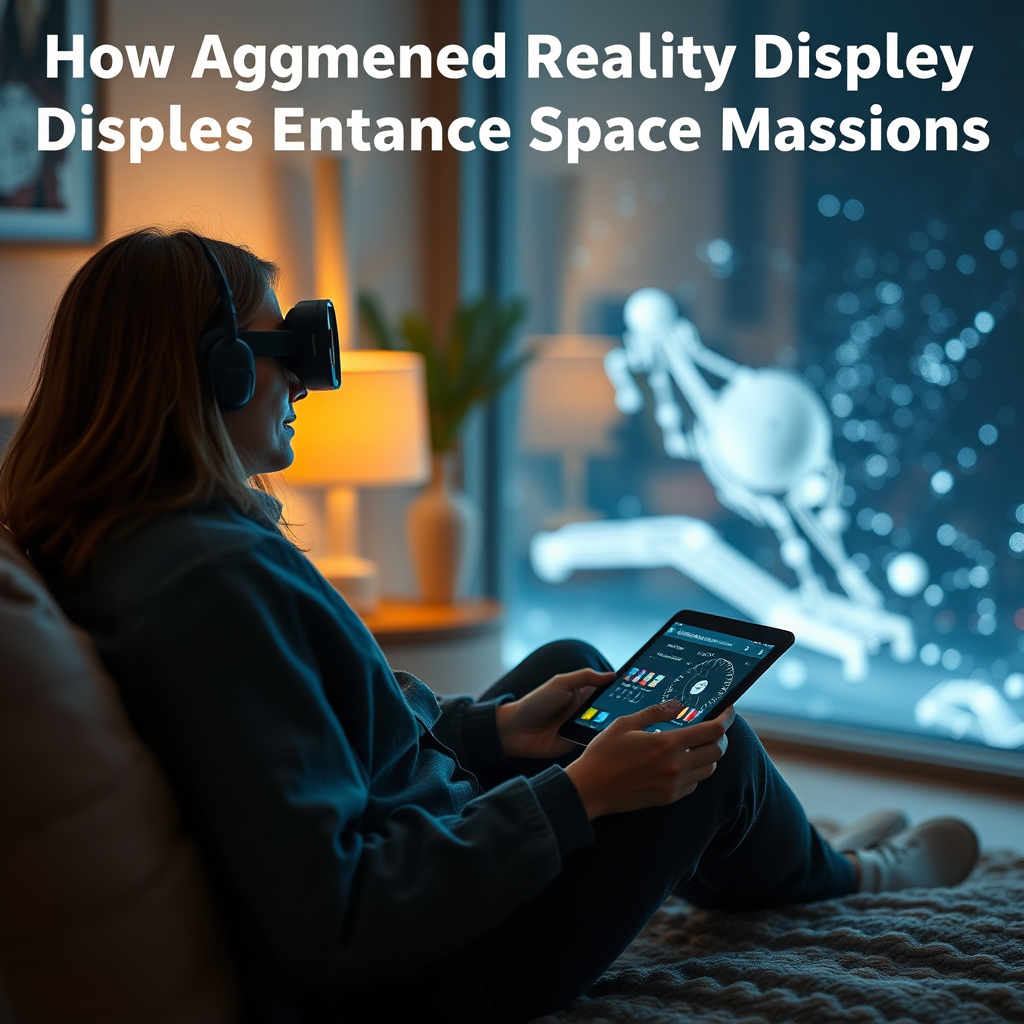

Augmented reality (AR) displays are transforming space missions by providing astronauts with critical information, enhancing their situational awareness, and facilitating real-time data visualization. This cutting-edge technology not only boosts operational efficiency but also significantly improves safety in the unpredictable environment of space. In this article, we will delve into the various applications and benefits of AR displays in space missions, showcasing how they are paving the way for a new era of exploration beyond our planet.
The Role of Augmented Reality in Space Exploration
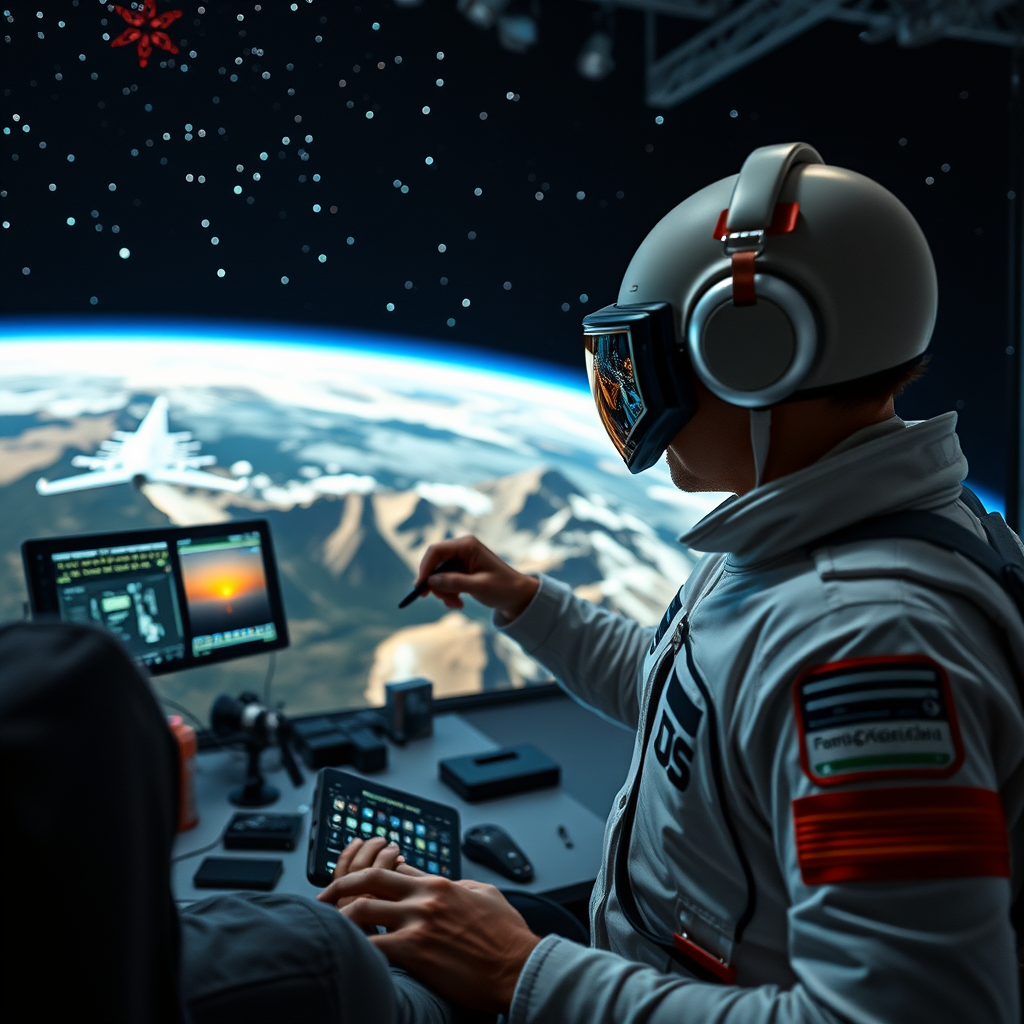
AR technology plays a pivotal role in space exploration by overlaying crucial information directly onto the astronaut’s field of view. Imagine an astronaut conducting a spacewalk or operating complex machinery while receiving live updates and data projections—this is the magic of AR. By providing critical information overlays, AR enhances decision-making in real-time, ensuring that astronauts can react quickly to changing conditions or unexpected challenges.
Furthermore, AR assists astronauts in navigation by displaying directions and routes right in their line of sight. This is particularly useful during extravehicular activities (EVAs), where miscalculations can lead to dangerous situations. By visualizing their trajectory or the location of important equipment, astronauts can focus on their tasks without having to divert their attention to traditional navigation tools. This seamless integration of information helps to keep astronauts safe and efficient, a necessity when operating in the vastness of space.
Training and Simulations with Augmented Reality
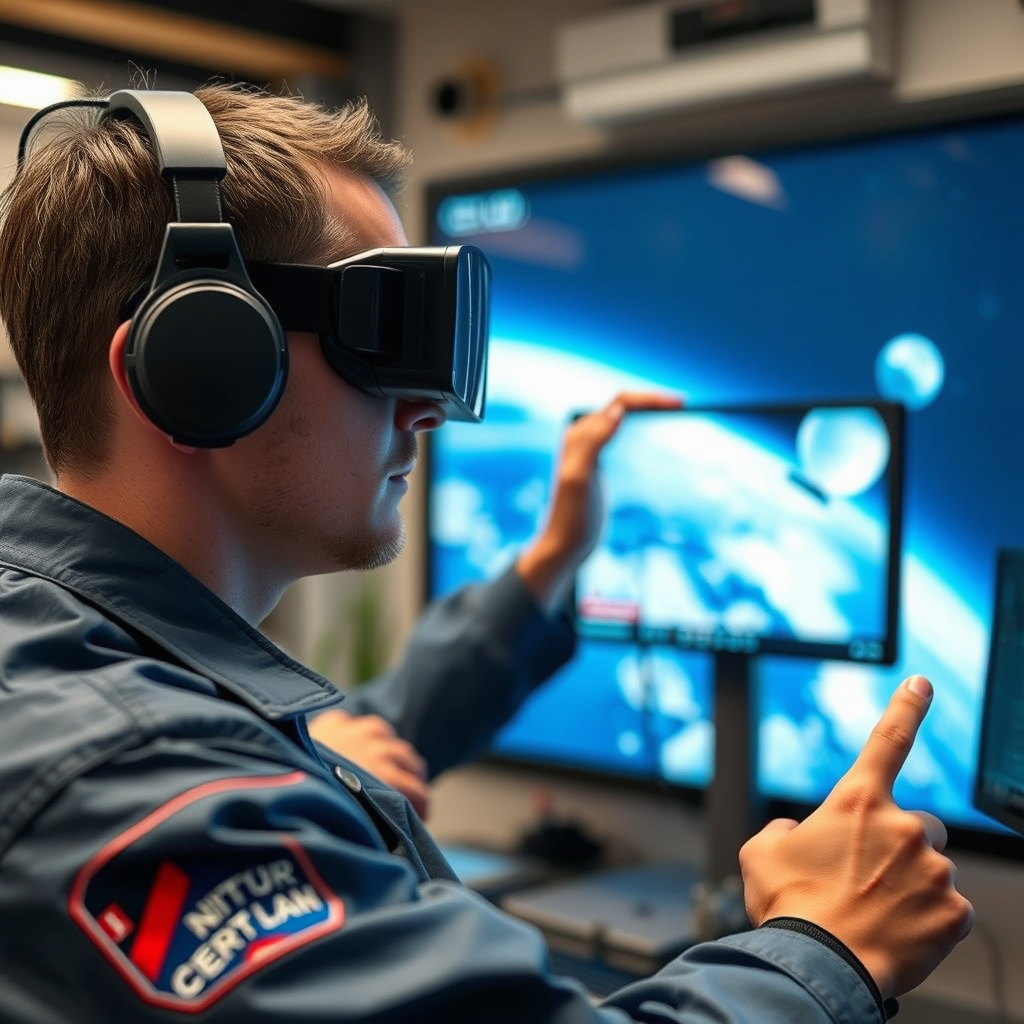
Training astronauts is no small feat. It requires extensive preparation to ensure they can handle the myriad of scenarios they might encounter in space. AR is revolutionizing training programs by creating immersive simulations that replicate the International Space Station (ISS) environment. With AR, astronauts can engage in realistic training exercises before their actual missions, allowing them to practice procedures and operations in a safe, controlled setting.
For instance, AR can simulate various emergency situations, such as equipment failures or unexpected space debris encounters. By experiencing these scenarios in a virtual environment, astronauts can develop their problem-solving skills and learn to work under pressure. This hands-on training prepares them for the real challenges they may face, ultimately leading to more confident and capable crew members during missions.
Enhancing Maintenance and Repairs in Space
Maintaining and repairing equipment in space is a complex task that requires precision and attention to detail. AR displays can significantly enhance this process by providing astronauts with step-by-step instructions and visual aids. For example, when an astronaut needs to fix a malfunctioning piece of equipment, the AR display can guide them through each stage of the repair, highlighting the necessary tools and components.
This real-time assistance reduces the likelihood of errors and ensures that repairs are conducted efficiently. Furthermore, AR can help astronauts visualize the internal workings of machinery, making it easier to diagnose issues. By simplifying complicated procedures and minimizing guesswork, AR plays a crucial role in keeping space missions on track and ensuring that astronauts can effectively manage their resources.
Collaboration and Communication in Space Missions
Collaboration is key during space missions, and AR technology can enhance communication between astronauts and ground teams. Imagine an astronaut facing a technical issue while on a spacewalk. With AR, they can share their live view with experts back on Earth, allowing for real-time troubleshooting and guidance. This capability not only fosters collaboration but also ensures that astronauts have access to a wealth of knowledge and support when they need it most.
Moreover, AR can facilitate team coordination by providing visual cues that all team members can see and interpret. This shared visual information can lead to quicker decision-making and more effective problem-solving, as everyone is literally on the same page. By integrating AR into communication protocols, space missions can benefit from a more synchronized and cohesive team dynamic, ultimately enhancing mission success.
Future Developments in AR Technology for Space
The future of AR technology in space is incredibly promising. Ongoing research aims to improve the responsiveness of AR displays, ensuring they can keep up with the fast-paced environment of space exploration. Additionally, integration with other technologies, such as artificial intelligence (AI), is on the horizon. Imagine AR systems that can adapt to the astronaut’s needs, offering personalized assistance based on their current tasks or challenges.
Potential advancements may also include the ability to predict problems before they arise, allowing astronauts to take proactive measures. For instance, an AI-driven AR system could analyze data from various sensors and provide early warnings about equipment malfunctions or environmental hazards. This kind of forward-thinking technology could dramatically enhance safety and efficiency, making space missions even more successful.
Current Examples of AR Use in Space Missions
Several organizations are already harnessing the power of AR in their space missions. NASA has been at the forefront, utilizing AR for training and mission planning on the ISS. By employing AR technologies, NASA is able to create engaging training modules that prepare astronauts for real-life challenges, ensuring they are well-equipped for their journeys.
Similarly, the European Space Agency (ESA) is exploring innovative applications of AR to assist astronauts during extravehicular activities. By testing AR tools that provide real-time support and information, ESA aims to enhance the safety and efficiency of its spacewalks, minimizing risks and maximizing productivity in the challenging environment of space.
As these examples illustrate, AR is not just a futuristic concept—it’s a current reality that is already shaping how we conduct space missions.
Incorporating AR displays into space missions not only enhances efficiency and safety but also paves the way for future exploratory endeavors. By providing critical data, improving training simulations, and fostering collaboration, AR is revolutionizing the way astronauts operate in space. As technology continues to advance, the potential applications of AR in space will likely expand, offering new possibilities for astronauts and mission planners alike. For those interested in the intersection of technology and space exploration, staying informed about these developments is crucial as we embark on this exciting journey into the cosmos.
Frequently Asked Questions
What are the primary applications of augmented reality displays in space missions?
Augmented reality (AR) displays are utilized in space missions for various applications, including navigation, training, and maintenance. By overlaying digital information onto the astronaut’s view, AR helps crew members visualize complex data, such as spacecraft systems and environmental conditions, improving decision-making in critical situations. Moreover, AR assists in training simulations, allowing astronauts to practice tasks in a controlled environment before executing them in space.
How does augmented reality enhance astronaut training for space missions?
Augmented reality enhances astronaut training by providing immersive simulations that mimic real-life scenarios encountered in space. Through AR, trainees can interact with 3D models of spacecraft controls and equipment, allowing them to practice procedures hands-on. This method not only increases retention of information but also builds confidence in handling unexpected situations during actual missions, significantly improving overall mission preparedness.
Why is augmented reality considered a valuable tool for spacecraft maintenance?
Augmented reality is valuable for spacecraft maintenance because it allows astronauts to access real-time, contextual information while performing repairs. By displaying step-by-step instructions and highlighting components directly in their field of view, AR reduces the likelihood of errors and increases efficiency. This capability is crucial in space, where time is limited and the consequences of mistakes can be severe, making AR an essential tool for ensuring mission success.
Which space agencies are currently using augmented reality technology in their missions?
Several space agencies, including NASA and ESA (European Space Agency), have begun integrating augmented reality technology into their operations. NASA has tested AR applications for astronaut training and remote assistance during repairs, while ESA has explored AR for both training and mission planning. These initiatives highlight the growing recognition of AR’s potential to improve safety, efficiency, and effectiveness in space missions.
What are the future prospects of augmented reality in space exploration?
The future prospects of augmented reality in space exploration are promising as technology continues to advance. AR has the potential to revolutionize how astronauts interact with their environment, automate processes, and collaborate with ground control in real-time. As missions become more complex, such as crewed missions to Mars, the integration of AR will play a crucial role in ensuring that astronauts can navigate challenges effectively and safely, making it an exciting area for ongoing research and development.
References
- https://www.nasa.gov/mission_pages/ISS/technology/augmented_reality.html
- https://www.scientificamerican.com/article/how-augmented-reality-is-transforming-space-exploration/
- https://www.nasa.gov/feature/nasa-uses-augmented-reality-to-assist-in-moon-missions
- What Does a Marsquake Look Like? | NASA Jet Propulsion Laboratory (JPL)
- https://www.space.com/augmented-reality-space-missions-nasa
- https://www.wired.com/story/augmented-reality-nasa-iss/
- https://www.nature.com/articles/s41598-020-71089-3
- https://www.researchgate.net/publication/340582348_Augmented_Reality_for_Space_Mission_Training
- https://www.esa.int/Applications/Operations/Space_Operations/Augmented_reality_for_space_missions