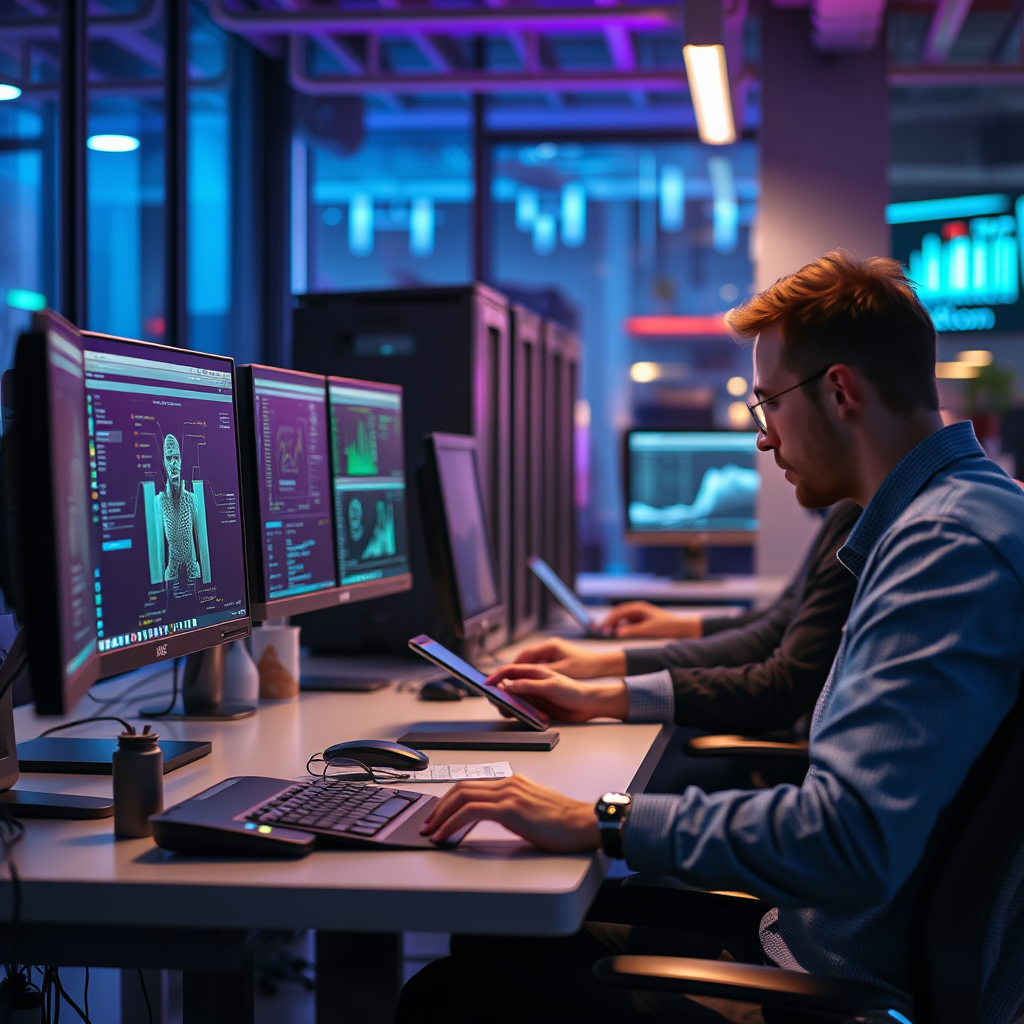

Edge AI significantly enhances real-time video processing by allowing data to be processed closer to its source, reducing latency and improving efficiency. This technology optimizes video analytics, boosts security measures, and enables smarter applications across various industries. By leveraging Edge AI, organizations can provide faster insights, make real-time decisions, and create a more responsive environment for users.
Benefits of Edge AI in Video Processing

One of the most compelling advantages of Edge AI in video processing is its ability to reduce latency. Traditional video processing models often rely on cloud-based systems, which can introduce delays as data travels over networks. Edge AI addresses this by processing data on the device itself. For instance, a security camera equipped with Edge AI can analyze video footage in real time, detecting intruders without waiting for data transmission to a remote server. This immediate processing not only speeds up reaction times but also enhances the overall efficiency of operations.
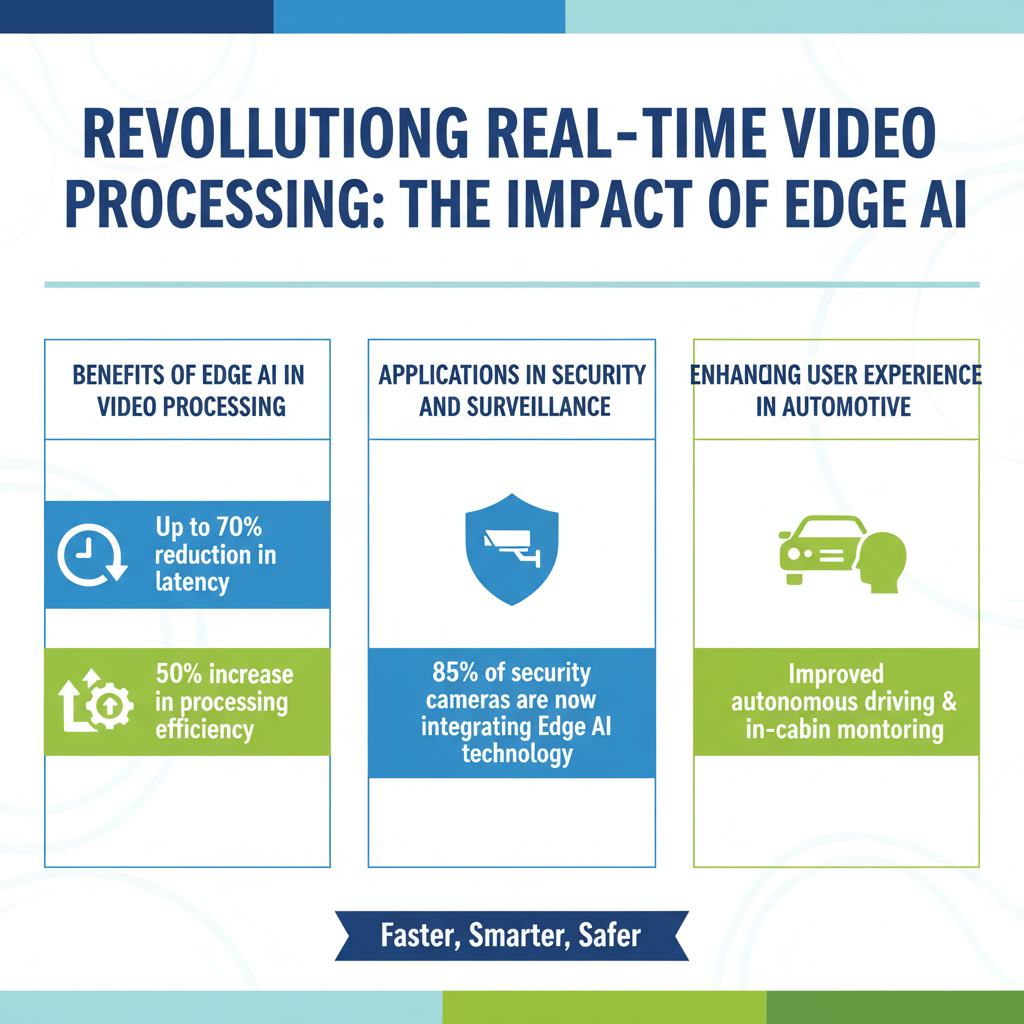
Furthermore, Edge AI increases operational efficiency by enabling faster response times and real-time decision-making. In industries such as manufacturing, where video analytics can monitor assembly lines, any issues can be identified and addressed immediately. This means less downtime and better resource management. For example, if a defect is spotted in a product during production, the system can halt operations instantly, preventing further waste. As a result, companies can streamline processes, reduce costs, and improve productivity by harnessing the power of Edge AI.
Applications in Security and Surveillance

Edge AI is making significant strides in security and surveillance applications. One of its standout features is the ability to perform real-time facial recognition and anomaly detection, which bolsters security measures in various environments, from retail stores to airports. For example, security systems powered by Edge AI can identify known threats or suspicious behavior immediately, alerting security personnel to potential risks without delay. This is particularly critical in high-stakes environments where every second counts.
Moreover, intelligent monitoring systems can analyze behavior patterns and notify staff of unusual activities. Imagine a scenario in a shopping mall where an individual is acting erratically. An Edge AI system can recognize this behavior and send an immediate alert to security, who can then intervene before a situation escalates. This proactive approach not only enhances safety but also fosters a sense of security for customers and employees alike.
Enhancing User Experience in Streaming Services
In the realm of streaming services, Edge AI is revolutionizing user experience by improving video quality and reducing buffering times. By analyzing bandwidth and user behavior directly at the edge, these platforms can adjust video quality in real time. For instance, if a viewer is streaming a movie and their internet connection fluctuates, Edge AI can dynamically lower the resolution to prevent buffering, ensuring uninterrupted viewing.
Additionally, Edge AI enables personalized content recommendations based on real-time viewing patterns. By processing data on-device, streaming services can quickly analyze what users are watching, when, and for how long. This insight allows platforms to suggest content that aligns closely with individual preferences, enhancing user engagement. For example, if a viewer frequently watches thrillers on a particular evening, the platform can recommend similar films or shows tailored to their tastes, making the viewing experience more enjoyable and personalized.
Integration with IoT Devices
Edge AI facilitates seamless communication between video cameras and other IoT devices, creating smarter environments. This integration allows for automated actions based on real-time video analysis. For instance, in a smart home setup, if a security camera detects movement outside, it can trigger outdoor lighting to turn on, providing illumination for both security and convenience. This interconnectedness not only enhances security but also contributes to energy efficiency.
In industrial settings, Edge AI can automate processes and improve safety. For example, if a video camera identifies a worker operating a machine without proper safety gear, it can send an alert to supervisors or even halt operations until compliance is ensured. This proactive approach not only protects employees but also minimizes the risk of accidents, showcasing the versatility of Edge AI in fostering safer environments.
Challenges and Considerations
While the benefits of Edge AI in video processing are substantial, there are challenges and considerations that organizations must navigate. One primary concern is data privacy. Since video footage often contains sensitive information, robust data privacy measures are essential when processing video on the edge. Organizations must ensure compliance with data protection regulations and implement encryption and access controls to safeguard personal information.
Another challenge is the potential limitations in processing power and storage capacity of edge devices. While many modern devices have impressive capabilities, they may not match the computational power of centralized cloud systems. This can create challenges when processing high-resolution video or performing complex analytics. Organizations must assess their hardware capabilities and potentially invest in more powerful edge devices to fully realize the benefits of Edge AI in video processing.
Future Trends in Edge AI for Video Processing
Looking ahead, the future of Edge AI in video processing is bright, with advancements in machine learning algorithms set to enhance real-time video analytics further. These improvements will allow for more sophisticated processing, enabling systems to recognize and respond to complex scenarios with greater accuracy. For example, future algorithms may improve object detection and tracking, making systems even more effective in environments requiring high security.
Moreover, we can expect increased adoption of Edge AI across various sectors, including retail, healthcare, and smart cities. In retail, for instance, Edge AI can analyze customer behavior in-store, allowing for tailored marketing strategies and enhanced customer service. In healthcare, real-time video analysis can assist in remote patient monitoring, providing timely interventions when necessary. As industries continue to explore the possibilities of Edge AI, we may witness innovative applications that transform how we interact with video data.
The integration of Edge AI into real-time video processing is revolutionizing how we capture, analyze, and respond to video data. By leveraging its benefits, industries can enhance security, improve user experiences, and create smarter environments. Embracing these advancements will allow organizations to stay ahead in a rapidly evolving digital landscape, making the most of the opportunities that Edge AI presents. As technology continues to advance, the potential for Edge AI in video processing is truly limitless.
Frequently Asked Questions
What is Edge AI and how does it relate to real-time video processing?
Edge AI refers to the deployment of artificial intelligence algorithms directly on edge devices, such as cameras or drones, rather than relying on cloud-based processing. This technology is crucial for real-time video processing as it enables immediate data analysis and decision-making at the source, minimizing latency and bandwidth usage. By leveraging Edge AI, businesses can enhance surveillance, automate monitoring, and improve response times in various applications, from smart cities to industrial settings.
How does Edge AI improve the efficiency of video analytics?
Edge AI enhances the efficiency of video analytics by processing data locally, which drastically reduces the time it takes to analyze video feeds. Traditional cloud-based systems can introduce delays due to data transmission and processing time, but Edge AI allows for instantaneous insights, enabling real-time alerts and actions based on detected events. This immediate processing capability is particularly beneficial for applications like security monitoring and traffic management, where timely responses are critical.
Why is real-time video processing important for businesses using Edge AI?
Real-time video processing is vital for businesses as it allows for immediate decision-making, which can significantly enhance operational efficiency and safety. For instance, in security, real-time alerts can prevent theft or unauthorized access, while in manufacturing, immediate quality checks can reduce waste and ensure product standards. By integrating Edge AI into their video processing systems, businesses can respond proactively to incidents, ultimately improving overall productivity and customer satisfaction.
What are the best use cases for Edge AI in real-time video processing?
The best use cases for Edge AI in real-time video processing include smart surveillance systems, autonomous vehicles, industrial automation, and retail analytics. In smart surveillance, Edge AI can identify threats and notify security personnel instantly. Autonomous vehicles rely on real-time data processing to navigate safely, while industrial automation utilizes video analytics for quality control. Retail analytics can leverage Edge AI to analyze customer behavior in real-time, optimizing inventory and enhancing the shopping experience.
Which challenges do organizations face when implementing Edge AI for video processing?
Organizations may face several challenges when implementing Edge AI for video processing, including hardware limitations, data privacy concerns, and integration complexities. Edge devices often have less processing power compared to cloud systems, which can hinder performance for complex analyses. Additionally, ensuring data privacy and compliance with regulations becomes crucial when processing sensitive video feeds locally. Finally, integrating Edge AI solutions with existing infrastructure may require significant time and resources, necessitating careful planning and execution.
References
- Edge computing
- https://www.sciencedirect.com/science/article/pii/S1361372319301212
- https://www.nature.com/articles/s41598-020-63938-7
- https://www.researchgate.net/publication/332959993_Edge_AI_for_Real-Time_Video_Processing
- https://www.bbc.com/news/technology-56483679
- https://www.forbes.com/sites/bernardmarr/2020/01/15/how-edge-ai-is-revolutionizing-the-future-of-video-surveillance/
- https://www.nist.gov/news-events/news/2020/07/ai-and-edge-computing-leverage-new-methods-real-time-video-analytics
- https://www.techrepublic.com/article/how-edge-ai-is-transforming-real-time-video-processing/