
Sound systems play a pivotal role in various cultures, serving as a medium for communication, celebration, and artistic expression. From traditional ceremonies to modern events, the way sound systems are integrated reflects cultural values and practices. In this article, you’ll explore how different cultures use sound systems, highlighting their significance and unique applications.
The Role of Sound in Cultural Identity
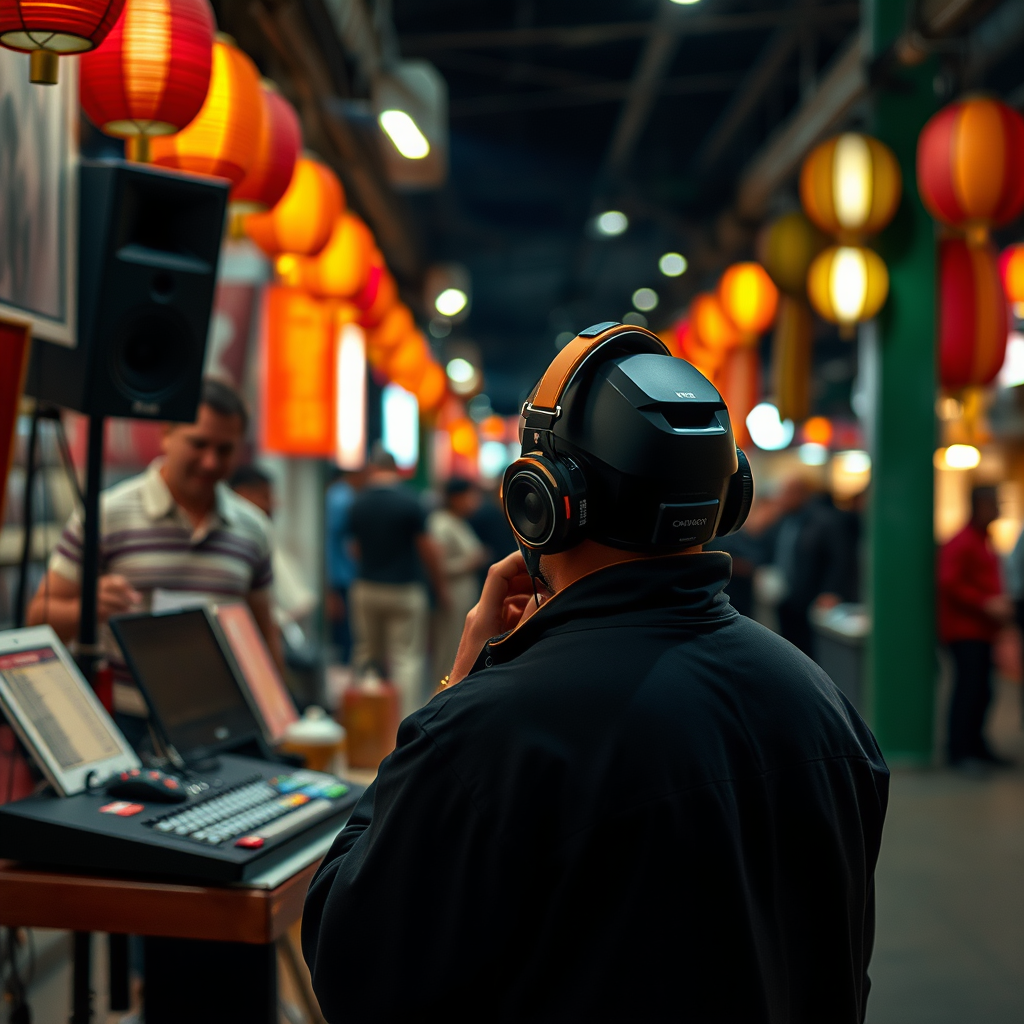
Sound systems are essential in preserving and promoting cultural heritage through music and storytelling. They serve as a conduit for traditions that have been passed down through generations, allowing communities to express their unique identities and histories. For instance, in Indigenous cultures, storytelling often employs traditional sound systems to convey lessons and moral values, using rhythm and melody to enhance the narrative’s power.
Moreover, sound systems foster community bonding during festivals and celebrations. Events such as Diwali in India or Carnival in Brazil highlight the use of sound to unite people in joyous expression. Music, often amplified through various sound systems, creates a vibrant atmosphere where individuals come together to celebrate shared beliefs and experiences, strengthening social ties and cultural continuity.
Traditional Sound Systems: Instruments and Techniques
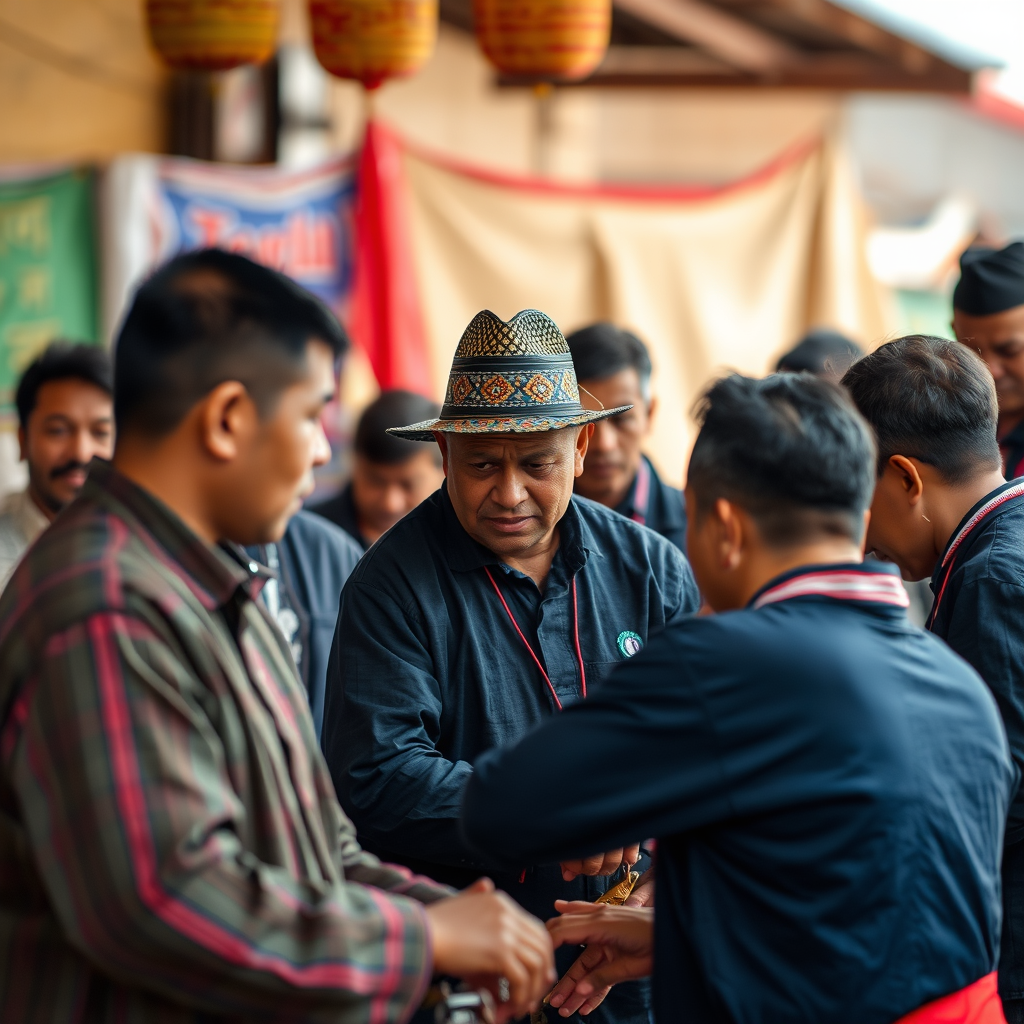
Many cultures utilize traditional instruments that have evolved into modern sound systems, blending historical techniques with contemporary innovations. For example, the African djembe, a hand-played drum, is often paired with electronic amplifiers in modern performances, allowing traditional music to reach larger audiences while maintaining its authentic sound.
Unique sound techniques, such as call and response, are often amplified through these systems, creating dynamic interactions between performers and audiences. In many African and Caribbean cultures, this technique not only enhances the musical experience but also involves the audience, making them active participants in cultural expression.
Modern Sound Systems: Technology and Evolution
Advances in technology have transformed sound systems, allowing for greater reach and accessibility. The transition from analog to digital sound systems has enabled clearer audio quality and the ability to manipulate sounds in unprecedented ways. This evolution has made it possible for artists from various cultures to produce and distribute music globally, ensuring that even remote communities can share their sounds with a worldwide audience.
DJ culture and electronic music have significantly influenced how sound systems are perceived in contemporary society. Festivals like Tomorrowland and Ultra Music Festival showcase the integration of cutting-edge sound technology with diverse musical genres, drawing attendees from all over the globe. This fusion not only highlights the technological advancements in sound systems but also emphasizes the blend of cultures present in modern music.
Top 7 Sound Systems in Global Festivals (2024)
| # | System Name | Type | Power Output (Watts) | Best For |
|---|---|---|---|---|
| 1 | Martin Audio | Line Array | 120,000 | Large Festivals |
| 2 | L-Acoustics | Point Source | 80,000 | Concerts |
| 3 | Soundcraft | Mixing Console | 50,000 | Live Events |
| 4 | QSC | Subwoofer | 60,000 | Small Venues |
| 5 | Yamaha | Portable PA | 30,000 | Outdoor Events |
| 6 | Bose | Array System | 45,000 | Corporate Events |
| 7 | Sennheiser | Microphone | 20,000 | Broadcasting |
Sound System Power Output Comparison (Watts)
Sound Systems in Rituals and Ceremonies
In various cultures, sound systems are integral to religious ceremonies, enhancing the spiritual experience. For instance, in many African traditions, drumming and chanting are essential components of rituals, utilized to communicate with ancestors and spirits. The use of high-quality sound systems allows for these elements to resonate across large gatherings, creating an immersive spiritual environment.
Examples of sound systems in rituals extend to weddings, funerals, and rites of passage. In Hindu weddings, for example, the sound of traditional music, often amplified through sophisticated sound systems, plays a crucial role in setting the tone and ambiance for the celebration. Similarly, in Western funerals, music selections often utilize sound systems to convey emotions and commemorate the deceased, demonstrating how sound can bridge the gap between loss and remembrance.
Global Sound Festivals and Cultural Exchange
International festivals showcase diverse sound systems, promoting cultural exchange and collaboration. Events such as the Edinburgh Festival Fringe and the Montreux Jazz Festival highlight how sound systems can serve as a platform for artists from various backgrounds to share their unique sounds and styles. These festivals not only celebrate music but also foster an environment of dialogue and understanding between cultures.
Such events provide platforms for local artists to reach global audiences through sound. Emerging artists from underrepresented cultures find opportunities to present their work on large stages, utilizing sound systems to amplify their voices and stories. This not only elevates their artistic expressions but also enriches the global music landscape, promoting a deeper appreciation for cultural diversity.
Challenges and Cultural Preservation
The commercialization of sound systems can lead to the dilution of traditional practices. As cultural expressions become commodified, there is a risk that the authenticity of the art forms may be compromised. For instance, traditional music styles may be altered to fit mainstream tastes, leading to a loss of cultural significance.
Efforts are being made to preserve cultural authenticity in the face of globalization. Many communities are actively working to maintain their musical heritage by promoting traditional sound systems and practices. Organizations dedicated to cultural preservation are increasingly focusing on education and outreach, ensuring that younger generations understand the value of their musical heritage and its role in cultural identity.
Understanding how sound systems are utilized across different cultures reveals their profound impact on community, identity, and tradition. These systems not only facilitate communication and artistic expression but also serve as a bridge connecting people across diverse backgrounds. As you explore this fascinating intersection of technology and culture, consider attending a local festival or event to experience the richness of sound in diverse settings. Engaging with these cultural expressions can deepen your appreciation for the artistry and heritage that sound uniquely represents.
Frequently Asked Questions
What are the key differences in sound system usage between Western and Eastern cultures?
The key differences in sound system usage between Western and Eastern cultures often stem from varying musical traditions and social practices. In Western cultures, sound systems are frequently used in large concert venues and festivals, focusing on individual performance and entertainment. In contrast, Eastern cultures often incorporate sound systems into communal gatherings and traditional ceremonies, emphasizing collective participation and spiritual significance.
How do sound systems influence local music scenes around the world?
Sound systems play a crucial role in shaping local music scenes by providing the necessary amplification for various genres. In many regions, particularly in urban areas, sound systems help cultivate grassroots movements by enabling local artists to perform and share their music, thus fostering a sense of community. This influence can be seen in genres like reggae in Jamaica or hip-hop in the United States, where sound systems are pivotal to the culture and social commentary.
Why are sound systems important in cultural celebrations and rituals?
Sound systems are vital in cultural celebrations and rituals as they enhance the sensory experience and help convey the emotional significance of the event. They provide the necessary audio support for traditional music and chants, ensuring that participants can engage fully with the cultural expressions being shared. This amplification of sound not only brings people together but also preserves cultural heritage by allowing rituals to be experienced in their intended grandeur.
What are the best practices for setting up a sound system for a cultural event?
The best practices for setting up a sound system for a cultural event include assessing the venue size, audience capacity, and acoustics beforehand. It’s important to choose high-quality equipment that matches the genre of music being played, ensuring clarity and volume. Additionally, placing speakers strategically to optimize sound distribution and conducting sound checks prior to the event can significantly enhance the overall experience for attendees.
Which cultural events are most known for their distinctive sound system setups?
Cultural events like the Notting Hill Carnival in London and the Full Moon Parties in Thailand are renowned for their distinctive sound system setups. These events feature powerful sound systems that create immersive audio experiences, showcasing local music and attracting large crowds. Such setups not only amplify the music but also contribute to the vibrant atmosphere, making the events memorable cultural phenomena.
References
- Sound system
https://en.wikipedia.org/wiki/Sound_system - https://www.ncbi.nlm.nih.gov/pmc/articles/PMC4561584/
https://www.ncbi.nlm.nih.gov/pmc/articles/PMC4561584/ - https://www.sciencedirect.com/science/article/abs/pii/S2212531617300594
https://www.sciencedirect.com/science/article/abs/pii/S2212531617300594 - https://www.bbc.com/culture/article/20171211-how-music-affects-culture
https://www.bbc.com/culture/article/20171211-how-music-affects-culture - https://www.nytimes.com/2020/04/15/arts/music-ethnomusicology-culture.html
https://www.nytimes.com/2020/04/15/arts/music-ethnomusicology-culture.html - https://www.theguardian.com/music/2021/jul/07/global-sounds-how-music-connects-cultures
https://www.theguardian.com/music/2021/jul/07/global-sounds-how-music-connects-cultures - https://www.cdc.gov/healthyyouth/culture/index.htm
https://www.cdc.gov/healthyyouth/culture/index.htm - Google Scholar Google Scholar
https://scholar.google.com/scholar?q=Sound+Systems+in+Different+Cultures - Google Scholar Google Scholar
https://scholar.google.com/scholar?q=Music+and+Culture+Sound+Systems - Google Scholar Google Scholar
https://scholar.google.com/scholar?q=Ethnomusicology+Sound+Systems+Cultures