
Building a high-quality audio system on a budget is entirely achievable with the right approach. By prioritizing essential components and understanding your specific audio needs, you can create an immersive listening experience without breaking the bank. This guide will walk you through the steps to assemble an impressive audio setup that fits your financial constraints.
Understand Your Audio Needs
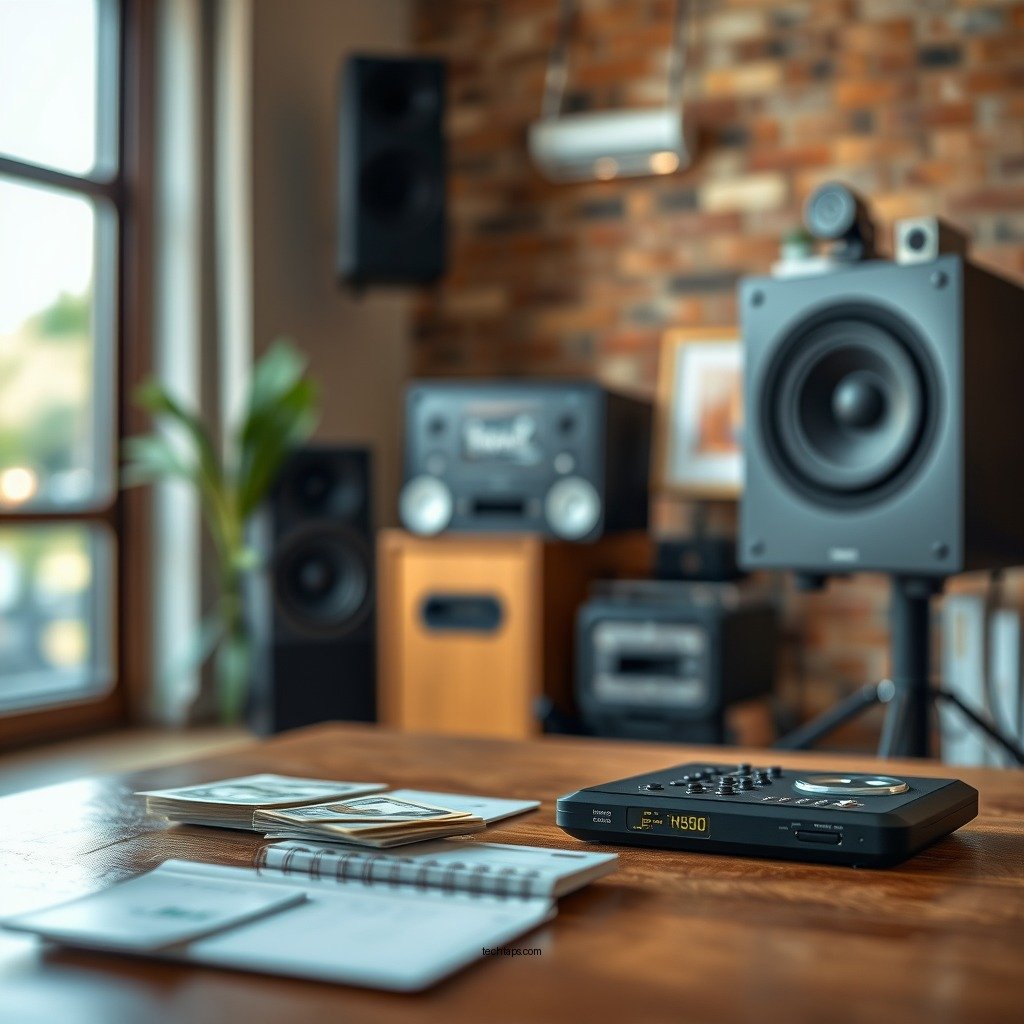
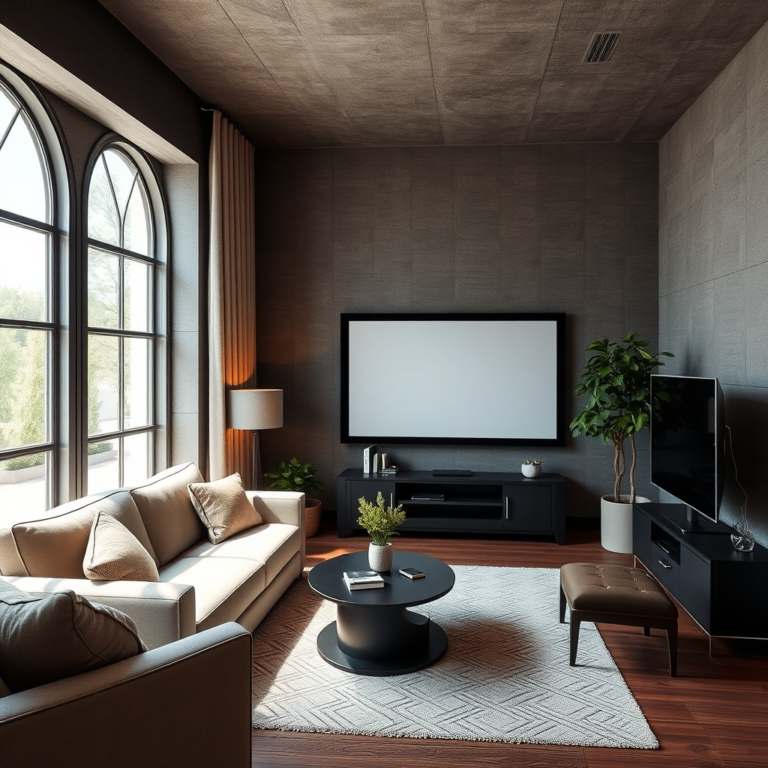
Before diving into purchases, it is crucial to identify the primary purpose of your audio system. Are you setting it up mainly for music enjoyment, movie watching, or gaming? Each application may require different specifications in terms of speakers, receivers, and other components. For instance, a home theater system might benefit from surround sound speakers, while a music-focused setup may prioritize high-fidelity stereo speakers.
Additionally, the size of your space plays a significant role in determining the audio setup. A small room will not require the same power or number of speakers as a larger space. Understanding how sound interacts with your environment can help you make informed decisions about what equipment will perform best.
Set a Realistic Budget
Establishing a budget is a fundamental step in building your audio system. Consider all essential components, which typically include a receiver or amplifier, speakers, and source devices like a turntable or streaming service subscription. It’s advisable to allocate funds wisely, emphasizing quality over quantity. Start by determining a total budget that you are comfortable with, and then break it down into categories. For example, you might decide to spend 50% of your budget on speakers, 30% on a receiver, and the remaining 20% on cables and other accessories.
Being realistic about what you can afford will prevent you from overspending and ensure you invest in the best components within your financial limits.
Choose the Right Components
Selecting the right components is critical to achieving an optimal audio experience. Start your research by looking for budget-friendly receivers or amplifiers that offer the features you need, such as Bluetooth connectivity or multiple HDMI inputs. Brands like Yamaha or Onkyo often provide excellent value for money.
Next, invest in quality speakers. Look for options that match your listening preferences and the type of music or media you enjoy. If you prefer deep bass, consider floor-standing speakers or subwoofers. For a more balanced sound, bookshelf speakers may suffice. It’s essential to read reviews and listen to demos when possible to ensure the speakers suit your taste.
Top 7 Budget Audio Components (2024)
| # | Component | Type | Price | Rating |
|---|---|---|---|---|
| 1 | Yamaha RX-V385 | Receiver | $279 | ★★★★☆ |
| 2 | Polk Audio T15 | Speakers | $149 | ★★★★☆ |
| 3 | Sony STR-DH190 | Receiver | $248 | ★★★★☆ |
| 4 | Klipsch R-41M | Speakers | $199 | ★★★★★ |
| 5 | Edifier R980T | Speakers | $99 | ★★★★☆ |
| 6 | Pioneer VSX-532 | Receiver | $299 | ★★★★☆ |
| 7 | Onkyo TX-8220 | Receiver | $299 | ★★★★☆ |
Opt for Affordable Sources
In today’s digital age, accessing high-quality audio content is easier than ever. Consider subscribing to streaming services like Spotify, Apple Music, or Tidal, which offer vast libraries of music at affordable rates. Many of these services provide high-resolution audio options, enhancing your listening experience without requiring significant investments in physical media.
If you prefer physical media, look into second-hand or refurbished options, which can offer substantial savings on quality equipment. Websites like eBay or local marketplaces often have great deals on used gear that perform well and come at a fraction of the retail price.
Optimize Your Setup
Once you have your components, proper setup is essential for optimal sound distribution. Position your speakers correctly; for example, speakers should be at ear level when seated, and equidistant from the listening position for a balanced soundstage. The room’s acoustics can significantly affect sound quality, so consider experimenting with speaker placement to find the sweet spot.
Additionally, using acoustic treatments such as foam panels or rugs can help absorb sound reflections and minimize echo. These treatments can be DIY-friendly and budget-conscious, making them an effective way to enhance your audio experience.
Learn About DIY Enhancements
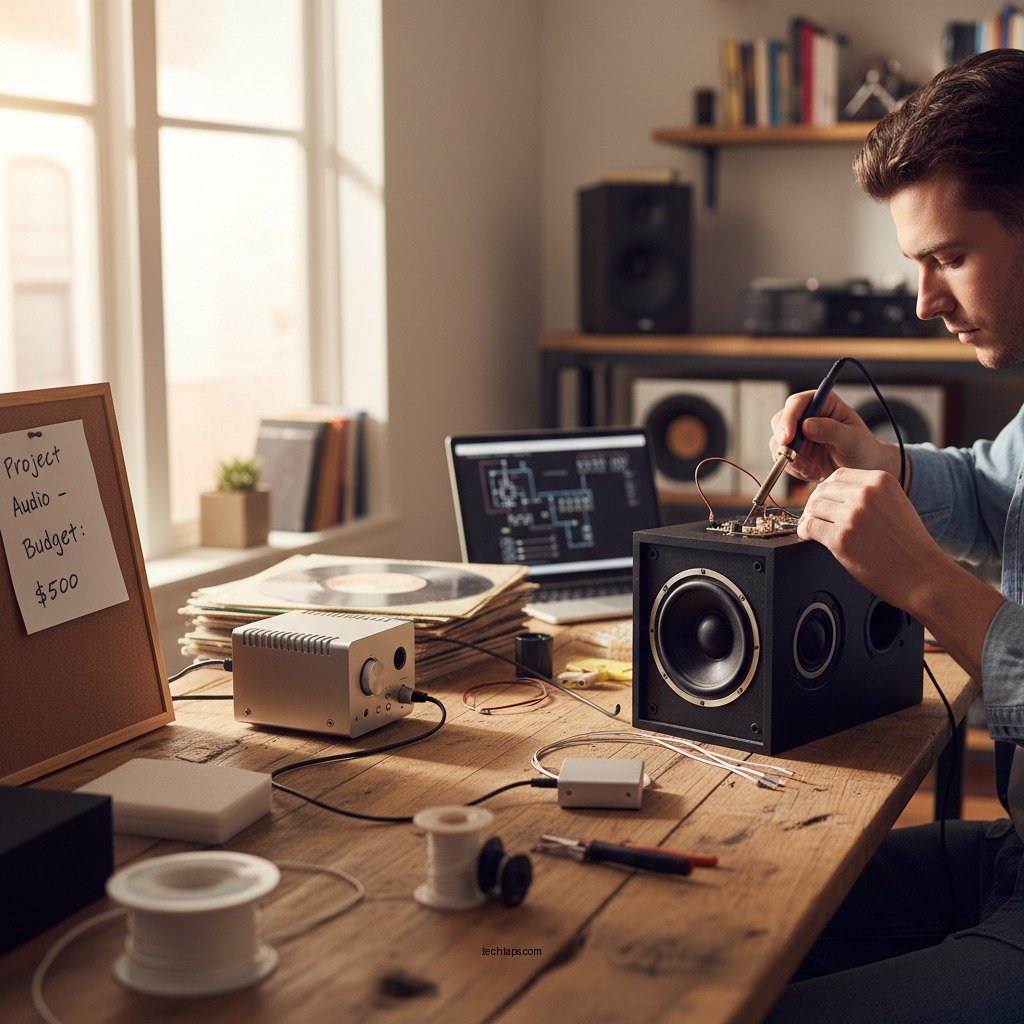
For audio enthusiasts willing to invest a little time and effort, there are several DIY enhancements that can significantly improve your system’s performance. Simple upgrades like investing in quality speaker stands can help position your speakers correctly and reduce unwanted vibrations.
Moreover, experimenting with various types of cables, such as upgrading to better quality speaker wire or interconnects, can yield noticeable improvements in sound clarity. Fine-tuning your receiver or amplifier settings, including adjusting equalizer settings, can also help you achieve the sound profile that best suits your preferences.
Maintain Your Audio System
To ensure your audio system continues to perform at its best, regular maintenance is necessary. This includes cleaning connections, checking for any loose wires, and ensuring that all components are functioning as they should. Dust build-up can impact sound quality, so consider cleaning your equipment periodically.
Furthermore, if your system includes digital components, stay updated with the latest software and firmware. Many manufacturers release updates that can enhance functionality or fix bugs, ensuring you get the most out of your investment.
By following these steps, you can successfully build a high-quality audio system that fits your budget. Start by assessing your needs and budget, then carefully select components that offer the best value. With a little research and creativity, you’ll enjoy a rich auditory experience without overspending.
Frequently Asked Questions
What are the essential components needed to build a high-quality audio system on a budget?
To build a high-quality audio system on a budget, you need a few essential components: a good set of speakers, an amplifier or receiver, and a digital source like a turntable or streaming device. Consider brands that offer quality at lower price points, such as Edifier for speakers or Yamaha for receivers. Focus on compatibility and ensure that the components work well together for optimal sound quality.
How can I choose budget-friendly speakers without compromising sound quality?
When selecting budget-friendly speakers, look for models that offer good reviews and are known for their sound quality, such as the Klipsch R-41M or the Polk Audio T15. Pay attention to features like frequency response and sensitivity, as these can impact audio performance. Listening to speakers in-store or checking out online demos can also help you make an informed decision.
Why is an amplifier important for my audio system, and how can I find an affordable option?
An amplifier is crucial as it boosts the audio signal from your source to your speakers, ensuring that the sound is clear and powerful. To find an affordable option, consider integrated amplifiers from brands like Cambridge Audio or Onkyo, which provide excellent value for money. Additionally, look for refurbished models or second-hand options to save even more while still achieving high-quality sound.
What are the best budget-friendly brands for building a high-quality audio system?
Some of the best budget-friendly brands for building a high-quality audio system include Pioneer, Audioengine, and JBL. These brands offer reliable performance and solid build quality at accessible prices. Research and read reviews to find the specific models that suit your preferences while staying within your budget.
Which budget streaming devices offer the best audio quality for my system?
For budget streaming devices that deliver excellent audio quality, consider options like the Chromecast Audio (if you can find one) or the Amazon Fire TV Stick with audio output capabilities. These devices support high-resolution audio streaming and are easy to integrate into your existing system. Always check for compatibility with your amplifier to ensure a seamless setup.
References
- https://www.audioholics.com/audio-video-reviews/how-to-build-a-budget-hi-fi-audio-system
https://www.audioholics.com/audio-video-reviews/how-to-build-a-budget-hi-fi-audio-system - https://www.hifiengine.com/manuals/
https://www.hifiengine.com/manuals/ - Google Scholar Google Scholar
https://scholar.google.com/scholar?q=How+to+Build+a+High-Quality+Audio+System+on+a+Budget - Google Scholar Google Scholar
https://scholar.google.com/scholar?q=Budget+Audio+System+Setup - Google Scholar Google Scholar
https://scholar.google.com/scholar?q=High-Quality+Audio+on+a+Budget - How to Build a High-Quality Audio System on a Budget – Search results
https://en.wikipedia.org/wiki/Special:Search?search=How+to+Build+a+High-Quality+Audio+System+on+a+Budget - https://www.ncbi.nlm.nih.gov/search/research-articles/?term=How+to+Build+a+High-Quality+Audio+System+on+a+Budget
https://www.ncbi.nlm.nih.gov/search/research-articles/?term=How+to+Build+a+High-Quality+Audio+System+on+a+Budget