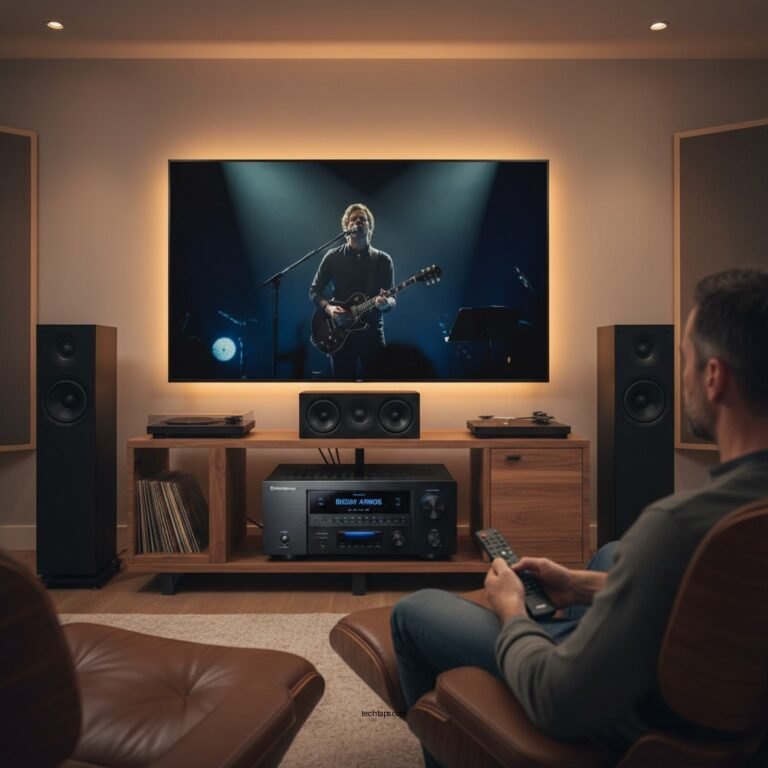

Creating a sustainable home audio system requires a careful selection of energy-efficient components and environmentally friendly materials, all while delivering high-quality sound. By prioritizing eco-conscious decisions, you can enjoy your music without compromising the planet. This guide will lead you through the process of choosing the right equipment, optimizing your audio setup for sustainability, and implementing responsible practices throughout.
Understanding Sustainable Audio Components

The backbone of any home audio system is its components, which can significantly impact energy consumption and environmental sustainability. When selecting devices, you should prioritize energy-efficient models. Look for audio components that carry the Energy Star rating, which indicates they meet strict energy efficiency guidelines set by the U.S. Environmental Protection Agency. This not only reduces your electricity bills but also lessens your overall carbon footprint.
Moreover, the materials used in audio equipment are crucial for sustainability. Opt for speakers made from sustainable materials such as bamboo, which is highly renewable, or recycled plastics, which help reduce waste. Brands like Mackie and Edifier offer eco-friendly speaker options that combine performance with sustainability. By choosing components made from responsibly sourced materials, you contribute to reducing the demand for virgin resources and support a circular economy.
Selecting Energy Sources

To further enhance the sustainability of your home audio system, consider the energy sources powering your devices. Solar-powered audio options, such as solar-powered Bluetooth speakers, can significantly reduce reliance on the traditional power grid. Products like the ECOXGEAR EcoBoulder offer solar charging capabilities, allowing you to enjoy your music while harnessing renewable energy.
Additionally, battery-operated devices can also be an excellent alternative. Look for systems that can be charged via renewable energy sources, such as solar panels or wind turbines. This approach not only promotes sustainability but also provides flexibility, enabling you to enjoy your audio experience in various settings, whether indoors or outdoors.
Optimizing Sound Quality Sustainably
Achieving high-quality sound while remaining sustainable is entirely feasible with modern technology. One way to enhance sound quality without excessive power consumption is by utilizing high-efficiency amplifiers. For instance, class D amplifiers are known for their ability to deliver superior sound while consuming significantly less power than traditional amplifiers.
Another effective strategy for optimizing sound quality is to position your speakers strategically within your space. Proper placement can enhance acoustics without the need for additional equipment, such as sound enhancers or external processors. For example, placing speakers at ear level and away from walls can reduce sound distortion and improve overall audio clarity.
Top Sustainable Audio Brands and Their Key Features
| # | Brand | Sustainability Rating | Energy Efficiency | Materials Used |
|---|---|---|---|---|
| 1 | Mackie | ★★★★☆ | High | Bamboo, Recycled Plastics |
| 2 | Edifier | ★★★★☆ | Very High | Recycled Materials |
| 3 | Bowers & Wilkins | ★★★★☆ | High | Sustainable Wood, Recycled Plastics |
| 4 | Sonos | ★★★★★ | Very High | Recycled PVC, Wood Fiber |
| 5 | JBL | ★★★☆☆ | Moderate | Recycled Materials |
| 6 | Bang & Olufsen | ★★★★★ | Very High | Sustainable Wood |
| 7 | Audioengine | ★★★★☆ | High | Recycled MDF |
Utilizing Smart Technology
Integrating smart technology into your audio system can significantly enhance its sustainability. Smart home systems that enable automated energy management are invaluable. For example, smart plugs can track energy consumption and schedule devices to run during off-peak hours, reducing your energy costs and environmental impact.
Moreover, utilizing mobile apps to control your audio system remotely can minimize energy waste. By allowing you to turn off devices when not in use or adjust settings based on occupancy, smart technology helps ensure that your system operates only when needed. Brands like Google Nest and Amazon Echo offer smart home integration that can seamlessly connect with your audio equipment for optimized energy management.
Smart Home Audio Systems Energy Consumption Comparison
Maintaining and Upgrading Your System
Maintaining your audio equipment is essential for longevity and performance. Regular cleaning and upkeep can prolong the life of your devices, ensuring they remain energy-efficient. Dust and debris can accumulate on speakers and components, affecting sound quality and efficiency. A simple routine of dusting your equipment and checking connections can go a long way.
When it comes to upgrades, consider enhancing individual components rather than replacing your entire system. For example, upgrading your speakers or amplifier can provide a significant boost in sound quality while keeping your existing setup intact. This approach not only saves money but also reduces waste, aligning with sustainable practices.
Recycling and Disposal Practices
As you build your sustainable audio system, it’s critical to consider the end of life for your equipment. Research local e-waste recycling programs to ensure that your old audio components are disposed of responsibly. Many electronics retailers and municipalities offer recycling programs that safely handle electronic waste, preventing harmful substances from entering landfills.
Additionally, consider donating or selling functioning components to extend their lifecycle. Platforms like eBay and Facebook Marketplace provide avenues to connect with individuals who can benefit from your unused audio gear. This practice not only keeps your equipment out of landfills but also promotes a culture of reuse and sustainability.
Creating an Eco-Friendly Listening Environment
The environment surrounding your audio setup can also embrace sustainability. Utilize sustainable materials for furniture and decor in your listening area. For instance, reclaimed wood or bamboo shelves not only provide a stylish solution but also contribute to reducing demand for new materials.
Incorporating plants into your audio environment enhances air quality and creates a more pleasant atmosphere for listening. Certain indoor plants, such as snake plants and peace lilies, are known for their air-purifying properties. Placing them near your audio setup can enhance your overall experience while supporting a healthier indoor environment.
Building a sustainable home audio system not only enhances your listening experience but also contributes positively to the environment. By focusing on energy efficiency, smart technology, and responsible practices, you can enjoy high-quality sound while minimizing your ecological footprint. Start making conscious choices today for a greener audio experience!
Frequently Asked Questions
What are the key components of a sustainable home audio system?
A sustainable home audio system typically includes energy-efficient speakers, amplifiers, and streaming devices that reduce power consumption. Additionally, consider using products made from eco-friendly materials and prioritize wireless systems to minimize the need for cables and reduce clutter.
How can I choose energy-efficient speakers for my audio system?
When selecting energy-efficient speakers, look for products with high energy ratings or those labeled as Energy Star certified. Additionally, consider investing in speakers that utilize advanced technology, such as Class D amplifiers, which provide high sound quality while consuming less power.
Why is it important to consider sustainability when building a home audio system?
Building a sustainable home audio system is important because it reduces your carbon footprint and minimizes environmental impact. By choosing energy-efficient components and sustainable materials, you contribute to a healthier planet while enjoying high-quality sound.
What are the best practices for setting up a sustainable home audio system?
Best practices for setting up a sustainable home audio system include optimizing your space for sound quality, using high-quality cables to reduce signal loss, and ensuring that all components are energy-efficient. Additionally, consider using smart technology to control your system and automatically optimize power usage.
Which brands are known for producing sustainable audio equipment?
Brands like Sonos, Bose, and JBL are recognized for their commitment to sustainability and energy-efficient audio equipment. Look for companies that prioritize eco-friendly manufacturing processes and offer recycling programs for old equipment to further enhance your sustainable audio setup.
References
- Home audio
https://en.wikipedia.org/wiki/Home_audio - https://www.sciencedirect.com/science/article/abs/pii/S2351978917301831
https://www.sciencedirect.com/science/article/abs/pii/S2351978917301831 - https://www.bbc.com/future/article/20200513-how-to-build-an-audio-system
https://www.bbc.com/future/article/20200513-how-to-build-an-audio-system - https://www.nature.com/articles/s41599-021-00790-6
https://www.nature.com/articles/s41599-021-00790-6 - Google Scholar Google Scholar
https://scholar.google.com/scholar?q=How+to+Build+a+Sustainable+Home+Audio+System - Google Scholar Google Scholar
https://scholar.google.com/scholar?q=Home+Audio+System+Sustainability - https://www.theguardian.com/sustainable-business/2018/jun/05/sustainable-audio-gear-what-to-consider
https://www.theguardian.com/sustainable-business/2018/jun/05/sustainable-audio-gear-what-to-consider - https://pubmed.ncbi.nlm.nih.gov/31282385/
https://pubmed.ncbi.nlm.nih.gov/31282385/ - https://www.nytimes.com/2020/01/22/realestate/home-theater-setup.html
https://www.nytimes.com/2020/01/22/realestate/home-theater-setup.html - https://www.britannica.com/technology/audio-system
https://www.britannica.com/technology/audio-system