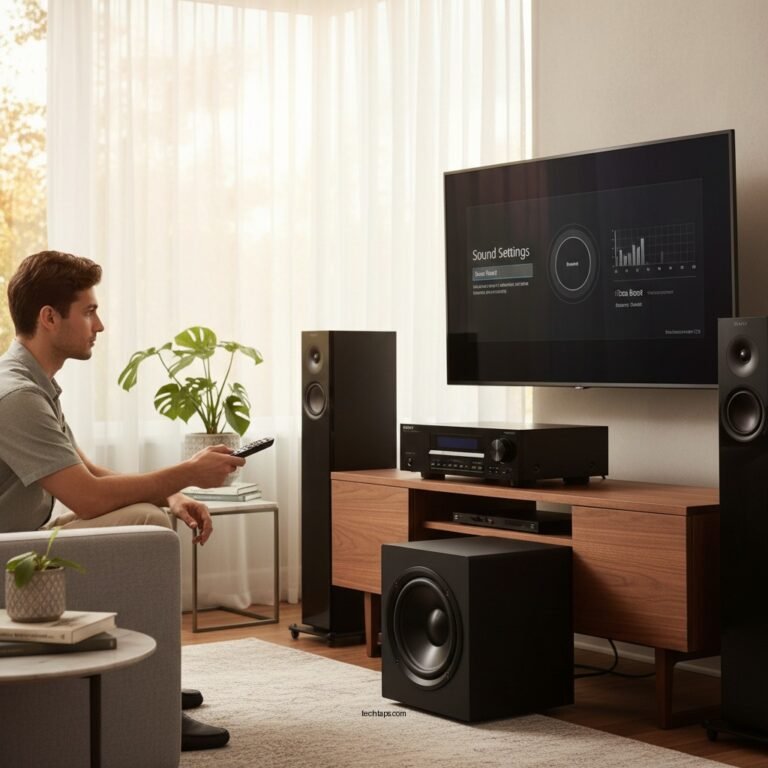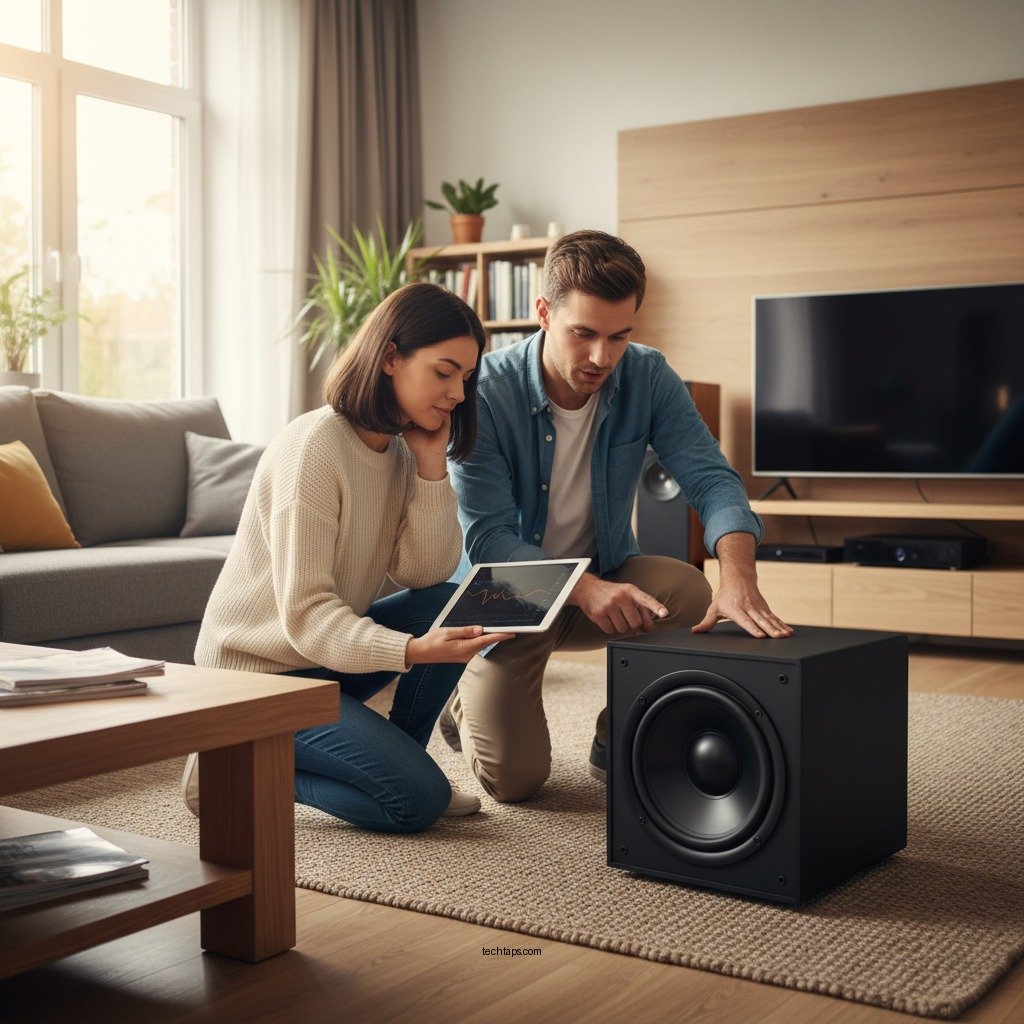

Choosing the right subwoofer is essential for delivering deep, impactful bass in your audio setup. To achieve the best results, it’s important to consider not just what kind of sound you desire, but also the space you have available and the specifications that will best meet your needs. This comprehensive guide will walk you through the key factors to consider when purchasing a subwoofer, ensuring that you make an informed decision for an enhanced audio experience.
Understanding Your Listening Environment
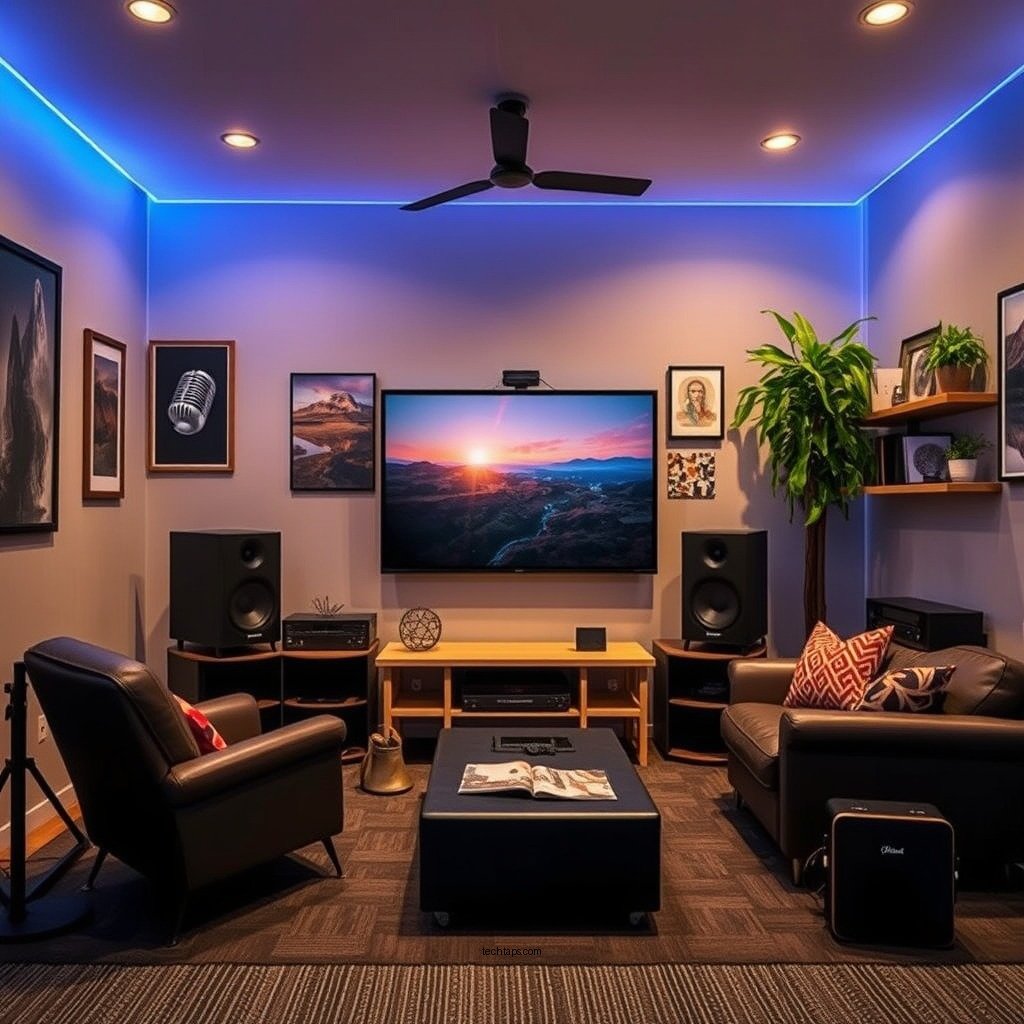
Before diving into the technical specifications of subwoofers, it is crucial to assess your listening environment. The size and acoustics of the room where the subwoofer will be placed significantly affect performance. A small room may not require a large subwoofer, while a larger space can benefit from more powerful models.
– Room Size: Measure the dimensions of your space. For smaller rooms (less than 200 square feet), a subwoofer with an 8-inch driver might suffice, whereas larger rooms may require 10-inch or even 12-inch drivers to fill the space adequately.
– Acoustic Treatment: Consider how sound waves interact with your room. Hard surfaces can lead to echo and distortion, while carpets and curtains can absorb sound, leading to a warmer audio experience.
Placement of the subwoofer is another critical factor. Ideal locations typically include corners or near walls, as they can enhance bass response. However, experimenting with different placements can help you find the sweet spot for optimal sound distribution.
Types of Subwoofers
When selecting a subwoofer, you will encounter two main types: powered and passive subwoofers.
– Powered Subwoofers: These come with built-in amplifiers, making them easier to set up and integrate into your audio system. Ideal for home theater setups, they require only a power outlet and a line-level connection.
– Passive Subwoofers: These do not have built-in amplification and require an external amplifier to function. They often provide greater flexibility and can be more powerful, making them suitable for professional audio setups or audiophiles.
Additionally, subwoofer designs such as front-firing and down-firing can affect sound output:
– Front-Firing Subwoofers: These direct sound forward and are typically more common in home theaters. They provide direct bass response and are easier to position.
– Down-Firing Subwoofers: These direct sound downward, which can enhance the feeling of bass in the room. They often work well in larger spaces and can be less prone to distortion.
Key Specifications to Consider
When evaluating subwoofers, several specifications are crucial for optimal bass performance:
– Wattage and RMS Power Ratings: Higher wattage usually indicates a more powerful subwoofer. Look for RMS (Root Mean Square) ratings, as these reflect the continuous power a subwoofer can handle without distortion. A typical range for home use might be between 100W to 500W.
– Frequency Response: This specification indicates the range of frequencies a subwoofer can reproduce. For deeper bass, consider models that can reach as low as 20 Hz. Lower frequency response can greatly enhance your listening experience for movies and music alike.
– Driver Size: The size of the subwoofer’s driver also plays a role in performance. Larger drivers can move more air, producing more powerful bass.
Here’s a visual representation of some common subwoofer specifications:
Top 7 Subwoofers by Performance Metrics (2023)
| # | Model | Driver Size | RMS Power (W) | Frequency Response (Hz) | Price ($) |
|---|---|---|---|---|---|
| 1 | SVS SB-2000 Pro | 12″ | 500 | 20-240 | $1,199 |
| 2 | Klipsch R-120SW | 12″ | 400 | 29-120 | $599 |
| 3 | Yamaha NS-SW300 | 10″ | 250 | 28-200 | $499 |
| 4 | BIC America F12 | 12″ | 150 | 25-200 | $299 |
| 5 | Polk Audio PSW10 | 10″ | 100 | 35-200 | $169 |
| 6 | Cerwin-Vega SL-12 | 12″ | 300 | 25-150 | $399 |
| 7 | JBL Stage A120P | 12″ | 200 | 35-200 | $249 |
Connectivity Options
The connectivity options available for your subwoofer can greatly affect its usability within your audio setup. Here are some common connection types:
– RCA Connections: Most powered subwoofers will use RCA connections for easy integration with AV receivers. Look for subwoofer outputs labeled as “LFE” or “sub out” on your receiver.
– Speaker Wire Connections: Passive subwoofers typically use speaker wire connections. Ensure your amplifier has enough power to drive the subwoofer to avoid distortion.
– Wireless Options: Some modern subwoofers offer wireless connectivity, allowing for flexibility in placement without the clutter of wires. Ensure that your audio system is compatible with wireless technology if you opt for this feature.
When choosing connectivity options, consider whether the subwoofer will be part of a home theater system or a music-focused setup. This distinction can influence the type of connections you need.
Budget Considerations
Establishing a budget is a key part of the buying process. While it might be tempting to go for the cheapest option, investing a bit more can often yield significantly better performance.
– Setting a Budget: Determine how much you are willing to spend before you start shopping. Subwoofers can range from as low as $150 to over $1,500, depending on features and performance capabilities.
– Research: Look into options that fit within your budget while still offering quality sound. Reading reviews and comparisons can help you find the best value for your money.
Keep in mind that higher price does not always equate to better performance. Understanding your specific needs and carefully evaluating your options will lead to the best purchase decision.
Brand and Model Recommendations
Several brands are well-known for producing high-quality subwoofers. Here are a few reputable options:
– SVS: Renowned for their powerful and precise subwoofers that cater to both music and home theater enthusiasts.
– Klipsch: Offers a solid range of subwoofers known for their efficiency and dynamic sound, suitable for various setups.
– Polk Audio: Known for their affordability and good performance, making them a popular choice for budget-conscious consumers.
When comparing models, take the time to review user feedback and professional assessments. This can provide insight into reliability, sound quality, and overall satisfaction from real-world users.
Installation Tips
Proper installation is crucial for getting the most out of your subwoofer. Here are some tips:
– Basic Setup Process: Start by connecting your subwoofer using the appropriate cables. If it’s a powered model, plug it into an electrical outlet and connect it to your audio receiver.
– Calibration: Many modern subwoofers come with automated calibration tools that help optimize sound for your room’s acoustics. Follow the manufacturer’s instructions for calibration to ensure the best performance.
– Professional Installation: If you’re unfamiliar with audio equipment, consider hiring a professional for installation. This can save time and ensure that your system is set up correctly for optimal performance.
Summarizing the key aspects of buying a subwoofer will guide you in making an informed decision that enhances your audio experience. Take the time to research and compare options based on your specific needs, and don’t hesitate to reach out to audio professionals for further assistance. Happy listening!
Frequently Asked Questions
What should I consider when choosing a subwoofer for home theater use?
When selecting a subwoofer for home theater, consider factors like room size, subwoofer type (active or passive), and your preferred sound profile. Look for a subwoofer with a frequency response of 20Hz to 200Hz for optimal bass impact and ensure it has enough power (measured in watts) to fill your space without distortion.
How do I determine the right size subwoofer for my needs?
The right size subwoofer largely depends on your room’s dimensions and your listening preferences. Generally, a larger subwoofer (12 inches or more) can produce deeper bass and is ideal for larger rooms, while smaller models (8-10 inches) work well in compact spaces. Always balance size with the power output to ensure maximum bass impact.
Why is the placement of a subwoofer important for bass performance?
Subwoofer placement significantly affects bass performance due to the way sound waves interact with room acoustics. Placing the subwoofer in a corner can enhance bass response, but it may also lead to muddiness. Experimenting with different locations is crucial to find the sweet spot that provides the best bass clarity and impact.
What are the best brands of subwoofers for deep bass?
Some of the best brands known for producing high-quality subwoofers with deep bass include SVS, Klipsch, and Polk Audio. These brands offer a variety of models that cater to different budgets and preferences, ensuring you can find a subwoofer that delivers powerful bass without sacrificing sound quality.
Which features should I look for in a subwoofer for maximum bass impact?
Look for features like adjustable crossover settings, phase control, and built-in EQ to tailor the bass response to your room and preferences. Additionally, consider a subwoofer with a high-quality amplifier and a ported design for enhanced bass extension, which can significantly improve your overall audio experience.
References
- https://en.wikipedia.org/wiki/Subwoofer
https://en.wikipedia.org/wiki/Subwoofer - https://www.bbc.com/future/article/20200303-how-to-choose-the-best-subwoofer-for-your-home-cinema
https://www.bbc.com/future/article/20200303-how-to-choose-the-best-subwoofer-for-your-home-cinema - https://www.sciencedirect.com/topics/engineering/subwoofer
https://www.sciencedirect.com/topics/engineering/subwoofer - https://www.nature.com/articles/s41598-019-44099-9
https://www.nature.com/articles/s41598-019-44099-9 - Google Scholar Google Scholar
https://scholar.google.com/scholar?q=how+to+buy+a+subwoofer+for+maximum+bass+impact - Google Scholar Google Scholar
https://scholar.google.com/scholar?q=subwoofer+buying+guide - Google Scholar Google Scholar
https://scholar.google.com/scholar?q=bass+impact+subwoofer+performance - https://www.britannica.com/art/sound-system
https://www.britannica.com/art/sound-system - https://pubmed.ncbi.nlm.nih.gov/29289522/
https://pubmed.ncbi.nlm.nih.gov/29289522/ - https://www.soundsystemsecrets.com/subwoofers.html
https://www.soundsystemsecrets.com/subwoofers.html