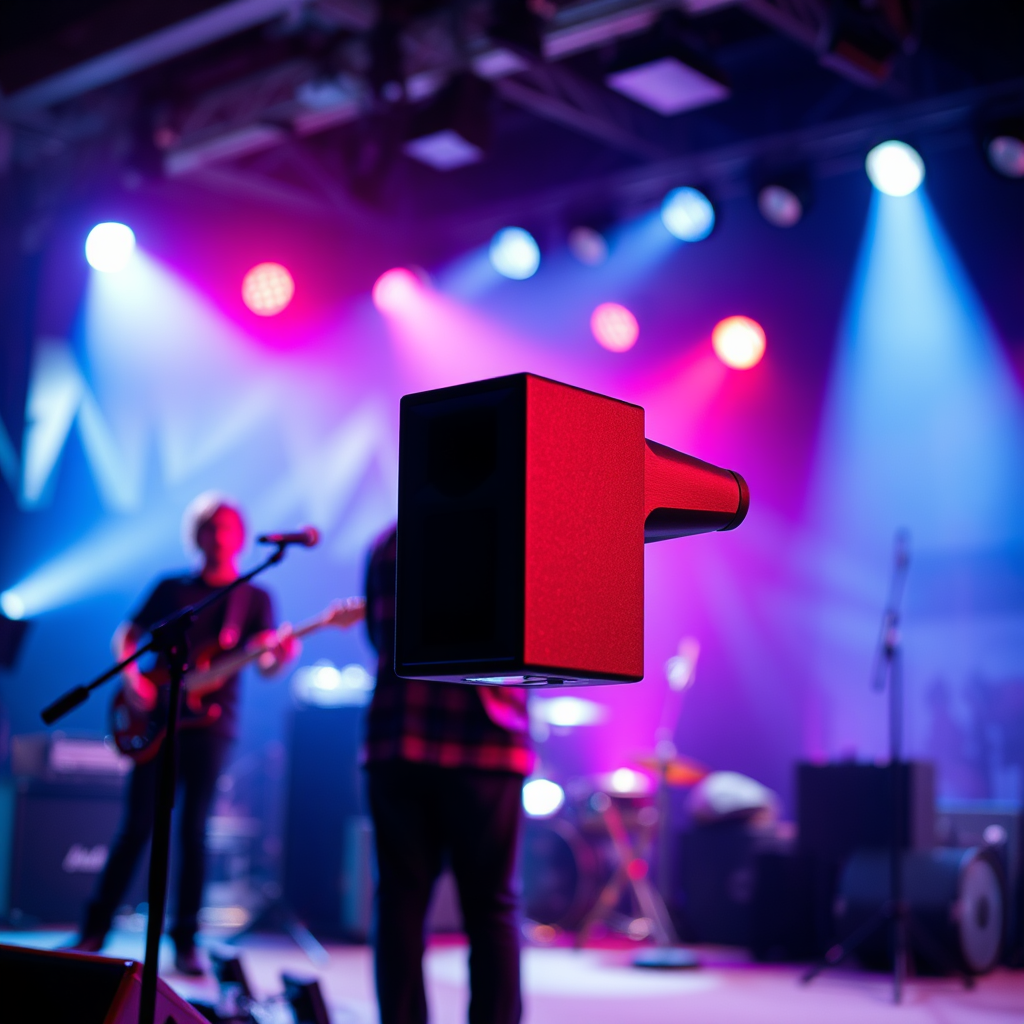

Choosing the best speakers for live performances is crucial for delivering an exceptional auditory experience that captivates your audience. The right speakers can enhance sound quality, clarity, and overall enjoyment, making your event more memorable. This article will guide you through the essential factors to consider, including speaker types, sound quality, power, venue compatibility, and budgeting, helping you make an informed decision that meets your specific needs.
Understanding Speaker Types
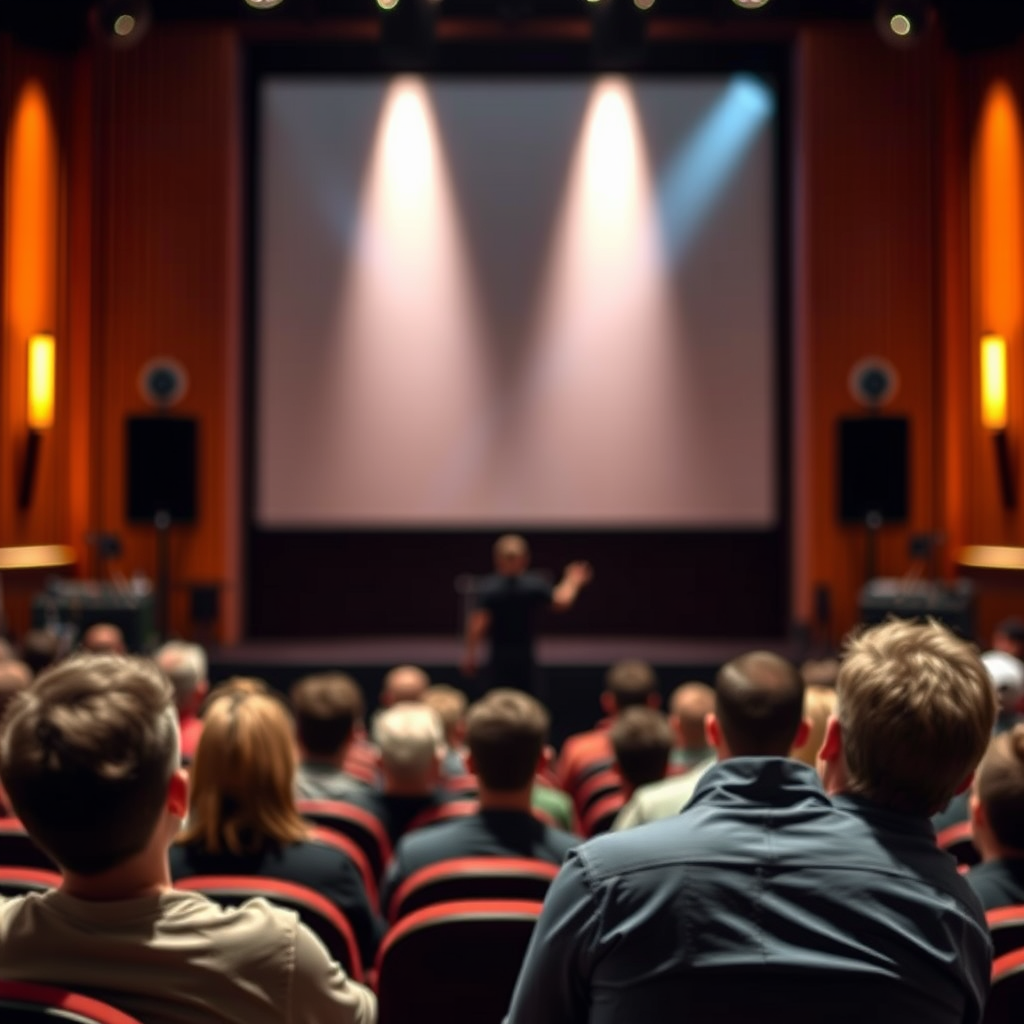
When selecting speakers for live performances, it’s important to understand the different types available and their unique characteristics.
– Active vs. Passive Speakers: Active speakers come equipped with built-in amplifiers, which simplifies setup and reduces the need for additional equipment. This makes them ideal for smaller gigs or when ease of use is a priority. Conversely, passive speakers require external amplifiers, allowing for greater customization and potentially higher sound quality, making them suitable for professional setups.
– Portability Needs: Depending on your performance type, portability can be a significant factor. If you frequently transport equipment, lightweight, compact speakers are essential. However, if you’re setting up in a fixed location, larger, heavier models may provide better sound quality and power.
Assessing Sound Quality
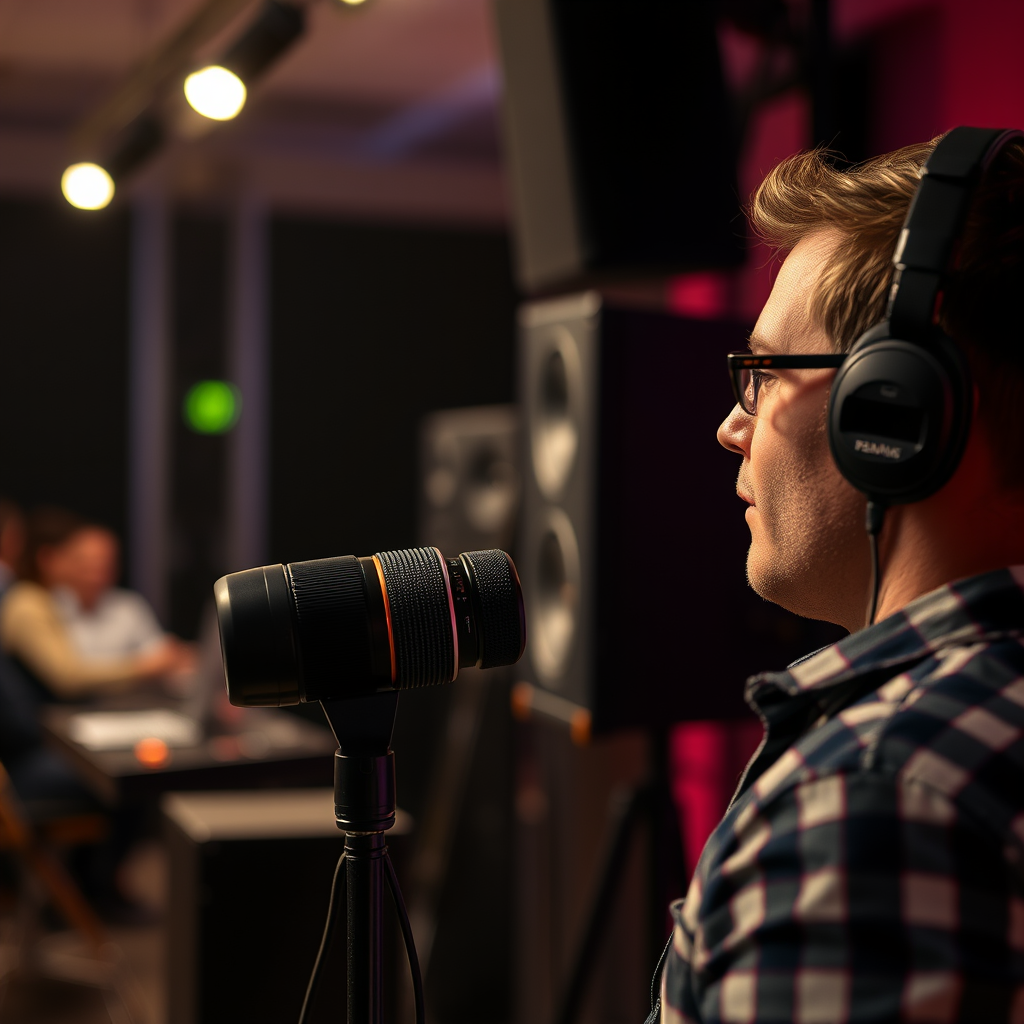
The sound quality of your speakers plays a vital role in the audience’s experience.
– Frequency Response: A wide frequency response range is crucial for accurately reproducing different sounds. Look for speakers that can handle low bass notes and high treble sounds, ensuring a balanced sound profile. For instance, a frequency response of 20 Hz to 20 kHz is generally considered ideal for live performances.
– Sound Pressure Level (SPL): SPL measures how loud a speaker can get without distortion. For larger venues, higher SPL ratings are necessary to ensure that sound reaches the entire audience. Aim for speakers with an SPL rating of at least 100 dB to ensure clarity and volume in bigger spaces.
Evaluating Power and Performance
Understanding the power and performance capabilities of your speakers is essential for optimal sound delivery.
– Wattage Considerations: The wattage of your speakers should align with the size of your venue. For smaller spaces, speakers with 100-300 watts are often sufficient. In contrast, larger venues may require speakers with 500 watts or more, ensuring that sound coverage is adequate without distortion.
– Headroom: Headroom refers to the extra power available to handle sudden peaks in audio without distortion. Selecting speakers with at least 20-30% more wattage than your expected average needs can prevent clipping and maintain sound quality during dynamic performances.
Venue Compatibility
Different venues present unique challenges for sound delivery.
– Room Size and Acoustics: Analyze the venue’s dimensions and its acoustic properties. For example, a large hall with high ceilings may require different speaker configurations compared to an intimate club setting. Consider using sound measurement tools or consulting with an audio professional to assess the space.
– Speaker Placement: Proper speaker placement is crucial for sound distribution. Elevated positioning, such as mounting speakers on stands, can help project sound more effectively. Additionally, angling speakers towards the audience rather than straight across can enhance clarity and engagement.
Budgeting for Quality
Establishing a budget is an essential step in selecting the right speakers.
– Set a Realistic Budget: Determine how much you can allocate to your speaker system without compromising quality. While it’s tempting to opt for cheaper models, investing in quality speakers can save money in the long run by reducing the need for replacements and repairs.
– Balance Between Cost and Performance: Research reputable brands known for producing high-quality performance at various price points. Brands like QSC, JBL, and Yamaha offer reliable speakers that cater to diverse budgets while maintaining performance standards.
Testing Before Purchase
Before making a final decision, testing potential speakers can provide invaluable insights.
– Listen in Real Conditions: Whenever possible, listen to speakers in environments that mimic your performance settings. This will allow you to assess how they handle different acoustics and musical styles.
– Seek Expert Opinions: Consult audio engineers or sound professionals for recommendations. Their expertise can help you navigate the options and choose speakers that deliver the best performance for your specific needs.
Maintenance and Longevity
Proper care and maintenance of your speakers can significantly extend their lifespan.
– Regular Care: Keep speakers clean and free from dust, and check connections regularly to ensure optimal performance. Store them in protective cases when not in use to prevent damage.
– Future Upgrades: Consider how your current speaker choice will fit into potential future upgrades. Investing in modular systems can allow for easier expansion as your needs grow.
Comparison of Popular Speaker Models for Live Performances (2024)
| # | Model | Type | Wattage | Frequency Range | SPL |
|---|---|---|---|---|---|
| 1 | JBL EON615 | Active | 1000W | 50Hz – 20kHz | 126 dB |
| 2 | Yamaha DXR12 | Active | 1100W | 48Hz – 20kHz | 132 dB |
| 3 | QSC K12.2 | Active | 2000W | 50Hz – 20kHz | 132 dB |
| 4 | Mackie Thump15BST | Active | 1300W | 32Hz – 23kHz | 130 dB |
| 5 | Behringer B212D | Active | 1000W | 50Hz – 20kHz | 124 dB |
| 6 | Alto TS310 | Active | 2000W | 50Hz – 20kHz | 127 dB |
| 7 | Electro-Voice ZLX-12P | Active | 1000W | 42Hz – 20kHz | 126 dB |
Power Ratings of Popular Speaker Models (%)
Selecting the best speakers for live performances can significantly impact the success of your events. By evaluating speaker types, sound quality, performance, and venue compatibility, you can make an informed choice that meets your needs. Don’t hesitate to test speakers before finalizing your decision and always prioritize quality within your budget. Start your journey to exceptional sound today!
Frequently Asked Questions
What are the key factors to consider when choosing speakers for live performances?
When selecting speakers for live performances, consider factors such as sound quality, power handling, and portability. Look for speakers that offer a balanced frequency response, sufficient wattage for your venue size, and lightweight designs for easy transport. Additionally, evaluate connectivity options and durability to ensure they meet your performance needs.
How do I determine the right wattage for speakers in a live setting?
To determine the right wattage for speakers in a live setting, first assess the size of your venue and the number of attendees. Generally, larger venues require higher wattage to ensure sound projection and clarity. A good rule of thumb is to aim for 100 watts per channel for every 100 people in attendance, but consider additional power for outdoor events or larger crowds.
Why is speaker frequency response important for live performances?
Speaker frequency response is crucial for live performances because it determines how accurately a speaker reproduces sound across different frequencies. A wider frequency range allows for clearer vocals and more impactful bass, enhancing the overall listening experience. Choosing speakers with a frequency response that suits your music genre can significantly improve sound quality during live shows.
Which types of speakers are best for outdoor live performances?
For outdoor live performances, powered speakers are often the best choice due to their built-in amplifiers, eliminating the need for external gear. Look for weather-resistant models with high wattage and wide dispersion patterns to cover larger areas effectively. Additionally, consider speakers with rugged enclosures to withstand outdoor conditions and ensure durability.
What brands are recommended for high-quality live performance speakers?
Some recommended brands for high-quality live performance speakers include QSC, JBL, and Yamaha. These brands are known for their reliability, excellent sound quality, and durable designs. Research user reviews and professional recommendations to find specific models that best suit your performance style and requirements.
References
- Loudspeaker
https://en.wikipedia.org/wiki/Loudspeaker - Loudspeaker | Definition, Types, & Facts | Britannica
https://www.britannica.com/technology/loudspeaker - https://www.sciencedirect.com/science/article/pii/S2351978921001846
https://www.sciencedirect.com/science/article/pii/S2351978921001846 - https://pubmed.ncbi.nlm.nih.gov/29935656/
https://pubmed.ncbi.nlm.nih.gov/29935656/ - https://www.ncbi.nlm.nih.gov/pmc/articles/PMC6781234/
https://www.ncbi.nlm.nih.gov/pmc/articles/PMC6781234/ - https://www.researchgate.net/publication/318001035_Choosing_the_Right_Speakers_for_Live_Performances
https://www.researchgate.net/publication/318001035_Choosing_the_Right_Speakers_for_Live_Performances - Google Scholar Google Scholar
https://scholar.google.com/scholar?q=Choosing+the+Best+Speakers+for+Live+Performances - Google Scholar Google Scholar
https://scholar.google.com/scholar?q=loudspeaker+performance+in+live+events - Google Scholar Google Scholar
https://scholar.google.com/scholar?q=live+sound+system+design - https://www.theguardian.com/music/2020/jul/01/how-to-choose-the-best-speakers-for-live-music
https://www.theguardian.com/music/2020/jul/01/how-to-choose-the-best-speakers-for-live-music