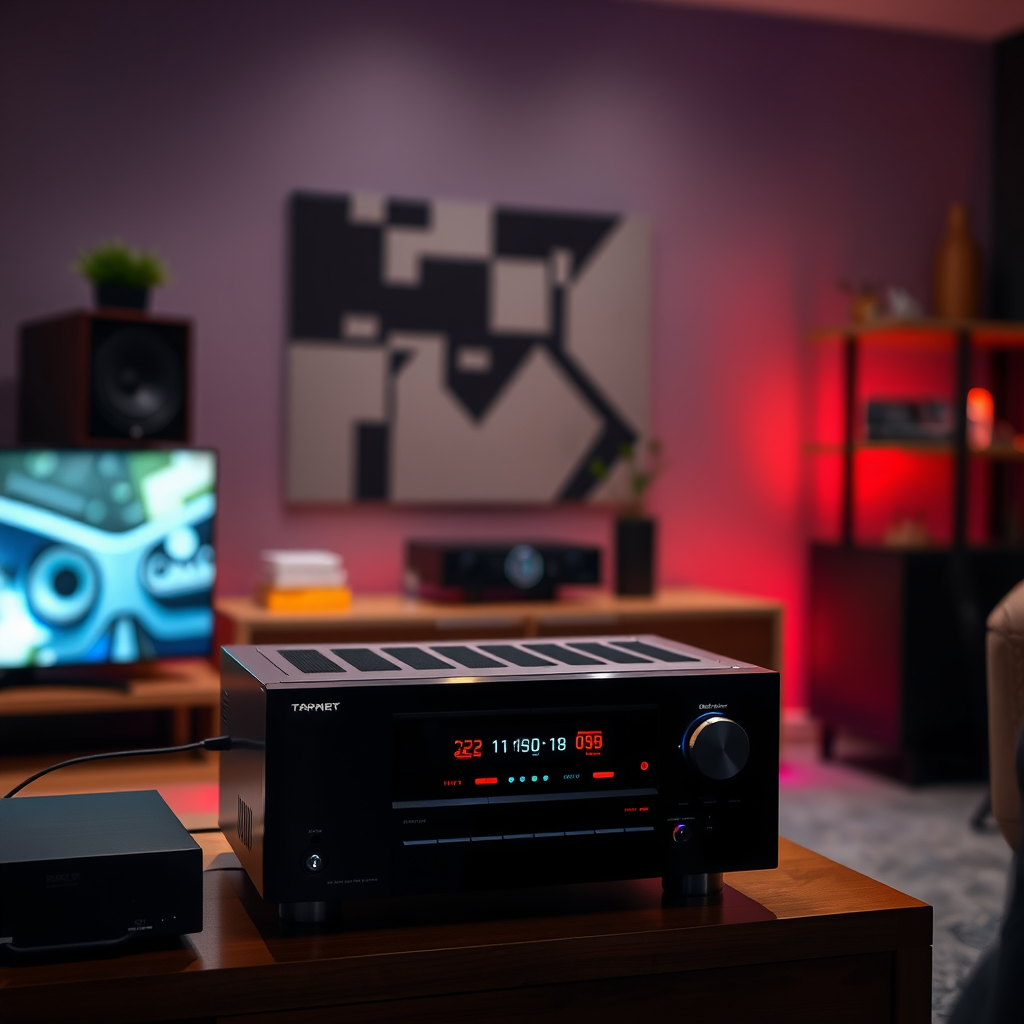

Choosing the right AV receiver for your sound system is crucial to achieving the best audio experience possible. To make the right choice, you should assess your audio needs, ensure compatibility with your existing gear, and identify the features that matter most to you. In this article, we’ll guide you through these essential considerations, helping you find the perfect AV receiver to elevate your sound system.
Understanding Your Audio Needs
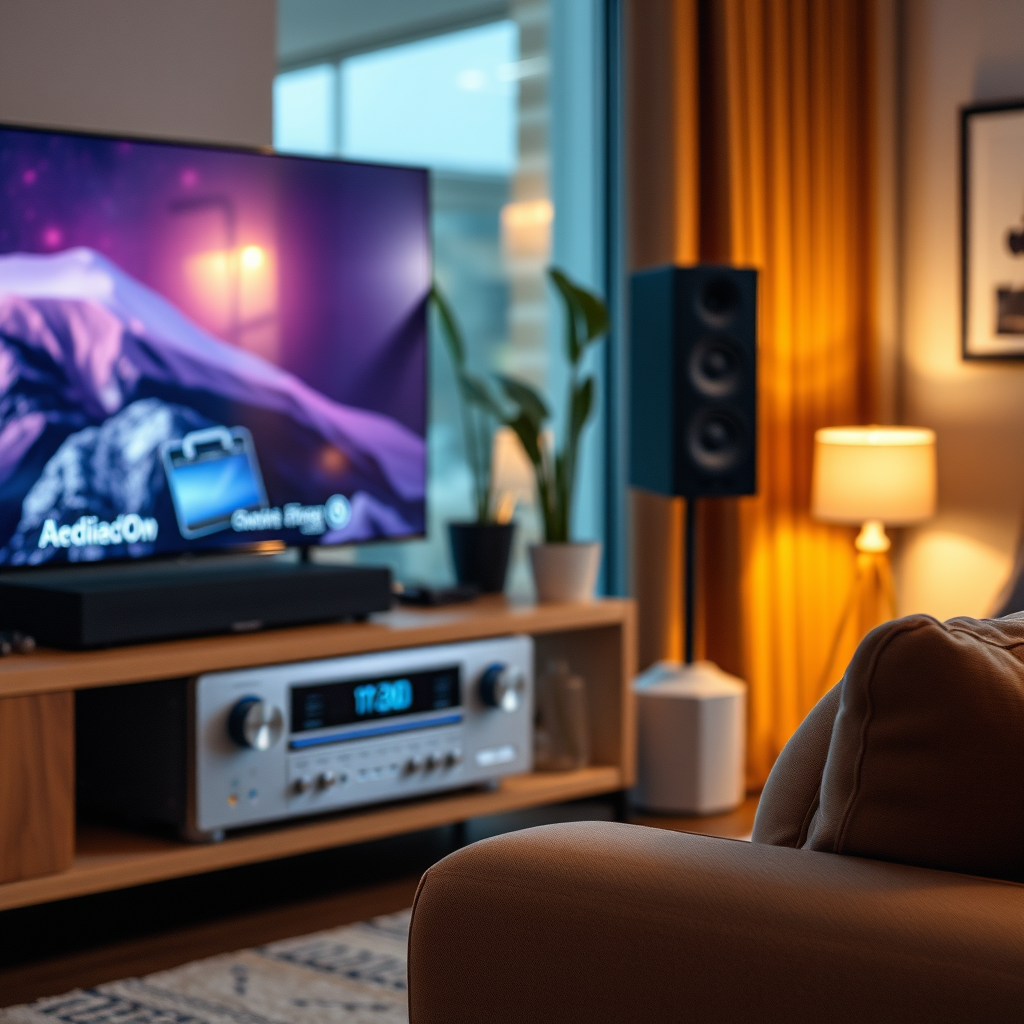
The first step in selecting an AV receiver is to clearly identify how you plan to use it. Are you a movie buff who revels in immersive soundscapes, a music enthusiast who craves high-fidelity audio, or a gamer seeking an edge with spatial audio? Each use case demands different features. For instance, if you primarily watch movies, you might want an AV receiver that supports advanced audio formats like Dolby Atmos or DTS:X, which create a three-dimensional sound experience that brings action scenes to life.
When considering your preferred audio formats, think about what you enjoy most. If you listen to music, you might want a receiver that supports high-resolution audio formats such as FLAC or DSD. On the other hand, gamers might prioritize features like low latency and VRR (Variable Refresh Rate) support for a smoother experience. Understanding your audio needs will help you narrow down your options and find a receiver that truly enhances your listening experience.
Compatibility with Existing Equipment
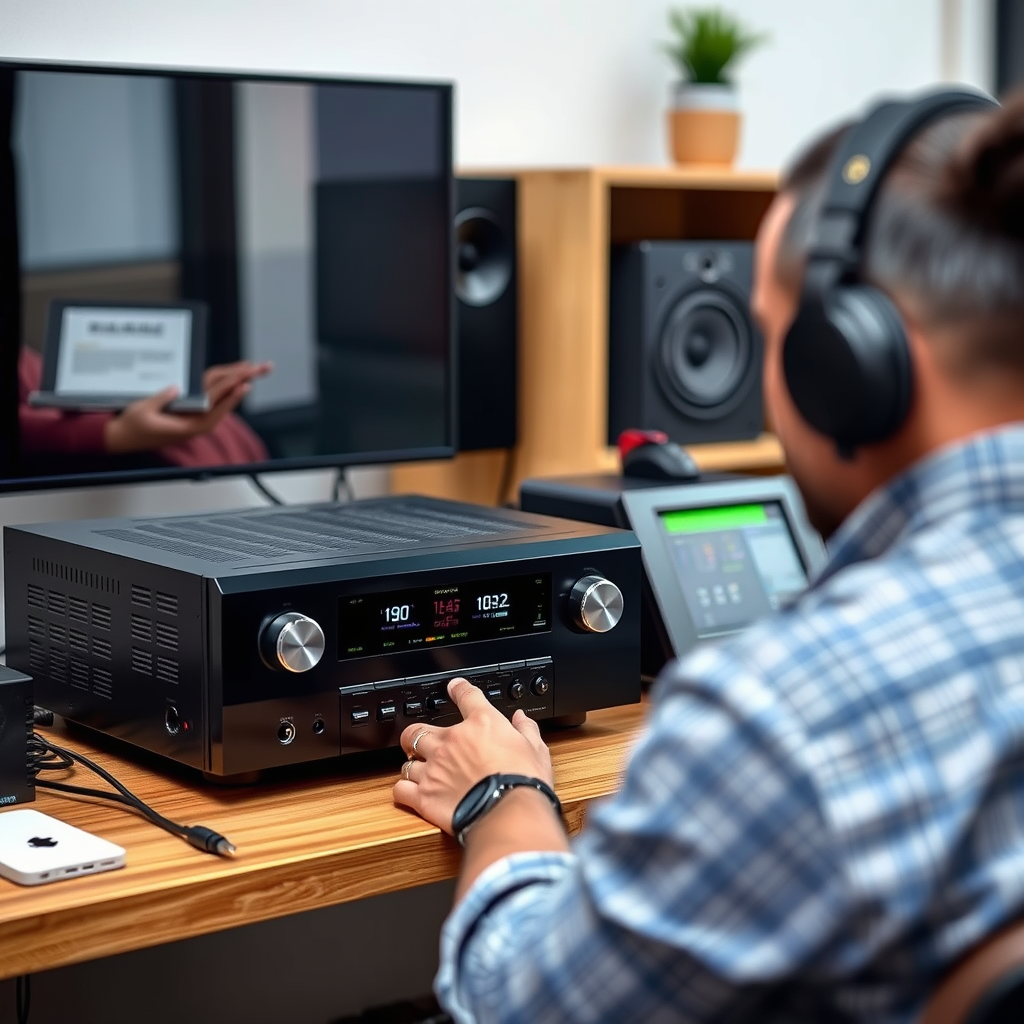
Next, take a close look at the compatibility of the AV receiver with your existing audio and video equipment. Make a list of all devices you plan to connect, including your TV, speakers, gaming consoles, and streaming devices. Check the number and types of inputs and outputs required for these devices. Most modern AV receivers offer HDMI inputs, but if you have older equipment, you might need analog or optical inputs as well.
Additionally, it’s essential to ensure that your receiver is compatible with your speakers and other components. For instance, some receivers are optimized for specific speaker configurations, such as 5.1 or 7.1 systems. If you have a set of high-impedance speakers, look for a receiver that can handle their power requirements without distortion. By ensuring compatibility, you’ll set the stage for optimal audio performance.
Key Features to Consider
Now that you’ve established your audio needs and compatibility, it’s time to explore the features that can enhance your listening experience. One popular feature to look for is streaming capabilities, which allow you to access music from platforms like Spotify, Tidal, or Apple Music directly through the receiver. Many models also support multi-room audio, enabling you to play different music in different rooms or synchronize audio throughout your home.
Built-in equalizers can help you fine-tune sound to match your preferences or room acoustics. Moreover, consider the power output of the receiver; a higher wattage generally means better sound quality and volume levels. Pay attention to speaker impedance as well; matching the receiver’s power output with your speakers’ impedance will ensure you get the best sound without damaging your equipment. By focusing on these key features, you can select a receiver that meets your specific needs.
Room Size and Acoustics
The size and acoustics of your room play a significant role in determining the best AV receiver for your sound system. A large living room may require a more powerful receiver with multiple channels to fill the space with sound effectively. Conversely, a smaller room might benefit from a more compact receiver that doesn’t overwhelm the space.
Additionally, consider the acoustics of your room. Hard surfaces like tile and glass can create echoes, while soft furnishings can absorb sound. If your room has poor acoustics, you might want to invest in acoustic treatments, such as sound-absorbing panels or rugs, to enhance your audio experience further. By assessing these factors, you can choose a receiver that works harmoniously with your space.
Budget Considerations
When it comes to selecting an AV receiver, your budget will undoubtedly influence your options. Setting a realistic budget is crucial; it allows you to balance desired features with performance without overspending. Determine what features are essential for you and which ones are nice to have, then create a budget that reflects those priorities.
Research different brands and models within your price range. Many reputable brands offer a variety of receivers at different price points, so you’ll likely find something that meets your needs without breaking the bank. Additionally, consider looking for sales or discounts, especially during holiday seasons, which can help you get a higher-quality receiver for a lower price. By being budget-conscious, you can find a receiver that doesn’t compromise on quality.
Brand Reputation and Reviews
Brand reputation is another essential factor to consider when choosing an AV receiver. Some brands are renowned for their quality and reliability, such as Denon, Yamaha, Marantz, and Onkyo. Researching these brands can give you a good starting point in your search.
Reading user reviews and expert evaluations can provide valuable insights into the performance and reliability of specific models. Look for feedback on sound quality, ease of setup, and customer support experiences. Websites like CNET or What Hi-Fi? often provide in-depth reviews that can help you gauge how different receivers stack up against one another. This research will empower you to make a well-informed decision based on real-world experiences.
Future-Proofing Your Purchase
Finally, consider future-proofing your AV receiver purchase. Technology in the audio and video space evolves rapidly, and you’ll want a receiver that can adapt to new advancements. Look for receivers with upgradeable firmware, which allows you to install updates as new features or formats become available.
Additionally, pay attention to features like HDMI 2.1 support, which is essential for 8K video and advanced gaming features. Investing in a receiver with these capabilities can save you from needing to upgrade again soon, ensuring you enjoy the latest technology without hassle.
Choosing the right AV receiver can significantly enhance your audio experience, making it essential to evaluate your needs and preferences carefully. By considering the factors outlined in this article, you’ll be better equipped to select an AV receiver that meets your expectations and elevates your sound system. Don’t hesitate to explore options, read reviews, and ask for recommendations to ensure you make the best choice for your home audio setup. Happy listening!
Frequently Asked Questions
What features should I look for in an AV receiver for my sound system?
When choosing an AV receiver, prioritize features that enhance your audio and video experience, such as the number of HDMI inputs and outputs, support for the latest audio formats like Dolby Atmos and DTS:X, and built-in streaming capabilities. Additionally, consider whether the receiver supports 4K video passthrough and HDR for high-definition viewing. User-friendly interfaces and room calibration technology can also significantly improve your setup.
How do I determine the right power rating for my AV receiver?
The power rating of an AV receiver, measured in watts per channel, is crucial for optimal performance in your sound system. A good rule of thumb is to look for a receiver that provides 20 watts per channel for smaller rooms and 100 watts for larger spaces. Ensure the receiver’s power rating matches your speakers’ capabilities to avoid distortion at higher volumes while delivering sufficient sound quality for your needs.
Why is the number of channels important when selecting an AV receiver?
The number of channels in an AV receiver determines how many speakers you can connect and how immersive your sound experience will be. Typical configurations include 5.1, 7.1, or even 9.2 channels, where the first number indicates the number of main speakers and the second indicates the number of subwoofers. Opting for a receiver with more channels allows for a more surround sound experience, especially in home theater setups.
What is the best AV receiver brand for home theater systems?
The best AV receiver brand often comes down to personal preference and specific needs, but top contenders include Denon, Yamaha, and Onkyo for their reliability and feature-rich products. Each brand offers a range of models catering to different budgets and audio preferences, making it essential to read reviews and compare features. Ultimately, choose a brand that aligns with your priorities in sound quality, connectivity, and support.
Which AV receiver is the best for beginners setting up a sound system?
For beginners, the best AV receiver is one that offers a balance of user-friendliness, essential features, and good sound quality without overwhelming complexity. Models like the Yamaha RX-V385 or Denon AVR-S540BT are excellent choices, as they provide easy setup guides, built-in Bluetooth for streaming, and support for basic surround configurations. Look for receivers with intuitive interfaces and good customer support to help you through your first audio installation.
References
- https://en.wikipedia.org/wiki/Audio_video_receiver
- https://www.cnet.com/topics/home-audio/best-home-audio-systems/
- https://www.techhive.com/article/3294360/how-to-buy-the-right-av-receiver.html
- https://www.soundandvision.com/content/how-choose-right-av-receiver
- https://www.tomsguide.com/how-to/how-to-choose-an-av-receiver
- https://www.crutchfield.com/S-6lq5i3V0d9v/learn/how-to-choose-an-av-receiver.html
- https://www.whathifi.com/advice/how-to-choose-an-av-receiver
- https://www.digitaltrends.com/home-theater/how-to-choose-an-av-receiver/