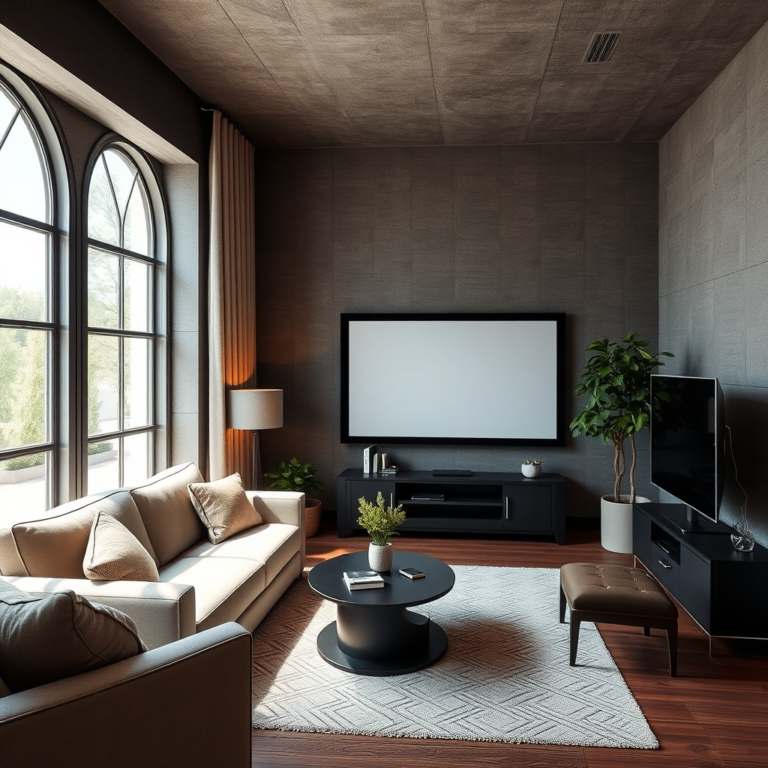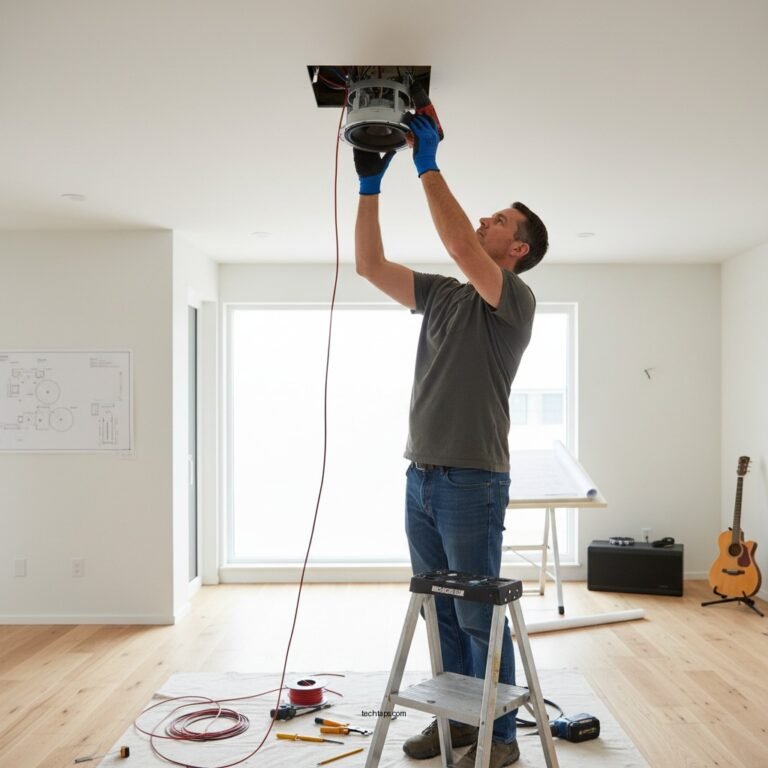

Choosing the right home theater system for your room size is essential to create an immersive viewing experience. The system you select should align not only with the dimensions of your space but also with its acoustics and your personal entertainment preferences. This guide will equip you with the knowledge to match your home theater setup to your specific room characteristics, ensuring you achieve the best possible audio-visual experience.
Understanding Room Size and Acoustics
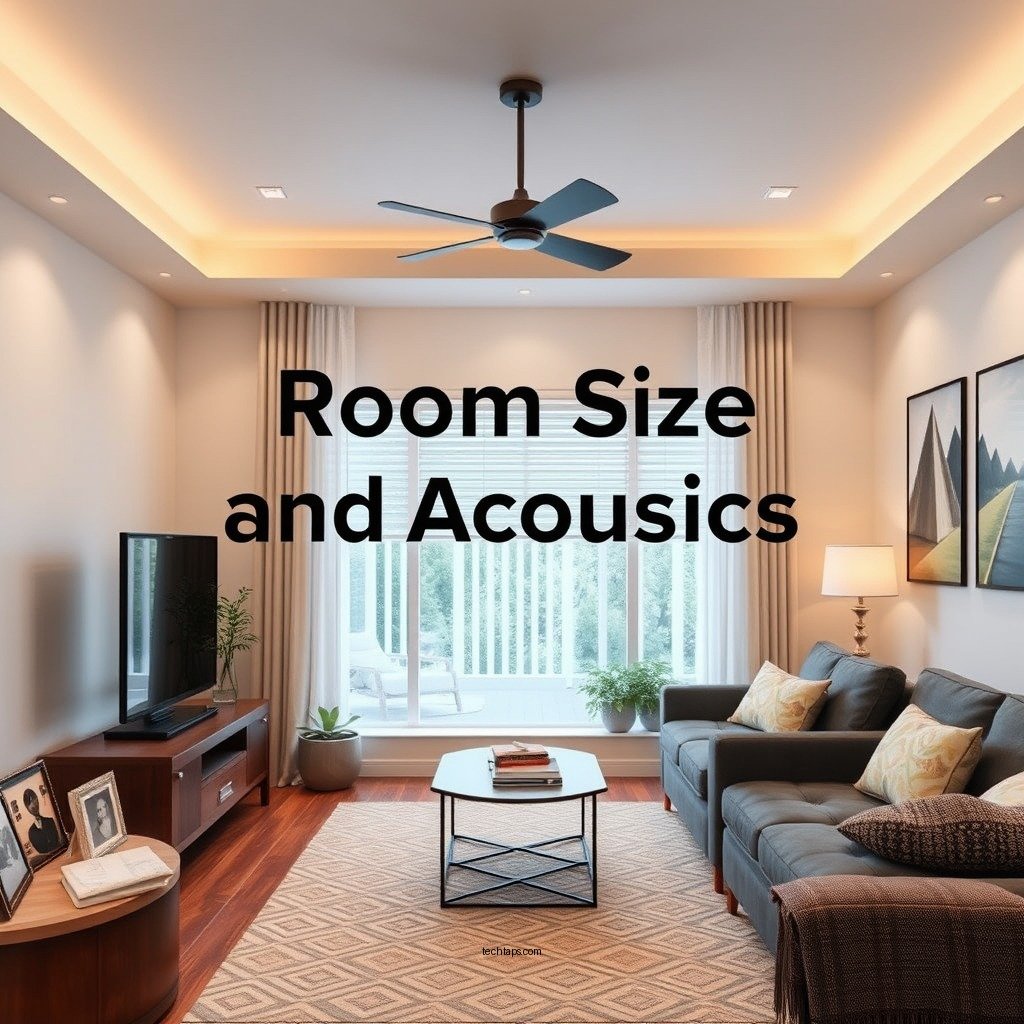
The size and shape of your room significantly impact the sound quality and overall experience of your home theater system. Larger rooms may require more powerful speakers to fill the space effectively, as sound can dissipate quickly in larger areas. For instance, if your room is over 300 square feet, consider investing in floor-standing speakers or a multi-channel surround sound system to ensure that audio is both powerful and clear.
On the other hand, smaller rooms benefit from compact systems that provide clear sound without overwhelming acoustics. A soundbar or a 5.1 surround sound system can be ideal for spaces under 200 square feet, as they often come with subwoofers that enhance low frequencies without taking up much space. Additionally, consider the room’s shape; irregularly shaped rooms may require additional acoustic treatments to minimize sound distortion.
Types of Home Theater Systems
When selecting a home theater system, it’s important to understand the different types available and their ideal applications based on room size. Here are some common configurations:
– 2.0 and 2.1 Systems: Best for very small rooms or apartments, these systems consist of two speakers and, in the case of 2.1, a subwoofer. They are compact and easy to set up, making them a great starting point.
– 5.1 Systems: This configuration includes five speakers and one subwoofer. It is suitable for medium-sized rooms (approximately 200 to 300 square feet) and provides a balanced surround sound experience, ideal for movies and music.
– 7.1 Systems: Featuring seven speakers and one subwoofer, this setup is perfect for larger spaces (over 300 square feet). It enhances positional audio, making it ideal for cinematic experiences.
– Soundbars: For those with limited space or who prefer a minimalist aesthetic, soundbars can be an excellent choice. Many modern soundbars come equipped with virtual surround sound technology and can be paired with external subwoofers for enhanced bass.
Wireless options are also worth considering, especially for smaller or awkwardly-shaped spaces where cable management can be challenging. Many modern systems come with wireless capabilities, allowing flexibility in speaker placement without the clutter of cables.
Speaker Placement Considerations
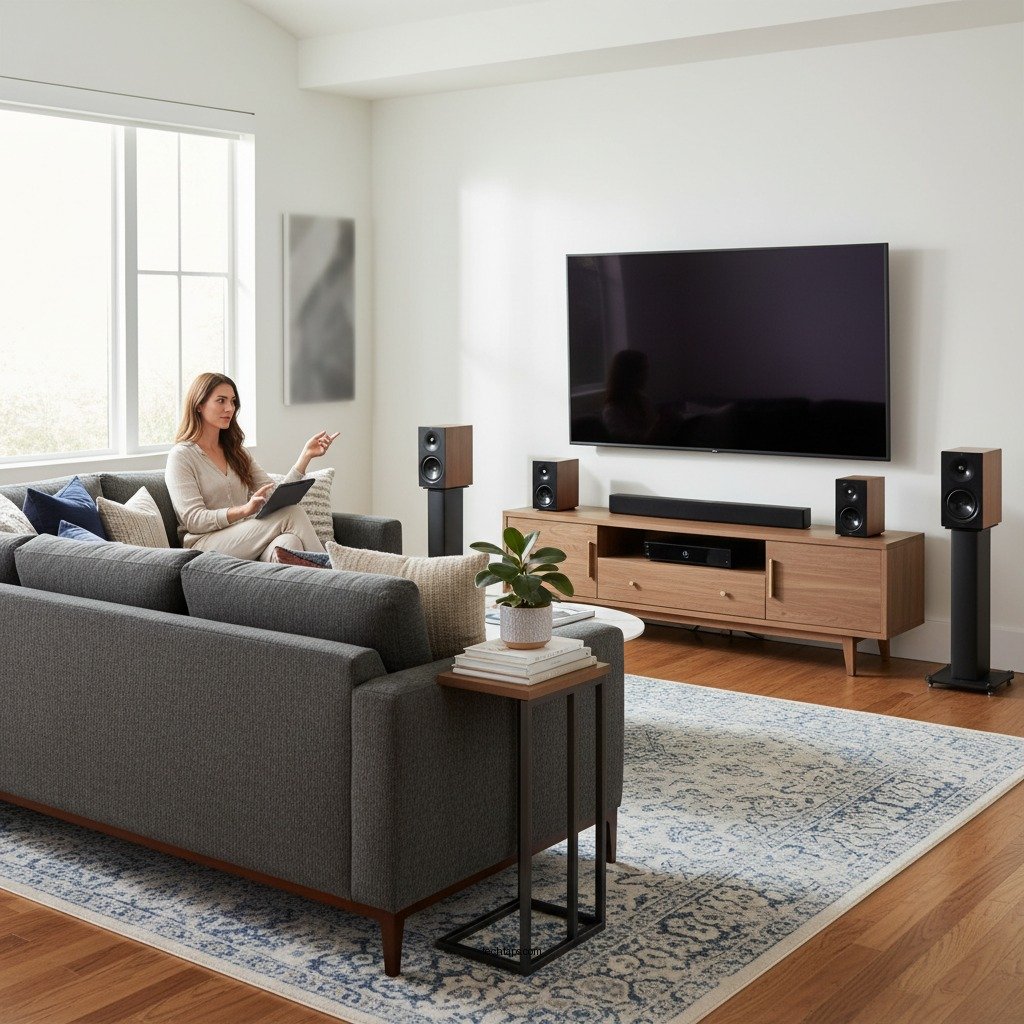
Proper speaker placement can dramatically affect sound quality and the overall experience of your home theater setup. Here’s how to position speakers based on room size:– Front Speakers: For a 5.1 system, place the front left and right speakers at ear level, approximately 6 to 10 feet apart. The center speaker should be directly above or below the screen.
– Surround Speakers: In a 5.1 setup, place the surround speakers slightly above ear level, around 90 to 110 degrees from the listening position. For a 7.1 system, add two additional rear speakers behind the listening area for improved sound immersion.
– Subwoofers: Subwoofers can be positioned in various spots, but placing them in a corner can often enhance low-frequency response. Experiment with different locations to find the best sound.
Finding the right listening position is also crucial. Ideally, your seating should be positioned about 1.5 to 2.5 times the diagonal size of your screen for optimal viewing and sound experience.
Speaker Placement Recommendations Based on Room Size
| # | Room Size (sq ft) | Speaker Type | Recommended Setup |
|---|---|---|---|
| 1 | Under 200 | 2.0 or Soundbar | Compact, easy setup |
| 2 | 200-300 | 5.1 | Balanced surround sound |
| 3 | 300+ | 7.1 | Enhanced positional audio |
| 4 | Under 200 | 2.1 | Add subwoofer for bass |
| 5 | 200-300 | 5.1 with Sub | Full audio spectrum |
| 6 | 300+ | 7.1 with Sub | Cinematic experience |
| 7 | All Sizes | Wireless Systems | Flexibility and ease |
Importance of Screen Size
Selecting the right screen size is equally crucial for an optimal viewing experience. The screen should match your room size to avoid straining your eyes or missing out on details. As a general rule, the viewing distance should be approximately 1.5 to 2.5 times the diagonal size of your screen. For example, if you have a 55-inch screen, your seating should be about 6.5 to 11.5 feet away.
Additionally, consider the resolution and technology of the screen. For most viewing habits, a 4K resolution is recommended as it provides a clearer image, especially on larger screens. Technologies such as OLED and LED can impact color accuracy and contrast, so choose one that aligns with your viewing preferences, whether it’s movies, sports, or gaming.
Budgeting for Your Home Theater
Setting a realistic budget for your home theater system is essential, as it influences the quality and features you can afford. For smaller rooms, a budget of $500 to $1,000 can secure a decent soundbar or a basic 5.1 system. For medium-sized rooms, aim for $1,500 to $3,000 to invest in higher-end receivers and speakers that deliver better sound quality.
For larger spaces, your budget may range from $3,000 to $10,000 or more, particularly if you want advanced features like Dolby Atmos or additional speakers for a 7.1 setup. Evaluate the cost-benefit of investing in higher-end equipment versus budget-friendly options, ensuring that the system meets your entertainment needs without breaking the bank.
Accessories and Enhancements
To further enhance your home theater experience, consider additional accessories. Projectors can be a great option for larger spaces, providing a cinematic experience that larger screens may not replicate. Subwoofers can enhance low-frequency output, making action scenes more thrilling, while comfortable seating can make long movie marathons more enjoyable.
Additionally, look into acoustic treatments and soundproofing if your room has unique acoustic challenges. Installing sound-absorbing panels or bass traps can significantly improve sound quality by minimizing echo and reverberation, creating a more immersive environment.
Final Tips for a Successful Setup
Before finalizing your home theater setup, it’s crucial to measure your room accurately to ensure compatibility with the chosen system. Take into account not just the dimensions but also the layout, as furniture and other items can affect speaker placement and viewing angles.
If you’re unsure about your choices or installation, consider seeking professional advice. A consultation can help you avoid common pitfalls and ensure that your system is set up for optimal performance, saving you time and money in the long run.
In summary, selecting the right home theater system based on your room size involves careful consideration of room dimensions, acoustics, and your personal preferences. By taking the time to assess your space and exploring various systems, you can find the perfect fit for your entertainment needs. Start planning your home theater setup today to transform your viewing experience into something truly exceptional!
Frequently Asked Questions
What factors should I consider when choosing a home theater system for a small room?
When selecting a home theater system for a small room, consider factors such as speaker size, power output, and room acoustics. Opt for compact speakers and a lower wattage receiver to avoid overwhelming the space. Additionally, prioritize sound systems with adjustable settings to optimize audio performance in tighter settings.
How do I determine the optimal screen size for my home theater based on room size?
To choose the right screen size, measure the distance from your seating area to the screen and use a general guideline of 1.5 to 2.5 times the screen size in inches. For example, if you sit 10 feet away, a screen size of 60 to 100 inches is recommended. This ensures an immersive viewing experience without straining your eyes.
Why is it important to match audio equipment to the size of my room?
Matching audio equipment to room size is crucial for achieving balanced sound quality and preventing distortion. In smaller rooms, too much power can create overwhelming bass, while larger rooms may require more robust equipment to fill the space effectively. Properly matched equipment enhances the overall home theater experience.
What is the best type of speaker configuration for a medium-sized home theater?
For a medium-sized home theater, a 5.1 speaker configuration is often the best choice, providing a good balance of sound immersion and space efficiency. This setup includes five speakers and one subwoofer, allowing for surround sound that can fill the room without overpowering it. Ensure the speakers are positioned correctly for optimal acoustics.
Which home theater system brands are recommended for larger rooms?
For larger rooms, brands like Klipsch, Yamaha, and Denon are highly recommended due to their robust sound systems and advanced technology. These brands offer powerful receivers and high-quality speakers that can effectively fill larger spaces with rich audio. Additionally, look for systems that include adjustable settings to tailor the sound to your specific room dimensions.
References
- https://en.wikipedia.org/wiki/Home_theater
https://en.wikipedia.org/wiki/Home_theater - https://www.sciencedirect.com/topics/engineering/home-theater-system
https://www.sciencedirect.com/topics/engineering/home-theater-system - https://www.bbc.com/news/technology-44630123
https://www.bbc.com/news/technology-44630123 - https://www.nytimes.com/2020/12/29/technology/home-theater-systems.html
https://www.nytimes.com/2020/12/29/technology/home-theater-systems.html - https://www.theguardian.com/technology/2020/jun/21/home-theater-systems-guide
https://www.theguardian.com/technology/2020/jun/21/home-theater-systems-guide - https://www.britannica.com/technology/home-theater
https://www.britannica.com/technology/home-theater - Google Scholar Google Scholar
https://scholar.google.com/scholar?q=how+to+choose+home+theater+system+based+on+room+size - Google Scholar Google Scholar
https://scholar.google.com/scholar?q=home+theater+system+room+size+considerations - Google Scholar Google Scholar
https://scholar.google.com/scholar?q=home+theater+system+setup+guidelines - https://www.sciencedirect.com/science/article/pii/S2351978921000051
https://www.sciencedirect.com/science/article/pii/S2351978921000051