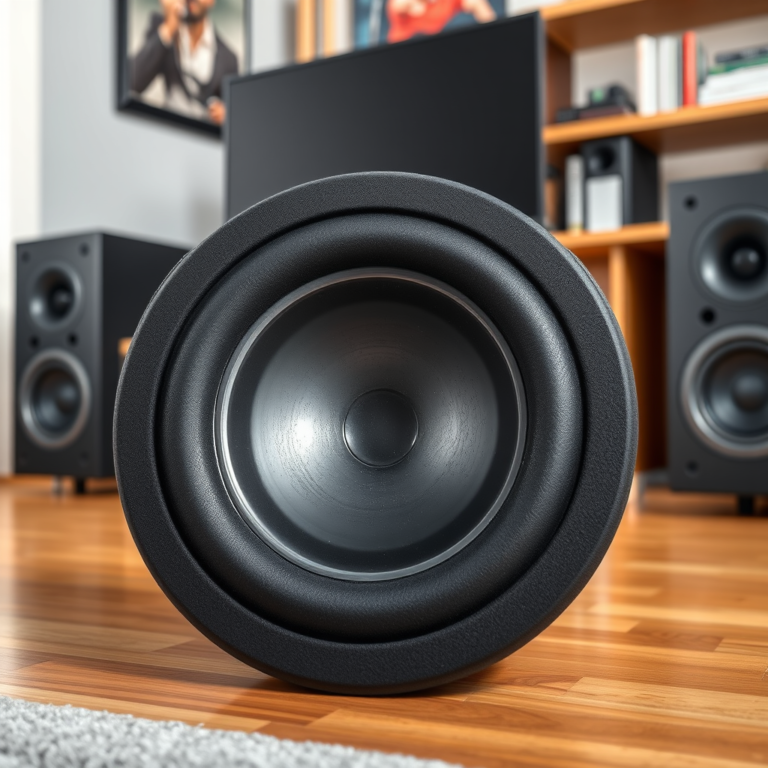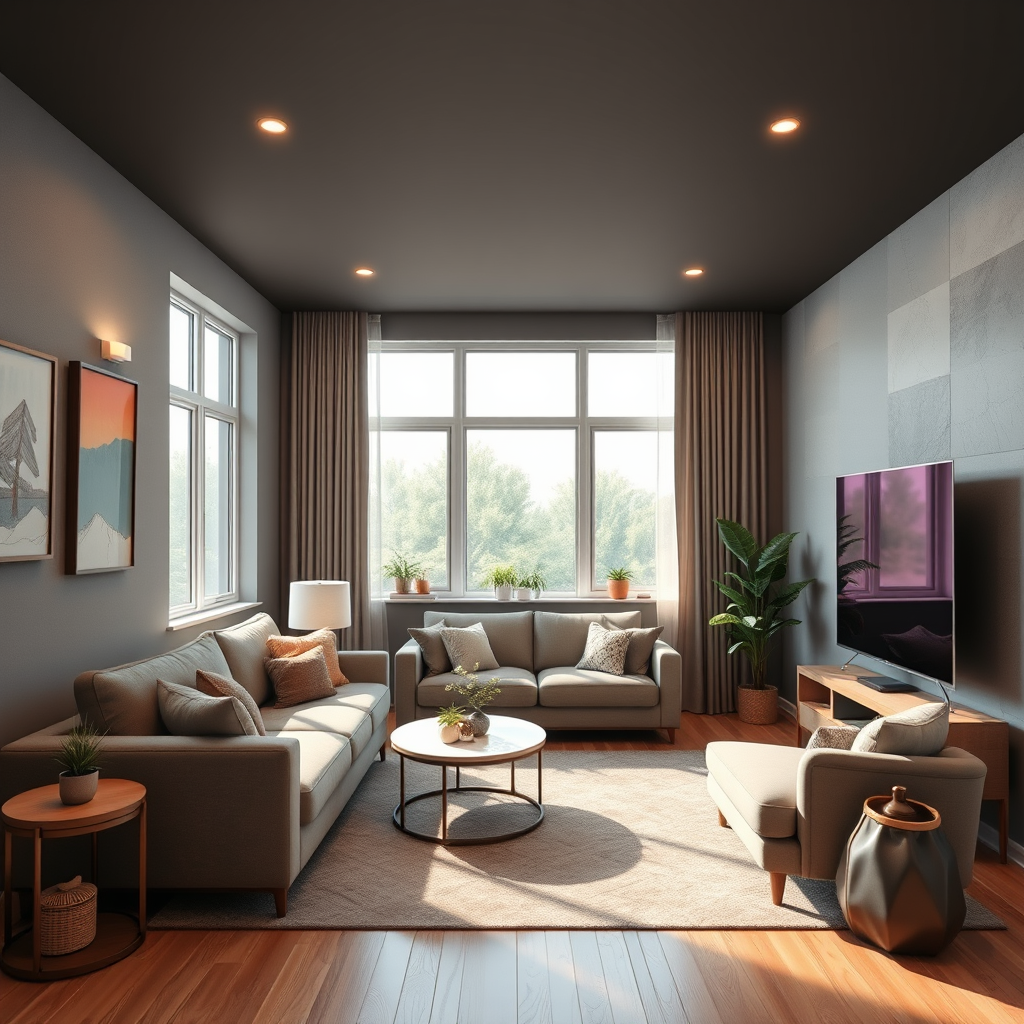

To enhance the acoustics in your home theater room, focus on soundproofing, using acoustic panels, and optimizing speaker placement. These strategies will significantly improve sound quality, creating a more immersive viewing experience. In this article, we’ll explore practical steps to achieve perfect acoustics for your home theater setup.
A home theater room should be a sanctuary for sound and visual enjoyment; however, poor acoustics can sabotage the experience. To remedy this, you’ll need to take a structured approach to assess your current room’s acoustics, implement soundproofing techniques, and strategically arrange your audio equipment. By investing time and resources into these areas, you can create a cinematic atmosphere that captivates and entertains.
Assess Your Room’s Current Acoustics
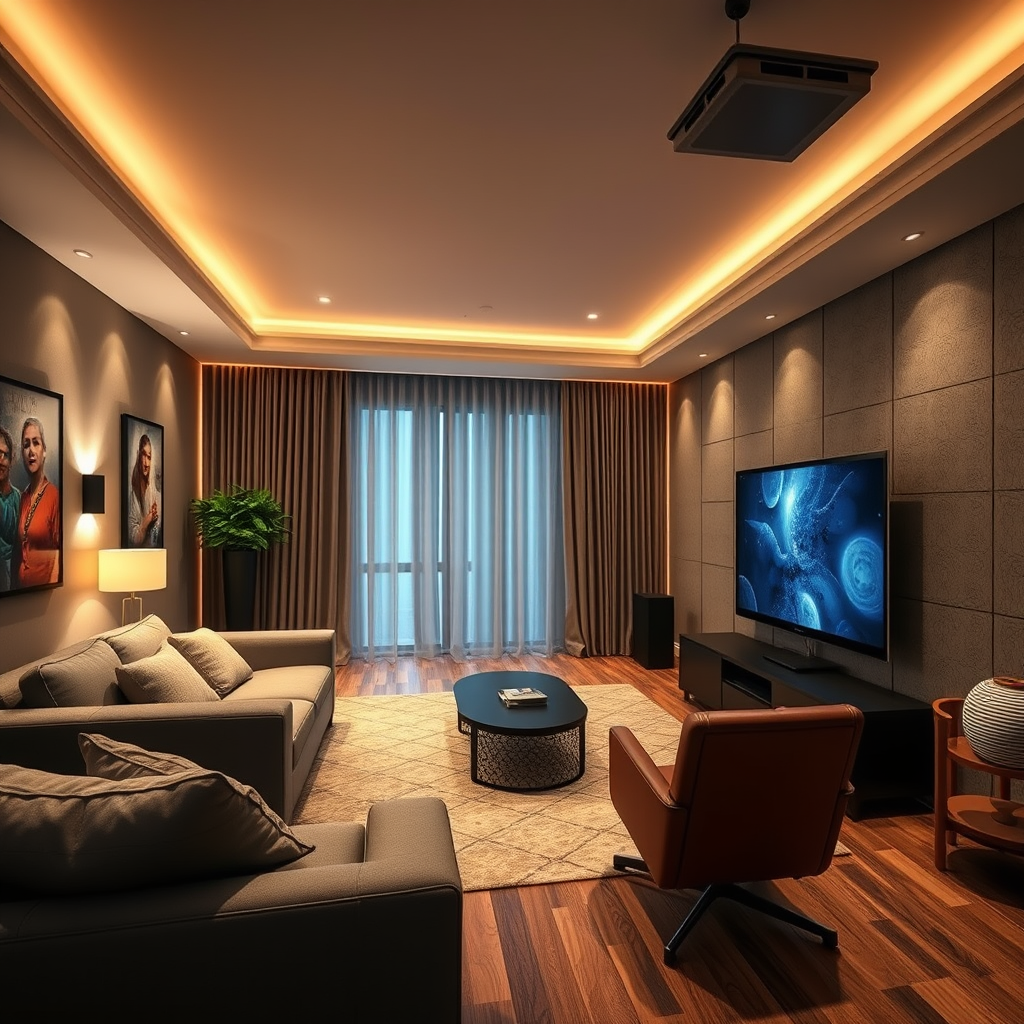
The first step in enhancing your home theater’s acoustics is to evaluate the current sound environment. This involves identifying any existing issues such as echoes, noise leakage, and imbalanced sound distribution. Echoes typically occur in rooms with hard surfaces that reflect sound waves, while noise leakage can disrupt the viewing experience by allowing external sounds to penetrate the space.
Using a sound level meter app is an effective way to measure sound levels in different areas of the room. By walking around and taking readings, you can pinpoint where sound is lacking or where reflections create undesirable echoes. Pay particular attention to the following:
– Identify Echoes: Clap in various areas of the room to detect echoes. A pronounced echo indicates hard surfaces that need treatment.
– Check for Noise Leakage: Listen for outside noises, such as traffic or voices, that may disrupt your viewing experience.
– Test Frequency Response: Play a variety of audio tracks to see how different frequencies behave in your space. Some frequencies may sound overly boomy or muted.
Once you have assessed the room, you’ll have a clearer understanding of what improvements are necessary.
Implement Soundproofing Techniques
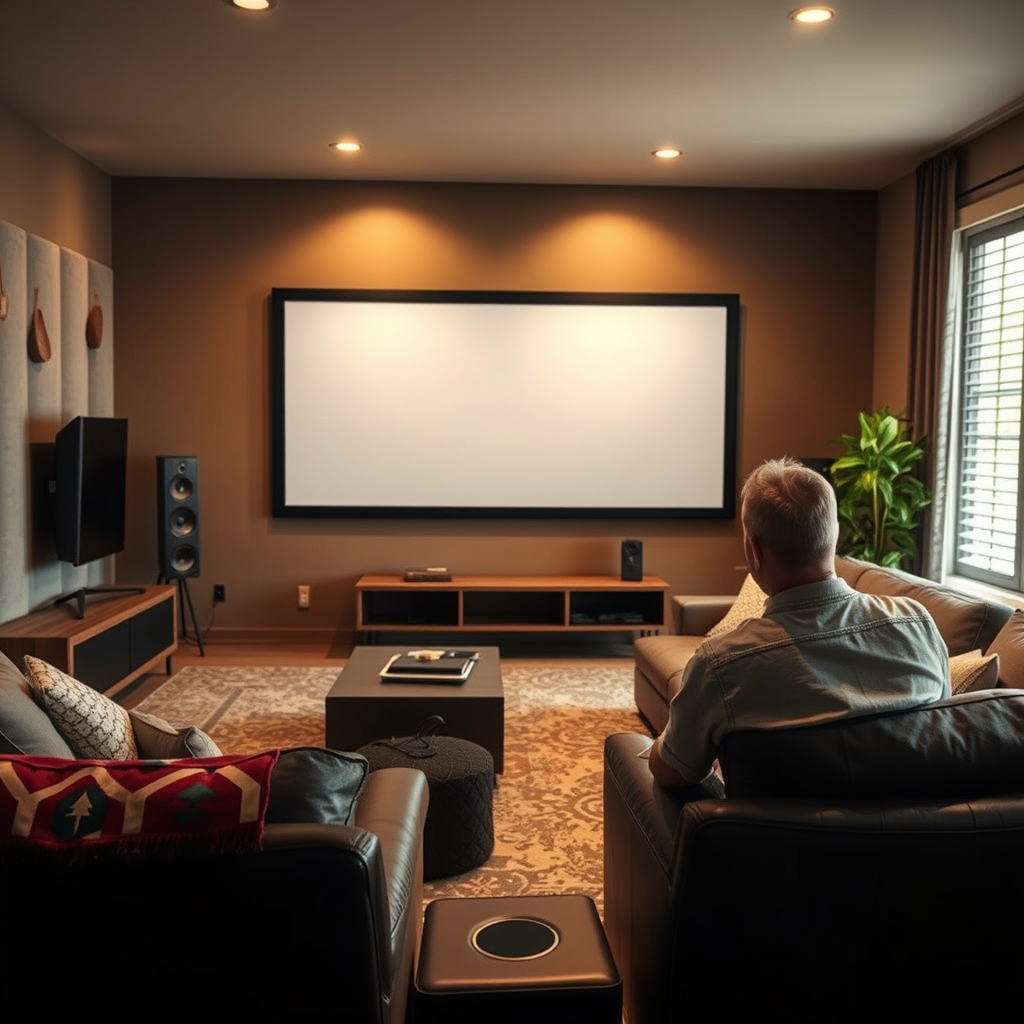
Soundproofing is crucial for creating an immersive home theater experience. By minimizing sound leakage and external noise intrusion, you can achieve a more controlled audio environment. Here are several effective techniques:
– Heavy Curtains: Installing thick, heavy curtains over windows can significantly reduce external noise and prevent sound from escaping the room. Look for curtains made from dense materials that can absorb sound waves.
– Carpets and Rugs: Adding carpets or area rugs on hard floors can help absorb sound, reducing echoes and improving overall sound quality. Opt for plush carpeting for the best results.
– Sealing Gaps: Use weather stripping or acoustic caulk to seal gaps around doors and windows. This will help to eliminate sound pathways that allow noise to enter or escape the room.
– Insulation: Consider adding soundproofing insulation within the walls, ceiling, or floor. Materials such as fiberglass or foam boards can decrease sound transmission effectively.
By implementing these soundproofing techniques, you will create a quieter environment that allows for a more focused audio experience.
Incorporate Acoustic Panels
Acoustic panels are an excellent investment for improving sound quality in your home theater. These panels absorb sound waves and reduce reflections, leading to clearer audio playback. Here’s how to effectively incorporate them:
– Wall-Mounted Panels: Installing wall-mounted acoustic panels can drastically reduce sound reflections. Place them strategically at points where sound waves are likely to bounce off hard surfaces, such as opposite walls or near speaker placement areas.
– Ceiling Tiles: Consider installing acoustic ceiling tiles designed for sound absorption. These tiles can enhance audio clarity and reduce echo by absorbing sound waves that would otherwise reflect off the ceiling.
– Bass Traps: To further improve low-frequency response, consider adding bass traps in corners where low frequencies tend to accumulate. These traps help to smooth out bass response and reduce muddiness in the sound.
By strategically placing acoustic panels and bass traps, you can create a well-balanced sound environment that enhances your home theater experience.
Top 7 Acoustic Treatment Options for Home Theaters (2024)
| # | Treatment Option | Material | Effectiveness | Cost ($) |
|---|---|---|---|---|
| 1 | Acoustic Panels | Fiberglass | High | 150-300 |
| 2 | Bass Traps | Foam | Very High | 100-200 |
| 3 | Soundproof Curtains | Heavy Fabric | Moderate | 50-150 |
| 4 | Carpets | Fabric | Moderate | 100-300 |
| 5 | Ceiling Tiles | Acoustic Foam | High | 200-400 |
| 6 | Acoustic Foam Panels | Polyester | High | 100-250 |
| 7 | Diffusers | Wood/Foam | Moderate | 150-350 |
Optimize Speaker Placement
The placement of your speakers plays a critical role in the overall sound experience of your home theater. Proper speaker placement can enhance audio imaging and clarity, ensuring that sound reaches your ears in an optimal manner. Here are some guidelines to consider:
– Ear Level Positioning: Position your speakers at ear level when seated. This typically means placing the tweeters of your speakers aligned with your ears to ensure the best sound projection.
– Distance from Walls: Experiment with the distance of your speakers from walls and corners. Speakers placed too close to walls may experience excessive bass buildup, while those set too far may result in weak sound.
– Speaker Angling: Angle your speakers slightly towards the primary seating area to create a more directed sound field. This can improve soundstage and clarity.
– Subwoofer Placement: Place your subwoofer in a corner or along a wall to maximize bass response. However, be cautious of excessive boominess; try different locations to find the sweet spot.
By following these guidelines, you can optimize the sound experience in your home theater and ensure a balanced audio output for all viewers.
Use Bass Traps
Low frequencies can often be problematic in home theaters, leading to muddied sound and imbalanced audio. Bass traps are designed to absorb these low frequencies effectively. Here’s how to implement bass traps in your home theater:
– Corner Placement: Bass traps should be placed in the corners of your room, as this is where low frequencies tend to accumulate. This placement helps to reduce bass buildup and create a more balanced sound.
– Material Selection: Choose bass traps made from dense materials that are effective at absorbing lower frequencies. Common options include foam or fiberglass-based traps.
– Layering: For optimal results, consider layering multiple bass traps in the corners to enhance absorption capabilities. This can further smooth out low frequency responses across the room.
Using bass traps will significantly improve the overall sound quality, making your home theater experience more enjoyable and true to life.
Control Room Layout and Furniture
The layout of your room and the choice of furniture can impact sound distribution and clarity. Here’s how to optimize your home theater layout:
– Seating Arrangement: Arrange seating in a way that maximizes sound distribution. The ideal configuration is often a symmetrical setup where the main seating area is equidistant from the speakers.
– Avoid Obstructions: Choose furniture that does not obstruct sound waves. Low-profile chairs and couches work best, as they allow sound to travel freely throughout the space.
– Rug Placement: If you have hardwood or tile floors, consider placing area rugs in front of seating areas. This can help absorb sound and reduce reflections from hard surfaces.
Creating a thoughtful layout will enhance both the auditory and visual experience in your home theater room.
Test and Adjust Your Setup
After implementing soundproofing, acoustic treatments, and optimizing speaker placement, it’s essential to test and adjust your setup. Here’s how to effectively evaluate your audio environment:
– Conduct Listening Tests: Play various sound sources, including music and movie soundtracks, to identify areas for improvement. Pay attention to clarity, bass response, and overall balance.
– Use Calibration Tools: Many audio systems come with calibration tools that help optimize settings based on your room’s acoustics. Utilize these tools to get the best sound possible.
– Iterative Adjustments: Make small adjustments to speaker settings and room arrangements based on your findings. It may take several iterations to achieve the desired sound quality.
By continuously testing and adjusting your setup, you will be able to refine your home theater’s sound performance to perfection.
Most Effective Acoustic Treatments in Home Theaters (%)
Improving the acoustics in your home theater room involves a combination of soundproofing, strategic placement, and testing. By following these steps, you’ll create a cinematic experience that allows you to fully enjoy your movies and music. Be patient and flexible as you experiment with different methods, adapting them to your unique space for the best results. The effort you put into optimizing your home theater will undoubtedly enhance your viewing and listening pleasure, making every movie night a memorable occasion.
Frequently Asked Questions
What are the best materials to use for soundproofing a home theater room?
The best materials for soundproofing a home theater room include acoustic foam panels, soundproof curtains, and mass-loaded vinyl. Acoustic foam helps absorb sound waves, reducing echo, while soundproof curtains block outside noise. Additionally, using carpets or rugs can further dampen sound, creating a more immersive viewing experience.
How can I reduce echo in my home theater setup?
To reduce echo in your home theater setup, consider adding soft furnishings like upholstered furniture, curtains, and area rugs, which absorb sound. Installing acoustic panels on walls and ceilings can also minimize reflections. Avoiding hard surfaces in the room is key; instead, opt for textured materials that help break up sound waves.
Why is room layout important for home theater acoustics?
Room layout is crucial for home theater acoustics because the positioning of speakers and seating affects sound distribution. Placing speakers at ear level and ensuring there’s adequate space between them and the walls can enhance audio clarity. An optimal layout minimizes sound reflections and ensures that all viewers enjoy an immersive sound experience.
Which acoustic treatments are most effective for home theaters?
The most effective acoustic treatments for home theaters include bass traps, diffusers, and absorptive panels. Bass traps help manage low-frequency sounds, while diffusers scatter sound waves to create a more balanced audio environment. Absorptive panels reduce echo and reverberation, providing clearer sound quality during movie playback.
How can I optimize my home theater for both sound and video quality?
To optimize your home theater for both sound and video quality, ensure that your equipment is properly calibrated, and consider using a surround sound system. Positioning your speakers in a way that complements your screen size and room dimensions is essential. Additionally, using blackout curtains can enhance video quality by reducing light interference while maintaining a controlled acoustic environment.
References
- Room acoustics
https://en.wikipedia.org/wiki/Room_acoustics - https://www.acoustics.org/education/room-acoustics/
https://www.acoustics.org/education/room-acoustics/ - https://www.frontiersin.org/articles/10.3389/fpsyg.2021.652045/full
https://www.frontiersin.org/articles/10.3389/fpsyg.2021.652045/full - https://www.nature.com/articles/s41598-020-78601-7
https://www.nature.com/articles/s41598-020-78601-7 - Google Scholar Google Scholar
https://scholar.google.com/scholar?q=Home+Theater+Acoustics - Google Scholar Google Scholar
https://scholar.google.com/scholar?q=Improve+Acoustics+in+a+Home+Theater - https://sciencedirect.com/science/article/abs/pii/S0003686312000836
https://sciencedirect.com/science/article/abs/pii/S0003686312000836 - https://www.ncbi.nlm.nih.gov/pmc/articles/PMC7138473/
https://www.ncbi.nlm.nih.gov/pmc/articles/PMC7138473/ - Google Scholar Google Scholar
https://scholar.google.com/scholar?q=How+to+Improve+Acoustics+in+a+Home+Theater+Room - How to Improve Acoustics in a Home Theater Room – Search results
https://en.wikipedia.org/wiki/Special:Search?search=How+to+Improve+Acoustics+in+a+Home+Theater+Room