

Maintaining your subwoofer is crucial for achieving maximum bass output and ensuring its longevity. By implementing a few straightforward maintenance practices, you can enhance the performance of your subwoofer, allowing it to deliver deep, powerful sound that enriches your audio experience. In this article, we will explore effective ways to keep your subwoofer in top condition, focusing on cleaning, placement, connection checks, calibration, overheating prevention, performance checks, and professional maintenance.
Regular Cleaning and Dusting
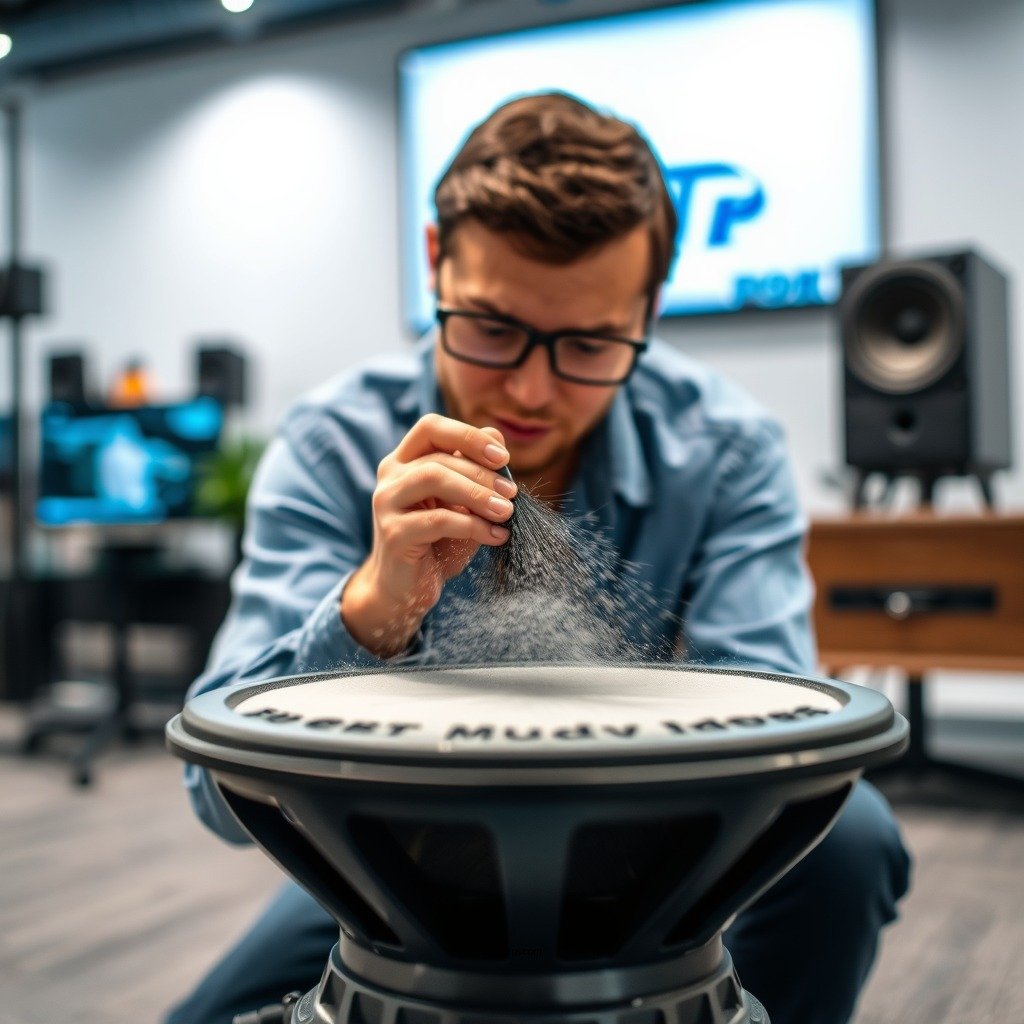
Regular cleaning of your subwoofer is essential for maintaining its performance over time. Dust and debris can accumulate on both the exterior and the internal components of your subwoofer, leading to potential sound degradation.
– Exterior Cleaning: Use a soft, dry cloth to wipe down the exterior of the subwoofer regularly. This simple action prevents dust buildup and preserves the aesthetic appeal of your audio equipment. Avoid using harsh chemicals or abrasive materials that can damage the finish.
– Cone and Grill Maintenance: Pay special attention to the speaker cone and grill, as these components are critical in sound production. Gently remove any debris or dust that may have settled on them. A clean speaker cone allows for optimal vibration and sound quality, while a clean grill ensures that sound waves can pass through unobstructed.
Proper Placement and Setup
The placement of your subwoofer significantly impacts its performance. An optimal setup can enhance bass response, creating a richer listening experience.
– Ideal Positioning: Position your subwoofer in a corner or against a wall to amplify the bass frequencies. This placement utilizes boundary reinforcement, allowing the sound waves to bounce off the walls and create a fuller sound.
– Stable Surface: Avoid placing the subwoofer on soft surfaces like carpets or cushions, which can dampen sound. Instead, use a stable, hard surface such as a wooden or tiled floor to ensure proper sound projection.
Checking Connections and Cables
Ensuring all connections and cables are secure is vital for uninterrupted audio performance.
– Connection Inspection: Regularly inspect and tighten all connections to the subwoofer. Loose connections can lead to signal loss, resulting in diminished performance.
– Cable Replacement: Over time, cables can wear out or become damaged, affecting sound quality. Replace any worn or frayed cables promptly to avoid sound interruptions and degradation.
Adjusting Settings and Calibration
Optimizing the settings of your subwoofer can significantly enhance its performance and adapt it to your specific audio environment.
– Calibration Tools: Utilize the calibration tools available in your audio receiver to optimize sound settings for your room. These tools can automatically adjust levels to suit your environment, ensuring balanced sound across frequencies.
– Experiment with Settings: Take time to experiment with phase and crossover settings to find the best configuration for your subwoofer. Adjusting these settings can help eliminate phase issues and ensure that your subwoofer works harmoniously with your main speakers.
Protecting Against Overheating
Overheating can lead to significant damage to your subwoofer, affecting both performance and lifespan.
– Ventilation: Ensure proper ventilation around your subwoofer, especially during extended use. Avoid placing it in enclosed spaces where heat can build up, and consider using fans or air circulation systems if necessary.
– Moderate Use: Avoid pushing your subwoofer to its limits for prolonged periods. High volumes can generate excessive heat, potentially leading to component failure. It’s advisable to take breaks during long listening sessions.
Listening Tests and Regular Performance Checks
Conducting regular performance checks and listening tests is essential for identifying potential issues early.
– Periodic Listening Tests: Conduct periodic listening tests to detect any changes in sound quality or performance. Pay attention to any distortion or reduction in output, which may indicate underlying issues.
– Inspect for Issues: If you notice any abnormalities, inspect the subwoofer for potential problems. This proactive approach allows you to address issues before they escalate into more significant repairs.
Scheduling Professional Maintenance
While regular at-home maintenance is crucial, professional maintenance can provide additional benefits.
– Annual Inspections: Consider scheduling an annual inspection with a professional technician. They can assess the internal components and identify underlying issues that may not be visible during regular checks.
– Expert Repairs: Professional maintenance ensures that any repairs or adjustments are performed correctly, helping to maintain optimal performance and extend the lifespan of your subwoofer.
Top 7 Subwoofer Brands by Performance Ratings (2023)
| # | Brand | Bass Output (dB) | Frequency Response (Hz) | Customer Rating |
|---|---|---|---|---|
| 1 | SVS | 120 | 18-250 | ★★★★☆ |
| 2 | Klipsch | 115 | 24-120 | ★★★★★ |
| 3 | Bowers & Wilkins | 110 | 20-150 | ★★★★☆ |
| 4 | Yamaha | 105 | 25-200 | ★★★★☆ |
| 5 | Polk Audio | 98 | 30-150 | ★★★☆☆ |
| 6 | Sonos | 95 | 40-200 | ★★★★☆ |
| 7 | JBL | 100 | 35-150 | ★★★★☆ |
Maintaining your subwoofer is essential for maximizing its bass output and prolonging its lifespan. By following the maintenance tips outlined in this article—such as regular cleaning, proper placement, checking connections, adjusting settings, protecting against overheating, conducting performance checks, and scheduling professional maintenance—you can ensure your subwoofer delivers rich, powerful sound for years to come. Take action today by assessing your subwoofer’s condition and applying these strategies for an enhanced audio experience.
Frequently Asked Questions
What are the best practices for cleaning my subwoofer to maintain its performance?
To maintain your subwoofer’s performance, regularly dust it with a microfiber cloth and avoid using harsh chemicals that could damage the finish. Ensure that the driver and ports are free from debris by gently vacuuming or using compressed air. Proper cleaning helps prevent distortion and ensures maximum bass output during use.
How do I properly position my subwoofer for optimal bass response?
For optimal bass response, place your subwoofer in a corner or along a wall, as these locations can amplify the sound waves and enhance the bass output. Experiment with placement by using the “subwoofer crawl” technique, where you move the subwoofer around your room while listening for the best sound. Proper positioning can significantly improve your listening experience.
Why is it important to check the subwoofer’s settings and calibration regularly?
Regularly checking your subwoofer’s settings and calibration is crucial for achieving the best sound quality and maximum bass output. Incorrect settings can lead to poor integration with your main speakers, resulting in weak bass or distortion. Ensuring that your subwoofer is properly calibrated helps maintain clarity and balance in your audio system.
Which types of cables are best for connecting my subwoofer to ensure high-quality sound?
For the best sound quality, use a high-quality RCA cable to connect your subwoofer to your audio receiver. Look for cables that are well-shielded to minimize interference and signal loss, ensuring that your subwoofer delivers powerful and clean bass. Investing in good cables can make a noticeable difference in your audio performance.
How can I troubleshoot low bass output from my subwoofer?
To troubleshoot low bass output, first check all connections and ensure your subwoofer is powered on and set to the correct input. Verify that the volume and crossover settings are properly adjusted on both the subwoofer and the receiver. If issues persist, try repositioning the subwoofer or testing it with a different audio source to identify potential problems.
References
- Subwoofer
https://en.wikipedia.org/wiki/Subwoofer - https://www.sciencedirect.com/topics/engineering/subwoofer
https://www.sciencedirect.com/topics/engineering/subwoofer - Subwoofer | loudspeaker | Britannica
https://www.britannica.com/topic/subwoofer - https://www.nytimes.com/2019/01/30/technology/subwoofer-sound.html
https://www.nytimes.com/2019/01/30/technology/subwoofer-sound.html - Google Scholar Google Scholar
https://scholar.google.com/scholar?q=How+to+Maintain+Your+Subwoofer+for+Maximum+Bass+Output - Google Scholar Google Scholar
https://scholar.google.com/scholar?q=Subwoofer+maintenance+bass+output - Google Scholar Google Scholar
https://scholar.google.com/scholar?q=Subwoofer+performance+and+maintenance - https://www.nature.com/articles/s41598-020-67122-5
https://www.nature.com/articles/s41598-020-67122-5 - https://www.pubmed.ncbi.nlm.nih.gov/31004567/
https://www.pubmed.ncbi.nlm.nih.gov/31004567/ - https://www.reuters.com/article/us-tech-subwoofers-insight-idUSKBN1YZ1C5
https://www.reuters.com/article/us-tech-subwoofers-insight-idUSKBN1YZ1C5