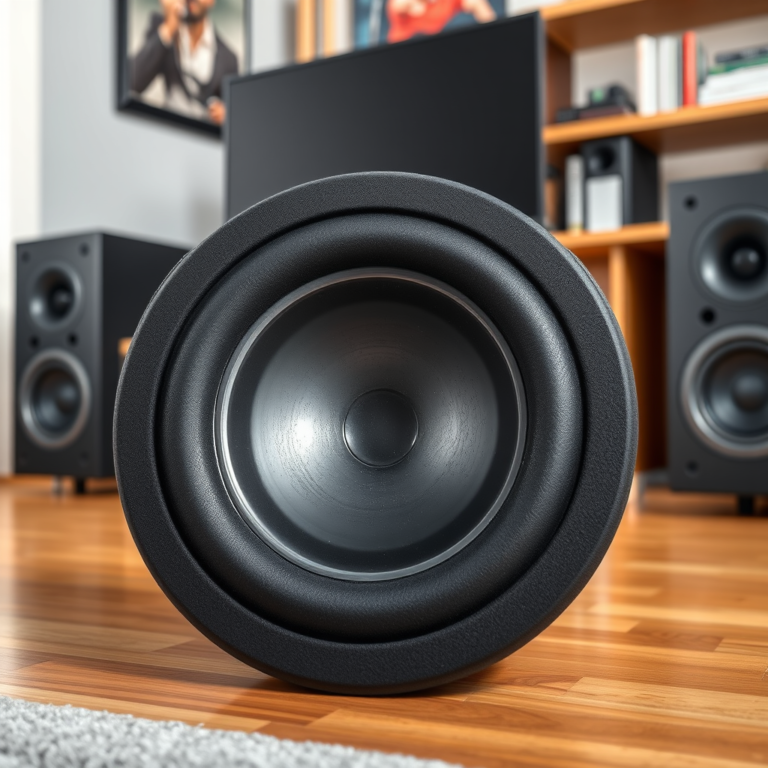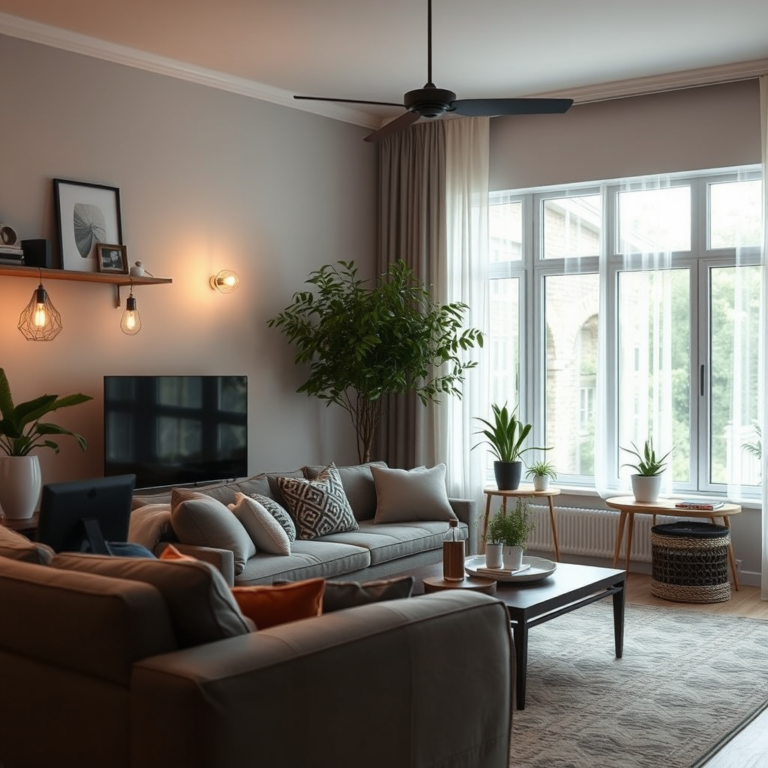

To achieve better acoustics, the optimal speaker placement is crucial. Positioning your speakers correctly can enhance sound quality, minimize distortion, and create a more immersive listening experience. In this guide, you’ll learn the best practices for speaker placement, considering room layout and speaker specifications, so you can enjoy your favorite music, movies, or games like never before.
Understanding Acoustic Principles
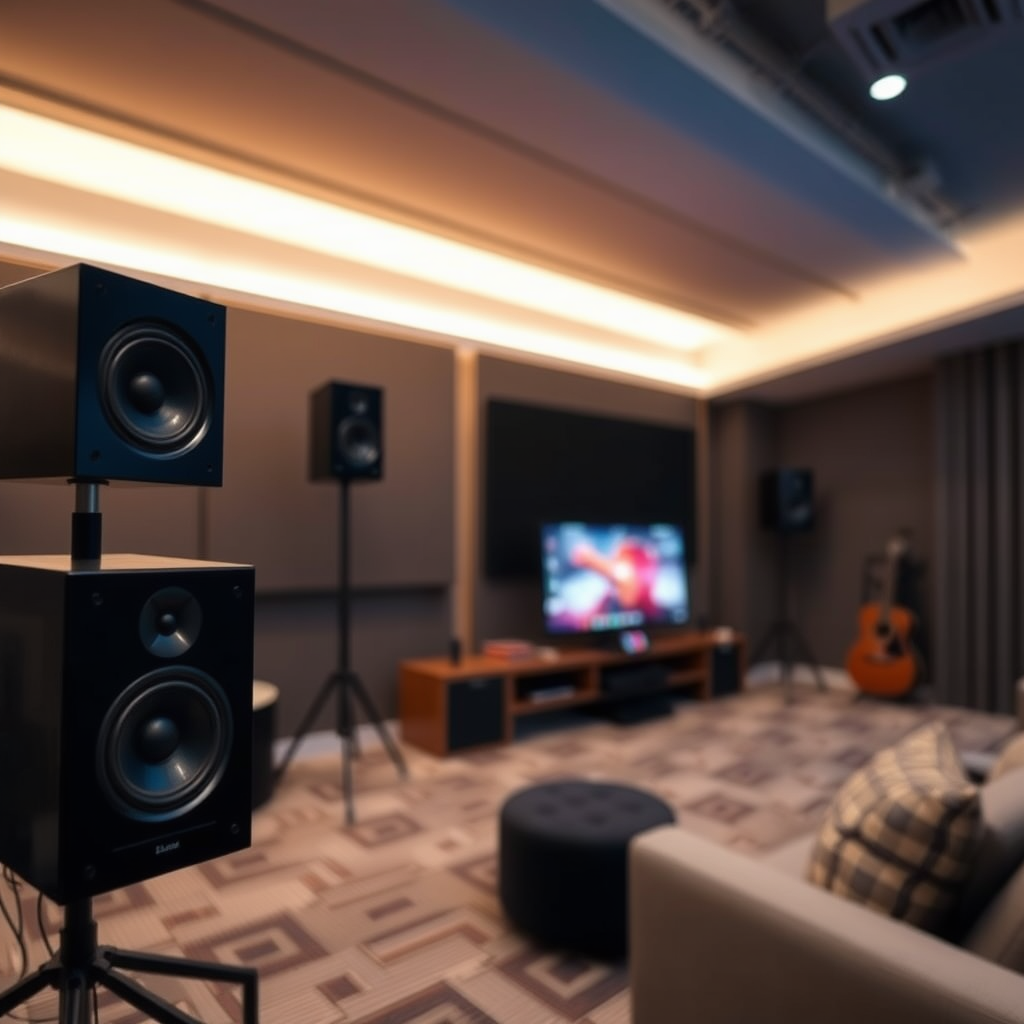
Sound travels in waves, which means the shape and dimensions of your room play a significant role in how these waves interact with one another. When sound waves bounce off walls, ceilings, and furniture, they can either amplify or dampen certain frequencies, leading to variations in sound quality. For instance, a small, square room may produce standing waves that can cause echo or muddiness, while a large room with irregular shapes can enhance the richness of sound. Understanding these acoustic principles helps you make informed decisions about speaker placement that will maximize sound clarity and impact.
Moreover, the materials in your room matter too. Hard surfaces like tile or wood floors can create sharper reflections, while carpets, drapes, and upholstered furniture can absorb sound. This interplay between sound waves and room characteristics is essential for optimizing your speaker placement. By considering these factors, you can create a listening environment that works in harmony with your speakers.
Ideal Speaker Placement Techniques
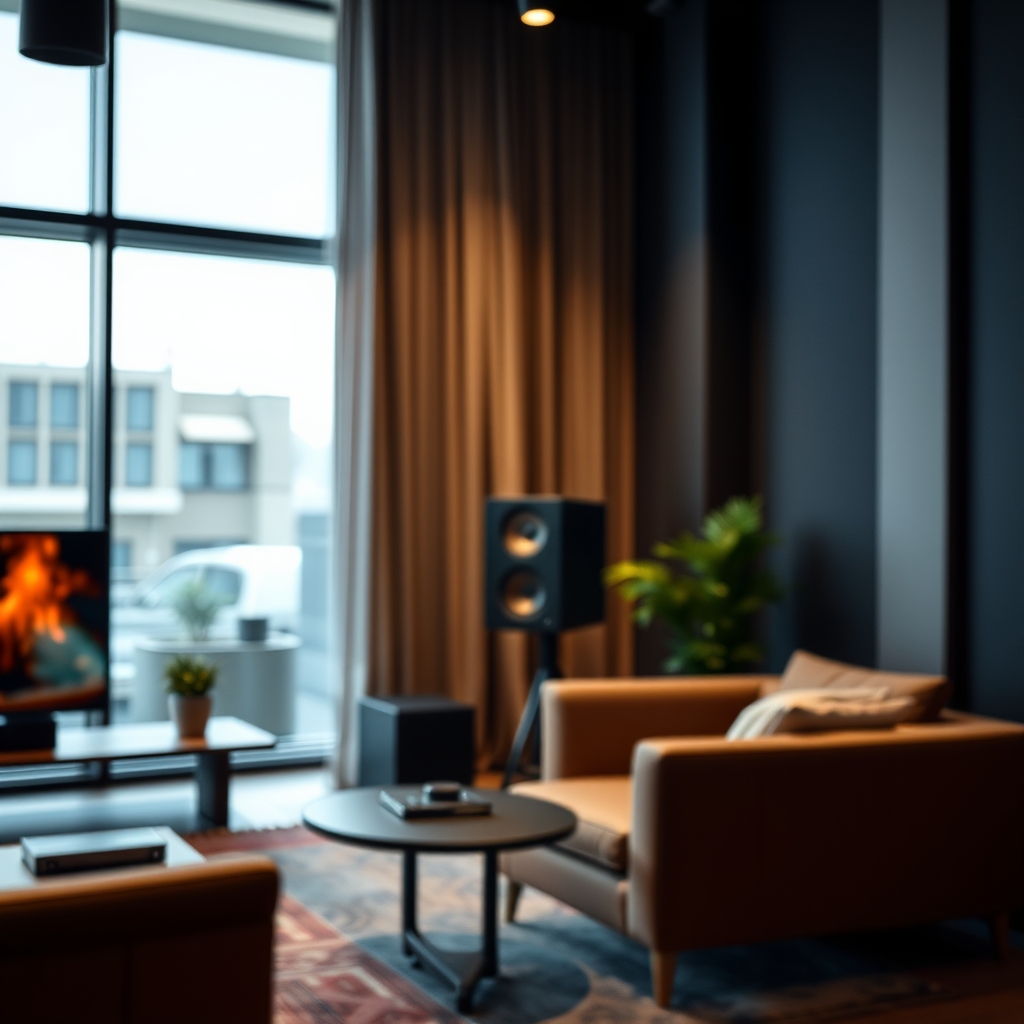
One of the fundamental techniques for speaker placement is to position your speakers at ear level. This ensures that the sound waves reach your ears directly without obstruction, providing a more accurate reproduction of the audio. Ideally, tweeters (the small speakers responsible for high frequencies) should be aligned with your ear height when you’re seated in your listening position. This simple adjustment can significantly improve the clarity and detail of the sound.
Additionally, creating an equilateral triangle between your speakers and your listening area is a proven method for achieving balanced audio. This means that the distance between the two speakers should be equal to the distance from each speaker to your listening position. This configuration not only helps in focusing the sound but also enhances stereo imaging, allowing you to locate individual instruments or voices within the mix. For instance, if your speakers are 8 feet apart, you should sit 8 feet away from the midpoint between them.
Considering Room Layout
When optimizing speaker placement, it’s essential to identify key reflective surfaces in your room that may affect sound quality. Walls, ceilings, and large pieces of furniture can create reflections that interfere with direct sound waves, resulting in an imbalanced listening experience. For instance, placing speakers too close to a wall can lead to an exaggerated bass response, sometimes referred to as “bass boom,” which can muddle the overall sound.
To counteract this, try to position your speakers a minimum of 1-2 feet away from walls and corners. If you have a subwoofer, corner placement can enhance its low-frequency response, but be careful not to overpower the room. Experiment with placement along the front wall, moving it away from the corners to find the sweet spot where the bass is full but not overwhelming.
Also, consider the arrangement of your furniture. Avoid placing large items, such as bookshelves or cabinets, directly between your speakers and listening area, as they can obstruct sound paths and disrupt the audio experience.
Adjusting for Speaker Types
Not all speakers are created equal, and different types may require unique placement strategies to optimize their performance. For example, bookshelf speakers typically perform best when positioned on stable stands that place the tweeters at ear level. In contrast, floor-standing speakers can be placed directly on the floor but should still be oriented to create a direct line of sound to your ears.
For surround sound systems, the placement of surround speakers is crucial for creating an immersive sound field. Ideally, these speakers should be positioned slightly above ear level and to the sides or behind the primary listening area. This positioning allows sound to envelop you, enhancing the cinematic experience during movies or gaming. Using adjustable mounts can also give you the flexibility to fine-tune their directionality for optimal sound projection.
Testing and Fine-Tuning
Once you’ve established a preliminary speaker placement, it’s time to test and fine-tune your setup. Utilize measurement tools or smartphone apps designed for sound analysis to assess the sound quality in your room. These tools can help you identify frequency response issues and points of distortion, guiding you in making necessary adjustments.
Don’t hesitate to experiment with slight movements of your speakers. Move them a few inches in various directions, and listen for differences in sound clarity and bass response. Sometimes, even a minor adjustment can lead to a significant improvement in your listening experience. Remember, it’s all about finding the right balance for your specific room and setup.
Common Mistakes to Avoid
When setting up your speakers, avoid placing them too close to walls, as this can cause bass booms and muddied sound. Additionally, neglecting the importance of symmetry in speaker placement can lead to an imbalanced audio experience. Ensure that both speakers are equidistant from the listening position and that they are facing the same direction. This symmetry not only creates a more cohesive sound stage but also enhances the overall listening experience.
Another common mistake is overlooking the height of the speakers. As mentioned earlier, having the tweeters aligned with your ears is essential, so always double-check that your speakers are positioned correctly in relation to your seating area.
By being aware of these pitfalls and taking the time to address them, you can ensure that your audio setup performs at its best.
By following these guidelines for optimal speaker placement, you can significantly enhance your listening experience. Take the time to experiment with different configurations and make adjustments based on your room’s unique acoustics. Start optimizing your setup today for a richer sound experience!
Frequently Asked Questions
What is the ideal distance for speaker placement in a room?
The ideal distance for speaker placement largely depends on the size of the room and the type of speakers being used. Generally, you should position speakers at least 2 to 3 feet away from walls to reduce sound reflections that can muddy the audio. For optimal stereo imaging, speakers should be placed at least 3 to 6 feet apart, forming an equilateral triangle with the listening position, ensuring a balanced soundstage.
How can I improve the acoustics of my room through speaker placement?
Improving room acoustics through speaker placement involves strategic positioning to minimize sound reflections and enhance clarity. Start by placing your speakers at ear level when seated and avoid corners to reduce bass buildup. Experiment with speaker angles, known as toe-in, to direct sound towards the listening area, and consider using acoustic treatments like rugs or wall panels to further absorb unwanted reflections.
Why does speaker placement affect sound quality?
Speaker placement significantly affects sound quality due to the way sound waves interact with the room’s surfaces. When speakers are positioned too close to walls or corners, sound waves can bounce off surfaces, leading to phase cancellations and frequency imbalances. Proper placement allows for optimal sound dispersion and minimizes interference, ensuring a clearer and more accurate listening experience.
What are the best practices for placing surround sound speakers?
For surround sound systems, best practices include placing the front left and right speakers at ear level and angled towards the listening position, while the center speaker should be directly in front of the viewer. Rear surround speakers should be placed slightly above ear level and positioned to the sides or behind the listening area for an immersive experience. Ensuring that all speakers are equidistant from the main listening position will create a cohesive sound field.
Which tools can help me find the best speaker placement for my space?
Several tools can assist you in finding the best speaker placement for your room. Acoustic measurement software, such as Room EQ Wizard, can analyze your room’s acoustics and provide insights on optimal speaker positioning. Additionally, smartphone apps like Sound Analyzer can help you visualize sound waves and identify problematic areas. For a hands-on approach, using a tape measure and listening tests will also help you refine your setup for the best audio experience.
References
- Acoustics
- https://www.npr.org/sections/allsongs/2019/09/05/758383879/tips-for-creating-a-great-sounding-room
- https://www.acoustics.org/press/optimized-speaker-placement/
- https://www.audioholics.com/how-to-articles/speaker-placement-guide
- https://www.arts.gov/publications/creating-sound-environments-using-acoustics
- https://www.soundonsound.com/techniques/speaker-placement-101
- https://www.researchgate.net/publication/318336208_Speaker_placement_and_room_acoustics_in_home_theaters
- https://www.sciencedirect.com/science/article/pii/S2213138820300027
- https://www.ijsciences.com/pub/pdf/V100802120.pdf
- https://www.americanradiohistory.com/Archive-Modern-Recording/Modern-Recording-1963-12.pdf