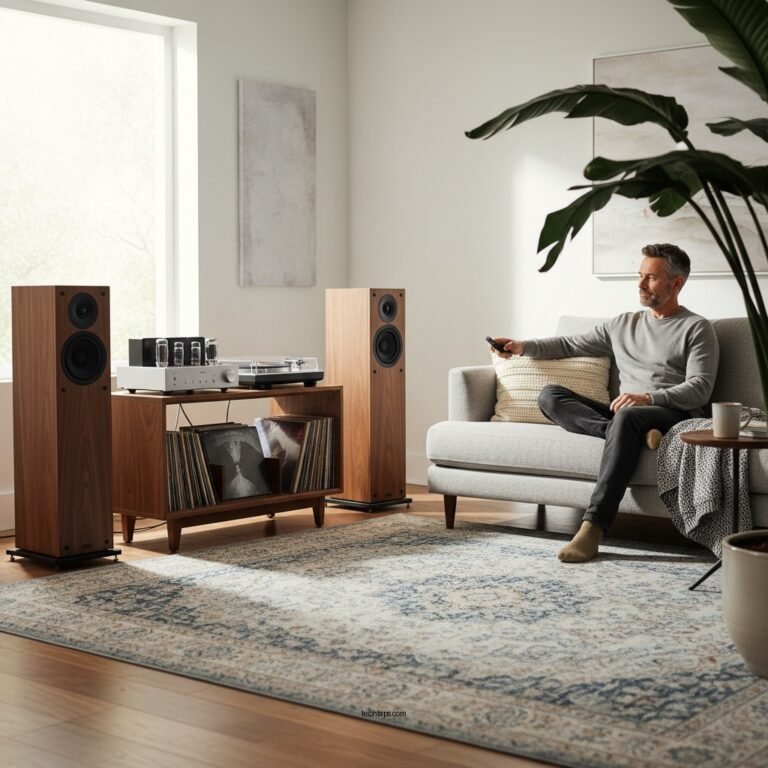

Properly storing your audio equipment is crucial for its longevity and optimal performance. By implementing the right storage practices, you can shield your valuable gear from dust, moisture, temperature fluctuations, and physical damage. This not only preserves the sound quality but also saves you from costly repairs or replacements down the line. In this article, we’ll explore effective strategies to keep your audio equipment safe and in great working condition.
Choose the Right Storage Location
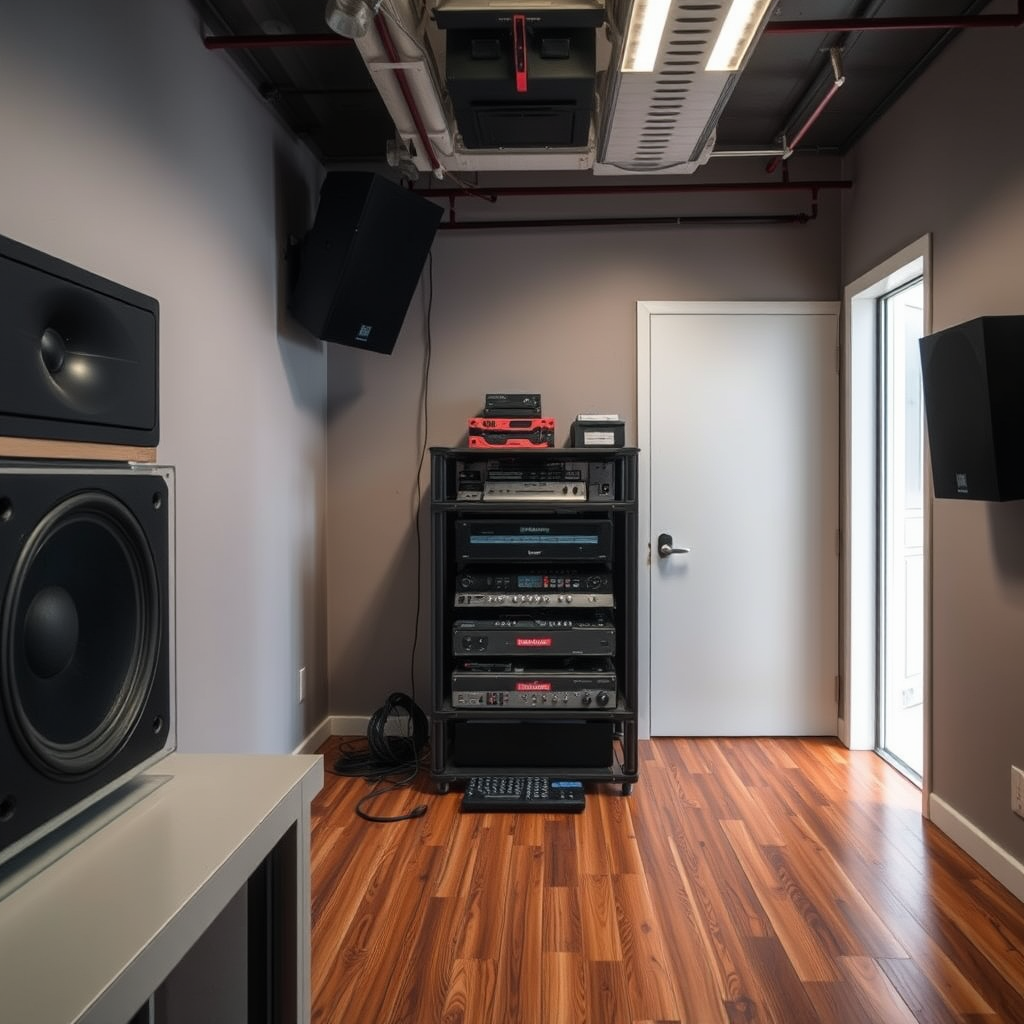
When it comes to storing audio equipment, location is everything. Selecting a cool, dry place is paramount. Ideally, you want to find a space that stays away from direct sunlight. Sunlight can significantly increase temperatures, leading to heat damage that can warp or degrade sensitive components in your equipment.
Additionally, you should be vigilant about humidity levels. Excessive moisture can cause mold to develop, which is not just harmful to your gear but also poses health risks. A level of humidity above 60% can lead to corrosion, especially in electronic components. Consider using a hygrometer to monitor the humidity levels in your chosen storage area. Basements, attics, or closets can often be ideal spots, provided they are not prone to extreme temperature swings or leaks.
Use Protective Cases and Covers
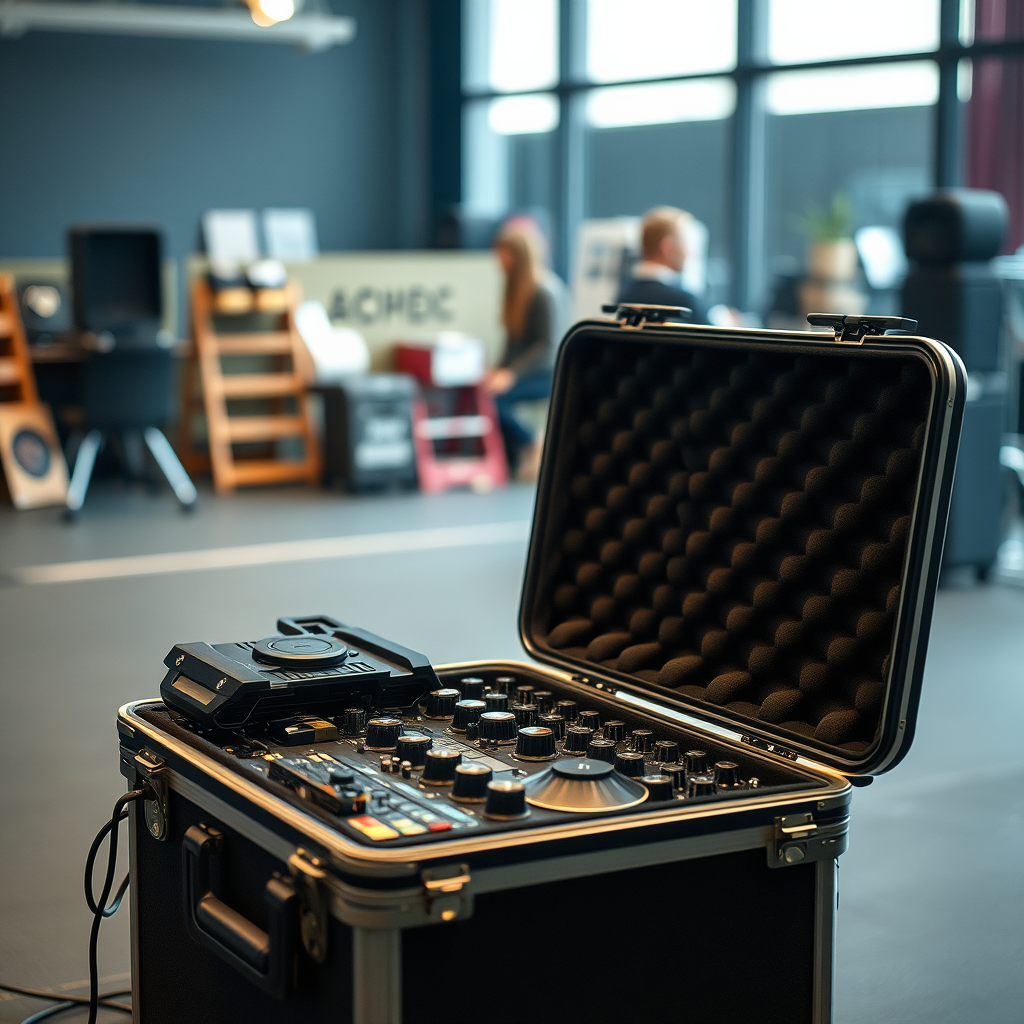
Investing in padded cases or covers specifically designed for your audio gear is a smart move. These protective accessories are designed to cushion your equipment against shocks and bumps, which can be detrimental during transportation or even just while stored. For example, a padded case for your microphone can prevent accidental drops from causing irreparable damage.
In addition to padded cases, using dust covers is essential when your equipment is not in use. Dust can accumulate quickly and, over time, may seep into the delicate internal components, leading to malfunctions. Opt for breathable fabric dust covers that allow for air circulation while keeping dust at bay.
Organize Cables and Accessories
Cables can be the Achilles’ heel of any audio setup. They tend to tangle easily, which not only makes them harder to access but can also lead to damage over time. To keep your cables in tip-top shape, bundle them neatly using Velcro ties or specialized cable organizers. This not only prevents tangling but also makes it easier to locate the right cable when you need it.
For accessories like microphones, stands, and adapters, consider designating specific compartments or bags for each item. This organization not only allows you to find what you need quickly but also protects the items from scratches and other potential damage. For instance, using a dedicated microphone bag can help prevent your sensitive mic from getting bumped or scratched when stored alongside heavier equipment.
Maintain Optimal Temperature and Humidity
Your audio equipment thrives in a stable environment. Aim for a temperature range ideally between 60°F and 75°F. Extreme cold can lead to brittle components, while excessive heat can warp plastics and damage internal circuitry.
In addition to temperature, humidity control is critical. Utilizing a dehumidifier can be an effective way to maintain appropriate moisture levels, especially in areas prone to dampness. Alternatively, humidity control packets can be placed in storage cases or areas to combat excess moisture. These small, affordable solutions can go a long way in preserving the integrity of your equipment over time.
Regularly Check and Clean Equipment
Routine inspections of your audio gear can catch potential issues before they become significant problems. Set a schedule—perhaps every few months—to check that all your equipment is functioning properly and is free from dust. During these inspections, look for signs of wear, such as frayed cables or loose connections.
Cleaning your equipment is equally important. Use appropriate cleaning materials; for surfaces, microfiber cloths are gentle yet effective. Avoid harsh chemicals that could damage finishes or leave residues. For example, instead of using standard glass cleaner on your mixer, opt for a cleaner that’s specifically designed for electronic equipment. Regular cleaning not only enhances performance but also prolongs the life of your audio gear.
Label and Document Your Gear
Creating an inventory list of your audio equipment may seem tedious, but it is incredibly beneficial. This document should include details like model numbers, specific storage requirements, and any maintenance schedules. Having this information at your fingertips can save you time and effort, particularly when preparing for a gig or session.
Moreover, labeling cases and shelves clearly will help you quickly identify and access your equipment. Consider using a label maker for a neat and professional look. Not only does this organization help you find gear faster, but it also ensures that everything is returned to its rightful place after use, reducing the likelihood of misplacing important items.
Storing audio equipment properly is essential to ensure its longevity and optimal performance. By following best practices for storage, you can protect your valuable gear from dust, moisture, temperature fluctuations, and physical damage. By choosing the right storage location, using protective cases, organizing cables, maintaining optimal environmental conditions, regularly checking and cleaning your equipment, and carefully documenting your gear, you can significantly extend the life of your audio equipment. Implementing these strategies will not only preserve your investment but also enhance your overall audio experience. So, take the time to set up your storage correctly, and enjoy the peace of mind that comes with knowing your gear is well taken care of!
Frequently Asked Questions
What is the best way to clean my audio equipment before storing it?
To clean your audio equipment effectively, start by using a soft, lint-free cloth to gently wipe down surfaces, removing dust and fingerprints. For more stubborn grime, slightly dampen the cloth with a mixture of water and isopropyl alcohol. Ensure that you avoid any moisture entering the device’s openings, and allow your equipment to dry completely before storage to prevent moisture damage.
How should I store microphones to ensure they stay in good condition?
Microphones should be stored in a cool, dry place, preferably in a padded case that protects them from physical damage and moisture. It’s essential to keep them upright and avoid placing heavy objects on top of them. Additionally, using a silica gel packet in the storage case can help absorb any excess moisture, ensuring longevity and optimal performance.
Why is it important to properly store audio equipment?
Properly storing audio equipment is crucial to prolong its lifespan and maintain its performance. Exposure to dust, humidity, and extreme temperatures can lead to deterioration, rust, and even malfunction. By following proper storage techniques, such as using protective cases and climate-controlled environments, you can safeguard your investment and ensure your audio equipment remains in optimal working condition.
Which types of storage solutions are best for audio equipment?
The best storage solutions for audio equipment include padded cases, racks, and climate-controlled cabinets. Padded cases provide protection during transport, while racks can organize and prevent equipment from being stacked improperly. Climate-controlled cabinets help regulate humidity and temperature, further protecting sensitive electronics from environmental damage.
What precautions should I take when storing audio cables and accessories?
When storing audio cables and accessories, it’s essential to avoid tangling and kinking by using cable ties or organizers. Store them in a dry, dark place to prevent exposure to sunlight, which can degrade materials over time. Additionally, consider labeling each cable for easy identification, and keep spare parts organized in a separate container to ensure everything is easily accessible when needed.
References
- Audio equipment
- https://www.thebalance.com/how-to-store-audio-equipment-2466062
- https://www.gramophone.co.uk/feature/10138/how-to-store-your-records-and-what-to-avoid
- https://www.soundonsound.com/techniques/storing-and-maintaining-your-gear
- Mix and Pro Sound News to Merge – Mixonline
- https://www.musictech.net/guides/buyers-guide/how-to-store-and-maintain-your-music-gear/
- https://www.npr.org/sections/monkeysee/2013/11/14/245805882/keeping-your-audio-gear-in-tip-top-shape
- https://www.arts.gov/publications/arts-and-the-environment/handling-and-storage-audio
- https://www.legacy.com/advice/organizing-your-audio-equipment/