
To protect your home audio system from power surges, invest in quality surge protectors, ensure proper grounding, and regularly check your electrical system. These steps can help safeguard your equipment from damage and ensure optimal performance. In this article, we’ll explore practical methods to shield your audio gear effectively.
Understanding Power Surges
A power surge is a sudden increase in electrical voltage that can result from various factors, including lightning strikes, utility company issues, or even the startup of large appliances in your home. These surges can significantly impact audio equipment, potentially leading to irreparable damage or degraded performance over time. For instance, sensitive components like amplifiers and receivers can be fried by a surge, causing expensive repairs or replacements. Understanding the nature of power surges is crucial; prevention is always better than dealing with the aftermath of damage.
Choosing the Right Surge Protector
Selecting a surge protector specifically designed for audio equipment is essential. Key features to consider include:
– Joule Rating: This indicates the amount of energy the surge protector can absorb before failing. Look for a minimum of 2,000 joules for home audio systems.
– Response Time: A lower response time (measured in nanoseconds) means the surge protector reacts quicker to incoming surges, providing better protection.
– Number of Outlets: Ensure it has enough outlets for your entire audio setup, including extra ones for potential future additions.
Reputable brands such as APC, Tripp Lite, and Furman offer models tailored for audio systems that provide robust protection without compromising sound quality. For example, the Furman M-8x AR is well-regarded for its efficiency in filtering power while maintaining audio clarity.
Proper Grounding Techniques
Grounding is a vital safety measure that can protect both you and your equipment. A properly grounded electrical system helps prevent surges caused by electrical faults. Here’s how to ensure your home’s electrical system is grounded correctly:
1. Check Your Main Electrical Panel: Ensure that the ground wire is securely connected to the grounding rod.
2. Inspect Outlets: Use a multimeter to check if your outlets are properly grounded. An electrician can help with any necessary corrections.
3. Use Grounded Power Cords: Ensure that all audio equipment uses three-pronged grounded cords.
A well-grounded system reduces the risk of electrical interference and enhances overall performance, providing a more stable power supply for your audio gear.
Regular Maintenance of Electrical Systems
Regularly maintaining your electrical systems is crucial for preventing surges. Signs of potential electrical issues include flickering lights, frequent circuit breaker trips, or burning smells from outlets. If you notice any of these problems, it’s time to consult a licensed electrician.
It is recommended to have your electrical system inspected at least every three to five years, depending on the age of your home and the condition of your wiring. This proactive approach can help you identify and rectify issues before they escalate into serious problems that might damage your audio equipment.
Top Surge Protectors for Audio Systems (2024)
| # | Model | Joule Rating | Response Time (ns) | Best For |
|---|---|---|---|---|
| 1 | Furman M-8x AR | 2,500 | 5 | Home Audio Systems |
| 2 | APC SurgeArrest | 3,000 | 3 | Multiple Devices |
| 3 | Tripp Lite Isobar | 4,000 | 1 | High-End Systems |
| 4 | Belkin SurgePlus | 2,200 | 8 | Basic Protection |
| 5 | Panamax MR4300 | 3,000 | 1.5 | Home Theater Systems |
| 6 | CyberPower CP1500AVRLCD | 1,800 | 2 | AVR Setup |
| 7 | Eaton 5S1500LCD | 1,500 | 4 | Compact Systems |
Additional Protective Measures
In addition to surge protectors and grounding, consider implementing further protective measures. An uninterruptible power supply (UPS) can provide continuous power during outages and can filter out voltage spikes. For audio equipment, a UPS with sine wave output is ideal, ensuring that your devices receive clean power.
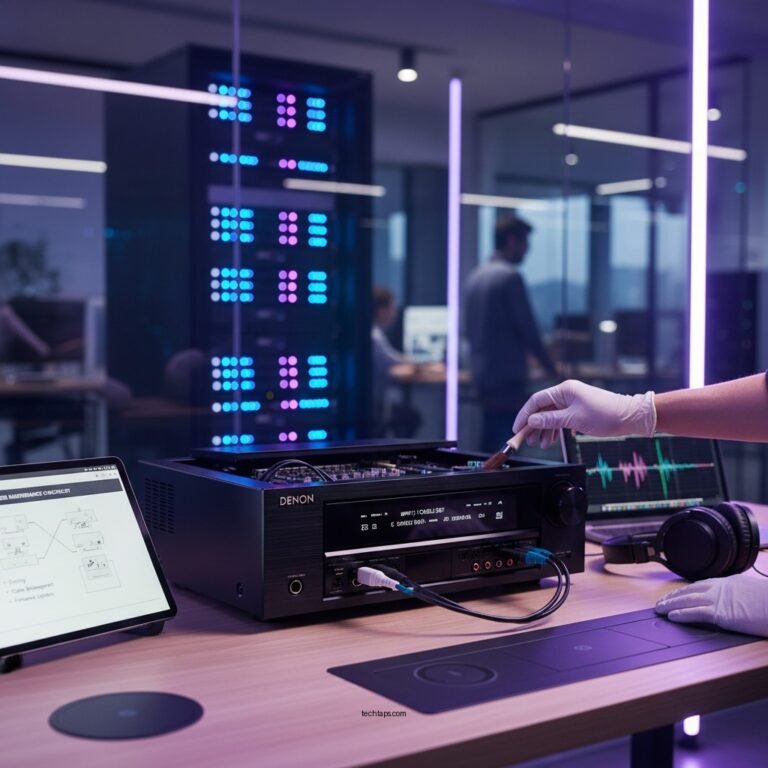
Furthermore, organizing and managing your cables can reduce the risk of surge-related issues. Use cable management solutions to avoid tangled cords, which can contribute to electrical interference and increase the risk of surges. Keeping cables away from power sources and high-voltage lines can also help mitigate risk.
Common Causes of Power Surges
Insurance and Warranty Considerations
Beyond physical protection, it’s prudent to check your insurance policies for coverage on electronics. Many homeowners’ policies offer limited protection against damage from power surges, but understanding the specifics is vital. If your audio equipment is valuable, you might consider additional coverage or a rider to protect against electrical surges.
Manufacturer warranties can also play a significant role in protecting your investment. Some warranties cover damage from surges, while others may not. Always read the fine print and consider purchasing additional protection plans if available.
In summary, understanding your insurance and warranty options can provide peace of mind, knowing that you have financial protection against unforeseen power surges.
To conclude, protecting your home audio system from power surges is not just about investing in the right equipment; it’s about a holistic approach that includes quality surge protectors, proper grounding, electrical maintenance, and thorough insurance checks. By taking these proactive steps, you can significantly reduce the risk of damage to your audio gear and ensure a more reliable and enjoyable listening experience. Take action today by assessing your current setup, investing in surge protection solutions, and maintaining your electrical systems to safeguard your audio investment for years to come.
Frequently Asked Questions
What are the best surge protectors for home audio systems?
The best surge protectors for home audio systems typically feature a high joule rating, which indicates the amount of energy they can absorb before failing. Look for units that offer additional features such as EMI/RFI filtering, multiple outlets, and a warranty that covers connected equipment. Brands like Tripp Lite and APC are well-regarded for their reliability and performance in protecting audio gear.
How can I tell if my audio system is protected from power surges?
To determine if your audio system is protected from power surges, check if it is connected to a surge protector or power conditioner. Additionally, inspect the equipment for any built-in surge protection features and confirm that the surge protector is rated appropriately for your system’s power requirements. Regularly test or replace surge protectors every few years to ensure continued protection.
Why is it important to protect my home audio system from power surges?
Protecting your home audio system from power surges is crucial because surges can cause irreversible damage to sensitive electronic components, leading to costly repairs or replacements. Power surges can occur from lightning strikes, utility company issues, or even when large appliances turn on and off. Investing in surge protection can extend the lifespan of your audio equipment and maintain sound quality.
Which power management solutions are effective for audio systems?
Effective power management solutions for audio systems include power conditioners, surge protectors, and uninterruptible power supplies (UPS). Power conditioners not only protect against surges but also enhance audio quality by filtering out electrical noise. A UPS provides backup power during outages, ensuring your audio system stays operational and protected from sudden power loss.
What steps can I take to further shield my audio equipment from electrical issues?
To further shield your audio equipment from electrical issues, consider using dedicated circuits for your audio system to minimize interference from other devices. Additionally, ensure that your home’s wiring is up to code and in good condition, as poor wiring can contribute to power problems. Regularly inspect your equipment and surge protectors for signs of wear and replace them as needed to maintain optimal protection.
References
- https://www.wikiwand.com/en/Surge_protector
https://www.wikiwand.com/en/Surge_protector - https://www.sciencedirect.com/topics/engineering/surge-protection
https://www.sciencedirect.com/topics/engineering/surge-protection - https://www.britannica.com/technology/surge-protector
https://www.britannica.com/technology/surge-protector - https://www.nist.gov/news-events/news/2016/03/how-protect-your-home-electronics-power-surge
https://www.nist.gov/news-events/news/2016/03/how-protect-your-home-electronics-power-surge - https://www.verywellhome.com/how-to-protect-your-electronics-from-surge-damage-5119562
https://www.verywellhome.com/how-to-protect-your-electronics-from-surge-damage-5119562 - https://www.electrical-engineering-portal.com/understanding-surge-protection-devices
https://www.electrical-engineering-portal.com/understanding-surge-protection-devices - https://www.scholar.google.com/scholar?q=how+to+protect+home+audio+system+from+power+surges Google Scholar
https://www.scholar.google.com/scholar?q=how+to+protect+home+audio+system+from+power+surges - https://www.scholar.google.com/scholar?q=surge+protection+for+audio+systems Google Scholar
https://www.scholar.google.com/scholar?q=surge+protection+for+audio+systems - https://www.scholar.google.com/scholar?q=electronic+surge+protection+techniques Google Scholar
https://www.scholar.google.com/scholar?q=electronic+surge+protection+techniques - https://www.cdc.gov/nceh/hsb/chemicals/surge_protectors.html
https://www.cdc.gov/nceh/hsb/chemicals/surge_protectors.html