
To effectively reduce audio feedback in a live sound setup, it is essential to understand the causes and implement strategic adjustments. Audio feedback can disrupt performances and diminish the overall sound quality, leading to an unsatisfactory experience for both performers and the audience. By recognizing the factors that contribute to feedback and applying the best practices outlined in this article, sound engineers and event organizers can create a clearer and more enjoyable auditory environment.
Understand the Causes of Audio Feedback
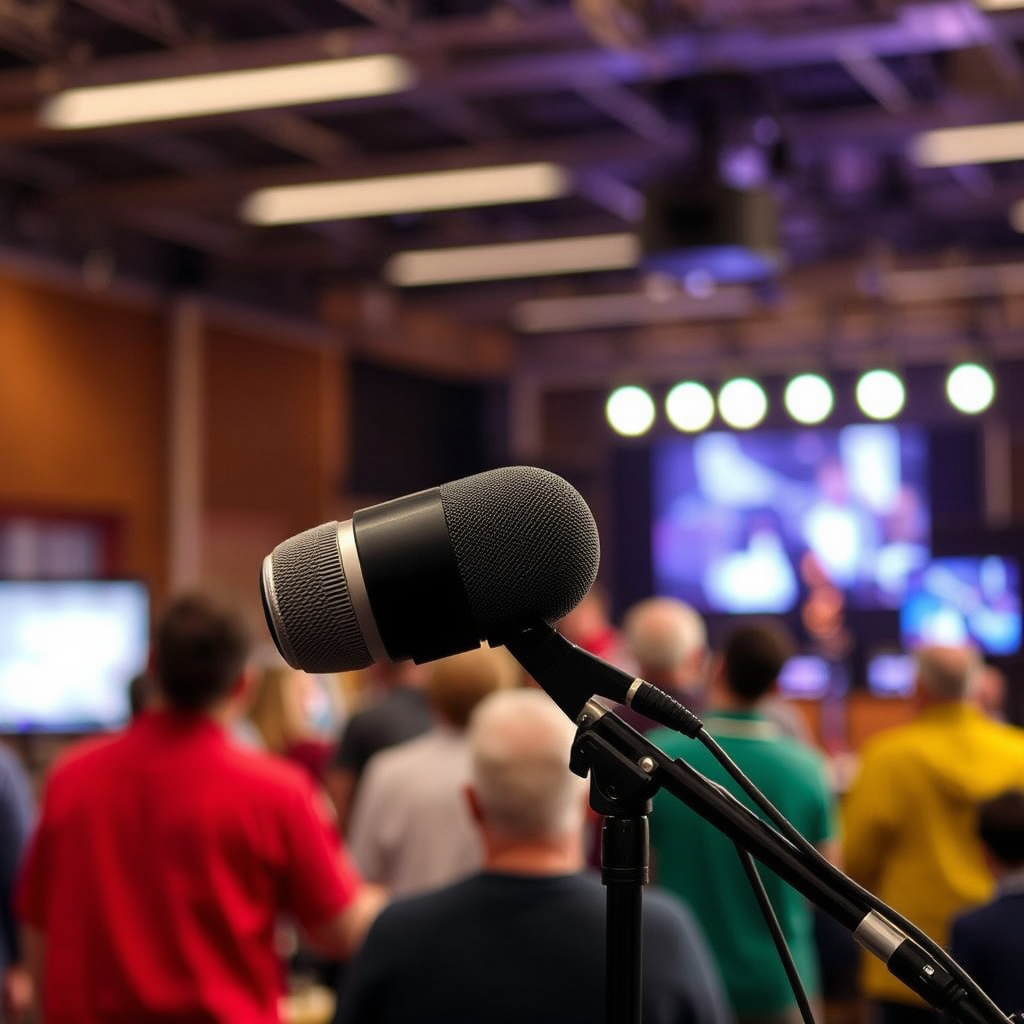
Audio feedback occurs when sound from speakers is re-amplified by microphones, creating a loop that results in the piercing squeal often heard during live events. This phenomenon can happen for several reasons, and understanding these causes is crucial for anyone involved in live sound production.
Microphone Placement: One of the primary factors contributing to feedback is the proximity of microphones to speakers. When microphones capture sound directly from the speakers, it can lead to immediate re-amplification.
Speaker Positioning: The orientation and location of speakers in relation to microphones also play a significant role. Poorly positioned speakers can direct sound waves back into the microphones, increasing the likelihood of feedback.
Excessive Gain Levels: High gain settings can amplify not just the intended signals, but also unwanted background noise and feedback frequencies. This can create an unstable sound environment, especially in dynamic live performances where sound levels fluctuate.
By identifying these causes, sound engineers can take proactive measures to mitigate audio feedback in their setups.
Adjust Microphone Placement
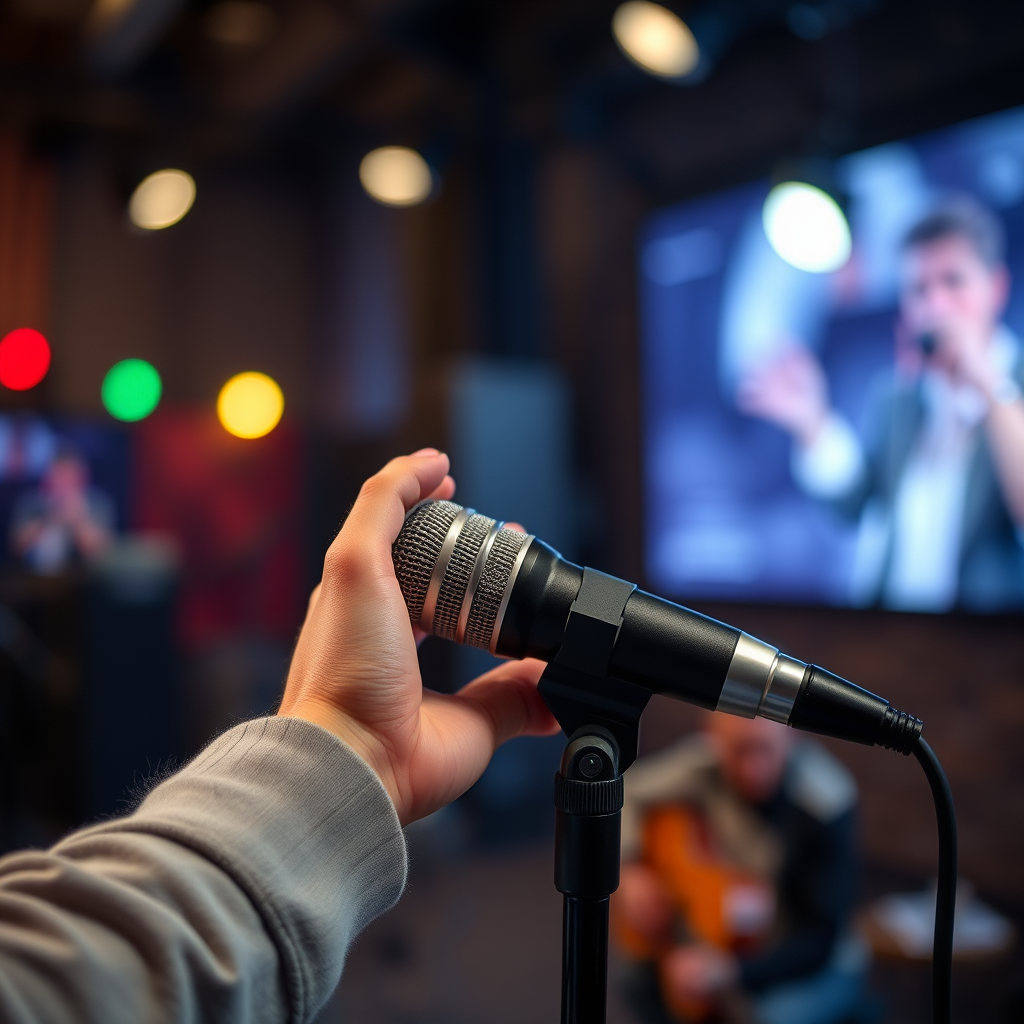
The placement of microphones is one of the most effective ways to combat audio feedback. Here are some practical strategies:
– Distance from Speakers: Position microphones as far from speakers as possible. Ideally, microphones should be placed in front of the sound source and away from the direct line of sound from the speakers. This can significantly reduce the chances of capturing feedback.
– Directional Microphones: Utilize directional microphones that are designed to pick up sound primarily from the front while rejecting off-axis noise. Cardioid and supercardioid microphones are excellent choices, as they focus on sound directly in front of them and minimize sound from the sides and rear.
– Proper Technique: Train performers to speak or sing directly into the microphone and avoid turning their heads away. This ensures the microphone captures the intended sound and reduces the risk of feedback by minimizing off-axis sound.
By implementing these adjustments, sound engineers can drastically reduce the potential for feedback during live performances.
Optimize Speaker Placement
Speaker positioning is just as critical as microphone placement. Here are some recommendations for optimizing the setup:
– Elevation: Elevate speakers above the audience head level. This positioning reduces the chances of sound waves being directed back into microphones, as the sound will travel downwards toward the audience rather than back up to the microphones.
– Directional Aiming: Aim speakers directly at the audience rather than at the microphones. This minimizes the overlap of sound waves that could be picked up by the microphones, thereby reducing feedback.
– Avoiding Reflective Surfaces: Be mindful of reflective surfaces within the venue. Position speakers away from walls and corners, which can bounce sound back toward the microphones. Using speaker stands or mounts can help achieve optimal positioning.
Implementing these strategies will create a more effective and feedback-resistant live sound environment.
Common Causes of Audio Feedback
| # | Cause | Impact Level | Mitigation Technique |
|---|---|---|---|
| 1 | Microphone Proximity | High | Adjust distance |
| 2 | Speaker Positioning | Medium | Reposition speakers |
| 3 | Excessive Gain | High | Lower gain levels |
| 4 | Reflective Surfaces | Medium | Change speaker angles |
| 5 | Improper Microphone Type | High | Use directional mics |
| 6 | Improper Sound Check | High | Conduct thorough checks |
| 7 | Environmental Noise | Medium | Minimize background noise |
Control Gain Levels
Controlling gain levels is pivotal in managing audio feedback in live sound setups. Here are several strategies to effectively handle gain:
– Mixer Settings: Adjust the gain levels on your mixer to ensure that only necessary sound signals are amplified. Start with lower gain settings and gradually increase until you reach the desired level without inducing feedback.
– Sound Check: Conduct a thorough sound check in the actual performance environment. This allows you to identify any potential feedback issues and adjust levels accordingly before the performance begins.
– Monitor Levels: Use visual monitoring tools, such as LED level indicators, to keep track of gain levels during the performance. This will help you react quickly if feedback begins to occur.
By carefully managing gain levels, sound engineers can create a more stable audio environment and significantly reduce the likelihood of feedback.
Implement Equalization Techniques
Equalization (EQ) is a powerful tool for combating audio feedback. Here’s how to effectively use EQ to enhance sound quality:
– Identifying Problem Frequencies: Use a frequency analyzer during sound checks to identify frequencies that are prone to feedback. These frequencies often fall within the mid to high-range spectrum.
– Applying Notch Filters: Once problematic frequencies are identified, apply a notch filter to cut these frequencies from the mix. This can help prevent feedback without significantly affecting the overall sound quality.
– Regular Adjustments: Continuously monitor sound during the performance and make real-time EQ adjustments as necessary. This ensures that any feedback issues can be addressed promptly.
Using EQ effectively can lead to a clearer sound and a more enjoyable experience for everyone involved.
Utilize Feedback Suppressors
In addition to traditional methods, feedback suppressors can provide a layer of protection against audio feedback in live settings. Here’s how they work:
– Automatic Detection: Feedback suppressors are designed to automatically detect feedback frequencies and reduce their gain. This is particularly useful in dynamic environments where sound levels can change rapidly.
– Integration with Mixing Consoles: Many feedback suppressors can be integrated with modern mixing consoles, allowing for seamless operation during performances.
– Real-Time Adjustments: These devices can make adjustments in real-time, helping to maintain a stable sound environment without requiring constant attention from the sound engineer.
While feedback suppressors are not a replacement for proper setup and adjustment techniques, they can be an invaluable tool for enhancing sound quality and minimizing feedback.
Regular Maintenance and Testing
To ensure optimal performance and minimize feedback, regular maintenance and testing of audio equipment are essential:
– Equipment Checks: Conduct routine checks on microphones, speakers, and mixing consoles to ensure they are functioning correctly. Look for any signs of wear or damage that could affect sound quality.
– Testing in Various Environments: Test your setup in different venues to identify unique acoustical challenges that may lead to feedback. This can help you prepare for specific adjustments needed in each location.
– Training Staff: Ensure that all staff involved in the audio setup are trained to recognize and troubleshoot feedback issues. This can lead to quicker resolutions during performances.
By committing to regular maintenance and testing, sound engineers can significantly reduce the likelihood of feedback and enhance the overall sound experience.
Effectiveness of Feedback Prevention Techniques
By understanding the causes of audio feedback and implementing these techniques, you can significantly enhance the quality of sound in your live setup. Troubleshooting feedback issues requires patience and practice, but with the right adjustments, you can ensure a more enjoyable experience for both performers and the audience. Ultimately, effective management of audio feedback involves a combination of strategic microphone and speaker placements, gain control, equalization, and regular maintenance practices, enabling a seamless auditory experience.
Frequently Asked Questions
What are the main causes of audio feedback in a live sound setup?
Audio feedback typically occurs when a microphone picks up sound from a speaker and re-amplifies it, creating a loop. Common causes include improper microphone placement, excessive volume levels, and the use of directional microphones that are not correctly aimed away from the speakers.
How can I adjust microphone placement to reduce audio feedback?
To minimize audio feedback, position microphones as far away from speakers as possible and avoid pointing them directly towards the speakers. Additionally, using microphone stands to elevate the mic can help create a better angle and distance, thus reducing the likelihood of feedback.
Why is speaker placement important in preventing audio feedback?
Speaker placement is crucial because it determines how sound waves interact with microphones. Positioning speakers in front of the microphones and angling them downward can help prevent the sound from being picked up and re-amplified, effectively reducing the risk of feedback.
What are the best tools or equipment to prevent audio feedback in live sound?
The best tools for preventing audio feedback include graphic equalizers, feedback eliminators, and digital signal processors (DSPs). These devices can help identify and suppress problematic frequencies, allowing for a cleaner sound without the disruptive feedback.
Which audio settings should I adjust to reduce feedback during a live performance?
To reduce feedback, focus on lowering the gain levels of microphones and adjusting the EQ settings to cut frequencies that are prone to feedback, typically around 2kHz to 4kHz. Additionally, using a compressor can help control peaks in sound levels, further minimizing the chances of feedback during a performance.
References
- Audio feedback
https://en.wikipedia.org/wiki/Audio_feedback - https://www.sciencedirect.com/topics/engineering/audio-feedback
https://www.sciencedirect.com/topics/engineering/audio-feedback - https://pubmed.ncbi.nlm.nih.gov/28308956/
https://pubmed.ncbi.nlm.nih.gov/28308956/ - https://www.ncbi.nlm.nih.gov/pmc/articles/PMC5372998/
https://www.ncbi.nlm.nih.gov/pmc/articles/PMC5372998/ - https://www.britannica.com/science/audio-feedback
https://www.britannica.com/science/audio-feedback - Hydatidiform Mole – StatPearls – NCBI Bookshelf
https://www.ncbi.nlm.nih.gov/books/NBK459155/ - Google Scholar Google Scholar
https://scholar.google.com/scholar?q=How+to+Reduce+Audio+Feedback+in+a+Live+Sound+Setup - Google Scholar Google Scholar
https://scholar.google.com/scholar?q=Audio+Feedback+Reduction+Techniques - Google Scholar Google Scholar
https://scholar.google.com/scholar?q=Live+Sound+Setup+Audio+Feedback - https://www.wwu.edu/av/feedback.shtml
https://www.wwu.edu/av/feedback.shtml