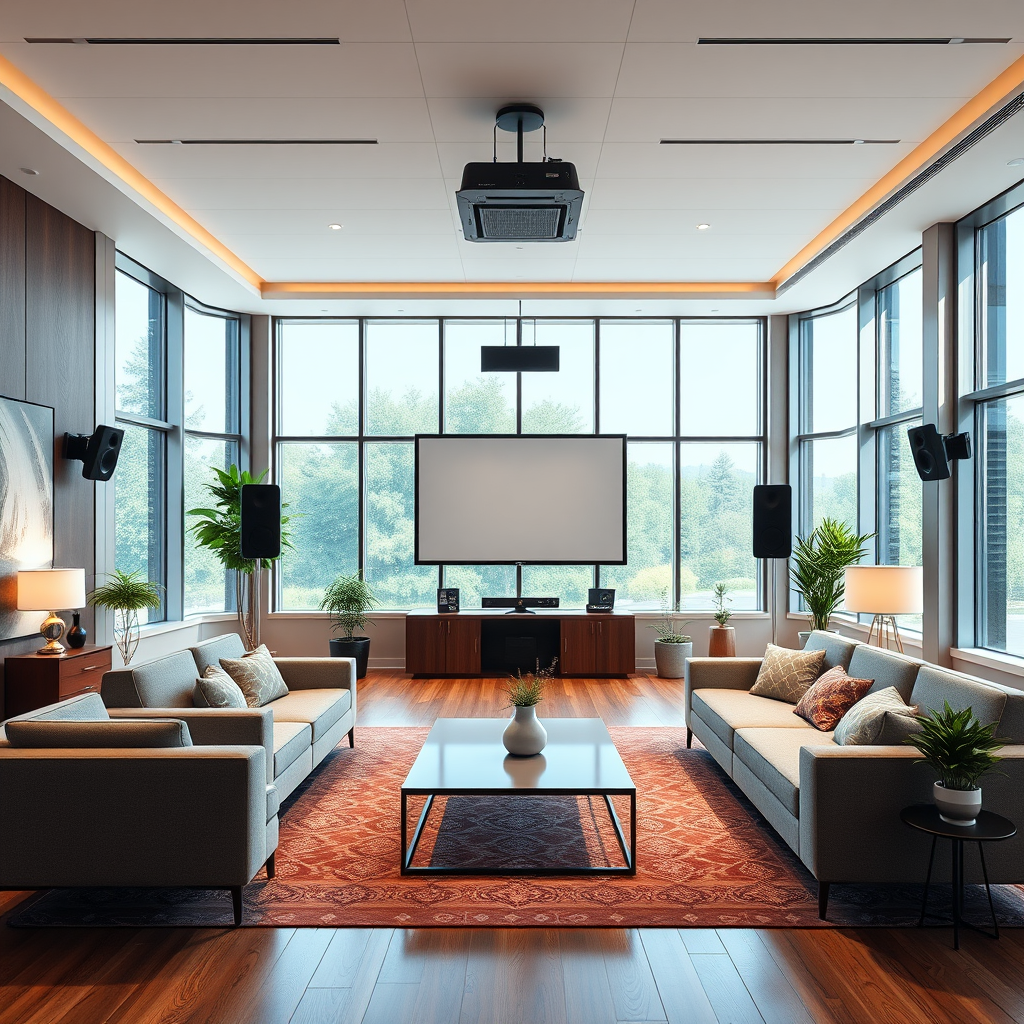

Setting up an effective audio system in large conference rooms or auditoriums is essential to ensure clear sound for all attendees, regardless of their seating position. This process involves careful planning, choosing the right equipment, and implementing best practices in audio configuration. In this article, you will learn about the critical components of audio systems, effective microphone and speaker placements, and essential testing and training to create an optimal audio experience that enhances communication during events.
Understanding the Space
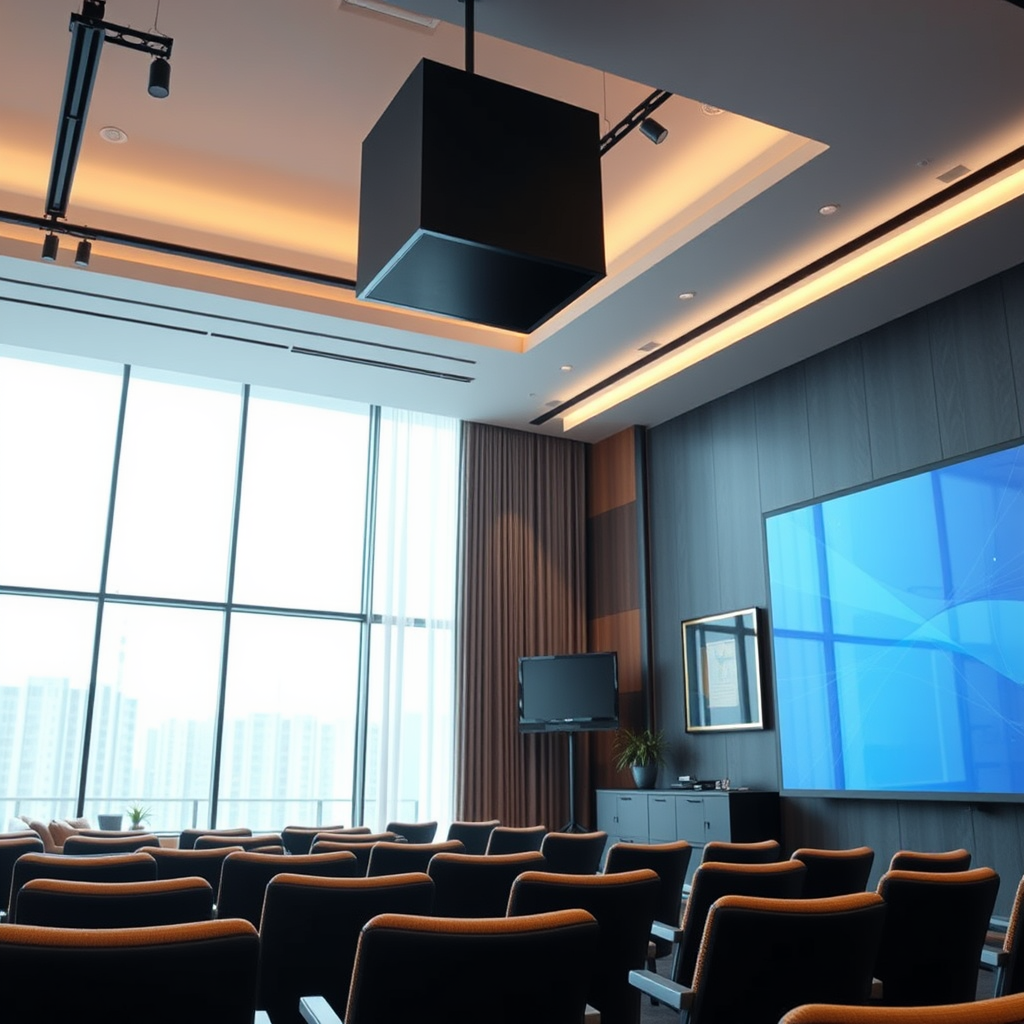
The first step in setting up an audio system is to thoroughly understand the physical space. Assessing the size and shape of the room is crucial as it directly influences the type and quantity of audio equipment needed. For instance, a long, narrow room might require different speaker placements compared to a square auditorium.
Acoustics also play a significant role in sound quality. Hard surfaces like glass and concrete can cause echoes, while soft materials like carpets and curtains help absorb sound. Therefore, you may need to consider acoustic treatments, such as installing sound panels or using drapes, to minimize distortion and improve clarity. Additionally, it’s advisable to conduct a walk-through of the space at various points to identify potential sound issues that might arise during an event.
Choosing the Right Equipment
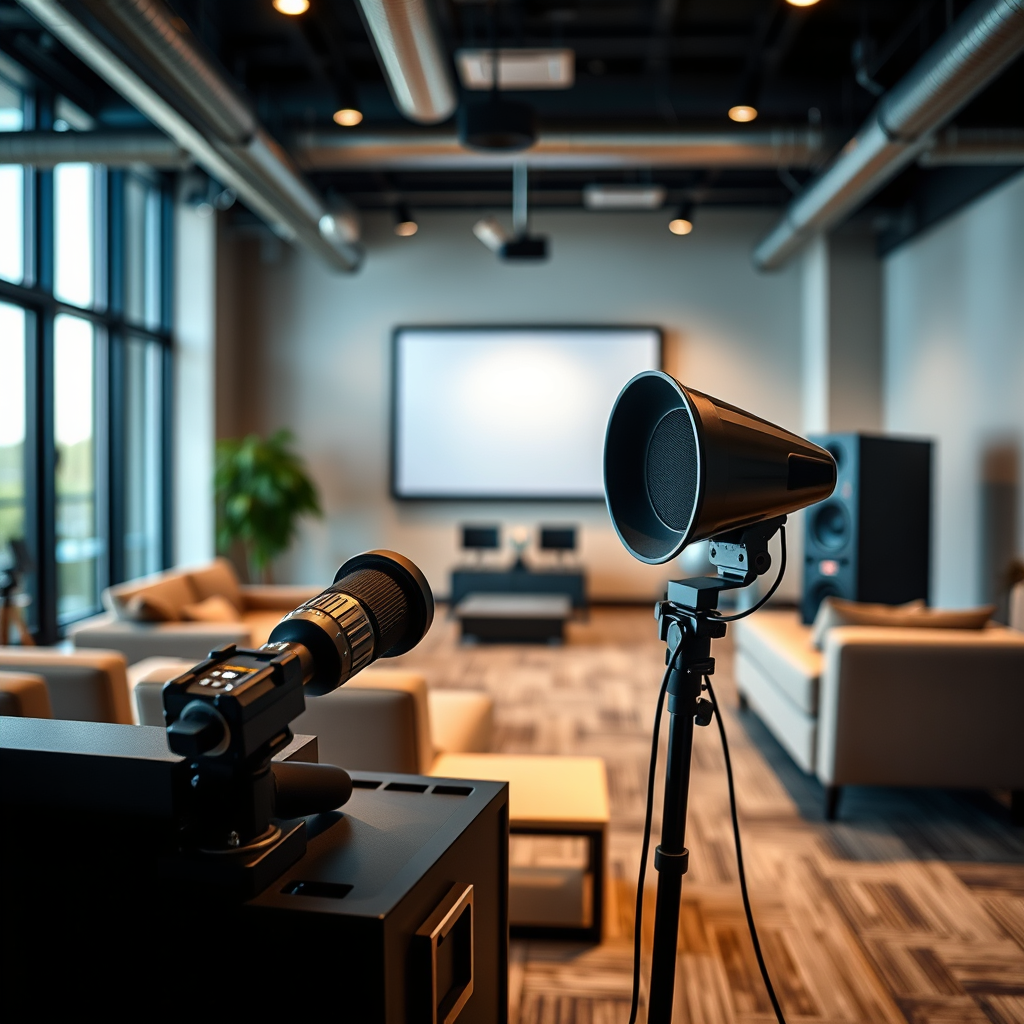
Selection of the appropriate audio equipment is vital for creating an effective audio experience. The essential components include microphones, speakers, amplifiers, and mixers.
1. Microphones: Depending on the nature of the event, you might need handheld microphones for speakers, lapel microphones for presenters, and boundary microphones for panel discussions.
2. Speakers: Choose high-quality speakers that can accommodate the room’s size. Consider using line array speakers for larger auditoriums; these can cover more extensive areas without sacrificing sound quality.
3. Mixers and Amplifiers: A good mixer allows you to manage sound levels from various sources, while amplifiers ensure that sound reaches every corner of the room.
4. Wireless Systems: In large venues, wireless microphone systems can help eliminate clutter and provide flexibility for speakers to move around without being tethered to a cable.
Microphone Selection and Placement
Choosing the right type of microphone is crucial for capturing clear audio. Here’s a breakdown of options:
– Handheld Microphones: Ideal for speakers who prefer to roam the stage. They are versatile and can be used for audience participation during Q&A sessions.
– Lapel Microphones: Best suited for presenters who require hands-free operation. These are clipped to clothing and are less obtrusive.
– Boundary Microphones: Perfect for panel discussions as they can be placed on a table and pick up sound from multiple speakers.
Proper placement is also critical. For handheld microphones, encourage speakers to hold them at an appropriate distance from their mouth, while lapel mics should be positioned at the chest level. Boundary microphones should be placed strategically to avoid picking up unwanted noise from the audience.
Popular Microphone Types for Conference Settings
| # | Microphone Type | Use Case | Pros | Cons |
|---|---|---|---|---|
| 1 | Handheld | Versatile Speaking | Mobility | Requires Holding |
| 2 | Lapel | Presentations | Hands-Free | Limited Range |
| 3 | Boundary | Panels | Captures Multiple Voices | Placement Sensitivity |
Speaker Setup and Configuration
The configuration of speakers is critical to ensure that sound is evenly distributed throughout the venue. Position speakers to minimize sound reflections and dead zones. Here are some practical tips:
1. Main Speakers: Place main speakers at the front of the room, slightly angled towards the audience for direct sound delivery.
2. Fill Speakers: In larger venues, you may require additional fill speakers located throughout the room to cover areas that main speakers cannot reach effectively.
3. Subwoofers: If your event includes music or multimedia presentations, consider incorporating subwoofers to enhance low frequencies.
4. Testing Speaker Placement: Conduct a walk-through test to identify any areas with poor sound coverage and adjust speaker placements accordingly.
Testing and Fine-Tuning the System
Before the event, it is essential to conduct thorough sound checks to ensure that all components are functioning correctly. During testing, pay attention to the following:
– Volume Levels: Ensure that sound levels are balanced across all microphones and speaker outputs. Adjust the mixer settings accordingly.
– Clarity: Listen for any distortions or echoes during the sound check. If issues arise, revisit the microphone placements or speaker configurations to resolve them.
– Feedback Elimination: Test for feedback loops by gradually increasing volume levels to pinpoint any problematic frequencies.
Gather feedback from participants during test runs. This can provide valuable insights into the audio quality and allow for adjustments before the actual event.
Troubleshooting Common Issues
Technical issues can arise unexpectedly, so it’s vital to prepare for potential interruptions. Here are common problems and solutions:
– Feedback: This often occurs when microphones pick up sound from the speakers. To mitigate this, adjust microphone positions and speaker angles.
– Connectivity Problems: Ensure that all connections are securely made and that wireless systems are fully charged. Have spare batteries and cables readily available.
– Sound Quality Issues: If attendees report muffled or distorted sound, revisit the mixer settings and speaker placements.
Always have backup equipment available, such as extra microphones and speakers, to swiftly address any technical difficulties during the event.
Training Staff and Users
Effective use of the audio system requires proper training for both staff and presenters. Here are some best practices:
1. Staff Training: Provide comprehensive training for event staff on how to operate the audio equipment. This includes understanding the mixer, handling microphones, and troubleshooting common issues.
2. Guidelines for Presenters: Offer presenters guidelines on how to use microphones effectively. Emphasize the importance of maintaining the appropriate distance from the microphone and speaking clearly.
3. Mock Presentations: Conduct mock presentations to give both staff and presenters a chance to practice using the equipment in a controlled environment.
By ensuring that all personnel are well-trained, you can avoid technical hiccups and enhance the overall audio experience during events.
To summarize, setting up an audio system in large conference rooms or auditoriums involves a comprehensive understanding of the space, careful equipment selection, strategic microphone and speaker placement, thorough testing, and effective training. By following these steps, you can create a seamless audio experience that significantly enhances communication and engagement during events. Proper planning and execution will ensure that every attendee enjoys clear, high-quality sound, making your events more impactful and memorable.
Frequently Asked Questions
What are the key components needed to set up an audio system in a large conference room or auditorium?
The key components for an effective audio system setup include microphones (wired or wireless), mixers, amplifiers, speakers, and sound processing equipment such as equalizers. It’s essential to select high-quality equipment that matches the size of the space to ensure clear sound distribution and minimize feedback.
How can I determine the right microphone type for my conference room audio system?
To choose the right microphone type, consider the setting and purpose of your events. For presentations, lavalier microphones are ideal for speakers, while handheld mics work well for Q&A sessions. Additionally, boundary microphones can be used for panel discussions to capture sound from multiple directions.
Why is soundproofing important when setting up an audio system in large venues?
Soundproofing is crucial because it helps eliminate external noise interference, ensuring that the audio quality remains clear and professional. Proper soundproofing reduces echo and reverberation, allowing for optimal sound clarity, which is especially important in large conference rooms and auditoriums where acoustics can be challenging.
What is the best way to position speakers in a large auditorium for maximum sound coverage?
The best practice for speaker positioning is to place them at ear level and evenly distribute them throughout the space to create a balanced sound field. Consider using a combination of front, side, and rear speakers to ensure that sound reaches all areas without creating dead zones or overwhelming certain sections with volume.
Which factors should I consider when selecting an audio mixer for my conference room setup?
When selecting an audio mixer, consider the number of inputs and outputs you require based on the devices you’ll connect, such as microphones and instruments. Additionally, look for features like built-in effects, ease of use, and compatibility with other audio equipment to ensure a smooth operation during events.
References
- Sound system
https://en.wikipedia.org/wiki/Sound_system - https://www.nist.gov/publications/sound-systems-large-venues
https://www.nist.gov/publications/sound-systems-large-venues - https://www.auditoriumdesign.com/white-papers/a-guide-to-audio-systems-in-large-conference-rooms
https://www.auditoriumdesign.com/white-papers/a-guide-to-audio-systems-in-large-conference-rooms - https://www.audioholics.com/how-to-articles/how-to-design-audio-systems-in-large-rooms
https://www.audioholics.com/how-to-articles/how-to-design-audio-systems-in-large-rooms - Google Scholar Google Scholar
https://scholar.google.com/scholar?q=setting+up+audio+systems+in+large+conference+rooms - Google Scholar Google Scholar
https://scholar.google.com/scholar?q=audio+systems+in+auditoriums - https://www.tandfonline.com/doi/full/10.1080/17508975.2020.1795164
https://www.tandfonline.com/doi/full/10.1080/17508975.2020.1795164 - https://www.jstor.org/stable/10.5325/jsoctheorystudieduc.12.1.0125
https://www.jstor.org/stable/10.5325/jsoctheorystudieduc.12.1.0125 - https://www.acoustics.org/press/2023/03/setting-up-audio-systems-for-large-venues/
https://www.acoustics.org/press/2023/03/setting-up-audio-systems-for-large-venues/ - https://www.sciencedirect.com/science/article/pii/S2351978921001026
https://www.sciencedirect.com/science/article/pii/S2351978921001026