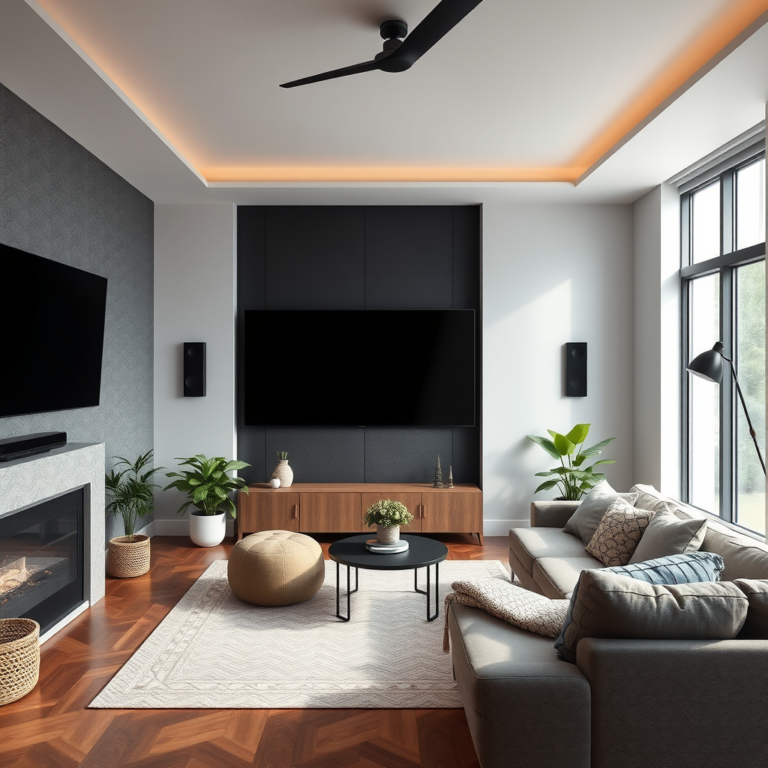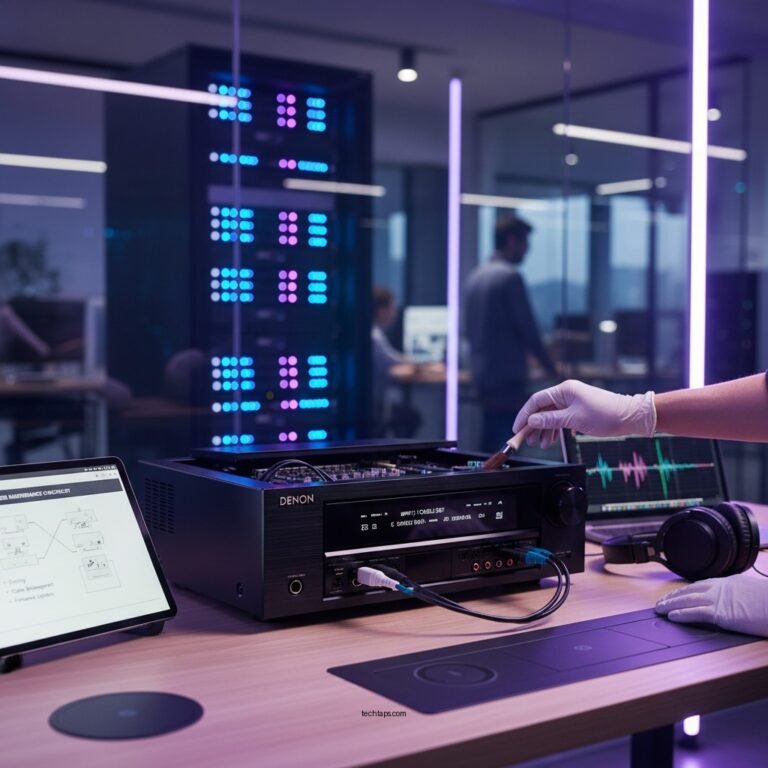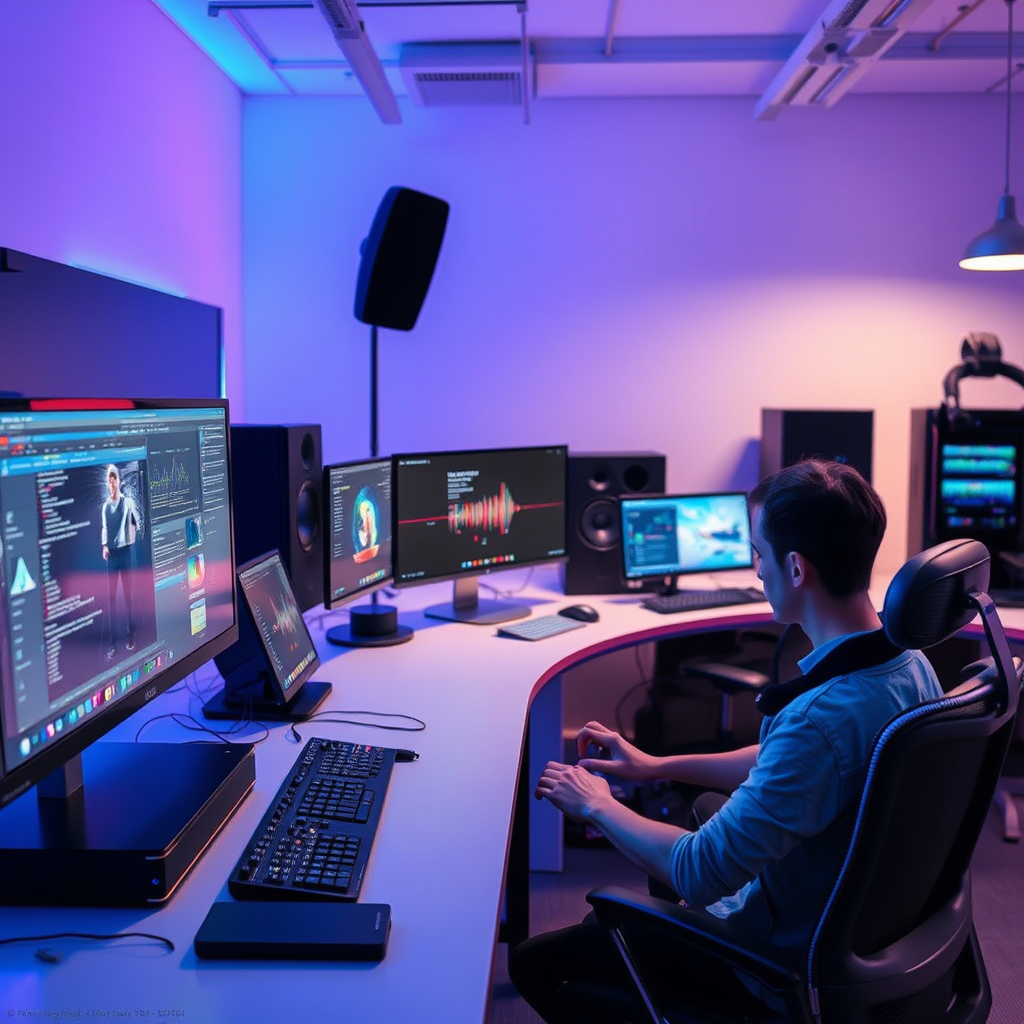

Room correction technology can dramatically enhance sound quality by tailoring audio output to match the unique acoustics of your room. By employing sophisticated algorithms that analyze sound waves, this technology helps to eliminate unwanted echoes and resonances, resulting in a much cleaner and more enjoyable listening experience. In this article, we will delve into the effective implementation of room correction technology, explore its many benefits, and provide practical steps to optimize your listening environment.
Understanding Room Correction Technology
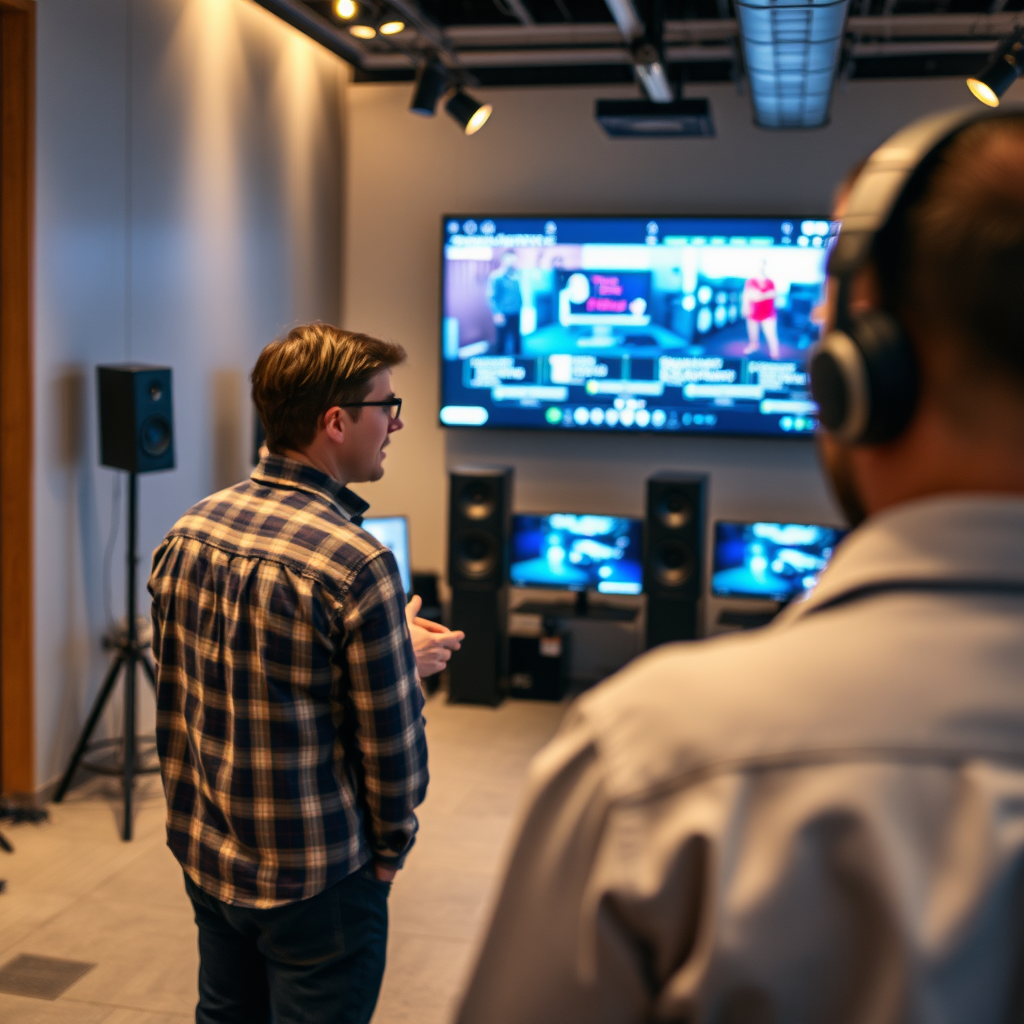
Room correction technology functions by assessing the acoustic properties of a space and identifying areas where sound may not be optimal. This analysis typically involves the use of calibrated microphones that capture the audio response of the room at various frequencies. The system then employs advanced algorithms to adjust the audio output, compensating for any deficiencies caused by the room’s shape, size, or materials. For instance, hard surfaces may create echoes, while soft furnishings may absorb sound. By correcting these anomalies, room correction technology ensures that what you hear is as close to the original recording as possible, providing a more authentic audio experience.
Benefits of Room Correction
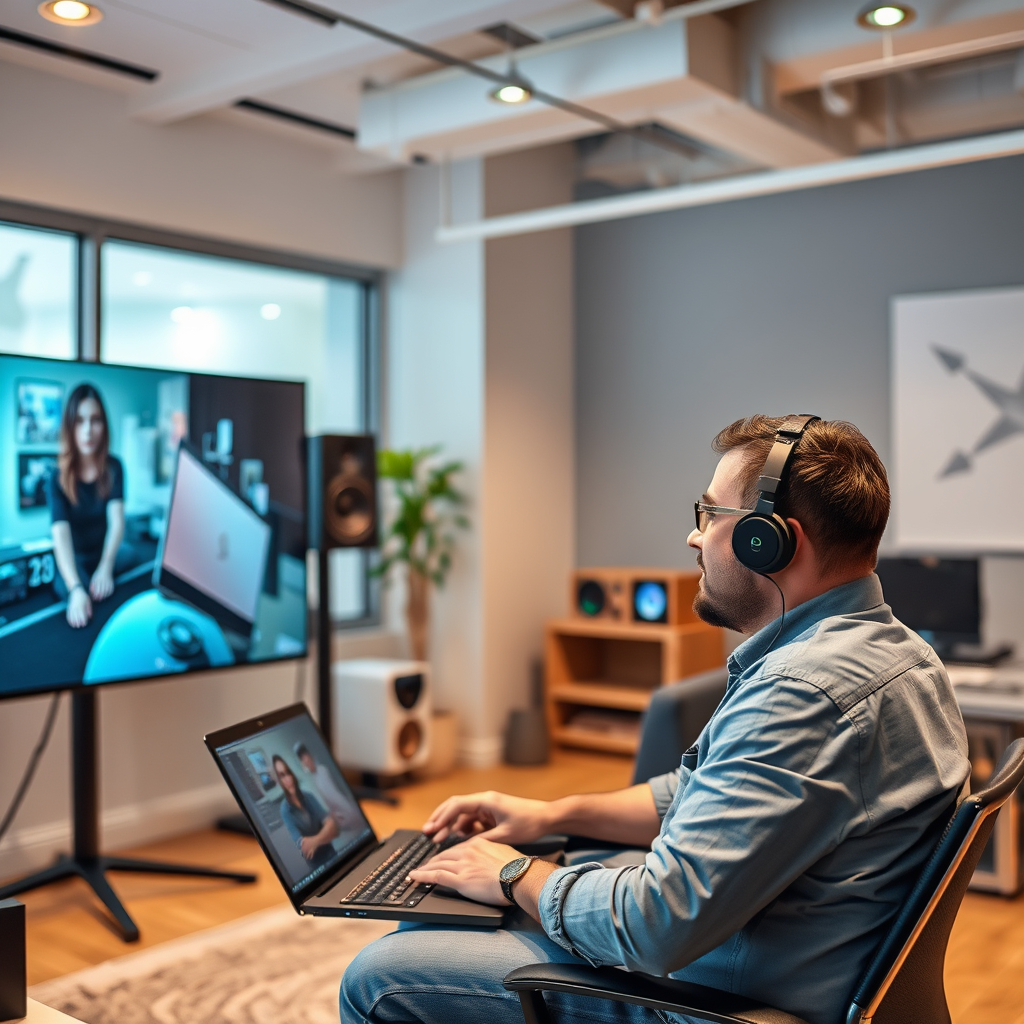
The primary benefit of room correction is the significant improvement in audio clarity and detail. By addressing frequency imbalances, listeners can experience a richer soundstage, making individual instruments and vocals more distinguishable. This is particularly beneficial for audiophiles and professionals who rely on accurate sound reproduction. Moreover, room correction technology creates customized sound profiles that adapt to different environments. Whether you’re listening in a small bedroom or a large living room, this technology optimizes performance, ensuring that every listening experience is tailored to the specific acoustics of the space.
Types of Room Correction Systems
There are two main categories of room correction systems: hardware solutions and software applications.
1. Hardware Solutions: These include dedicated audio processors and receivers equipped with built-in room correction technology. Brands like Denon, Marantz, and Yamaha are known for their high-quality processors that offer comprehensive correction capabilities. These devices often come with user-friendly interfaces that allow for easy setup and adjustments.
2. Software Applications: Software solutions, such as Dirac Live or Sonarworks SoundID, can be integrated into existing audio systems. These applications analyze your room’s acoustics and provide correction profiles that can be applied directly to your audio output. They are often more cost-effective and can be updated easily as new features become available.
Top 7 Room Correction Systems (2024)
| # | System | Type | Accuracy | Best For |
|---|---|---|---|---|
| 1 | Dirac Live | Software | High | Audiophiles |
| 2 | Sonarworks SoundID | Software | Medium | Professionals |
| 3 | Audyssey MultEQ | Hardware | High | Home Theaters |
| 4 | Yamaha YPAO | Hardware | Medium | Casual Listeners |
| 5 | MCACC (Pioneer) | Hardware | High | Home Theaters |
| 6 | Trinnov Audio | Hardware | Very High | High-End Systems |
| 7 | Bose RoomMatch | Hardware | Medium | Live Sound |
Setting Up Room Correction Technology
To effectively set up room correction technology, you need to follow a systematic approach:
1. Measure Your Room’s Acoustics: Begin by using a calibrated microphone to measure the acoustic properties of your room. This step is crucial as accurate data is essential for effective correction. Many systems come with specific microphones designed for this purpose.
2. Calibrate the System: Once you have collected the measurements, follow the setup instructions provided by your room correction system. This often involves connecting the microphone to your audio device, running the calibration software, and allowing it to analyze the data. The system will then create a tailored correction profile based on the results.
3. Test Different Listening Positions: After calibration, it’s beneficial to test the sound in various listening positions. This can help identify any remaining issues that might need further adjustment.
4. Fine-Tune Settings: Many systems allow for manual adjustments post-calibration. Explore these options to optimize the sound further based on personal preferences.
Common Challenges and Solutions
While implementing room correction technology can significantly improve sound quality, several challenges may arise:
– Poor Microphone Placement: One of the most common issues is improper microphone placement, which can lead to inaccurate corrections. Ensure that the microphone is positioned at ear level and in the center of the listening area for the best results.
– Room Conditions: Changes in room conditions, such as added furniture or alterations in layout, can affect acoustic properties. Regular updates and recalibrations are advised to maintain optimal sound quality. Schedule these checks periodically to adapt to any changes in your environment.
– Over-Reliance on Technology: While room correction can address many acoustic issues, it’s important not to rely solely on it. Combining this technology with good speaker placement and acoustic treatments can yield the best results.
Effectiveness of Room Correction Technologies
Tips for Optimizing Sound Quality Post-Correction
To further enhance your sound quality after implementing room correction technology, consider the following tips:
1. Experiment with Speaker Placement: The position of your speakers can have a significant impact on sound quality. Try different placements to find the most effective configuration that reduces reflections and enhances clarity.
2. Adjust Furniture Arrangement: The layout of your furniture can influence acoustics as well. Soft furnishings can absorb sound, while hard surfaces can reflect it. Experimenting with placements can help in achieving a balanced sound.
3. Incorporate Acoustic Treatments: Adding sound panels, bass traps, or diffusers can further improve sound quality. These treatments help to manage sound reflections and absorption, creating a more controlled acoustic environment.
4. Regularly Update Calibration: As your room evolves, so should your sound setup. Regularly recalibrating your system will ensure that it continues to perform at its best.
In conclusion, room correction technology represents a significant advancement in achieving superior sound quality tailored to individual listening environments. By understanding its principles, benefits, and how to implement it effectively, you can create an audio experience that is not only enjoyable but also true to the artist’s vision. Remember that the key to optimal sound quality lies in proper setup and ongoing adjustments, so don’t hesitate to explore various room correction solutions to transform your listening experience. Whether you are an audiophile or a casual listener, investing in this technology can lead to a remarkable improvement in how you enjoy music and sound.
Frequently Asked Questions
What is room correction technology and how does it work?
Room correction technology is a system designed to analyze the acoustics of a room and adjust audio output to optimize sound quality. It uses microphones to measure sound at different points in the room, identifying issues like echoes or dead spots, and then applies digital signal processing to correct these anomalies, ensuring a clearer and more balanced listening experience.
How can I implement room correction technology in my home audio system?
To implement room correction technology in your home audio system, start by choosing a receiver or audio processor that includes this feature. After setting up the microphone provided with the device, follow the on-screen instructions to perform a series of measurements throughout your room, allowing the system to create a tailored correction profile for your specific environment.
Why is room correction important for improving sound quality?
Room correction is important because even the best audio equipment can sound subpar if the room itself is not acoustically optimized. Factors like room shape, furniture placement, and hard surfaces can distort sound waves, leading to imbalances and poor audio clarity. By using room correction, you can mitigate these effects, enhancing overall sound fidelity and creating a more immersive listening experience.
What are the best room correction systems available on the market?
Some of the best room correction systems available include Dirac Live, Audyssey MultEQ, and Sonarworks SoundID. These systems offer advanced calibration features that allow for precise adjustments based on your room’s unique acoustic properties, making them ideal for audiophiles and casual listeners alike seeking to enhance sound quality.
Which factors should I consider when choosing a room correction technology for my setup?
When choosing a room correction technology, consider compatibility with your existing audio equipment, ease of use, and the specific features offered, such as frequency response adjustment or multi-channel support. Additionally, look for systems that provide robust measurement capabilities and user-friendly interfaces, ensuring you can achieve optimal sound quality without extensive technical knowledge.
References
- Room acoustics
https://en.wikipedia.org/wiki/Room_acoustics - https://www.ncbi.nlm.nih.gov/pmc/articles/PMC5840373/
https://www.ncbi.nlm.nih.gov/pmc/articles/PMC5840373/ - https://pubmed.ncbi.nlm.nih.gov/28050589/
https://pubmed.ncbi.nlm.nih.gov/28050589/ - https://www.sciencedirect.com/science/article/pii/S2210670721000260
https://www.sciencedirect.com/science/article/pii/S2210670721000260 - https://www.nature.com/articles/s41598-020-75860-2
https://www.nature.com/articles/s41598-020-75860-2 - Google Scholar Google Scholar
https://scholar.google.com/scholar?q=Room+Correction+Technology - Google Scholar Google Scholar
https://scholar.google.com/scholar?q=Improving+Sound+Quality+with+Room+Correction - Google Scholar Google Scholar
https://scholar.google.com/scholar?q=Acoustic+Room+Correction+Techniques - https://www.bbc.com/future/article/20200130-how-to-make-your-home-audio-sound-better
https://www.bbc.com/future/article/20200130-how-to-make-your-home-audio-sound-better - https://www.oregon.gov/odot/Projects/Pages/TransportationNoise.aspx
https://www.oregon.gov/odot/Projects/Pages/TransportationNoise.aspx