
Soundproofing your home theater is essential for achieving an immersive audio experience without distractions from the outside world. The best materials not only reduce noise but also enhance sound quality. By selecting the right soundproofing solutions, you can transform your theater into an oasis of entertainment. In this article, we’ll explore various soundproofing options, their effectiveness, and how to choose the right materials for your setup.
Understanding Soundproofing Basics
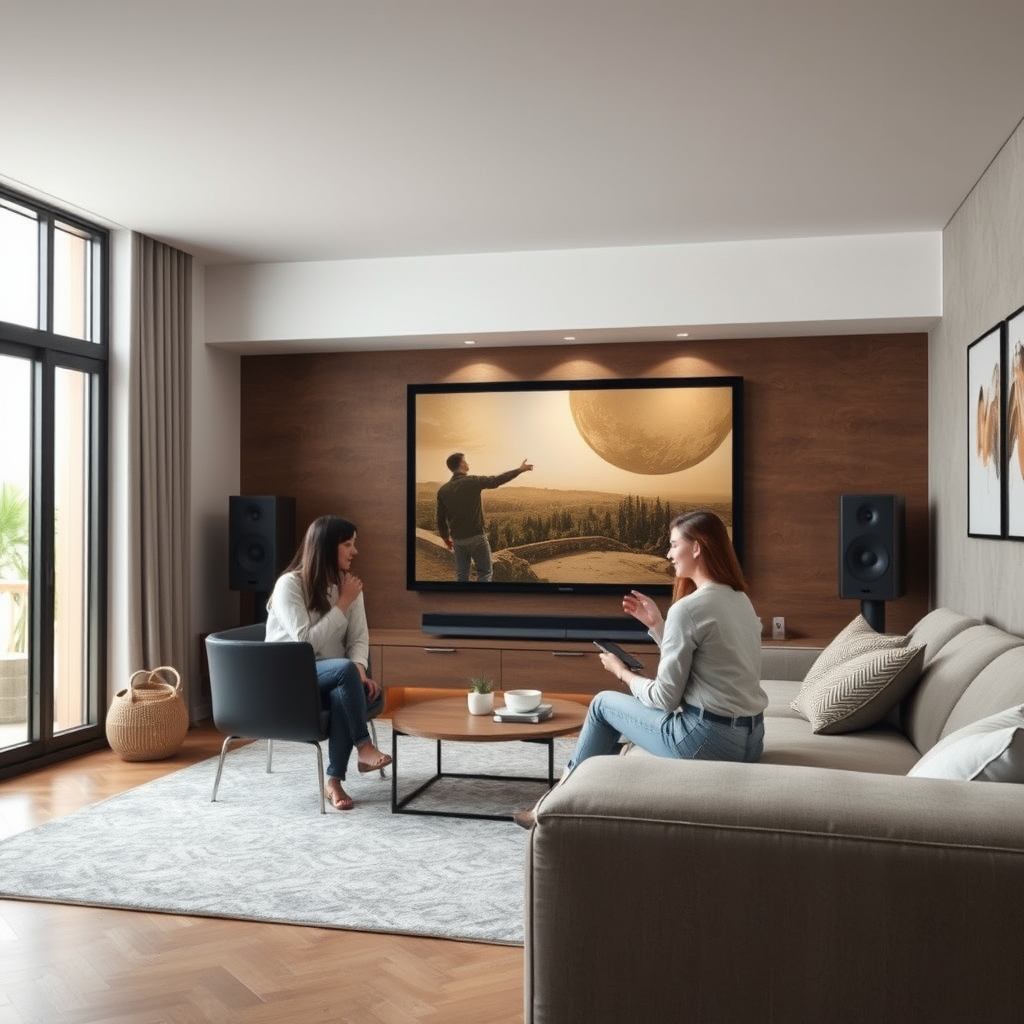
Before diving into specific materials, it’s important to understand the fundamentals of soundproofing. Sound can be categorized into two main types: airborne noise and impact noise. Airborne noise travels through the air, including sounds like voices, music, and TV audio. Impact noise, on the other hand, is generated by physical impacts, such as footsteps or objects dropping.
When it comes to effective soundproofing, three key principles come into play: mass, damping, and decoupling. Mass refers to the weight of the materials used; heavier materials tend to block sound better. Damping involves using materials that absorb sound vibrations, thereby reducing noise transmission. Lastly, decoupling means creating a separation between surfaces (like walls or floors) to prevent sound from transferring directly. Understanding these basics will help you make informed choices about which soundproofing materials are best for your home theater.
Acoustic Panels
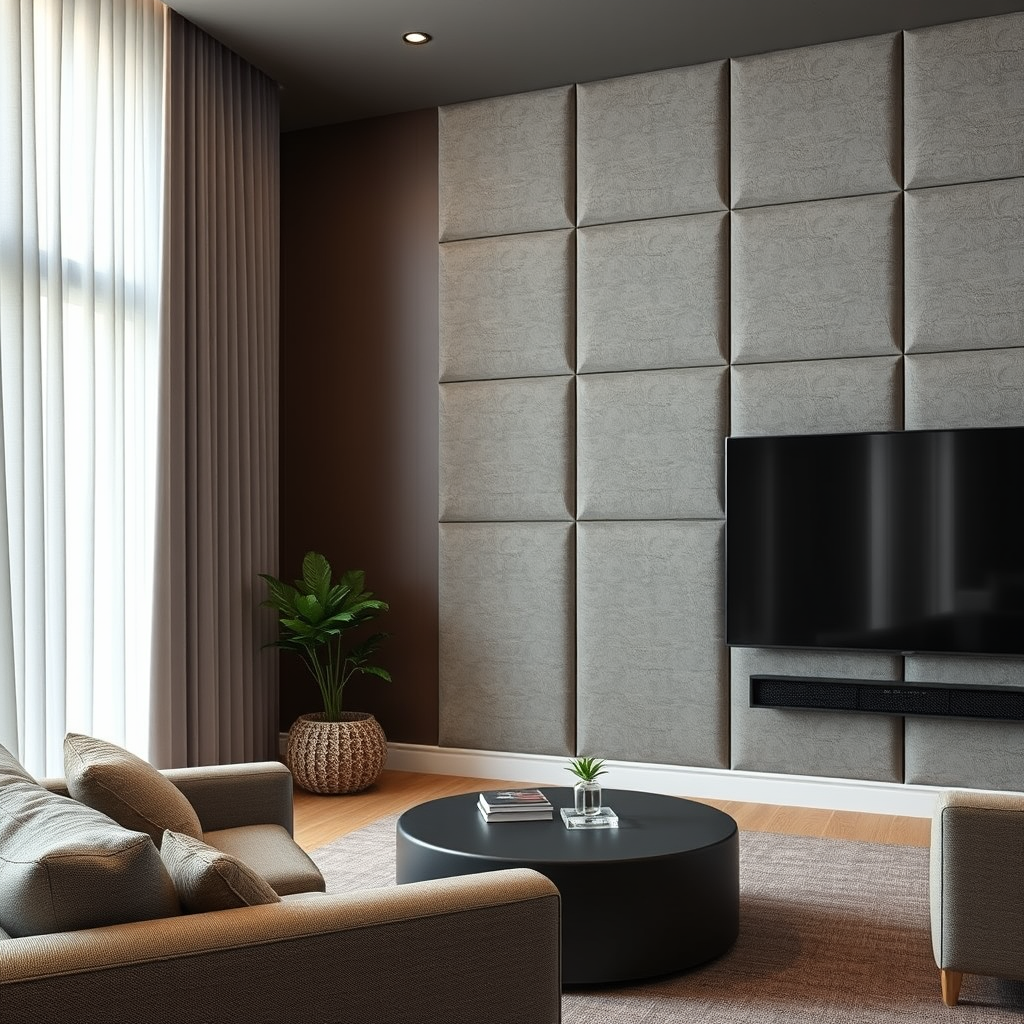
Acoustic panels are vital for improving sound quality in your home theater. Their primary purpose is to absorb sound waves and reduce echo, resulting in a clearer audio experience. These panels come in various materials, including foam, fabric-wrapped panels, and fiberglass options.
Foam panels are popular due to their affordability and ease of installation. They can be easily mounted on walls or ceilings and come in different shapes and sizes. Fabric-wrapped panels offer a more aesthetically pleasing option, allowing you to customize colors and patterns to match your décor while effectively absorbing sound. Fiberglass panels, while more expensive, provide excellent sound absorption and are often used in professional settings.
When selecting acoustic panels, consider the size of your theater, the layout, and your personal style preferences. Strategically placing these panels at reflection points—where sound waves bounce off surfaces—can significantly enhance your audio experience.
Soundproofing Insulation
Another effective way to soundproof your home theater is through soundproofing insulation. There are several types to choose from, including fiberglass, cellulose, and foam board insulation.
Fiberglass insulation is one of the most common choices due to its excellent sound-dampening properties and affordability. It’s typically installed within wall cavities, which helps to fill gaps and minimize noise transmission between rooms. Cellulose insulation, made from recycled paper, offers similar benefits and is an environmentally friendly option. Foam board insulation can be used in specific applications, such as soundproofing basement ceilings or exterior walls.
Installing soundproofing insulation provides several benefits beyond noise reduction. It can also improve energy efficiency by regulating temperature, making your home theater more comfortable throughout the year.
Soundproof Drywall
For those looking to take soundproofing to the next level, soundproof drywall is a fantastic option. Unlike standard drywall, soundproof drywall is designed to be denser and heavier, providing better sound isolation.
Brands like Green Glue and QuietRock offer specialized soundproofing drywall that uses advanced technology to minimize sound transmission. Green Glue, for instance, is a viscoelastic compound that is applied between two layers of standard drywall, significantly reducing noise. QuietRock, on the other hand, is a pre-fabricated soundproof drywall that is easier to work with and offers excellent sound attenuation.
When choosing soundproof drywall, consider the thickness and density, as these factors will impact its effectiveness in blocking sound. Installation can be a bit more complex than standard drywall, but the results are often well worth the effort.
Door and Window Treatments
Doors and windows are common culprits for sound leakage in home theaters. To effectively soundproof these areas, it’s crucial to seal any gaps. Weather stripping is a simple, cost-effective solution that can be applied around doors and windows to create a soundproof seal. Additionally, soundproof door sweeps can be installed at the bottom of doors to block sound from entering or exiting the room.
When it comes to windows, consider investing in acoustic glass or soundproof window inserts. Acoustic glass is specially designed to block a significant amount of sound and can be a great upgrade for your theater. For a more budget-friendly option, soundproof window inserts can be added to existing windows, providing an additional layer of sound insulation without the need for a full window replacement.
Floor and Ceiling Solutions
The choice of flooring and ceiling materials can also impact soundproofing in your home theater. Carpeting is a popular choice because it not only absorbs sound but also adds a cozy feel to the room. However, if you’re looking for a more modern look, underlayment materials can be installed beneath hard surfaces like laminate or hardwood floors to provide sound insulation.
Rubber flooring is another excellent soundproofing solution, especially for home theaters that may also serve as multipurpose spaces. It’s durable, easy to clean, and provides excellent sound absorption.
For ceilings, acoustic tiles and suspended ceiling systems can significantly enhance sound quality. Acoustic tiles help absorb sound, preventing echo and improving clarity during movie screenings or gaming sessions. If you have the budget, a suspended ceiling system can create an effective sound barrier while also hiding any unsightly wiring or ductwork.
DIY vs. Professional Installation
When it comes to soundproofing your home theater, you might wonder whether to tackle the project yourself or hire a professional. DIY soundproofing can be a rewarding experience and often saves money. Many of the materials mentioned, such as acoustic panels and insulation, are relatively easy to install with some basic tools and a little research.
However, there are instances when hiring a professional is the better option. Complex installations, like soundproof drywall or advanced ceiling systems, may require expertise to ensure that they are installed correctly for maximum effectiveness. Professionals can also provide valuable insights and recommendations tailored to your specific space, making the investment worthwhile.
By weighing the pros and cons of DIY versus professional installation, you can make a choice that best suits your skills, budget, and desired outcome.
By understanding the various soundproofing materials available for home theaters, you can create an environment that enhances your viewing and listening experience. From acoustic panels and insulation to specialized drywall and effective window treatments, each element plays a vital role in noise reduction and sound quality. Choose the right combination of products that suit your space and budget, and don’t hesitate to consult with professionals if needed to get the best results. Your home theater deserves to be as immersive as possible, so invest the time and resources into soundproofing it effectively!
Frequently Asked Questions
What are the best soundproofing materials for home theaters?
The best soundproofing materials for home theaters include acoustic panels, mass-loaded vinyl, soundproof drywall, and insulation batts. Acoustic panels absorb sound waves to reduce echo, while mass-loaded vinyl adds density to walls and ceilings, preventing sound transmission. Soundproof drywall combines density with a sound-dampening layer, effectively blocking noise. Additionally, insulation batts can be installed within walls or ceilings to further enhance soundproofing by minimizing sound leakage.
How can I effectively soundproof my home theater?
To effectively soundproof your home theater, start with the walls by adding soundproof drywall or mass-loaded vinyl to create a barrier. Sealing gaps with acoustical caulk will also help prevent sound leakage. Consider adding acoustic panels to absorb sound within the room, and use carpets or rugs to reduce floor noise. Lastly, ensure your doors and windows are properly sealed and consider using specialized soundproof curtains for added sound attenuation.
Why is soundproofing important for home theaters?
Soundproofing is crucial for home theaters because it enhances the overall viewing and listening experience by minimizing external noise interference and preventing sound leakage to other rooms. This ensures immersive audio quality and allows you to enjoy movies and music without disruptions. Additionally, effective soundproofing can improve sound clarity and reduce echoes, making dialogue and sound effects more defined and enjoyable.
Which soundproofing material is most cost-effective for a home theater?
Acoustic foam panels are often considered one of the most cost-effective soundproofing materials for home theaters. They are affordable, easy to install, and effective at absorbing sound waves, which can help reduce echoes and enhance audio quality. Another budget-friendly option is using heavy curtains or blankets, which can also help block sound from entering or leaving the room without breaking the bank.
What are the common mistakes to avoid when soundproofing a home theater?
Common mistakes to avoid when soundproofing a home theater include neglecting to seal gaps and cracks, which can allow sound to escape or enter. Additionally, using only one type of soundproofing material instead of a combination can lead to suboptimal results. Failing to consider the room’s acoustics and layout can also hinder effectiveness; for instance, not placing acoustic panels in strategic locations may result in uneven sound absorption. Lastly, overlooking the importance of addressing the floor and ceiling can leave significant sound leakage points.
References
- Soundproofing
- https://www.acoustics.org/press/173-1
- https://www.asa.org/asa/faq/soundproofing.html
- https://www.sciencedirect.com/science/article/pii/S2213138817301018
- https://www.cdc.gov/nceh/ehs/ehsnet/Indoor_Air_Quality.htm
- https://www.nibs.org/page/Research_Reports
- Indoor Air Quality (IAQ) | US EPA
- News | NSF – U.S. National Science Foundation