

Smart contact lenses are an innovative solution that allows for continuous monitoring of glucose levels in individuals with diabetes. These advanced lenses provide a convenient and non-invasive way to track blood sugar levels, enhancing diabetes management. Imagine having the ability to monitor your glucose levels seamlessly throughout the day without the discomfort of finger pricks. This groundbreaking technology not only aims to improve the quality of life for those living with diabetes but also empowers them to make informed decisions about their health. In this article, we’ll explore how smart contact lenses work, their benefits, potential challenges, and what the future holds for this technology.
How Smart Contact Lenses Work
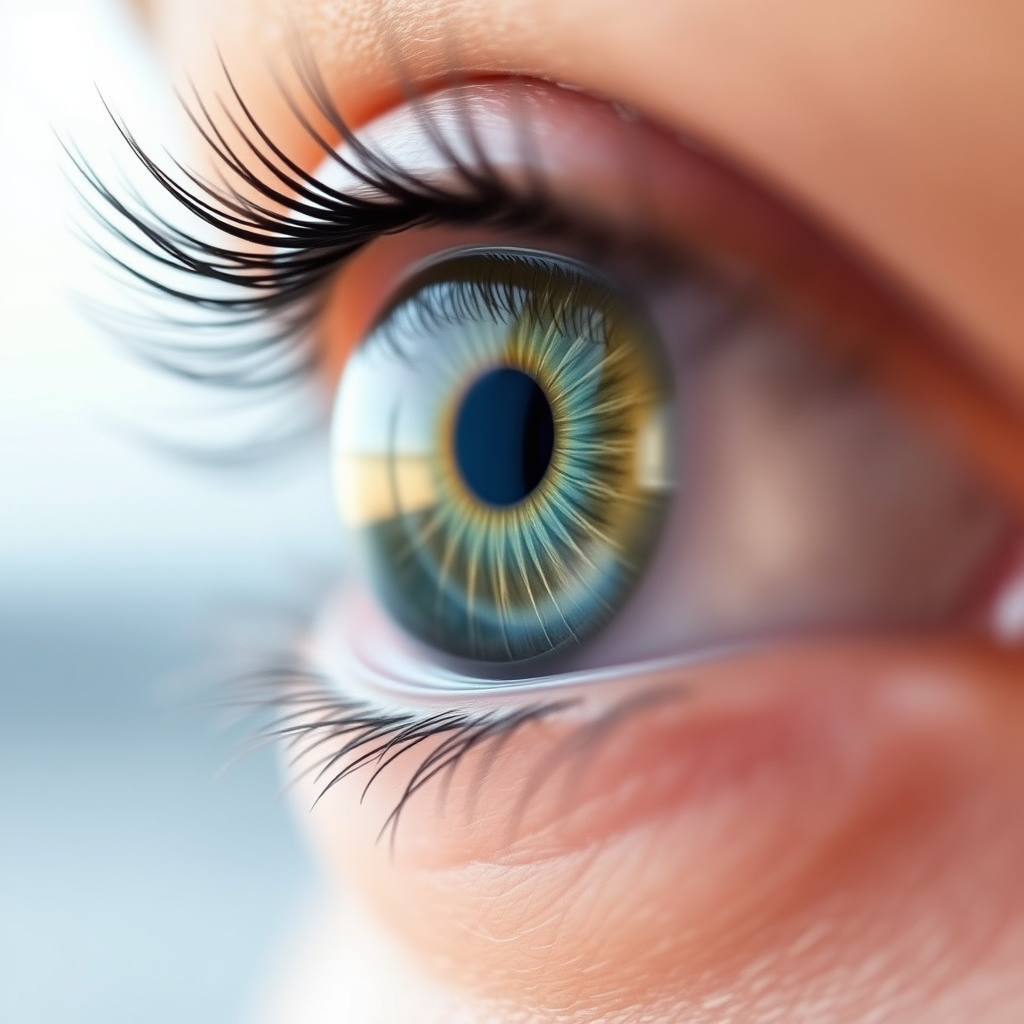
Smart contact lenses utilize embedded sensors that detect glucose levels in the tears of the wearer. These sensors operate on the principle that glucose concentrations in tears correlate closely with blood glucose levels. When glucose levels fluctuate, the sensors collect this data and convert it into readable information. This data is then transmitted wirelessly to a connected smartphone or monitoring device via Bluetooth technology.
The process is remarkably streamlined. Users can simply wear the lenses throughout the day, and the real-time data collected will be accessible through a user-friendly app. This app not only displays current glucose levels but may also provide alerts for high or low readings, enabling timely interventions before issues escalate. The convenience of having continuous monitoring at one’s fingertips can significantly enhance a user’s ability to manage their diabetes effectively.
Benefits of Smart Contact Lenses

One of the most significant benefits of smart contact lenses is the non-invasive method of glucose monitoring. Traditional methods require frequent finger pricks, which can be uncomfortable and sometimes lead to anxiety about blood sugar management. Smart lenses eliminate this barrier, allowing users to monitor their glucose levels without physical pain or disruption to their daily routines.
Additionally, smart contact lenses provide real-time glucose monitoring, which is a game changer for diabetes management. With traditional blood glucose meters, users often have to wait for a specific time to take readings, potentially missing important fluctuations that could affect their health. The continuous data flow from smart lenses means users can observe trends and adjust their diet or insulin levels appropriately, leading to improved overall health outcomes.
Comparison with Traditional Monitoring Methods
When comparing smart contact lenses to traditional blood glucose meters, several key differences come to light. Traditional meters require users to draw blood, which can be a cumbersome and often painful process. In contrast, smart contact lenses gather data passively without any discomfort.
Moreover, traditional glucose monitoring typically provides readings only at specific intervals, whereas smart lenses offer continuous data tracking. This continuous insight allows users to identify patterns and predict changes in their glucose levels, ultimately leading to smarter decision-making regarding food intake and medication dosages.
However, it’s essential to recognize the limitations of each approach. Traditional blood glucose meters are well-established and can be more accurate in specific situations, especially if the sensor technology in smart lenses has calibration issues. Users who rely heavily on precise measurements may prefer sticking with traditional methods until smart lens technology matures further.
Potential Challenges and Limitations
Despite their promising advantages, smart contact lenses do face several challenges and limitations. One major concern is sensor accuracy and calibration. While the technology is evolving, there may be instances where the glucose readings from the lenses do not align perfectly with those from a traditional blood meter. This discrepancy could lead to confusion or mismanagement of insulin doses, which is critical for individuals with diabetes.
Comfort and wearability are other vital factors to consider. While many users may find the concept of smart lenses appealing, the actual experience of wearing them for extended periods can vary. There may be concerns regarding dryness, irritation, or the general feel of having a device in the eye. Manufacturers will need to ensure that their products are designed with user comfort in mind to encourage widespread adoption.
Current Research and Development
Ongoing research and development in the field of smart contact lenses is vibrant and promising. Various studies are being conducted to assess the efficacy and accuracy of these lenses in diverse populations. For example, partnerships between tech companies such as Google and healthcare firms have led to advancements in sensor technology, data transmission, and user interface design.
Additionally, clinical trials are essential for understanding how smart contact lenses perform in real-world settings. These trials help refine the technology and ensure that it meets the needs of users effectively. For instance, researchers are looking into how these lenses can integrate with other health monitoring devices, enhancing the overall diabetes management experience.
The Future of Smart Contact Lenses
The future of smart contact lenses is bright, with predictions suggesting rapid advancements in technology and functionality. As the technology matures, we may see features like built-in augmented reality overlays that display glucose levels directly in the user’s field of vision. This could revolutionize how individuals interact with their health data in real time.
Integration with other health monitoring devices is also likely to become more prevalent. Imagine a scenario where your smart contact lenses communicate with a smartwatch or a continuous glucose monitor, providing a comprehensive overview of your health metrics at a glance. Such innovations could lead to more personalized healthcare solutions and improved health outcomes for individuals with diabetes.
As more advancements come to light, it’s essential for users to stay informed and actively discuss with their healthcare providers whether smart contact lenses could be a beneficial option for their diabetes management.
The development of smart contact lenses represents a significant leap forward in diabetes care, offering a promising alternative to traditional glucose monitoring methods. By providing a non-invasive, real-time solution for glucose tracking, these lenses have the potential to transform how individuals manage their condition. As research continues and technology evolves, there’s a good chance that smart contact lenses will become a standard tool for many people living with diabetes. Stay informed about the latest advancements and consider discussing with your healthcare provider if smart contact lenses could be right for you!
Frequently Asked Questions
What are smart contact lenses and how do they monitor glucose levels?
Smart contact lenses are innovative wearable devices designed to be worn like traditional contact lenses but equipped with advanced technology that allows them to monitor glucose levels in tears. These lenses typically utilize micro-sensors to detect glucose concentration, providing real-time data to users through a connected app or device. This technology aims to offer a non-invasive alternative for people with diabetes, eliminating the need for frequent finger-prick blood tests.
How effective are smart contact lenses in monitoring glucose compared to traditional methods?
Smart contact lenses can provide a continuous and non-invasive method of monitoring glucose levels, which may enhance user compliance and comfort compared to traditional finger-prick methods. While research and clinical trials are ongoing, early studies suggest that these lenses can accurately reflect glucose levels, although factors such as tear film variability and lens calibration can affect their precision. It is important for users to consult healthcare professionals to understand the reliability and limitations of this technology.
Why should I consider using smart contact lenses for glucose monitoring?
Smart contact lenses offer several advantages for glucose monitoring, including convenience, continuous tracking, and reduced discomfort associated with traditional blood glucose testing. They can help users maintain better glycemic control by providing timely alerts for high or low glucose levels, allowing for prompt action. Additionally, the integration with mobile devices means that users can easily track trends and share data with healthcare providers for better management of diabetes.
What are the best smart contact lenses currently available for glucose monitoring?
As of October 2023, some of the leading smart contact lenses being researched and developed for glucose monitoring include those by companies like Verily (a subsidiary of Alphabet), which has been working on the prototype smart lens, and Mojo Vision, which aims to integrate augmented reality with glucose monitoring. While these products are still in various stages of development and not widely available on the market, consumers should keep an eye on advancements and clinical trials to find the best options as they become available.
Which patients are ideal candidates for using smart contact lenses to monitor glucose?
Ideal candidates for smart contact lenses for glucose monitoring include individuals with diabetes who are seeking alternatives to traditional blood glucose testing methods, particularly those who require frequent monitoring. Patients who experience discomfort with finger-prick tests or those who prefer a less invasive and more tech-savvy approach may find smart lenses particularly beneficial. However, it’s essential for prospective users to consult with their healthcare providers to determine if this technology aligns with their health needs and diabetes management strategies.
References
- Bionic contact lens
- https://www.ncbi.nlm.nih.gov/pmc/articles/PMC6931465/
- https://www.reuters.com/article/us-health-diabetes-lenses-idUSKBN2A30KZ
- https://www.sciencedirect.com/science/article/pii/S1877050920300070
- https://www.health.harvard.edu/blog/smart-contact-lenses-and-glucose-monitoring-2020030519141
- What Is Diabetes? – NIDDK
- https://www.cdc.gov/diabetes/basics/diabetes.html
- https://www.aaas.org/news/smart-contact-lenses-could-improve-diabetes-management
- https://www.technologyreview.com/2020/01/21/844193/smart-contact-lenses-diabetes-monitoring/