
Choosing between Sony and Yamaha for your home theater AV receiver depends on your specific needs and preferences, as both brands offer excellent options. Sony is often celebrated for its innovative technology and advanced sound processing, while Yamaha is known for its superior audio quality and robust construction. In this article, we will explore the unique features, performance, and value of each brand to help you make an informed decision.
Overview of Sony AV Receivers
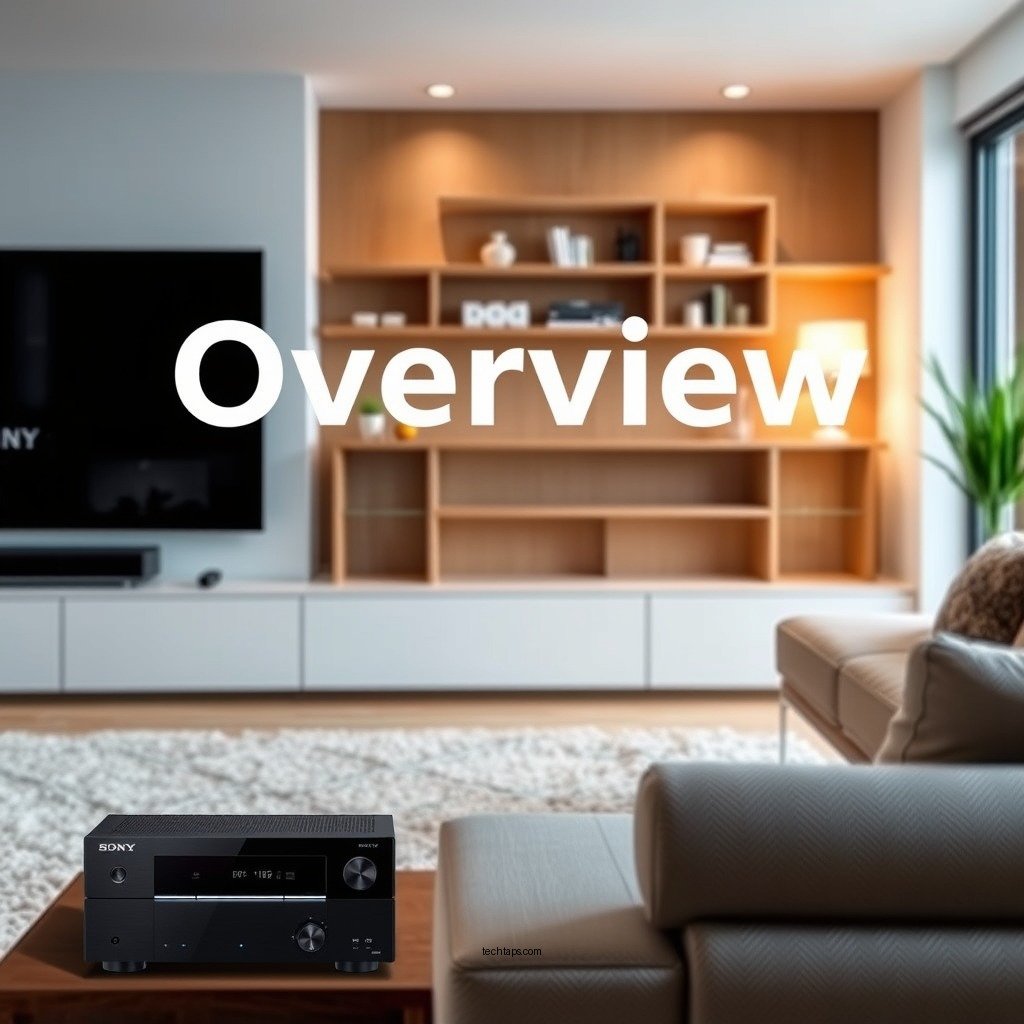
Sony receivers are recognized for their cutting-edge technology and user-friendly interfaces, making them a popular choice among home theater enthusiasts. With features like Dolby Atmos and DTS:X support, Sony models deliver immersive sound experiences that bring movies and music to life. Sony’s proprietary sound processing technology, such as D.C.A.C. (Digital Cinema Auto Calibration), ensures that audio is finely tuned to your room’s acoustics, enhancing the overall listening experience.
Moreover, Sony receivers typically come with a wide array of streaming capabilities, allowing users to access popular services like Spotify, Apple Music, and more directly from the device. This integration of modern technology, combined with a sleek design, makes Sony a strong contender in the AV receiver market.
Overview of Yamaha AV Receivers
Yamaha is renowned for its rich audio quality and robust build, appealing to audiophiles and casual listeners alike. The brand’s emphasis on sound engineering is evident in its receivers, which often feature high-resolution audio support and advanced DSP (Digital Signal Processing) technology. Yamaha’s models are also equipped with their proprietary YPAO (Yamaha Parametric room Acoustic Optimizer) calibration system, which automatically adjusts the audio output based on the specific characteristics of your room.
In addition to stellar audio performance, Yamaha receivers are generally praised for their durability and reliability. Many models come with features like MusicCast, allowing for multi-room audio setups, making them versatile for household use. The overall user experience with Yamaha consistently highlights ease of use and intuitive interfaces, making setup and navigation a breeze.
Performance Comparison
When evaluating the performance of Sony and Yamaha receivers, both brands excel in audio and video processing capabilities, but they approach these features differently. Sony receivers often have a slight edge in video processing, particularly in upscaling lower-resolution content to 4K, thanks to their proprietary technologies like 4K HDR and TRILUMINOS display. They also offer strong performance in surround sound capabilities, making them ideal for home theater setups focused on cinematic experiences.
Yamaha, on the other hand, is frequently praised for its audio fidelity. With features like Zone 2 and Zone 3 audio, users can enjoy high-quality sound in multiple rooms simultaneously. Real-world performance tests indicate that Yamaha receivers tend to handle dynamic range and bass response more effectively, appealing to those who prioritize music playback alongside movie watching.
Performance Metrics
Performance Metrics Comparison: Sony vs. Yamaha
| # | Feature | Sony | Yamaha | Best For |
|---|---|---|---|---|
| 1 | Dolby Atmos Support | Yes | Yes | Both |
| 2 | Video Upscaling | 4K HDR | 4K | Sony |
| 3 | Multi-room Audio | Limited | MusicCast | Yamaha |
| 4 | Room Calibration | D.C.A.C. | YPAO | Both |
| 5 | Audio Quality | Very Good | Excellent | Yamaha |
| 6 | User Interface | Intuitive | User-friendly | Both |
| 7 | Streaming Services | Yes | Yes | Both |
| 8 | Price Range | $299 – $2,199 | $249 – $3,199 | Sony |
| 9 | Warranty | 1 Year | 2 Years | Yamaha |
| 10 | Customer Feedback | ★★★★☆ | ★★★★★ | Yamaha |
Feature Set and Connectivity
Both Sony and Yamaha receivers boast impressive feature sets and connectivity options, which play a crucial role in the overall user experience. Sony typically provides a comprehensive array of HDMI inputs, often supporting HDMI 2.1, which is essential for the latest gaming consoles and high-definition video sources. Additionally, many Sony models include wireless connectivity options such as Wi-Fi, Bluetooth, and support for various streaming services, enhancing versatility and ease of use.
Yamaha receivers also offer a broad selection of inputs and outputs, including multiple HDMI ports and legacy connections for older audio/video equipment. Yamaha’s MusicCast technology allows for seamless integration with other Yamaha devices and easy control over multi-room audio setups. Furthermore, both brands support voice control through popular smart home systems, making it easy to incorporate them into your existing smart home ecosystem.
User Experience and Setup
User experience is a critical factor when selecting an AV receiver, and both Sony and Yamaha strive to provide intuitive interfaces and straightforward setup processes. Sony receivers often feature a graphical user interface that simplifies navigation through various settings and options. Users have reported positive experiences when setting up their systems using Sony’s Auto Calibration feature, which minimizes manual adjustments.
Yamaha, on the other hand, is frequently lauded for its robust customer service and support. Many users find the YPAO calibration system to be particularly effective in optimizing audio settings, allowing for a more personalized sound experience. Customer feedback indicates that both brands receive high marks for overall user satisfaction, although Yamaha tends to edge out slightly in areas related to build quality and customer service responsiveness.
Price and Value Consideration
When it comes to pricing, both Sony and Yamaha offer a wide range of options to suit various budgets. Sony’s lineup features models that start at affordable prices while scaling up to high-end models packed with advanced features. Generally, Sony offers competitive pricing for the technology they provide, giving consumers good value for their investment.
Yamaha’s pricing is also varied, with entry-level models that cater to budget-conscious buyers and premium receivers that appeal to audiophiles. Yamaha’s longer warranty period and strong customer support can enhance the value proposition, especially for those who prioritize reliability and after-sales service. Ultimately, the choice between these two brands may come down to the specific features and levels of performance you require.
In summary, both Sony and Yamaha offer top-tier AV receivers with distinct advantages. If you prioritize cutting-edge technology, Sony may be the right choice for you, while Yamaha excels in audio quality and user experience. Consider your specific needs and preferences, and visit your local retailer to experience both brands firsthand before making a decision.
Frequently Asked Questions
What are the key differences between Sony and Yamaha AV receivers?
The key differences between Sony and Yamaha AV receivers lie in their sound profiles, user interfaces, and feature sets. Sony receivers often emphasize a more cinematic sound experience with advanced audio processing technologies, while Yamaha is known for its natural sound reproduction and user-friendly interface. Additionally, Yamaha typically offers more robust music streaming options, making it a favorite among audiophiles.
How do I choose the right AV receiver for my home theater, Sony or Yamaha?
To choose the right AV receiver for your home theater, consider your primary use—movies, music, or gaming. If you prioritize high-quality audio and advanced surround sound formats, a Yamaha receiver may be more suitable. Conversely, if you seek cutting-edge video features and smart home integration, a Sony receiver could be the better option. Always assess the compatibility with your existing equipment as well.
Why should I consider Yamaha for music performance over Sony?
Yamaha is often favored for music performance because of its emphasis on natural sound quality and accurate audio reproduction. Their proprietary YPAO technology helps to calibrate sound based on room acoustics, enhancing the listening experience. Many users appreciate Yamaha’s dedication to music, making it an ideal choice for those who prioritize stereo sound and music streaming capabilities.
Which brand offers better value for money, Sony or Yamaha?
When it comes to value for money, both Sony and Yamaha offer a range of models catering to different budgets, but Yamaha receivers generally provide more features at a similar price point. Yamaha’s emphasis on build quality and longevity also contributes to its reputation for value. However, if you’re looking for cutting-edge technology and features, Sony may provide compelling options worth the investment.
What features should I look for in a home theater AV receiver from Sony or Yamaha?
When selecting a home theater AV receiver from either Sony or Yamaha, look for features such as 4K HDMI passthrough, Dolby Atmos support, and wireless connectivity options like Wi-Fi and Bluetooth. Additionally, consider the number of HDMI inputs and outputs, as well as compatibility with smart home devices. Make sure to check for room calibration technologies, which can significantly enhance the audio experience in your home theater setup.
References
- https://www.lifewire.com/sony-vs-yamaha-av-receivers-4176294
https://www.lifewire.com/sony-vs-yamaha-av-receivers-4176294 - https://www.crutchfield.com/S-2L6v4FqZ8wB/learn/sony-vs-yamaha-av-receivers.html
https://www.crutchfield.com/S-2L6v4FqZ8wB/learn/sony-vs-yamaha-av-receivers.html - Google Scholar Google Scholar
https://scholar.google.com/scholar?q=Sony+vs+Yamaha+AV+Receiver - Google Scholar Google Scholar
https://scholar.google.com/scholar?q=AV+Receiver+comparison+Sony+Yamaha - Google Scholar Google Scholar
https://scholar.google.com/scholar?q=home+theater+AV+receiver+reviews - Google Scholar Google Scholar
https://scholar.google.com/scholar?q=Sony+vs.+Yamaha:+Which+AV+Receiver+is+Better+for+Your+Home+Theater? - Sony vs. Yamaha: Which AV Receiver is Better for Your Home Theater? – Search results
https://en.wikipedia.org/wiki/Special:Search?search=Sony+vs.+Yamaha:+Which+AV+Receiver+is+Better+for+Your+Home+Theater? - https://www.ncbi.nlm.nih.gov/search/research-articles/?term=Sony+vs.+Yamaha:+Which+AV+Receiver+is+Better+for+Your+Home+Theater?
https://www.ncbi.nlm.nih.gov/search/research-articles/?term=Sony+vs.+Yamaha:+Which+AV+Receiver+is+Better+for+Your+Home+Theater?